
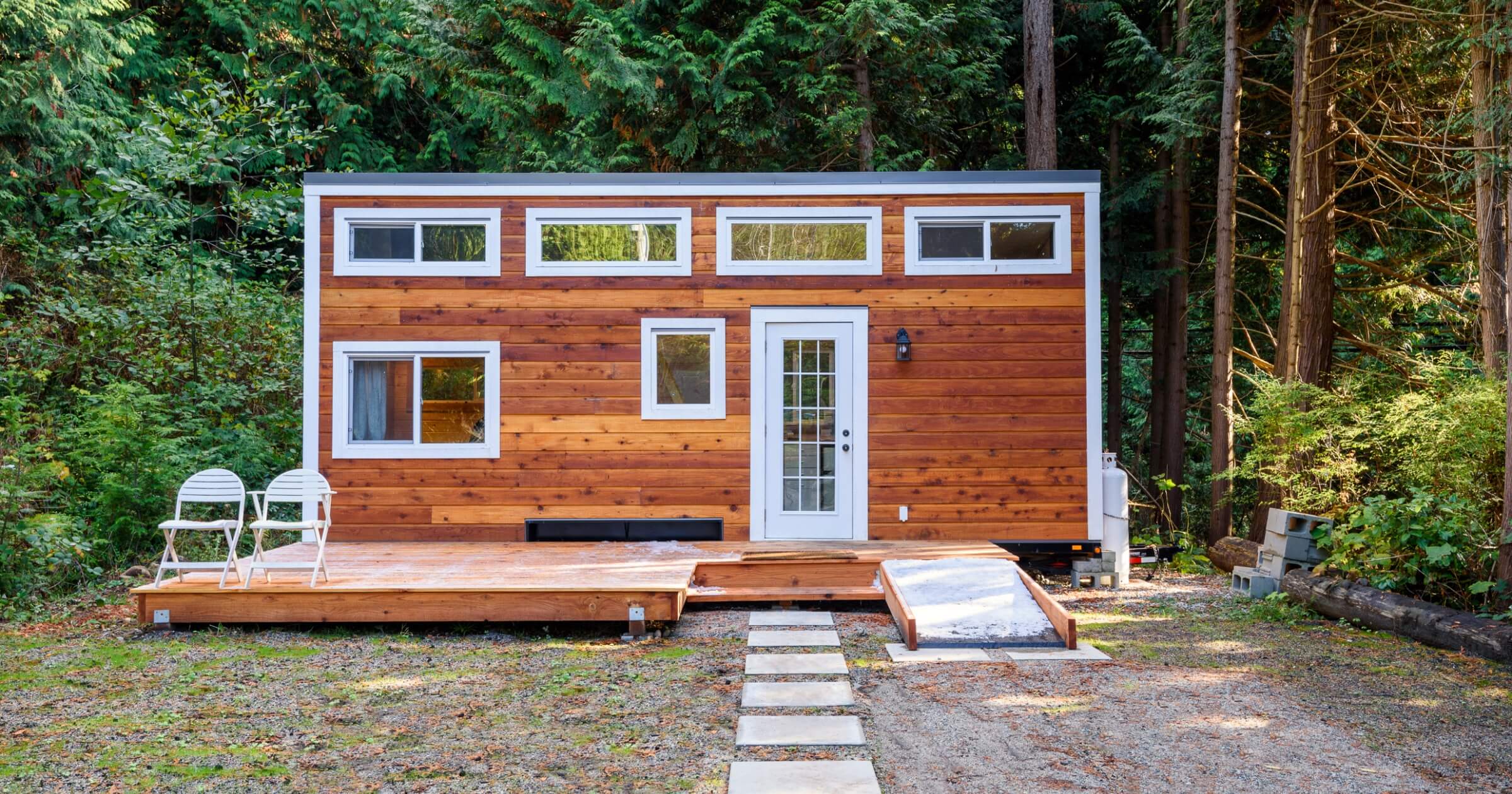
How much it costs to build a tiny home depends on size, materials, location, and whether you DIY or hire contractors. Prices range from a few thousand dollars for a basic shell to well over six figures for a finished, professionally-built unit. Tiny home kits and prefab cabins compress design and labor costs, while custom builds raise expenses for labor and permits. Land, hookups, and transport add costs that many buyers overlook. This article outlines practical price ranges, key cost drivers, and real-world examples, enabling you to plan a realistic budget.
How much does it cost to build a tiny home?
If you’re wondering “how much does it cost to build a tiny home,” expect a wide variation. Typical ranges most builders and shoppers report:
- Low/basic (DIY shell or kit): US $8,000 – $30,000 / CAD $12,000 – $45,000
- Mid-range (finished, partial contractor help): US $30,000 – $70,000 / CAD $45,000 – $100,000
- High-end (professional, larger, luxury finishes): US $70,000 – $150,000+ / CAD $100,000 – $200,000+
Tiny home prices translate to a higher cost per square foot compared to typical houses because systems, appliances, and finishes are packed into smaller footprints. Recent market analysis indicates that typical tiny home construction costs range from approximately $150 to $450 per square foot, with $290/sq ft often quoted as the midpoint.
Use the table below to match a budget to a likely outcome:
| Budget tier | US example outcome | Notes |
| $8k–$20k | Shell kit, very small cabin, major DIY finish | May be a shell-only kit or container conversion with basic fixtures; limited insulation/comfort. |
| $20k–$50k | Livable tiny home with decent finishes (DIY or inexpensive prefab) | Compact layout, basic plumbing/electrical, small appliances; ideal for single occupant or couple. |
| $50k–$100k | Professionally built studio or 1BR tiny home | Better insulation, higher-quality windows, a full kitchen and bathroom; common prefab models start here. |
| $100k+ | Larger tiny home, luxury finishes, full off-grid kit, or ADU conversion | High-end cabinetry, solid-surface countertops, and advanced systems (including heat pump, solar, and battery). |
Key factors affecting the cost of building a tiny home
Size – bigger builds = higher cost
Square footage drives material and labor almost linearly. A 150 sq ft build uses significantly less framing, insulation, and finish material than a 400 sq ft build. However, many fixed systems (septic, electrical panels, HVAC) still apply and increase the per-square-foot cost. If you add a loft, the complexity increases due to the addition of ladders, railings, and extra framing, which adds both hours and specialist labor costs.
Materials – budget vs premium options
Material choice significantly impacts durability, comfort, and long-term operating costs. Below are three typical material tiers, along with some pros/cons, to help you make an informed choice.
Budget materials (standard framing lumber, vinyl siding, single-pane windows, laminate counters)
- Pros: lowest upfront cost, easy to source, and lighter to transport.
- Cons: poorer insulation, shorter lifespan, higher heating/cooling costs.
Mid-range materials (treated lumber, fiber-cement or metal siding, double-pane windows, mid-grade appliances)
- Pros: mproved energy performance, more durable, and a balanced price.
- Cons: higher upfront cost, may need skilled installation.
Premium materials (engineered beams, cedar or metal cladding, triple-pane windows, custom cabinetry, quartz counters)
- Pros: longer life, better comfort and resale value, and lower energy bills.
- Cons: steep upfront price and longer lead times; often requires specialist labor.
Recommendation: Pick materials that match how you’ll live in the space—cheap shells for seasonal use; better envelopes for year-round living.
Complexity – simple vs custom design
A rectangle with a simple shed roof is quicker and cheaper to build than a multi-level tiny house with curved walls, custom built-ins, or integrated solar canopies. Custom features incur design fees, longer build times, and may require engineer stamps if building codes require structural calculations.
Labor – DIY vs contractor pricing
Doing much of the work yourself reduces crew costs but increases your time investment. Skilled trades, such as plumbing, electrical, and HVAC, are regulated in many places and often require licensed contractors for inspections and permits. Hiring general contractors can shorten timelines but also add markup; trades may charge hourly rates or fixed bids that can exceed expectations on small projects.
Location – regional differences
Material availability and labor rates vary depending on location. Remote builds add trucking and delivery costs; urban areas often have higher labor rates and stricter code enforcement. Cross-border differences (US vs. Canada) exhibit similar patterns, but with distinct currency and tax impacts on imported prefabricated units. For example, European flatpack cabins shipped to the US add a shipping line item that can be several thousand dollars.
Permits – local building code cost
Some jurisdictions classify tiny homes as RVs, others as full dwellings or ADUs. Classification determines permit fees, required inspections, and whether you need hookups. Expect permit and inspection fees to range from a few hundred to several thousand dollars, depending on the municipality’s rules and whether engineering or site surveys are required.
Utilities and site work
Hooking up to municipal water and sewer can be expensive; running power or building a septic system can cost thousands. Off-grid systems (solar arrays, battery banks, composting toilets, and water catchment) shift costs to equipment, which raises upfront expenses but lowers monthly bills. Site preparation, grading, foundation or trailer preparation, and access roads add variable but often underestimated costs.
Finishes and appliances
Choices here are a quick way to escalate the final price. Off-the-shelf compact appliances and laminate counters help keep costs low; full-size fridges, ranges, high-end cabinetry, and wet-wall showers quickly drive up the prices of tiny homes.
Best tiny home kits: basic vs. high-end examples
Let’s take a look at real tiny home kits and prefab offerings.
Basic Kit
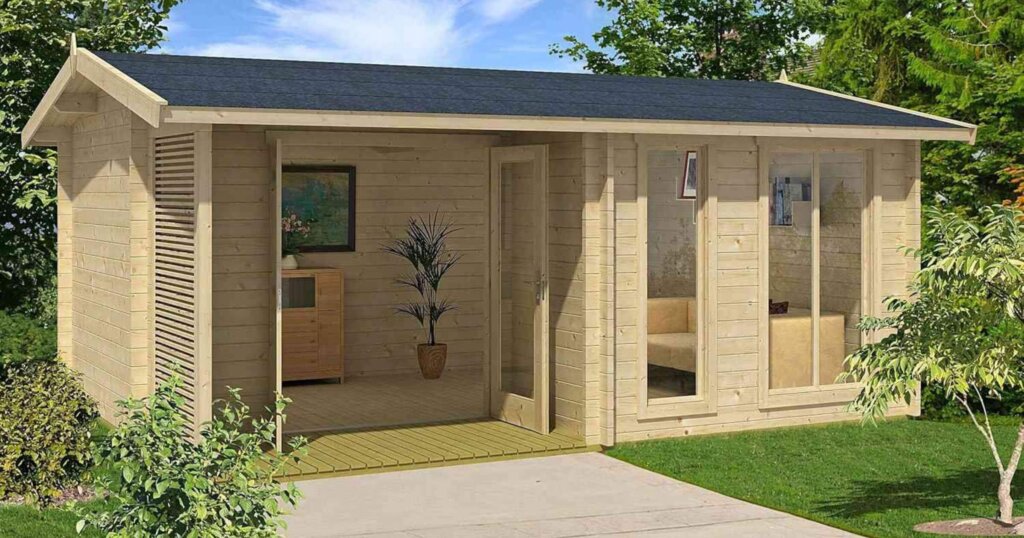
Allwood sells prefabricated cabin kits that range under $10,000 for small studio shells—these are popular for garden rooms, studios, and affordable short-term housing options. These kits are largely pre-cut and meant for owner assembly.
Mid Tier Kit
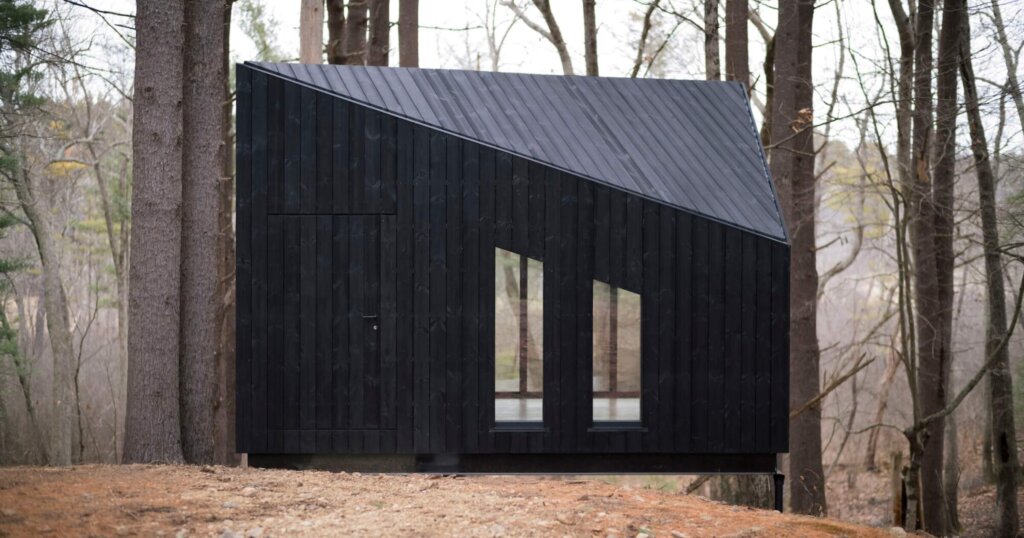
Koto’s Niwa cabins are flatpack modular cabins with strong finishes; prices for the smallest models start around $52,000 before shipping and installation, which illustrates mid-range prefab pricing for high-quality finishes and quick on-site assembly.
High-end/pro-built kit
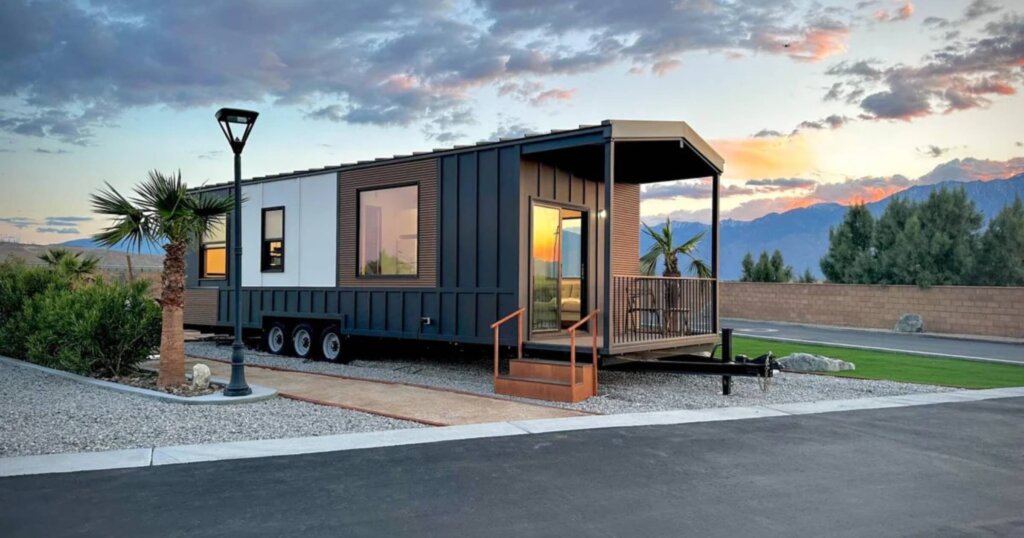
Clever Tiny Homes offers studio models starting at around $79,995, featuring finished interiors and turnkey options for customers who prefer minimal involvement in the construction process.
Other notable examples of tiny home builds and their cost
- Classic tiny-home builders, such as Tumbleweed and other established manufacturers, offer completed tiny homes ranging from roughly the mid-$50k range up through six figures, depending on size and specifications. The sellers often display financing options and monthly payments.
- DIY build examples: Builders who document their projects online show the genuine range. Several YouTube builders break down total costs: some couples report full DIY builds near $39k, while others document $55k or higher for more finished homes with sitework and permits included. These videos help compare real receipts and identify surprise fees.
- The Nomadnest Tiny Home on Wheels is a move-in-ready modern tiny home priced at $94,500. It includes pre-installed plumbing and electrical systems, full insulation, energy-efficient windows, and customizable heating and air conditioning systems tailored to the location.
Use these real examples to set a target budget: kits under $10k give you a shell but expect to add insulation, systems, and finishing; $50k–$80k buys a livable, well-finished prefab; $100k+ is realistic for a larger, fully appointed luxury tiny home.
Things to consider for pricing variations
- Local prices: Get local quotes early. Materials and labor are local prices—ask builders, suppliers, and prefab companies for region-specific pricing.
- Trailer vs. foundation: Tiny homes on wheels avoid foundation work and some permitting, but limit permanent residency in many places; foundation-built homes, on the other hand, trigger complete building code and utility hookup costs.
- Transport and delivery: Prefab units often incur thousands of dollars for shipping and crane/placement on-site. Shipping from overseas increases lead time and import fees.
- Insurance and financing: Insurance companies treat tiny homes differently; mortgage options are limited, but some builders offer financing. Know insurance costs before you commit.
- Resale and long-term value: Investing in quality insulation, windows, and appliances reduces replacement costs and simplifies the resale process if you plan to sell.
- Use a cost calculator or spreadsheet: List trailer/foundation, framing, envelope, windows/doors, insulation, mechanicals, appliances, finish carpentry, permits, and a contingency (10–20%). That gives a working cost estimate you can compare to kit and prefab quotes.
Answering “how much does it cost to build a tiny home” depends on the choices you make at the start: shell or turnkey, DIY or pro, wheels or foundation, basic or premium materials. For quick reference, expect a minimalist DIY or kit to cost between $30k and $80k for a comfortable, finished tiny home. A larger, luxury, or fully serviced ADU will cost between $30,000 and $100k+.
If you want more examples and gear that helps tiny home projects, check these articles on Under the Hard Hat:
Want ongoing case studies, supplier roundups, and budgeting tools for small dwellings and on-site gear? Subscribe to our newsletter to get build guides, honest cost breakdowns, and tool reviews delivered to your inbox.