What is machine control in construction?
Machine control connects digital designs directly to equipment, helping crews work faster and hit grade on the first pass while reducing rework and delays.


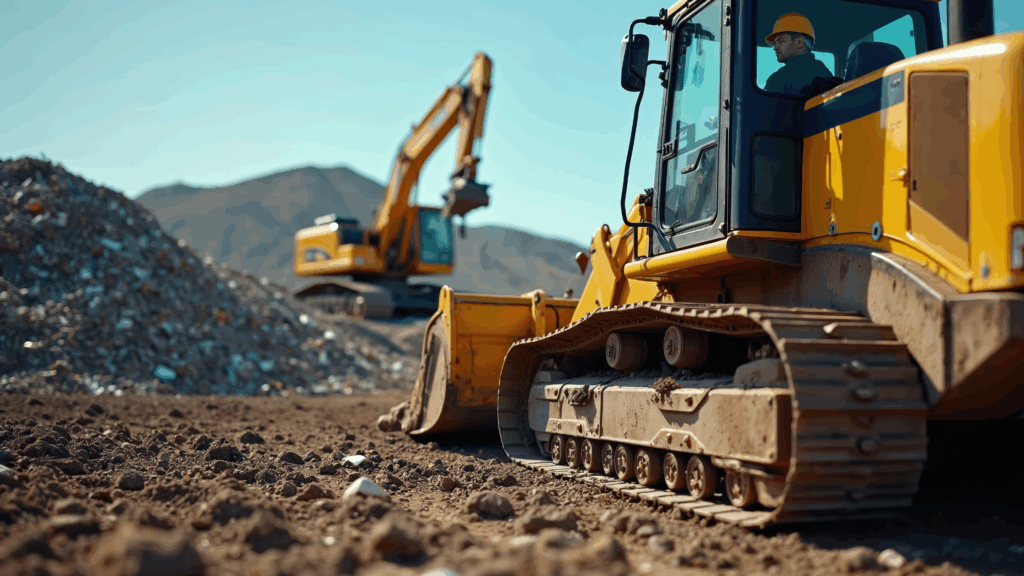
Machine control connects digital designs directly to equipment, helping crews work faster and hit grade on the first pass while reducing rework and delays.

As construction becomes more data-driven, generative design is helping teams evaluate multiple solutions at once—leading to faster decisions, better layouts, and more efficient builds.
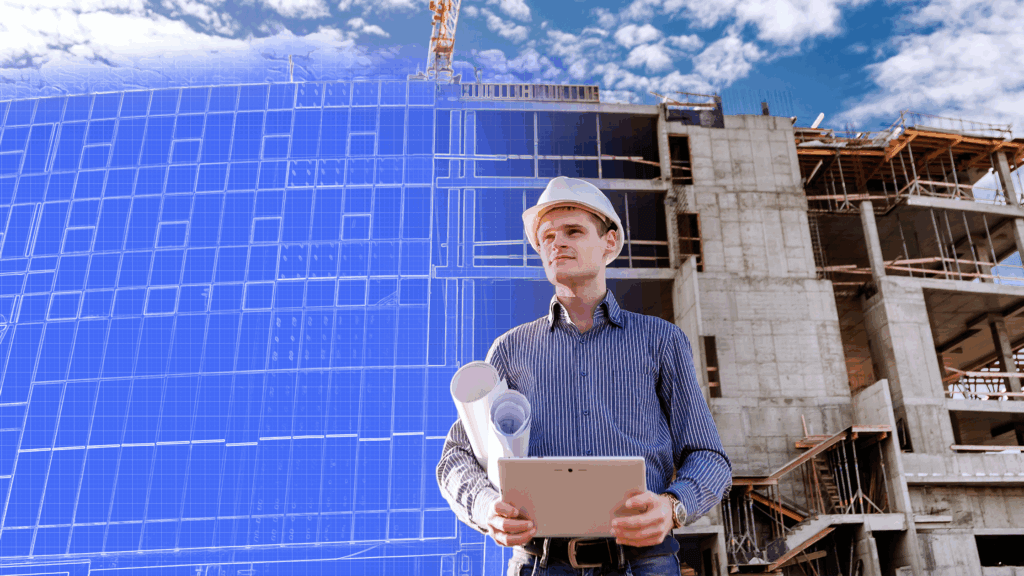
Better data flow from planning to construction could cut rework, reduce delays, and give crews clearer, buildable designs before they hit the field.
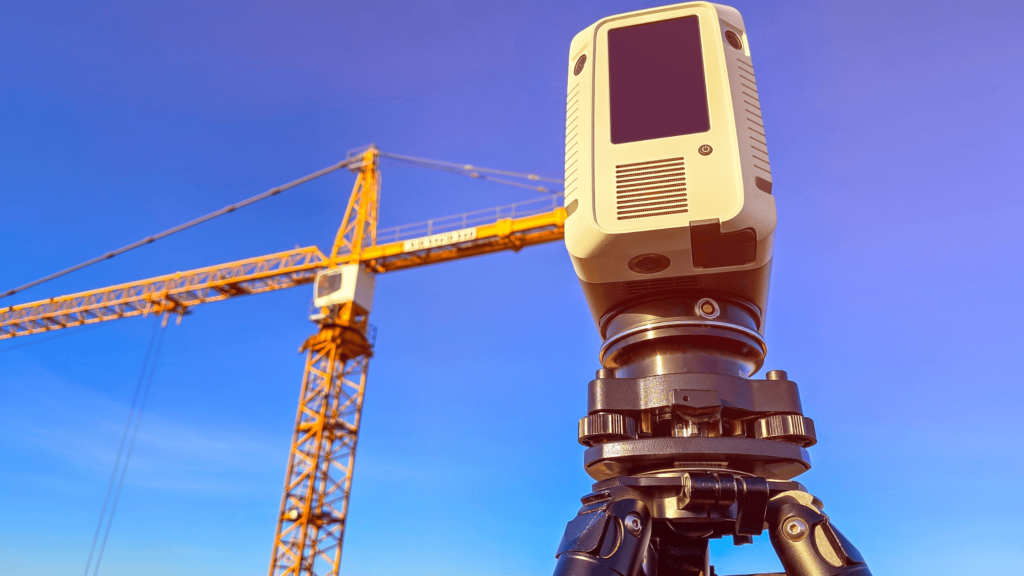
Reality capture is transforming construction with tools like 3D laser scanners, drones, and photogrammetry, mitigating risks and saving time and money.
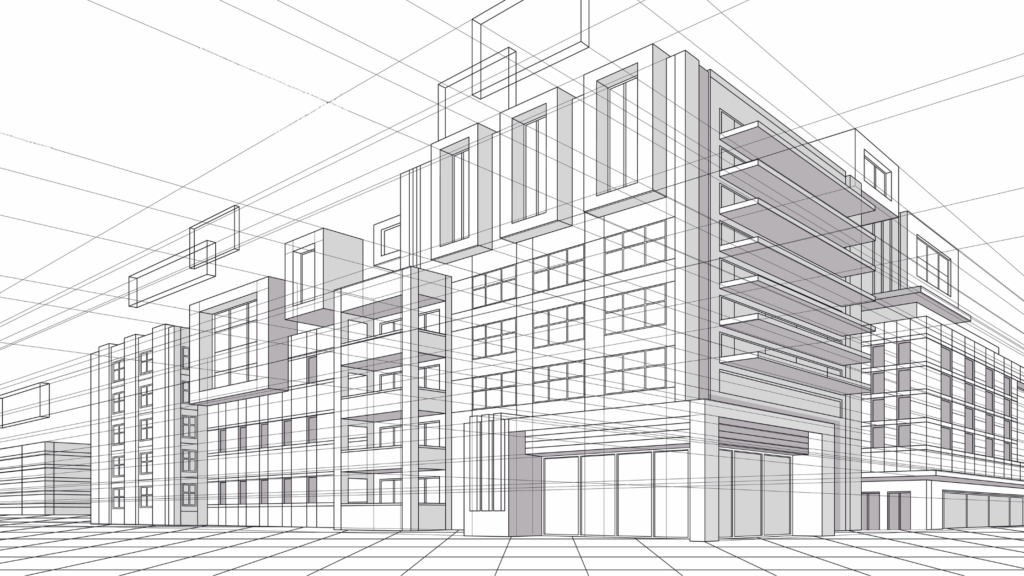
3D modeling helps construction teams visualize projects before they’re built, reducing errors and improving coordination across the jobsite.
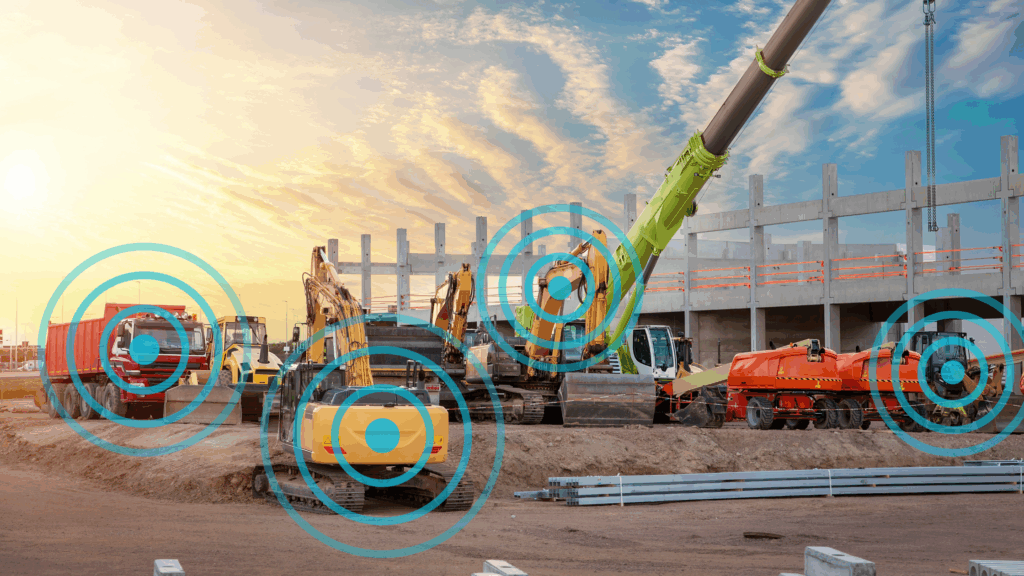
Telematics is changing how contractors manage jobsites, turning equipment into real-time data sources that improve visibility, reduce costs, and drive smarter decisions.
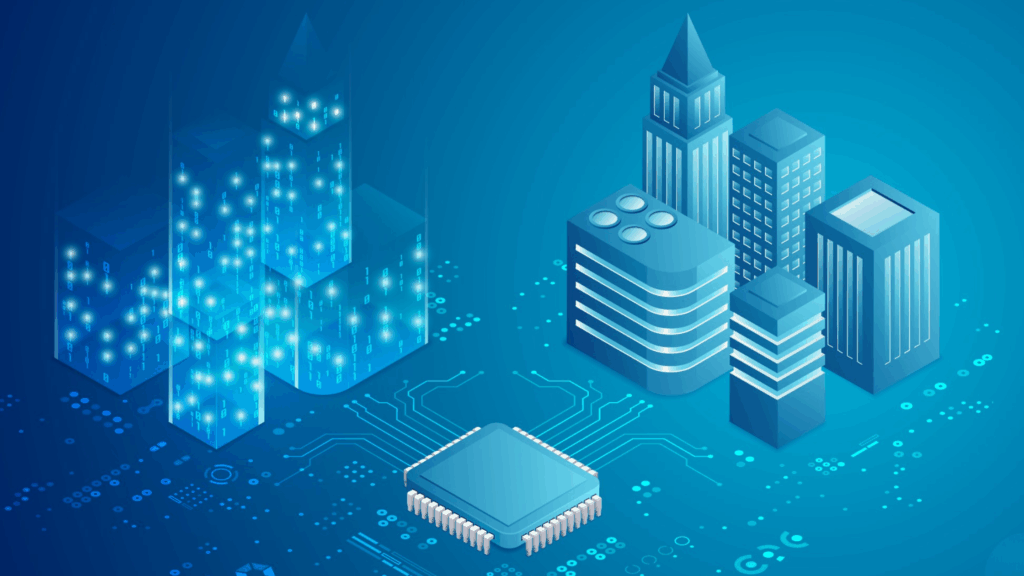
Digital twins give contractors a real-time view of what’s actually happening on site—not just what was planned. That shift leads to fewer surprises, better decisions,…

The Hammerloop platform recently hit 1,000 users in 90 days, showing the labor shortage may actually be a connectivity gap. Learn how they are scaling…
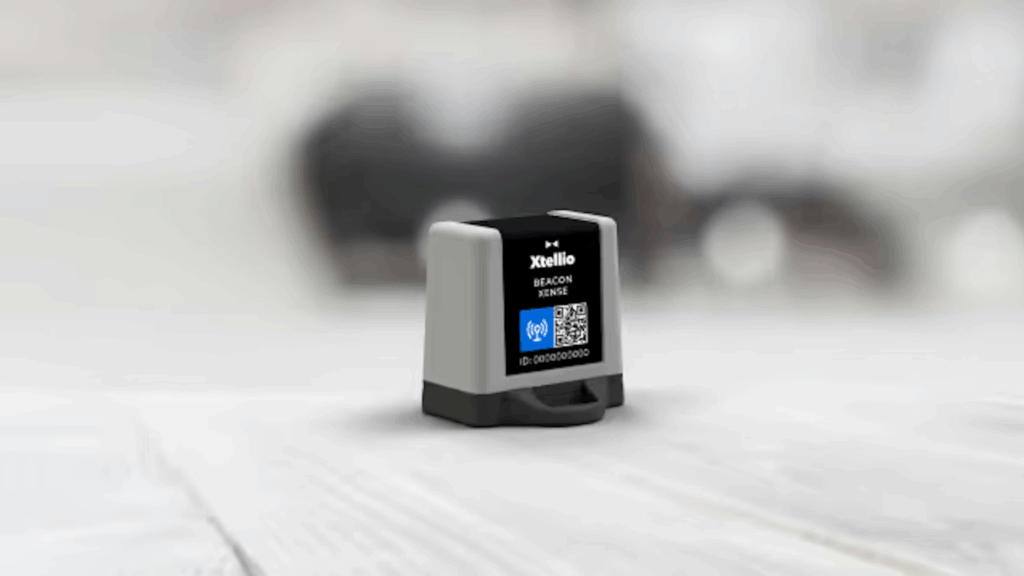
Xtellio is expanding telematics beyond heavy equipment, bringing visibility to smaller tools and assets to help contractors better track, manage, and optimize jobsites.
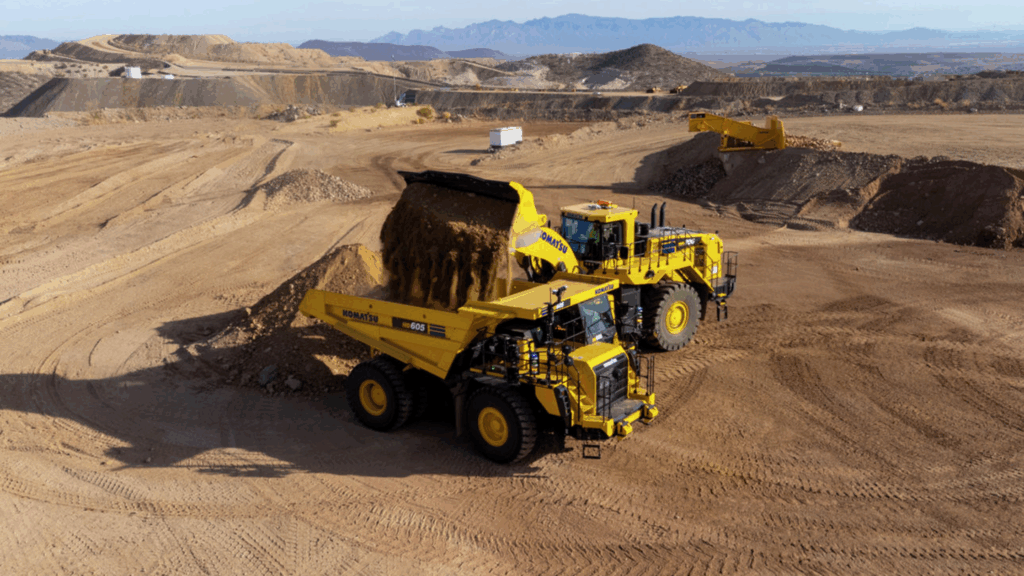
From fuel waste to labor shortages, contractors are facing growing pressure to do more with less. Smart Quarry shows how connected, data-driven systems are helping…
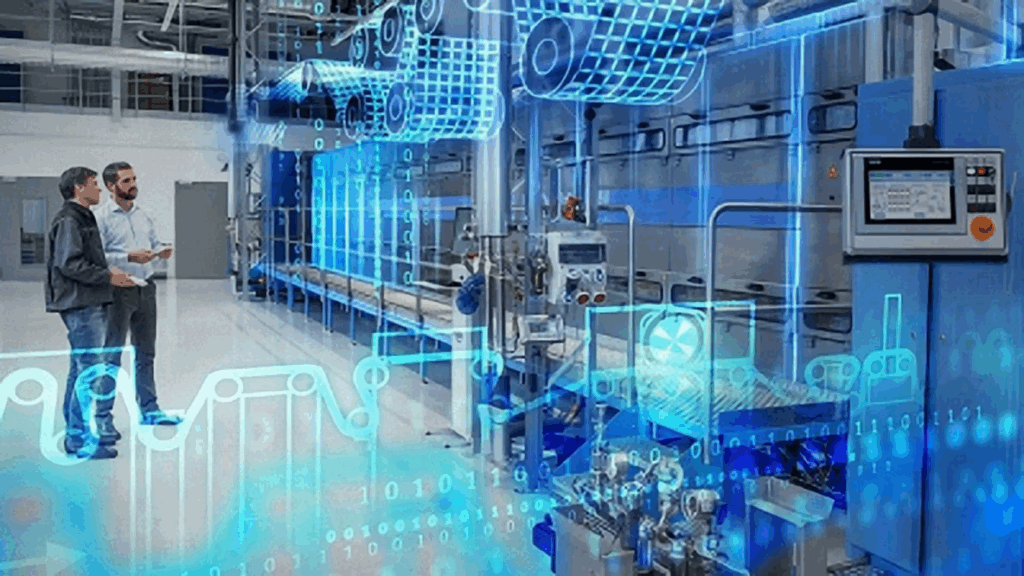
The line between digital and physical work is disappearing. What’s happening in factories today could reshape how construction projects are planned and built.
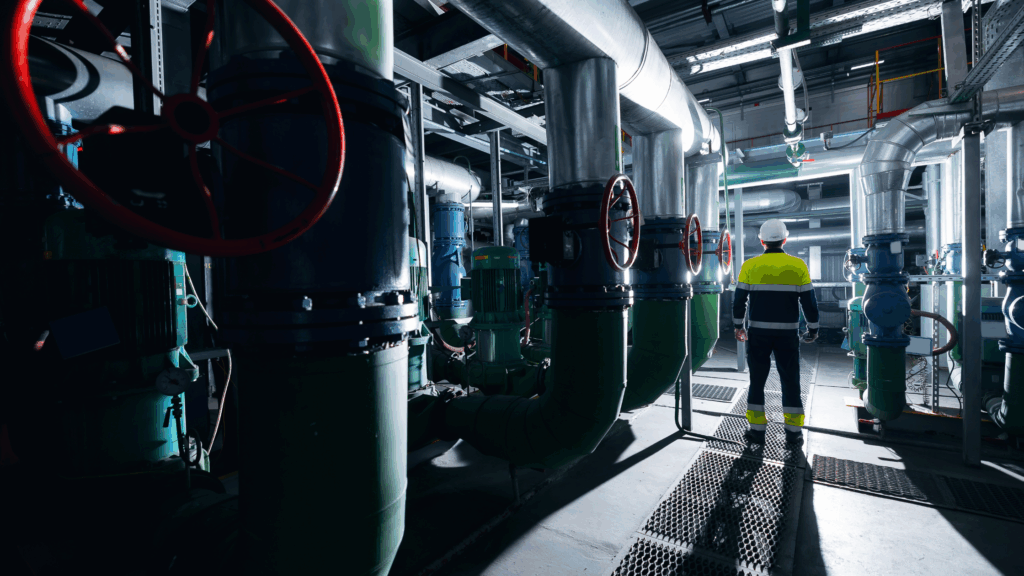
Gas leaks, emissions, and environmental risks don’t wait for inspections. New sensor technology is giving jobsites real-time visibility, turning hazard detection from reactive to proactive.