Fortera, a green cement company in California, has received significant funding from Microsoft to expand its low-carbon cement technology. With support from Microsoft’s Climate Innovation Fund, Fortera will build its first large factory capable of producing 400,000 tons of cement each year. Microsoft also agreed to purchase some of Fortera’s low-carbon cement to help reduce pollution in its supply chain.
Why Microsoft is investing in Fortera
Brandon Middaugh, general manager of Microsoft’s Climate Innovation Fund, said the company invested because Fortera’s low-carbon cement can cut pollution in a big way and still work with today’s cement plants. The climate fund is a $1 billion (USD) initiative to support climate technologies through equity and debt financing.
Microsoft is lowering its own carbon footprint by supporting Fortera and pushing cleaner building materials into the market as part of its broader plan to become carbon negative by 2030. “Corporate investment can assist in jumpstarting and scaling nascent markets like low-carbon cement,” said Middaugh. “Our team was attracted to Fortera’s approach due to its potential for deep emission reductions, competitive cost targets, and its expected compatibility with existing production infrastructure.”
Regular cement production is one of the biggest sources of carbon pollution worldwide. A large share of cement’s CO₂ comes from the calcination of limestone (turning limestone into lime releases CO₂), which is inherent to the cement chemical process. Instead, Fortera uses a special process called ReCarb®. This method changes that by reusing waste CO₂ to produce cement, reducing emissions by up to 70% compared to conventional cement.
The process is designed to fit into current cement plants. That means companies don’t need to replace big, expensive equipment. They can simply add Fortera’s system and start producing cleaner cement.
Building a bigger plant for low-carbon cement
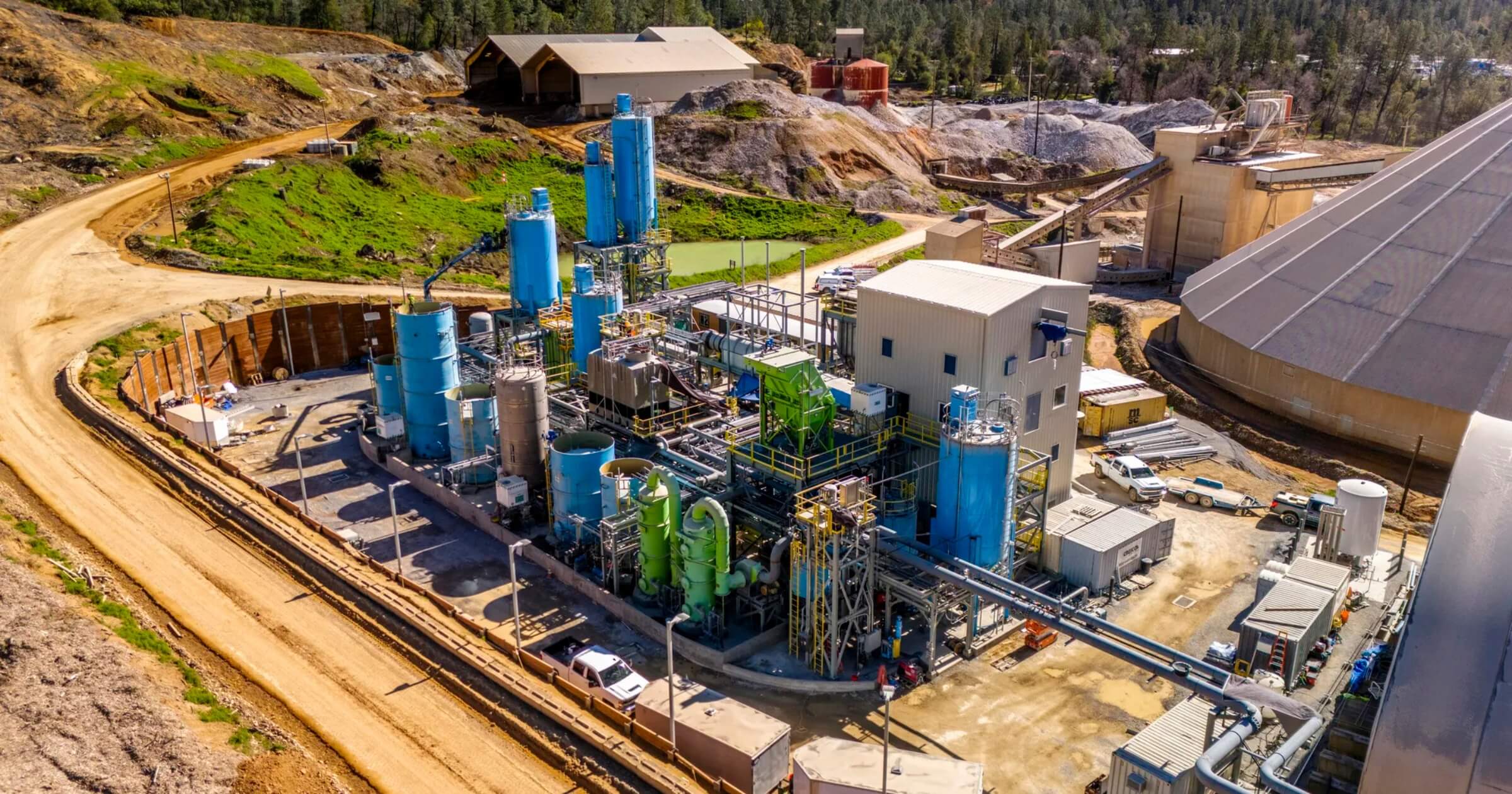
With Microsoft’s help, Fortera will move from its smaller low-carbon cement plant in Redding, California, to a much larger facility. This new factory will be able to produce 400,000 tons of cement each year, enough to supply major building projects.
Microsoft’s investment underscores the importance of this technology. “Their support highlights the impact our full commercial-scale plant brings to the low-carbon building materials space,” said Ryan Gilliam, CEO of Fortera.
The cement industry accounts for almost 8% of global carbon emissions, so finding better solutions is a top priority. In the United States alone, there are about 91 operating cement plants that produce about 68 million metric tons of CO₂ annually (equivalent to the emissions from about 16 million gasoline-powered cars). Fortera’s plan, backed by Microsoft, proves that cleaner cement can be made at a large scale and at a cost that works for the market.
This partnership could help transform the way we construct roads, bridges, and buildings in the future. It’s a big step toward lowering emissions in one of the toughest industries to clean up.
Want more updates on green building and new technology in construction? Subscribe to our newsletter to stay ahead.