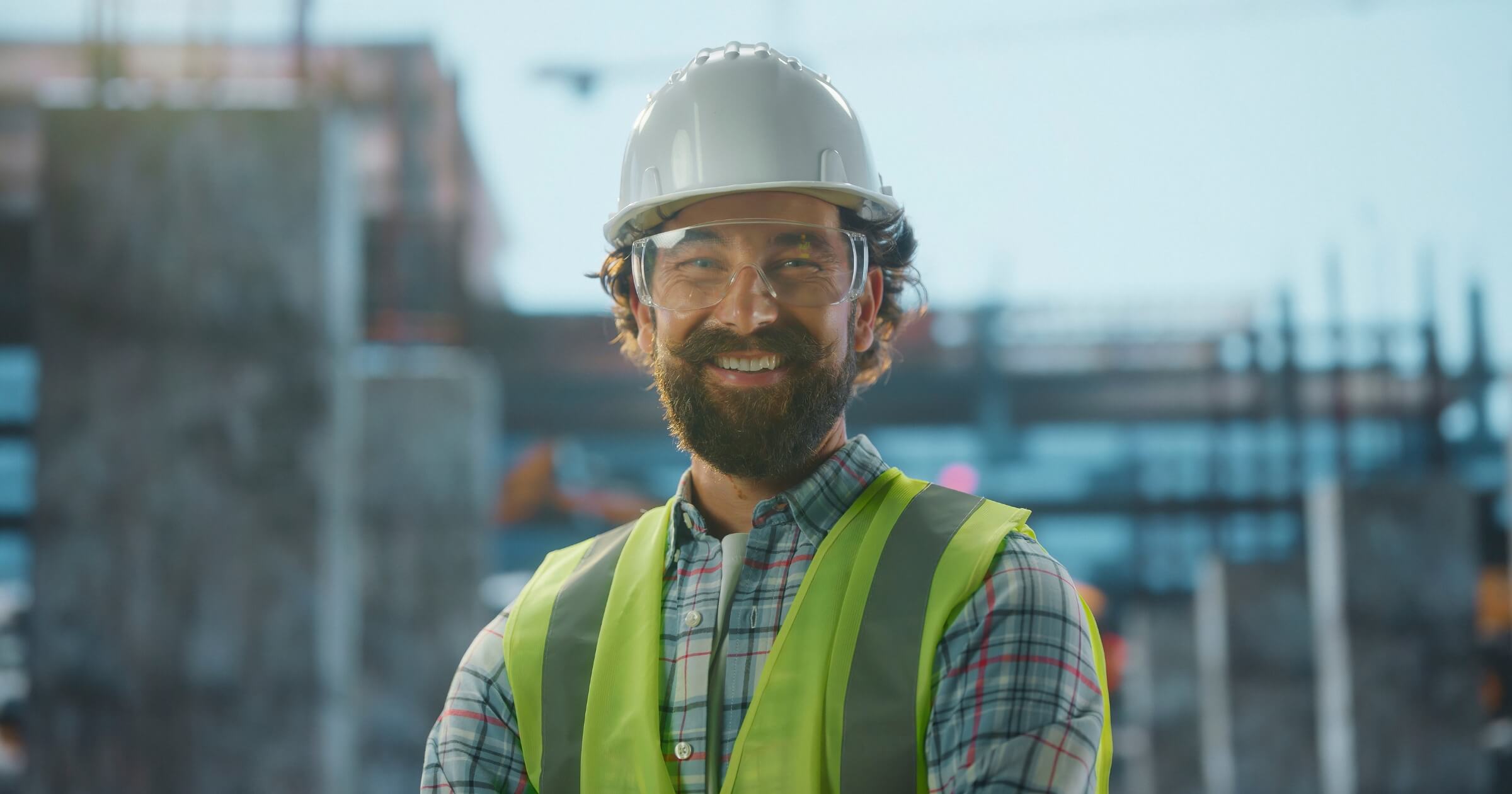
Choosing the safest hard hat matters: a better helmet can reduce the risk of concussion and skull fracture if a worker suffers an oblique fall or strike on site. Virginia Tech’s Helmet Lab tested 17 construction helmets and rated them using the STAR system; the top performers were primarily Type II helmets, which offer protection against both side and top impacts. Two helmets that stand out in the tests are the Milwaukee BOLT with IMPACT ARMOR™ liner and the STUDSON SHK-1—both earned five stars from Virginia Tech. This guide compiles the Virginia Tech STAR scores, the lab’s notes on why each model performed as it did, and practical details you’ll want when selecting a helmet for trade users.
Helmet ratings systems: How Virginia Tech ranked safety
Virginia Tech uses the STAR (Summation of Tests for the Analysis of Risk) method to predict concussion and skull-fracture risk from a set of oblique impact tests. Each helmet is subjected to 12 oblique drop impacts (three locations × two speeds × two trials), measuring linear and rotational head accelerations. Those measured accelerations are converted into concussion and skull-fracture risk, weighted by the frequency with which each impact type occurs in real-world jobsite falls, and summed to produce a single STAR score. A lower STAR score indicates better protection; helmets are also rated 1–5 stars. The lab recommends 4- and 5-star helmets for workers exposed to fall hazards.
The 10 safest hard hats for construction workers
1. Milwaukee BOLT with IMPACT ARMOR™ liner → STAR score: 59.21 → 5 stars

Key features
- Type II helmet with vented (Class C) and unvented (Class E) options
- IMPACT ARMOR™ liner absorbs rotational and linear forces in oblique impacts
- Adjustable padded suspension and chin strap for secure fit
- Balanced weight (~591 g) for all-day wear
- Designed to reduce concussion risk in angled strikes
Virginia Tech found that the Milwaukee BOLT with the IMPACT ARMOR™ liner significantly reduced linear and rotational accelerations across all impact locations and speeds, resulting in the lowest STAR score in the set. The IMPACT ARMOR™ liner uses an engineered energy-absorbing material that lowers transmitted rotational acceleration in oblique impacts—the primary driver of concussion risk in their tests. The helmet is Type II and is available in two variants: vented (Class C) and unvented (Class E). The manufacturer’s design also incorporates an adjustable padded suspension and chin strap mounting, which helps maintain a secure fit during angled impacts, thereby improving performance in the lab.
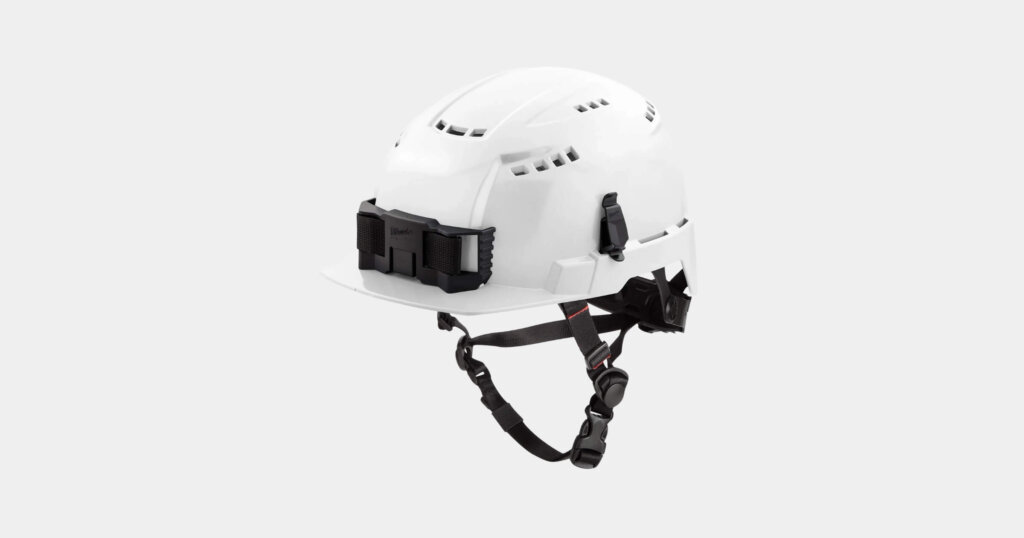
2. Milwaukee BOLT (standard liner) → STAR score: 66.60 → 5 stars
Key features
- Type II helmet with solid side-impact energy management
- Internal geometry limits rotational acceleration
- Adjustable suspension and effective chin strap
- Lightweight (~548 g) for long-term comfort
- Consistent performance in oblique impact tests
The standard Milwaukee BOLT helmet (without IMPACT ARMOR™ liner) still showed excellent performance in the oblique drops; VT recorded a low STAR score thanks to solid side-impact energy management and consistent fit retention. Its Type II shell and internal geometry control how the shell and liner behave during angled strikes, limiting rotational acceleration. The tested weight was ~548 g, which is in the same general range as other high-performing Type II helmets on the list. Fit and chin strap effectiveness were noted by VT as contributing design elements.
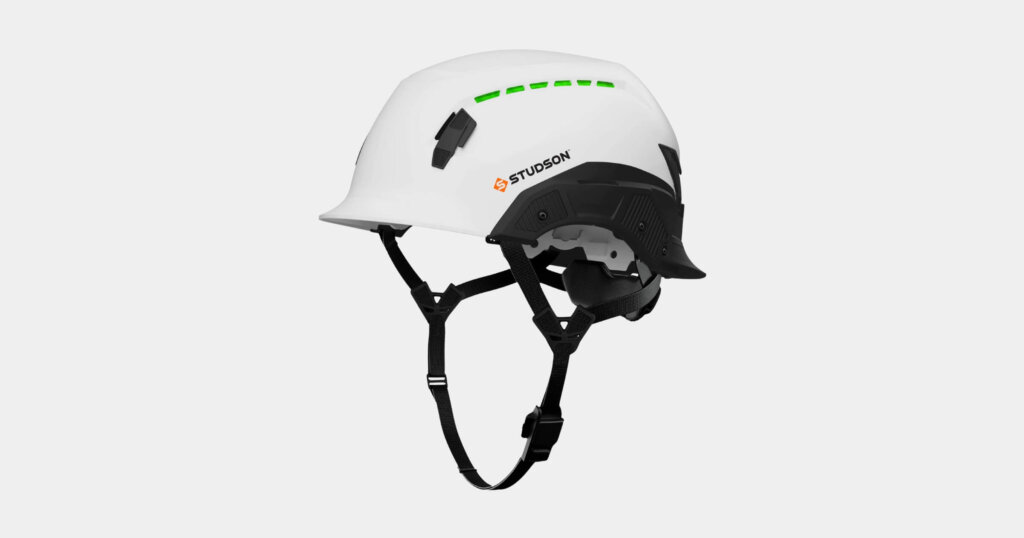
3. STUDSON SHK-1 → STAR score: 69.27 → 5 stars
Key features
- Type II full-brim design for enhanced coverage
- Interior energy-absorbing structures (Koroyd® cellular material)
- Venting improves comfort without compromising safety
- Tested weight ~535 g
- Performs well in both linear and rotational impact tests
The STUDSON SHK-1 uses interior energy-absorbing structures (Koroyd® cellular material in some variants) and a full-brim Type II shell. VT’s results show consistent attenuation of rotational and linear measures, placing it among the top Type II performers. The weight noted by VT was ~535 g for the tested sample. The SHK-1’s internal energy-absorbing material shows clear benefits in angled impacts, which is why it earned a five-star rating. The model is available in vented Class C and unvented Class E versions, and its vents and cell-structure liner appear to protect while enhancing wearer comfort.
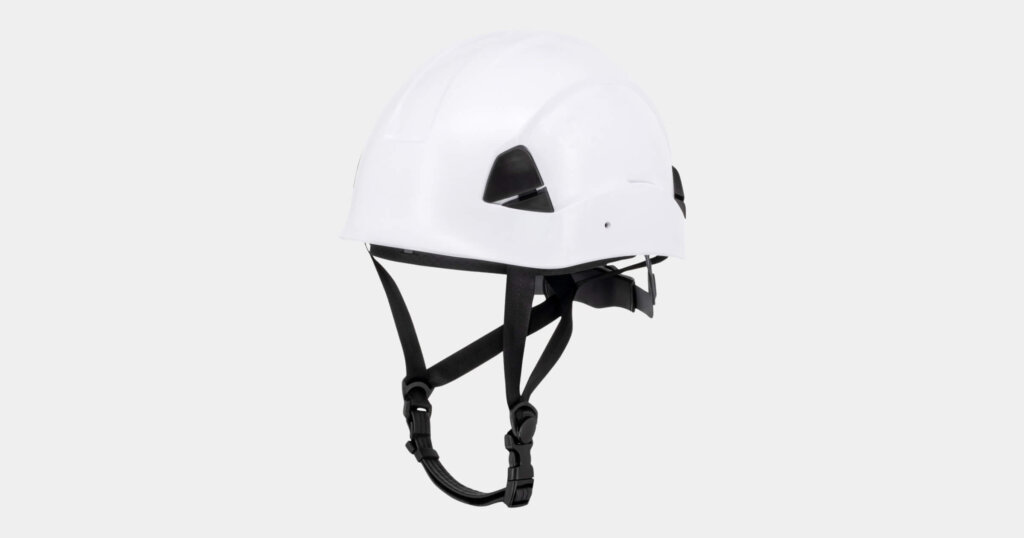
4. DeWALT DPG22 → STAR score: 70.97 → 5 stars
Key features
- Type II helmet with EPS energy-absorbing liner
- Stable suspension system keeps the headform steady during angled impacts
- Lightweight (~534 g)
- Substantial reduction of rotational acceleration at side impacts
- Offers vented and unvented options
DeWALT’s DPG22 Type II helmet demonstrated a substantial reduction of rotational acceleration in VT’s oblique impacts, particularly at the side impact locations that often drive concussion risk. VT recorded the tested weight at ~534 g. The helmet’s configuration, including an internal EPS/energy-absorbing liner and secure suspension system, helped keep the headform stable during the angled drops—a factor VT cites as improving performance. That’s why it made the five-star cohort.
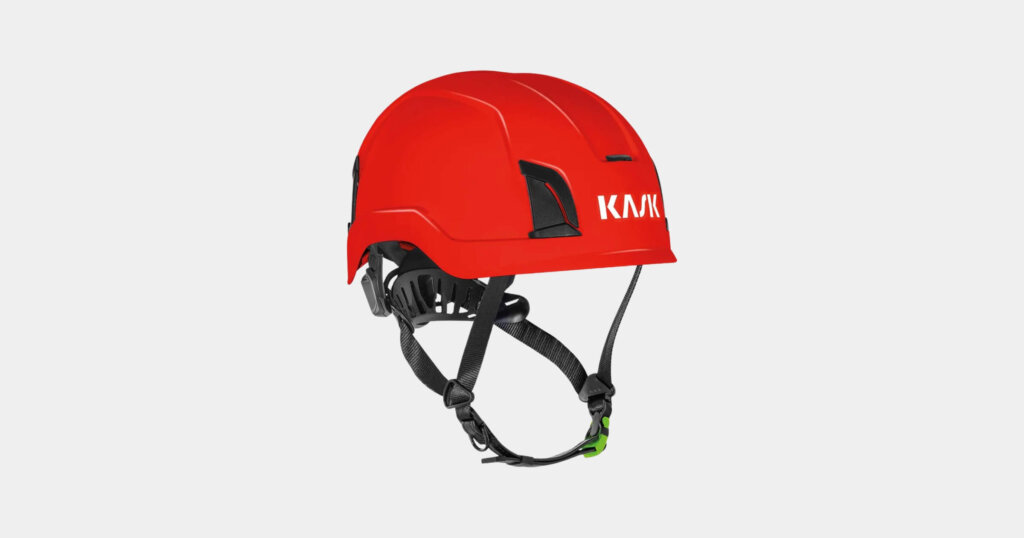
5. KASK Zenith X2 → STAR score: 78.81 → 5 stars
Key features
- Type II shell with a structured internal liner to disperse oblique impact energy
- Ratchet suspension for a stable fit
- Weight in the mid-500 g range
- Reduces both linear peaks and rotational responses
- Retains position during off-axis impacts
KASK’s Zenith X2 combines a Type II shell with a structured internal liner that disperses oblique impact energy well. VT’s tests demonstrate effective control of linear peaks and reduced rotational responses in many impact locations; VT recorded a tested weight in the mid-500g range. Its performance is aided by a stable retention and ratchet suspension that holds its position during off-axis hits, reducing the amount of rotational energy transmitted to the headform. That performance earned it a five-star assessment.
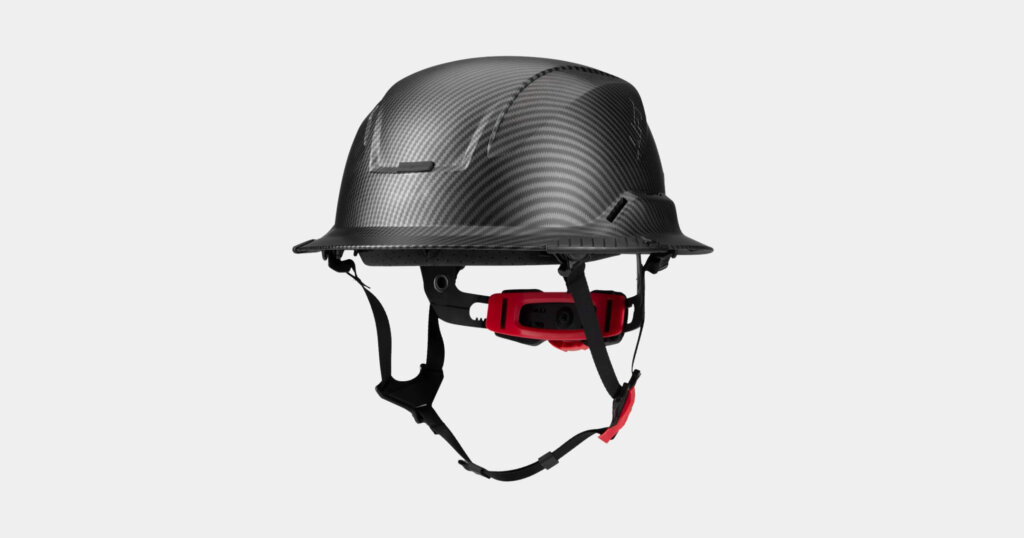
6. Lift Radix Fullbrim → STAR score: 85.27 → 5 stars
Key features
- Type II full-brim shell for added side and rear coverage
- Energy-absorbing liner tuned for oblique impact performance
- Suspension system keeps helmet stable during angled strikes
- Midweight build for balance between protection and wearability
- Full-brim rim helps with debris and sun exposure without compromising test performance
The Lift Radix Fullbrim is a Type II helmet designed for trades where angled impacts and side strikes are real concerns. VT’s oblique test results show that the helmet’s liner and shell geometry work together to manage rotational acceleration more effectively than standard Type I cap-style models. Its full brim provides added coverage around the sides and back of the head, a detail that helps in falls where the impact comes from an unexpected angle. Weight mirrors other mid-range Type II helmets in the VT rankings, and fit retention appears stable in the drops—something VT’s data correlates with lower concussion risk in their STAR calculations.
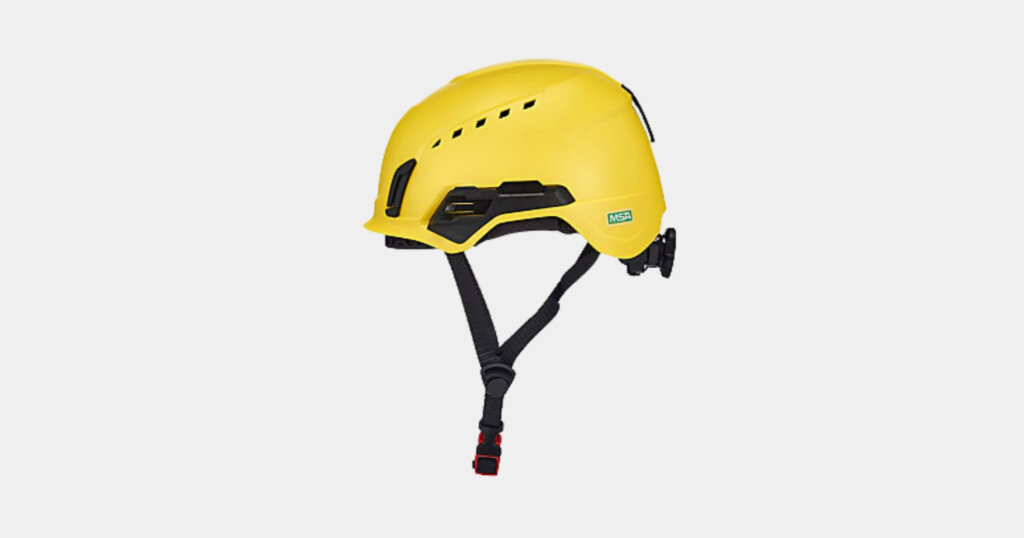
7. MSA V-Gard H2 MIPS → STAR score: 85.30 → 5 stars
Key features
- Type II helmet with MIPS low-friction liner for rotational mitigation
- Robust shell geometry for linear impact protection
- Midweight (~mid-500 g)
- Reduces rotational accelerations in oblique impacts
- Stable retention and adjustable suspension
MSA’s V-Gard H2 tested well because its Type II shell plus rotational-mitigation system (MIPS or similar low-friction liner in the H2 configuration) reduces rotational accelerations in oblique impacts. VT’s STAR results show a clear improvement in rotational metrics versus many Type I hats. VT recorded weight and class consistent with midweight Type II helmets. The combination of robust shell geometry and a rotation-reducing liner is what pushed the V-Gard H2 into the five-star group.
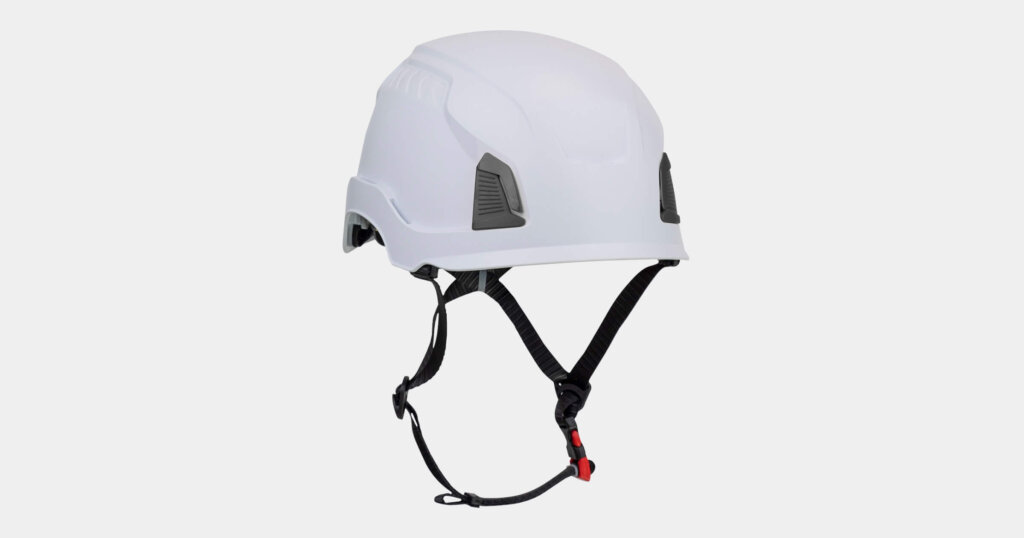
8. PIP Traverse MIPS → STAR score: 86.92 → 5 stars
Key features
- MIPS slip-plane system reduces rotational accelerations
- Lightweight and balanced fit
- Type II shell suitable for angled impact protection
- Enhanced comfort with modern padding and suspension
- Effective in mitigating oblique impacts compared with standard Type II helmets
The Traverse MIPS® model earned a STAR of 86.92, ranking #7 out of the 17 helmets tested by VT. Its inclusion of a MIPS® slip-plane system helps reduce rotational acceleration during oblique impacts, thereby improving performance in the test setup. While its linear acceleration figures may not match the very best, the rotational mitigation gives it an edge. Because of that, the Traverse MIPS® stands out among helmets with modern rotational-control features.
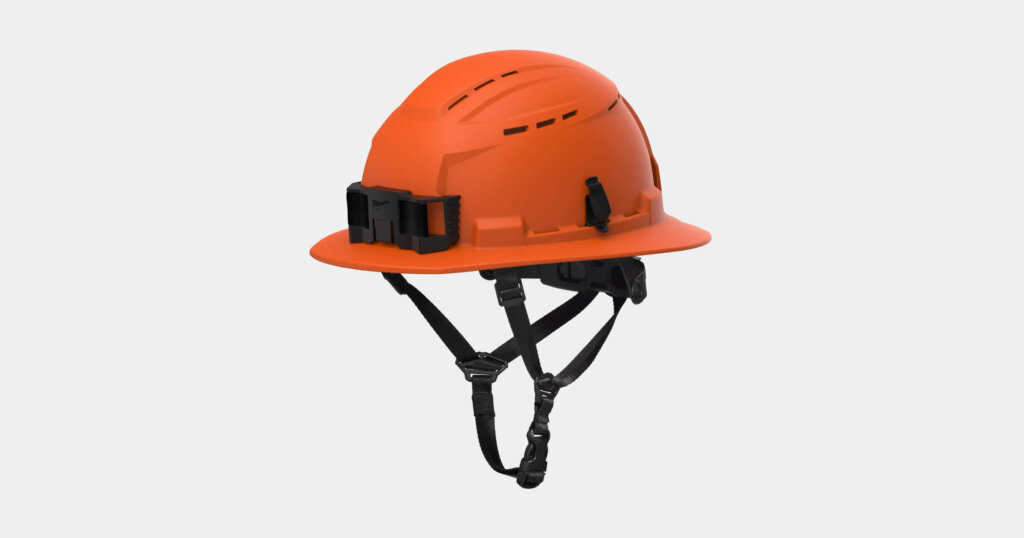
9. Milwaukee Tool BOLT Fullbrim → STAR score: 87.16 → 5 stars
Key features
- Type II construction with extended brim coverage
- Same internal geometry and suspension as standard BOLT for consistent fit
- Chin strap mount design reduces headform shift during impact tests
- Slightly heavier than cap style but still wearable for long shifts
- Maintains rotational impact control even with extended brim profile
The Milwaukee BOLT Fullbrim extends the performance design of the standard BOLT model into a wider coverage format. VT’s testing notes place this version in close range to the standard shell, but the extended brim does not appear to interfere with how the shell deforms under angled load, which keeps rotational transfers controlled. The model keeps Milwaukee’s suspension design and chin strap configuration, both of which VT highlights as improving helmet stability during impact. That stability prevents the headform from shifting inside the helmet—one of the major reasons for reduced rotational acceleration in successful Type II designs.
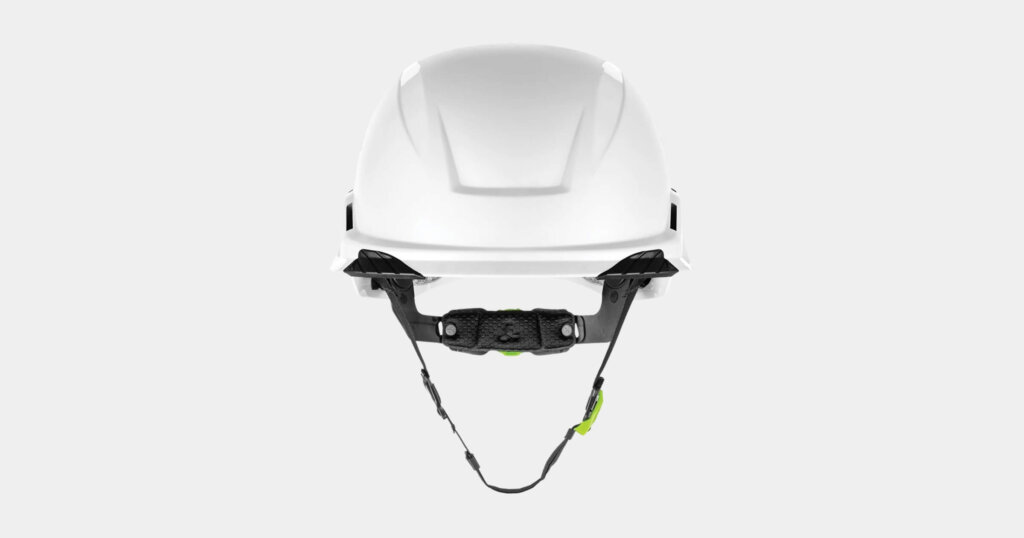
10. Lift Radix → STAR score: 95.83 → 4 stars
Key features
- Type II helmet with compact brim for reduced snag risk
- Liner and shell design tuned to limit rotational acceleration
- Suspension system maintains helmet position under oblique drops
- Mid-500 g weight range consistent with other high-performing Type II models
- Lower-profile design preferred for confined or equipment-heavy work areas
The standard Lift Radix helmet, without the full-brim extension, delivers the same Type II construction focused on oblique impact performance. VT’s results show that its shell and liner combination reduce side-impact forces more efficiently than many basic vertical-impact helmets. Its lower profile compared to the Full Brim variant may appeal to contractors working in tight spaces or around equipment where snag risk is a concern. The suspension system locks the helmet in place under load, which VT repeatedly notes is a major factor in keeping STAR values down. With a weight reading in line with typical mid-500 g helmets, the standard Radix splits the difference between coverage and maneuverability while still staying within the safer tier of Type II options.
What to consider before buying a hard hat
Define your primary use case
If you do a lot of work at height, in frames, on scaffolds, or in places where falls or angled strikes are possible, favor Type II helmets. For strictly top-impact risk environments, acceptable Type I helmets may still be used; however, VT’s tests show that Type II helmets offer significantly better protection in oblique falls.
Assess safety requirements and standard compliance
Check ANSI/ISEA Z89.1 class (C/E/G) and the Type (I vs II). Class ratings tell you what electrical protection is present; Type indicates where impacts are defended. VT’s STAR ratings are complementary to ANSI tests; they don’t replace required compliance.
Fit and retention matter more than the shell brand alone
VT’s data underline that a secure fit and a well-designed suspension or chin strap keep the helmet aligned during an impact, reducing rotational transfer. Try on the helmet with the accessories you’ll use (ear muffs, headlamp) to ensure the fit remains stable.
Weight versus comfort trade-off
Heavier helmets can feel more protective, but they can also cause neck fatigue. VT’s listings report the tested weights; compare those numbers if you do long shifts and value comfort.
Accessory compatibility and visibility
If you need headlamps, face shields, or earmuff mounts, choose helmets with integrated mounting points. Also consider brim style (full brim vs. cap) for sun and splash protection versus close-quarters work.
Final thoughts
Virginia Tech’s construction helmet ratings represent a significant step forward in on-site safety decision-making. The lab’s data clearly favor Type II helmets with interior energy-absorbing liners for oblique falls, which are common in jobsite incidents. If you’re buying a helmet for tradespeople, such as framers, roofers, electricians, or concrete workers, prioritize the VT five-star models or any 4– or 5–star helmets that VT recommends. Always pair a high-performing helmet with a correct fit, a reliable chin strap, and the right accessories for the job.
Read more about hard hat safety with our gear guides, such as the best construction hard hats, why are lift hard hats so expensive, and is your hard hat a relic.
To keep up-to-date on safety trends in the construction industry, subscribe to Under the Hard Hat’s newsletter for updates—we publish reviews and gear picks built specifically for people who work in the industry.