
Construction sites around the world produce massive amounts of waste, from concrete and wood to metal and drywall. With landfills filling up and material costs rising, builders and contractors are turning to recycling to cut waste and save money. This article looks at how recycling is changing construction waste management, the materials that can be reused, and the practices helping create a cleaner, more sustainable industry.
Quick look
- Construction creates nearly one-third of global waste, but smarter recycling practices are cutting that number fast.
- From concrete and metal recovery to wood reuse, circular construction is changing how materials are managed.
- Rising landfill costs, LEED incentives, and new regulations are pushing builders toward greener building practices.
- Companies that prioritize recycling are saving money, reducing emissions, and building stronger reputations.
What is construction waste recycling?
Construction and demolition (C&D) projects leave behind a lot of leftover material once the work is done. Think about all the concrete, metal, wood, glass, and drywall that come from building, renovating, or tearing something down. Instead of sending all that waste to landfills, more builders are finding practical ways to reuse and recycle it, giving those materials a new purpose.
On a construction site, recycling can take many forms. Some materials are simply reused, such as bricks, beams, or lumber that can be pulled from one project and used in another. Other materials need a bit more work. Concrete and asphalt, for instance, are often crushed or milled to create new roadbeds, driveways, or foundations. There’s also material recovery, which focuses on separating valuable resources such as metals and gypsum for reuse in manufacturing.
Some of the most commonly recycled materials include:
- Concrete and asphalt, which can be crushed and reused for new pavement or building foundations.
- Wood is often repurposed for furniture, mulch, or renewable fuel.
- Metals such as steel and copper have high recovery and resale value.
- Drywall, where gypsum can be reclaimed and formed into new boards.
- Glass, which can be reprocessed into insulation or new glass products.
These kinds of efforts are part of a broader shift toward circular construction and waste, where materials stay in use rather than being thrown away. The goal is to reduce the amount of waste sent to landfills and reuse more resources from one project to the next. When builders look at leftover materials as something that can be built with again, job sites become cleaner, smarter, and more sustainable in the long run.
Deconstruction vs demolition: Which one is better?
When a building has reached the point where it needs to come down, crews usually have two choices for how to do it. One option is demolition, the faster and more familiar method that relies on heavy equipment to knock down structures and cart the debris away. The other is deconstruction, a slower, more deliberate approach that focuses on taking a building apart piece by piece so materials can be saved and reused.
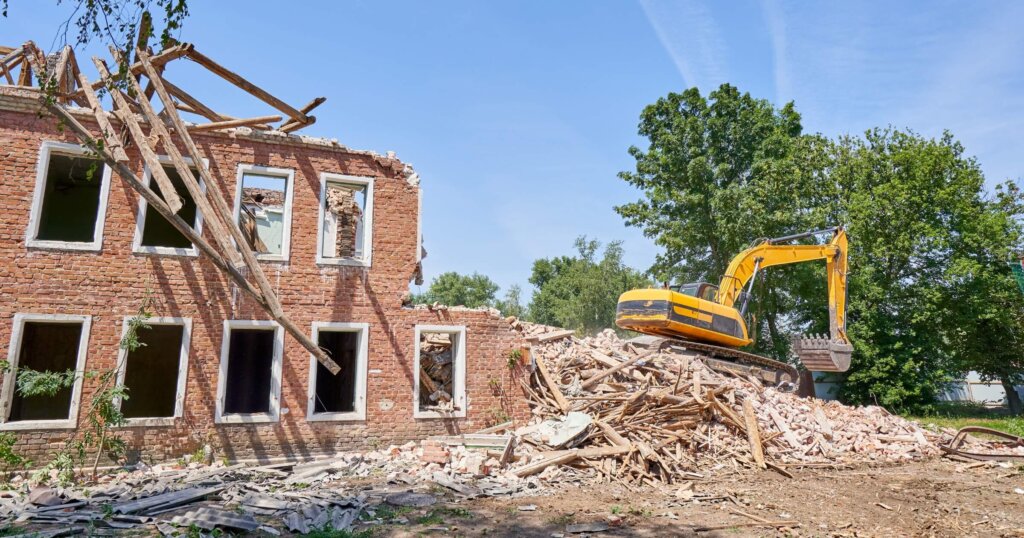
Demolition of an apartment building. Photo courtesy of Shutterstock.
While demolition may be quicker, deconstruction has a much greater impact on waste reduction. By salvaging materials instead of crushing them, crews can recycle or repurpose up to 90% of a structure’s components. This keeps usable materials out of landfills and saves the energy that would have been used to produce new ones.
As construction practices evolve alongside growing sustainability goals, more contractors are rethinking how they handle end-of-life structures in response to waste trends in 2025. Deconstruction supports a circular approach to building—one in which every beam, panel, and fixture can play a role in future projects. It creates jobs, reduces waste, and helps the industry move toward a system that values resources rather than discards them.
Why does construction waste recycling matter?
Building and demolition projects generate massive amounts of debris, much of which ends up in landfills. By finding ways to reuse or repurpose materials, builders can cut that waste, lower embodied carbon, and conserve the raw materials needed for future projects. It’s one of the most effective ways to reduce the industry’s overall environmental footprint while protecting the planet’s limited resources.
There’s also a strong financial case for recycling. Landfill tipping fees are climbing in many regions, making disposal more expensive than ever. When crews reuse materials like metal, concrete, or wood, they save on hauling costs and often reduce the need to buy new supplies. Over time, those savings can make a real difference in project budgets and profitability.
Regulations and green building standards are another major factor driving this shift. In many cities, builders are now required to keep a set amount of waste out of landfills. Green building programs such as LEED and BREEAM also give credit to projects that focus on recycling and better use of materials. Because of these rules and incentives, more companies are including recycling plans right from the start, leading to cleaner, more efficient, and more responsible job sites.
Across the industry, this focus on recycling is helping create a stronger foundation for sustainable growth, where innovation, cost savings, and environmental responsibility all work hand in hand.
Benefits of recycling in construction
Environmental benefits
Recycling on construction sites makes a real difference for the environment. Each time a load of materials is reused instead of thrown away, there’s less waste filling up landfills and fewer harmful gases being released. It also helps keep valuable resources such as steel, wood, and stone in use longer, which means less energy is spent pulling new materials from the ground.
Recycling also supports the use of low-carbon and renewable materials, helping lower the overall carbon footprint of construction materials. By using recycled concrete, reclaimed wood, and repurposed steel, builders can significantly cut embodied carbon across a project’s lifecycle. These efforts add up—less energy spent producing new materials means fewer emissions released into the atmosphere.
As new technology becomes more common and people pay closer attention to sustainability, more builders are choosing to recycle because it makes sense. It is no longer only about meeting regulations, but about working in a cleaner, smarter, and better-for-the-planet way. Every small change helps move the industry toward a more sustainable future.
Economic benefits
Recycling can have a real impact on a project’s budget. When crews reuse materials such as concrete, steel, or wood, they spend less on new supplies. It also helps cut down on hauling and landfill costs, which continue to increase in many regions. Even small steps, like sorting materials on site, can add up to big savings over time.
Beyond direct cost reductions, recycling also creates new economic opportunities. As demand for material recovery and reprocessing grows, more jobs are being created in recycling facilities, logistics, and manufacturing. These roles strengthen local economies while helping the construction industry operate more efficiently and sustainably.
Social and reputational benefits
More clients and communities want to work with builders who take sustainability seriously. When a company has a clear recycling plan, it shows that they care about quality, responsibility, and the long-term impact of their work. These practices also support broader corporate sustainability goals, helping companies meet internal benchmarks and industry standards.
Examples of recycling practices in construction
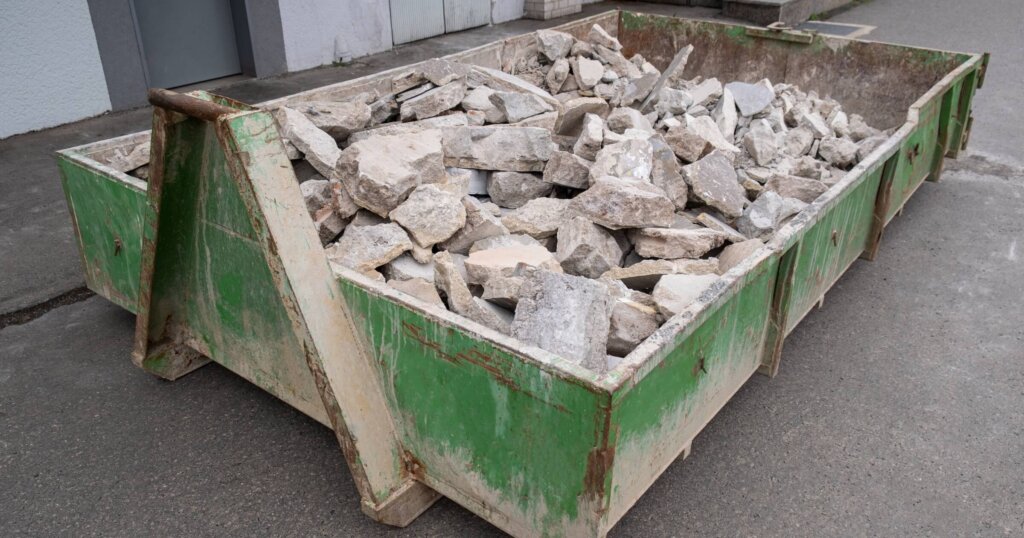
Photo of broken concrete from construction being recycled. Courtesy of Shutterstock.
Concrete and asphalt recycling
Concrete and asphalt are two of the most recycled materials in the construction industry. Instead of being dumped, they’re often crushed onsite using portable crushers to create reclaimed aggregate. This recycled material can then be used for new roadbeds, parking lots, and building foundations. It saves money on transportation and disposal, reduces demand for new aggregate, and reduces the carbon footprint associated with material production.
Metal recovery
Metals such as steel, aluminum, and copper are among the most valuable materials in construction waste. They can be melted, reshaped, and reused again and again without losing strength or quality, making them a smart choice for sustainable building.
The recovery rates for these materials are high, and the resale value provides contractors with a strong financial incentive to recycle rather than discard them. Metal recycling also reduces the need for energy-intensive mining and processing of virgin ore, thereby lowering emissions and conserving natural resources.
Wood and drywall reuse
Wood waste from framing, pallets, or demolition can be chipped for mulch, turned into biofuel, or reused in new products. Salvaged wood beams and panels are especially popular in remodeling projects, where they add both character and sustainability. Drywall can also be broken down so its gypsum core is reused in new boards, helping reduce waste from one of the most common materials on a job site.
These innovations, along with advances in construction materials, show how recycling is reshaping the building process. By giving materials a second life, the industry is cutting waste, saving money, and moving closer to truly sustainable construction.
Best practices for construction waste recycling
Plan recycling goals early in the project
Good recycling practices begin well before any work starts on site. Setting clear goals during the planning stage helps everyone understand the project’s sustainability goals. When those goals are written into the project plans and contracts, it becomes easier to keep crews and subcontractors focused on reducing waste and keeping materials out of landfills.
Train crews on sorting and contamination prevention
Even the best plan will fail if people on site are not trained. Crews need to know what goes where and how to keep recyclables clean. Small habits can make a big difference, such as labeling bins clearly, using colors to show what belongs where, and giving short talks about sorting. When everyone understands the system, less gets thrown out by mistake, and more materials can be reused.
Partner with local recycling facilities
Strong partnerships are key to maintaining efficient, cost-effective recycling efforts. Working with local recyclers and material processors makes it easier to identify what can be reused and where it can go. These relationships can also uncover new opportunities, such as selling reclaimed metals or reusing crushed concrete for future projects.
In many regions, adopting these practices has become essential for companies facing the biggest challenges in the construction industry, including rising disposal costs and tighter environmental regulations. By building recycling into every stage of a project, contractors can cut waste, save money, and strengthen their commitment to sustainable construction.
Bottom line
Recycling is reshaping the way the construction industry handles waste. When builders reuse materials and cut back on what ends up in landfills, they lower emissions and make projects more efficient. Every piece that gets recycled, from a concrete slab to a wood panel, helps move the industry closer to a system where nothing is wasted and every resource has value.
Join the movement toward greener construction. Subscribe to our newsletter for the latest sustainability insights and innovations shaping the future of building.