
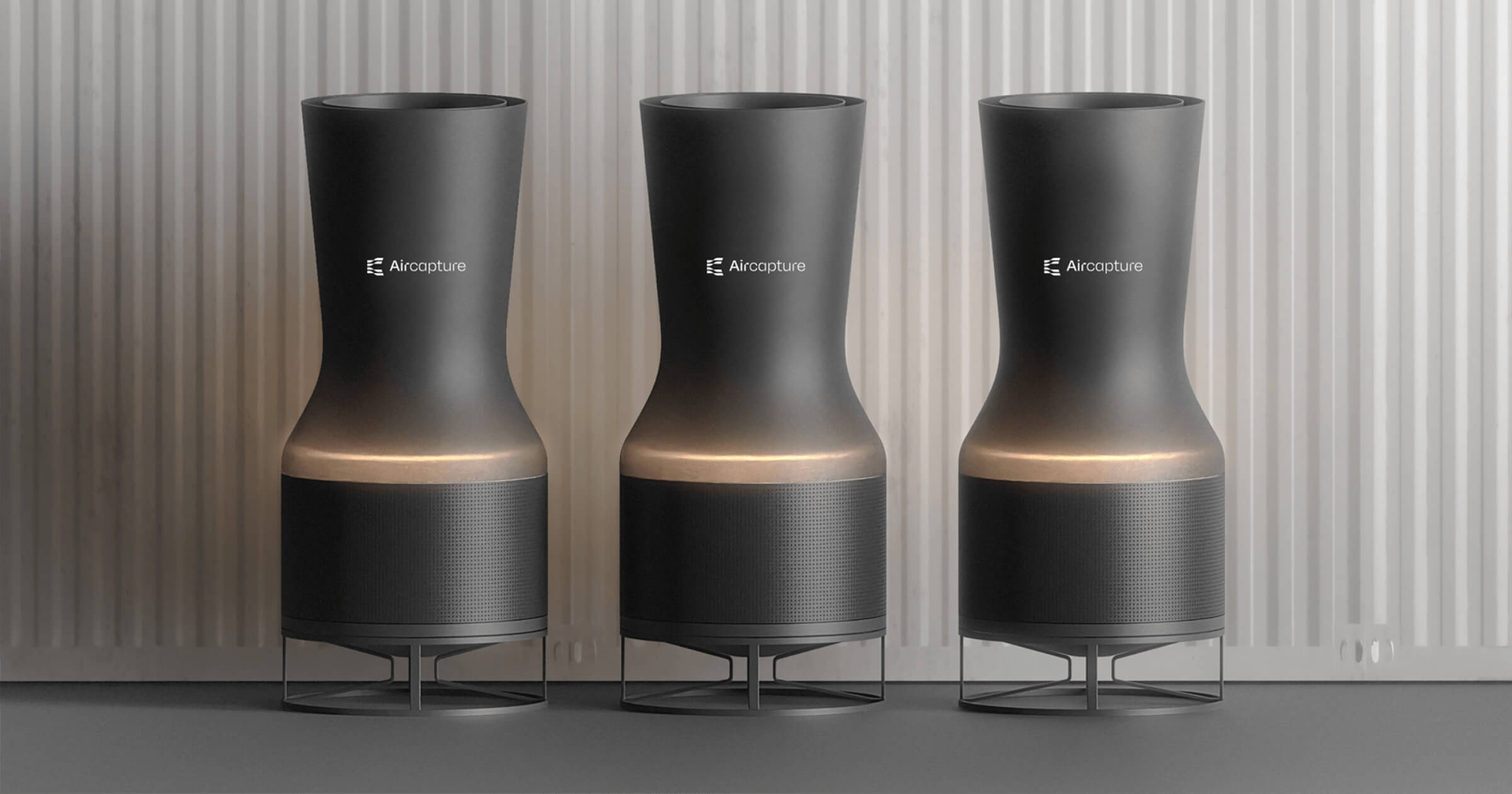
Aircapture has launched its first commercial direct air capture (DAC) system in Japan. The system was installed at Aizawa Concrete’s research center in Fukushima, where it pulls carbon dioxide (CO₂) from the air and uses it in concrete production. This project shows how clean technologies can be built right into everyday construction work.
At Aizawa’s RDM Center in Namie, the captured CO₂ is mixed into wastewater from concrete making. That chemical reaction turns the carbon into calcium carbonate, a solid material that can be reused in new concrete. Japan often struggles with limited supplies of industrial-grade CO₂, so on-site capture provides Aizawa with a reliable, low-carbon source while helping reduce emissions from the construction process.
Based in California, Aircapture builds modular DAC units that can fit into small spaces and run on renewable power. Because the units are portable and easy to set up, companies can use them at their own factories rather than rely on large, centralized plants. This flexibility makes it easier for manufacturers to start lowering emissions right where materials are made.
This is Aircapture’s first commercial project in Asia and part of Aizawa’s broader aNET ZERO Initiative, launched in 2022. The program brings together Japanese concrete makers to find cleaner ways to produce building materials and move toward carbon neutrality. Working together, Aircapture and Aizawa are tackling two major problems: reducing concrete’s pollution and securing a steady CO₂ supply for industrial use.
By turning captured carbon into a useful ingredient for concrete, the project links carbon removal directly to production. Aircapture’s founder and CEO, Matt Atwood, said, “Japan has always been at the forefront of industrial innovation, and Aizawa shares our vision to transform the industry. This partnership demonstrates how DAC can seamlessly integrate into existing manufacturing processes while creating permanent carbon sequestration.”
In practical terms, this new system means less reliance on CO₂ shipments, fewer transport emissions, and lower costs. It also locks captured carbon inside concrete for decades, turning a harmful gas into part of the solution.
Aircapture hopes this project will serve as a model for other industries such as steel, glass, and chemicals. If carbon capture systems can be added to factories and plants across different sectors, large-scale carbon removal could become easier and faster.
As Aircapture expands into new regions, the Fukushima installation demonstrates that carbon removal can move from the lab to real construction sites. It turns CO₂ into a building block for a cleaner future.
Subscribe to our newsletter to stay updated on the latest news in carbon capture, green construction, and sustainable innovation.