

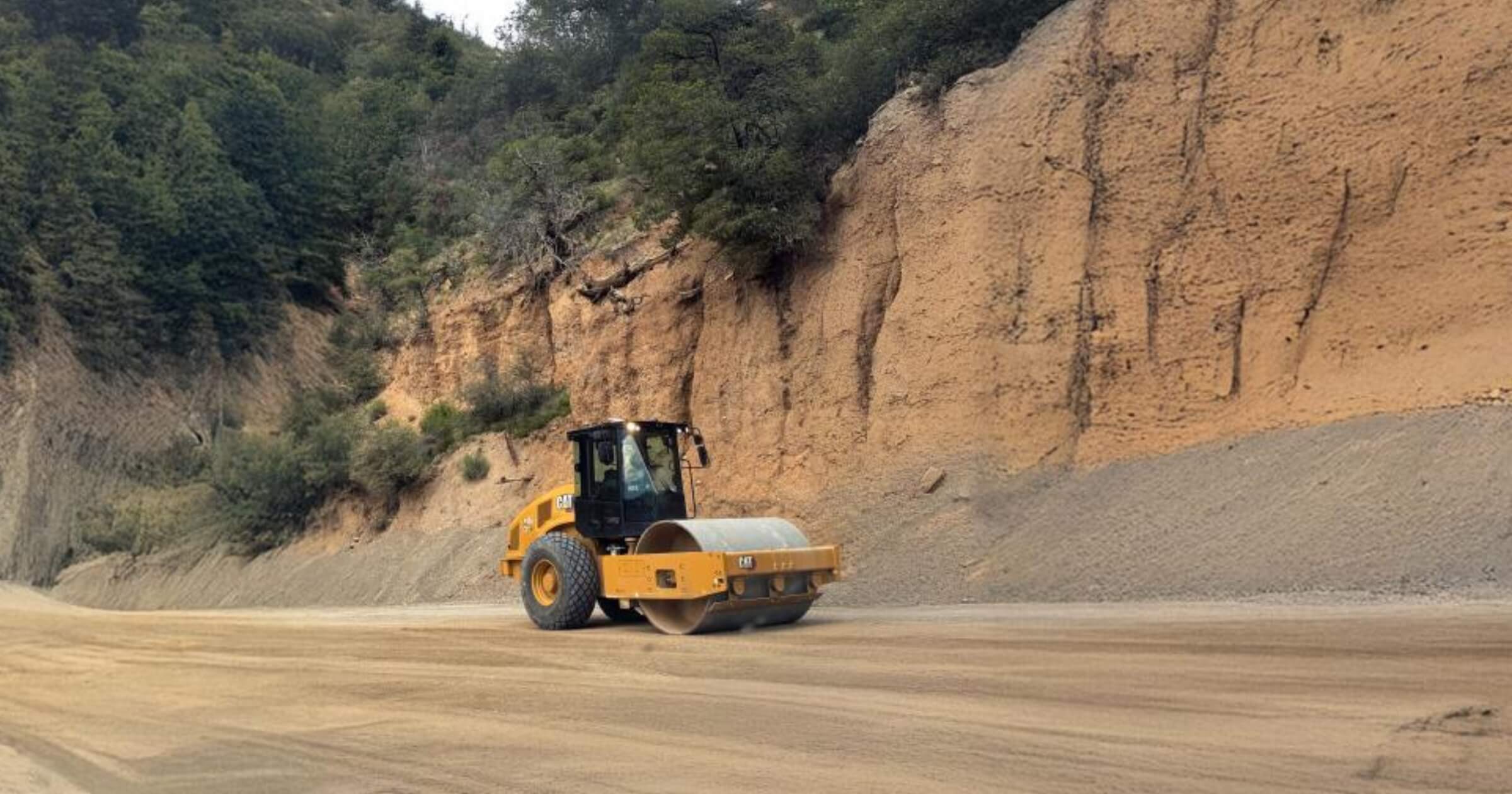
Contractors in the U.S. are starting to use autonomous construction equipment right on their jobsites. Granite Construction, for example, has deployed machines retrofitted with Blue Light systems in Arizona and New Mexico to help with rolling and grading tasks. This moves the needle in how earthmoving, hauling, and grading work are done, offering more safety and flexibility.
Granite says that rolling tasks are perfect for this kind of automation. A roller machine that just moves back and forth across earth can be operated remotely. Granite found that by freeing its skilled operators from repetitive roller work, those workers can instead focus on more critical tasks like hauling or machine work that demands judgment.
Aaron McClellan, a construction technology manager at Granite, explains that the transition to use autonomous construction equipment was faster than expected. “A lot of the dashboard that exists in the cabs of the machines is also brought to either the tablets or the seats that they sit in,” he said. “That way, it replicates what they’re used to, and that helps bridge the gap between how fast it allows them to transition to a remote or a supervised role.”
The benefits are clear: safer work zones (operators aren’t sitting inside machines in risky spots), more efficient staff use, and the possibility of one operator supervising multiple machines.
Granite also emphasizes that worker buy-in matters and that autonomy is not about replacing people but about letting operators do higher-value work and potentially extending their careers. “As long as the messaging is about the safety and the efficiency, and you’re extending the tenure of some of these operators that may be seeing retirement on the horizon,” McClellan said. “It allows them to expand that tenure to maybe even past the dates that they had kind of anticipated for themselves based on physical limitations.”
How autonomous machines improve earthmoving, hauling, and grading
1. Earthmoving (excavation, dozing, fill work)
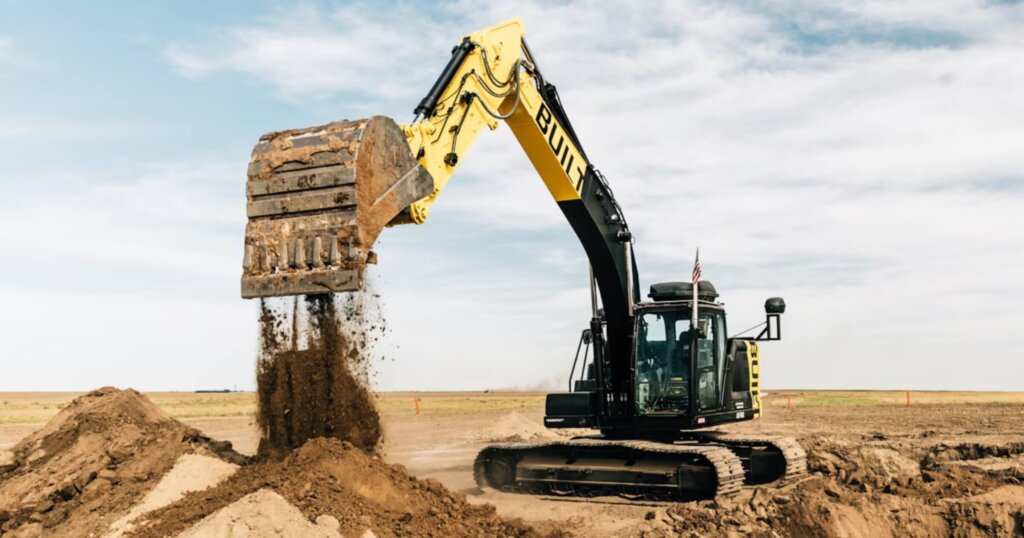
Autonomous or semi-autonomous excavators and dozers are equipped with sensors, GPS, and control systems. They can execute planned movements, dig to spec, and repeat tasks with consistency. Contractors may start with remote guidance or supervision, moving gradually to full autonomy once trust and safety checks are established. The goal is to reduce operator fatigue, minimize errors, and optimize fill balance.
2. Hauling (dump trucks, material transport)
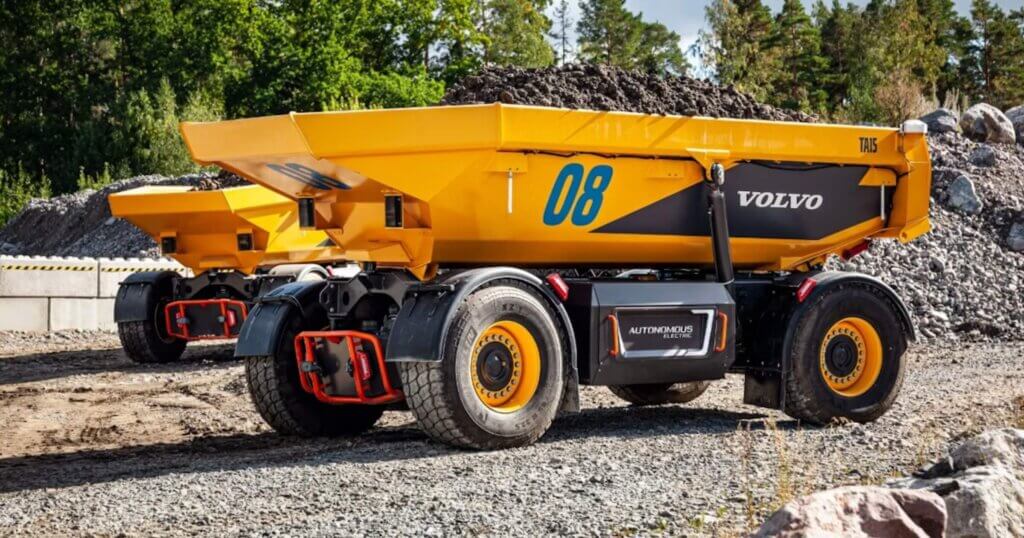
Hauling is a logical area for autonomy because routes are often predictable (from a pit to a dump zone). Some contractors are employing driverless haul trucks in mines and quarry operations. On construction sites, a hybrid model may arise: human drivers for tricky maneuvers, autonomous or semi-autonomous trucks for bulk material moves along defined paths. This reduces travel downtime and smooths traffic flows on the site.
3. Grading (rollers, finish graders, paving)
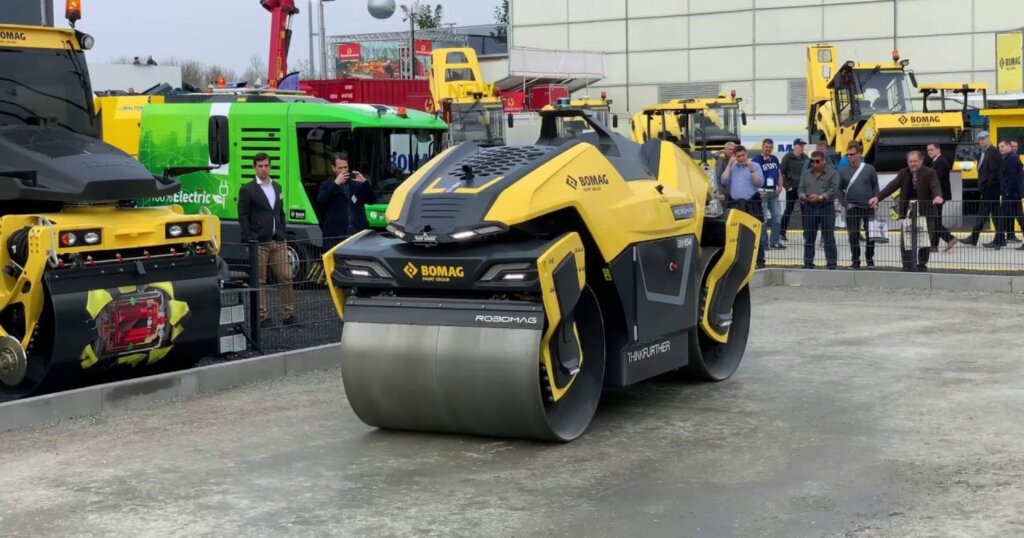
This is where Granite’s example is especially relevant. Rolling, striping, and fine grading tasks are repetitive and precise—ideal for autonomous systems. Retrofit kits like Bluelight let standard machines function more autonomously. Using sensors and control logic, autonomous rollers maintain even compaction and consistent passes. Finish graders can autonomously adjust blade height, slope, and surface smoothness, with human oversight or intervention when needed.
For now, contractors are starting with supervised autonomy: humans retain ultimate control and can override or adjust settings. As trust builds over time, they may shift to more autonomous modes. As retrofit kits, sensors, software, and trust mature, earthmoving, hauling, and grading will become more autonomous across many projects. This shift in using autonomous construction equipment in the U.S. could ultimately lead to increased productivity across many public sectors and make infrastructure development a lot cheaper.
If you enjoyed this article and want more insights into construction tech and innovation, subscribe to our newsletter to stay in the loop.



1 comment