

If you’re a tradesperson looking to boost your energy without the jitters or caffeine crash, it’s time to explore coffee alternatives. Drinking coffee can cause restlessness and disrupt sleep, especially for those sensitive to caffeine. Fortunately, there are numerous caffeine-free coffee substitutes that provide a steady energy boost and offer additional health benefits. Whether you’re working on construction sites, in engineering, or in architecture, these coffee alternatives can help you stay alert and focused throughout the day.
8 best coffee alternatives to consider when making a switch
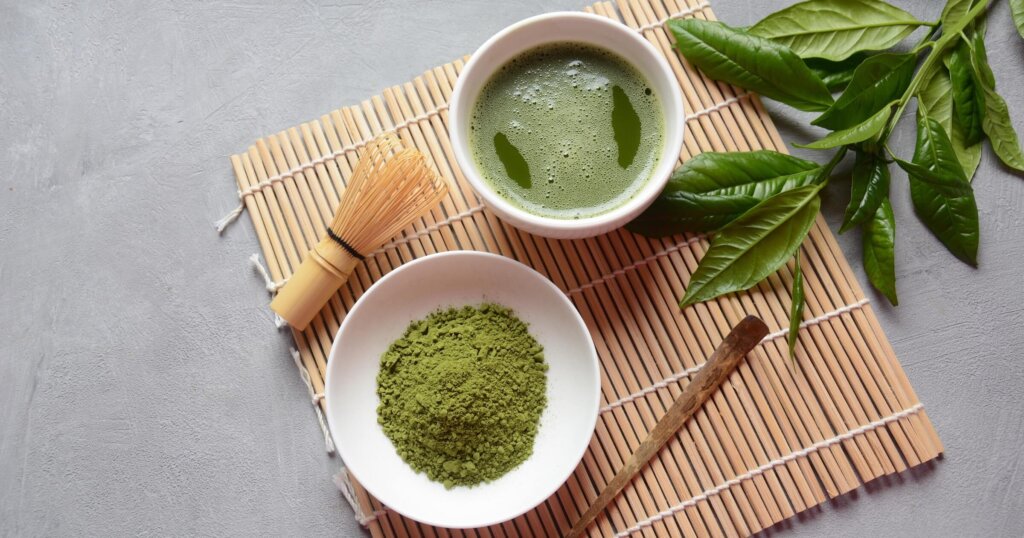
1. Matcha tea – for sustained energy and focus
| What we love | Things to consider |
| – Rich in antioxidants, most especially catechins – Contains L-theanine, an amino acid that induces calmness and focus – Can be enjoyed in hot or iced form | – May have a grassy flavor that some find acquired – Higher cost compared to regular tea |
Matcha is a fine green tea powder cultivated uniquely. Unlike regular green tea, where the leaves are steeped and then discarded, with matcha, one consumes the entire leaf (ground), which maximizes health benefits. The presence of L-theanine in matcha contributes to a tranquil state of alertness and is especially well-suited for tasks that demand concentration. Many users reported more stability in their energy levels throughout the day, without experiencing the severe crashes that often follow coffee consumption.
Try these recipes:
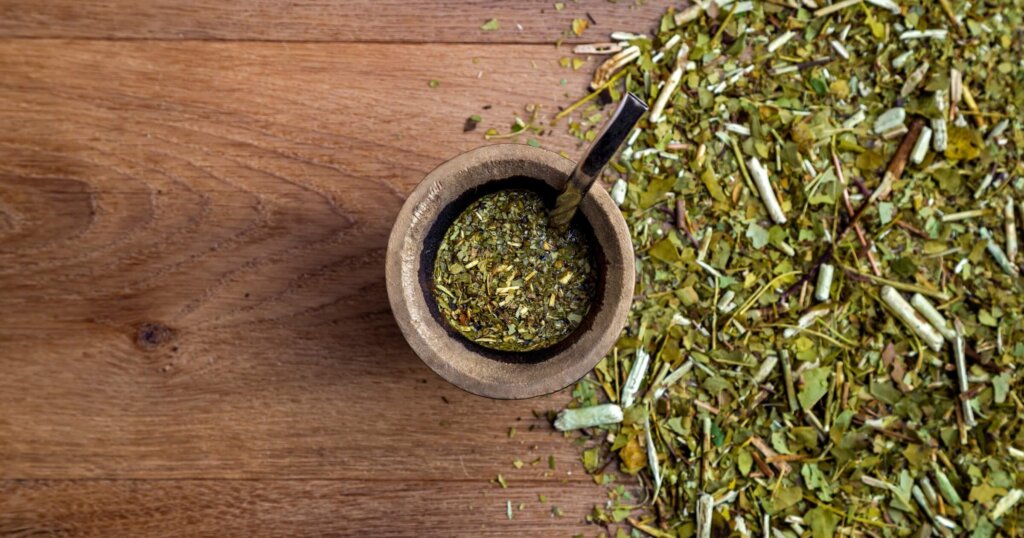
2. Yerba mate – for a balanced energy lift
| What we love | Things to consider |
| – Provides smooth, balanced energy like coffee, but not so aggressive – Rich in vitamins and minerals, promoting healthiness – Offers a peculiarly earthy flavor that’s invigorating and satisfying – A traditional drink from South America | – May have a bitter taste that requires some getting used to – Not suitable for those sensitive to caffeine |
Yerba mate has deep roots in South American culture, brewed from the dried leaves of the Ilex paraguariensis plant. It naturally contains caffeine along with theobromine—the same compound found in chocolate—which, together, create a steady, focused kind of energy. Many people say it keeps them alert and clear-headed like coffee does, but without the crash or jitters that can come with a stronger brew.
Try these recipes:
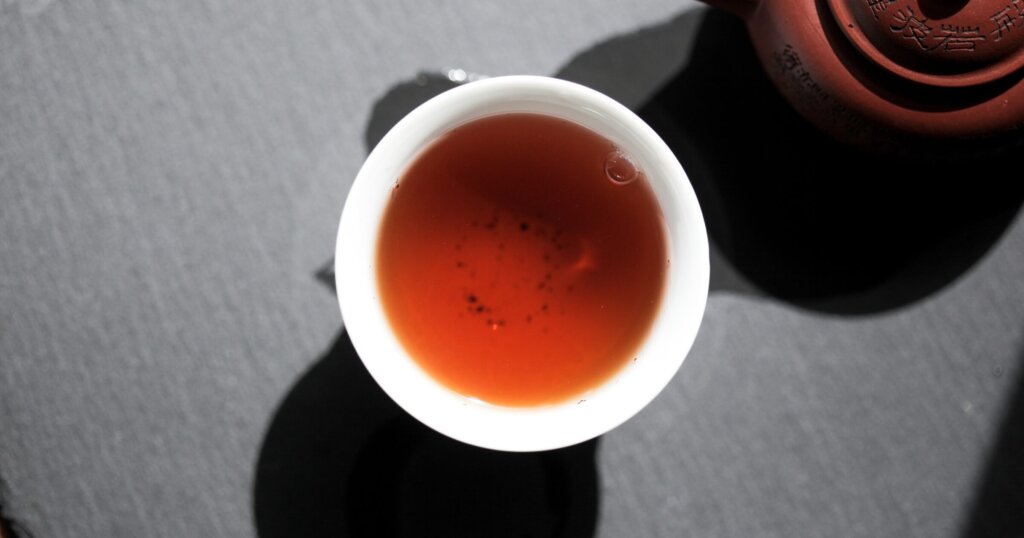
3. Chai tea – for a spicy, comforting alternative
| What we love | Things to consider |
| – Combines black tea with a blend of spices like cinnamon, cardamom, and ginger – Offers a moderate caffeine content for a gentle energy boost – Spices provide additional health benefits, such as anti-inflammatory properties – Can be enjoyed hot or iced, with or without milk | – Contains caffeine; not suitable for those avoiding stimulants – Flavor may be too spicy for some palates |
Chai tea is a spiced tea originating from India, traditionally made by brewing black tea with a mixture of spices and herbs. The combination of spices enhances flavor and provides numerous health benefits, including improved digestion and reduced inflammation. When prepared with milk, chai tea becomes a creamy and comforting beverage that can serve as a satisfying alternative to coffee.
Try these recipes:
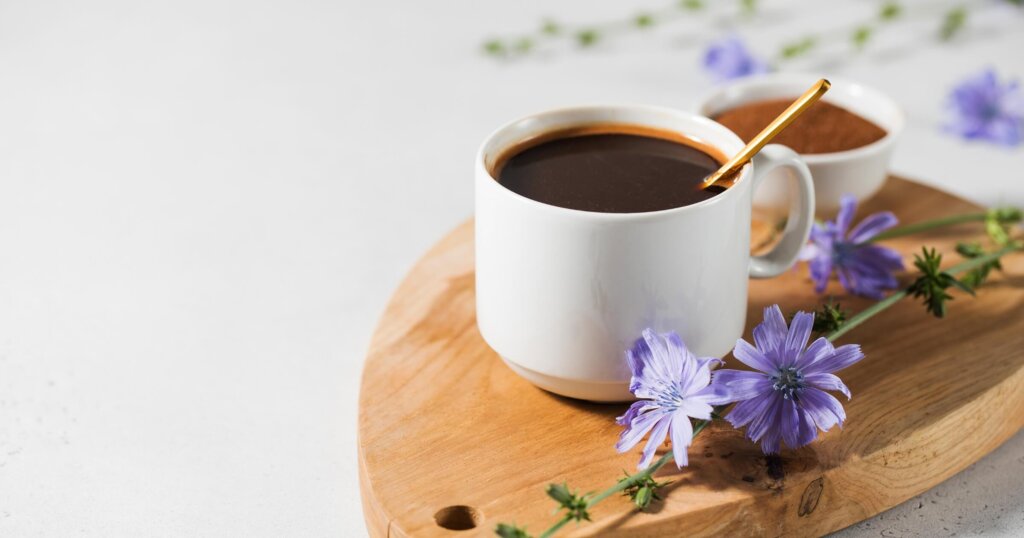
4. Chicory coffee – for a rich, coffee-like experience
| What we love | Things to consider |
| – Made from roasted chicory root, offering a flavor similar to coffee – Contains inulin, a prebiotic fiber that supports gut health – Can be brewed like regular coffee, making it easy to incorporate into daily routines | – Flavor may be slightly different from traditional coffee – May require some adjustment period for those accustomed to the taste of coffee |
Chicory coffee is a coffee substitute that is made by roasting and grinding chicory root. The resulting beverage has a deep, rich flavor similar to traditional coffee, but without the caffeine. Chicory coffee is often used in New Orleans-style coffee blends and can be enjoyed black or with milk and sweetener.
Try these recipes:
5. Mushroom coffee – for enhanced focus and reduced stress

| What we love | Things to consider |
| – Blends traditional coffee with powdered extracts from functional mushrooms – Mushrooms are chosen for potential benefits such as enhanced focus, energy, immune support, and stress relief – Typically contains less caffeine than standard coffee, averaging 40-60 mg per serving | – Taste may be earthy and not to everyone’s liking – Scientific evidence supporting significant health benefits is limited and based mainly on animal studies |
This is the modernist take on your morning cup: ground coffee mixed with extracts from functional mushrooms. Lion’s mane and cordyceps are among the varieties frequently used for their potential to aid focus, energy, and immune health. Mushroom coffee typically contains less caffeine than regular coffee, which makes the energy feel smoother and less jarring on the nerves—no shaky hands or midday crash.
Try these recipes:
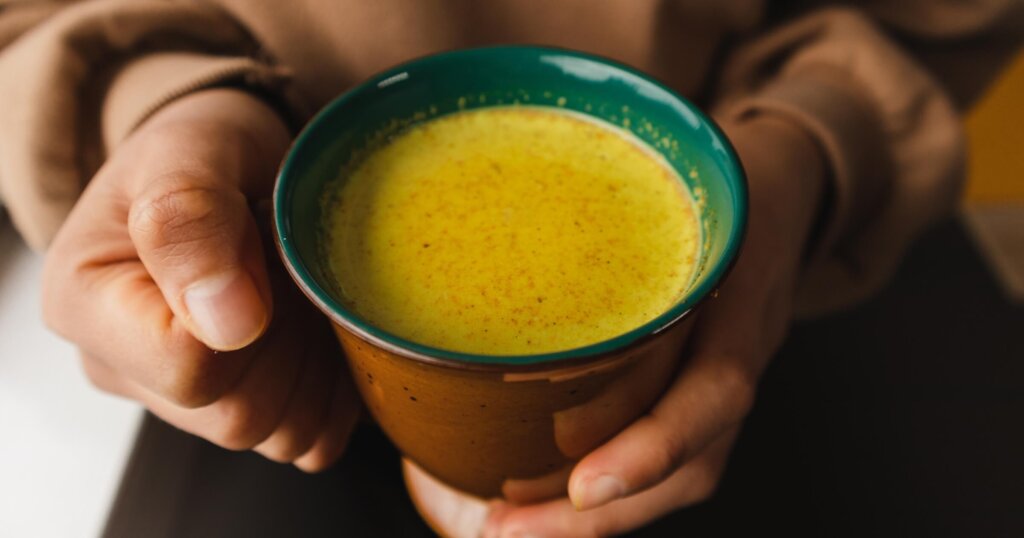
6. Golden milk – for anti-inflammatory benefits
| What we love | Things to consider |
| – Made with turmeric, ginger, and other spices, offering anti-inflammatory properties – Suitable for evening consumption as it is caffeine-free – Provides a warm, comforting beverage option – Can be customized with plant-based milks and sweeteners | – Flavor may be unfamiliar to those not accustomed to turmeric – Requires preparation time to brew the spices |
Golden milk, also known as turmeric latte, is a hot drink made with turmeric, ginger, and other spices. Turmeric, owing to its anti-inflammatory characteristics, is a popular spice used for treating and improving overall health. Golden milk is naturally caffeine-free, making it perfect for evening consumption, which may promote comfortable relaxation and restful sleep.
Try these recipes:
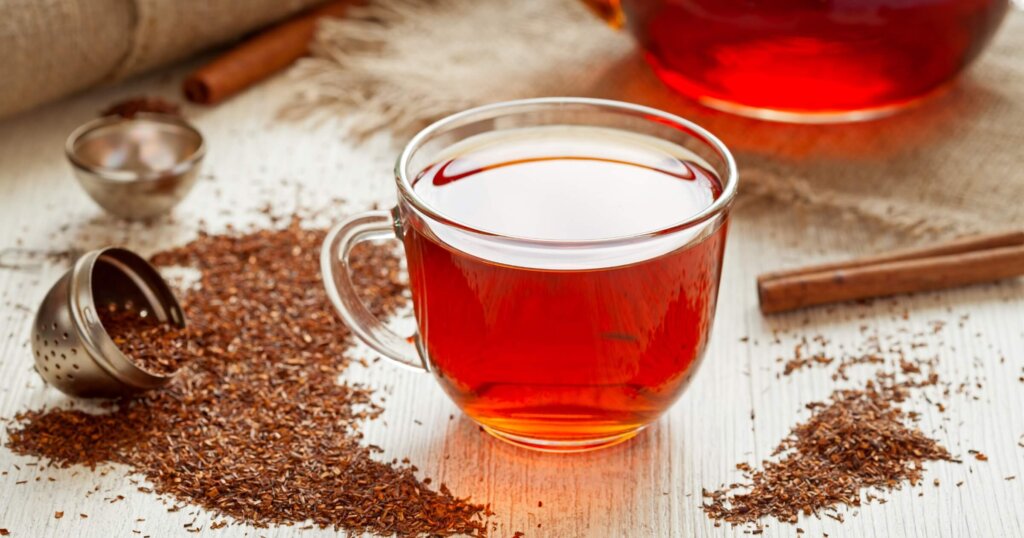
7. Rooibos tea – for a naturally caffeine-free option
| What we love | Things to consider |
| – Naturally caffeine-free, making it ideal for those avoiding stimulants – Rich in antioxidants, supporting overall health – Offers a sweet, nutty flavor without added sugar | – Flavor may be too mild for those accustomed to strong coffee – Limited availability of some rooibos blends compared to standard teas |
Naturally caffeine-free, this herbal tea, originating in South Africa, is rich in antioxidants that support heart health and overall well-being. Its naturally sweet, nutty flavor makes it a satisfying coffee alternative, especially for tradespeople seeking a reduced caffeine option. Rooibos can be brewed hot or iced; either way, it makes for a nice alternative to coffee without the jitters.
Try these recipes:
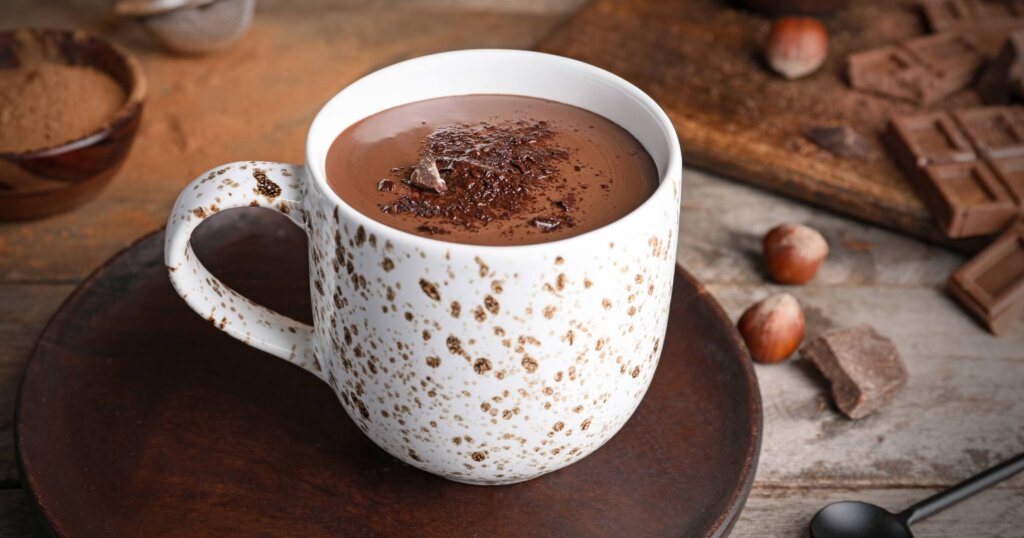
8. Hot chocolate – for an indulgent caffeine-free option
| What we love | Things to consider |
| – Gives a gentle energy lift even without caffeine when made with cacao – Packed with antioxidants and flavonoids from real cacao – Warm and comforting, a sweet drink you can enjoy any time of day – Simple to customize with milk, sweeteners, or a dash of spices | – Store-bought mixes may contain high sugar content – Not as energizing as tea-based alternatives, better for a soothing drink- Can boost energy is drank in the evening |
Hot chocolate is a classic, lower-caffeine (or caffeine-free if not using real cacao) beverage that delivers comfort and mild energy through natural compounds in cacao. When made with unsweetened cacao powder, it contains antioxidants and flavonoids, making it a healthier alternative to coffee. For tradespeople seeking an evening drink or a midday pick-me-up without the jitters, hot chocolate can be a satisfying alternative to coffee. That said, be mindful that using raw cacao could provide a small boost in energy, so avoid drinking hot chocolate too late in the day.
Try these recipes:
What to consider before buying alternatives to coffee
When picking a coffee alternative, it helps to think about a few key factors:
- Caffeine sensitivity: Everyone reacts differently to caffeine. If you find that coffee leaves you jittery, with a racing heart, or keeps you up at night, a caffeine-free option like rooibos or hot chocolate could be a better choice. Drinks that contain some caffeine, such as green tea or yerba mate, tend to provide a smoother, more even energy boost without the harsh spike that strong coffee can cause.
- Energy boost and duration: Consider how much energy you need and for how long. Some drinks, like matcha, release caffeine slowly and keep you alert for hours without the mid-day crash, while others, like black tea or yerba mate, give a quicker pick-me-up. Think about when and how you’ll be drinking it—whether it’s to start your morning, get through a long shift, or have a mid-afternoon lift.
- Flavor preferences: When choosing alternative drinks to coffee, consider your flavor preferences and the level of energy boost you need. Coffee alternatives can taste very different from one another. If you miss the rich, roasted flavor of coffee, consider trying chicory coffee or mushroom coffee as alternatives. For something sweeter and smoother, rooibos, hot chocolate, or a turmeric latte might be more enjoyable.
- Health benefits: Many coffee alternatives offer more than just a caffeine boost. Matcha and green tea are rich in antioxidants, turmeric lattes can help reduce inflammation, and chicory coffee contains inulin to support digestion. If you’re looking for a drink that will wake you up and give your body a boost, consider the benefits of each option.
- Convenience and preparation: Some beverages are quick and easy—instant mushroom coffee, ready-to-drink yerba mate, or a hot chocolate packet—while others require a bit more effort, like whisking matcha or brewing loose-leaf tea. Consider what fits into your schedule and whether you want something you can grab on the go or enjoy as a ritual.
If you’re looking to explore more caffeine-free or lower-caffeine drinks, check out these other guides:
For regular tips on health, nutrition, and staying energized on the job, subscribe to the Under the Hard Hat newsletter.