
When your heat pump stops heating or runs nonstop, it can quickly turn a cozy day into a cold one. Whether you’re a homeowner trying to stay warm or a renter managing your own system, knowing why your heat pump isn’t heating properly and how to fix it can save you time and money. In this guide, we’ll break down how heat pumps work, what causes them to fail, and which issues you can safely handle yourself before calling in a professional.
Quick look
- Learn how to fix a heat pump that’s blowing cold air, running nonstop, or freezing up, plus when to DIY and when to call in a pro.
- Use a simple 5-step guide to check thermostat settings, clean filters, inspect the outdoor unit, and safely reset your system.
- If you’re dealing with electrical smells, loud noises, or repeated icing, it’s time for a licensed HVAC technician.
- Regular maintenance, such as changing filters and clearing debri,s, helps extend your heat pump’s life and lower your energy bills.
What is a heat pump and how does it work?
A heat pump is an energy-efficient system that heats and cools your home by moving heat instead of creating it. It works by transferring warmth between the indoors and outdoors through a refrigerant cycle, similar to how a refrigerator works but in reverse. In winter, it absorbs heat from the outdoor air and brings it inside. In summer, it reverses direction, removing heat from your home to keep it cool.
This process uses four main steps: evaporation, compression, condensation, and expansion. During heating mode, the refrigerant absorbs outdoor heat and releases it inside through coils and a fan system. In cooling mode, the system switches using a reversing valve, releasing warm air outdoors and circulating cooler air inside.
The trick to keeping a heat pump running efficiently is regular maintenance. Dirty coils, clogged filters, or blocked airflow can reduce performance and increase energy costs. Changing filters every 1 to 3 months and keeping outdoor units free of debris (or snow) can extend the system’s lifespan and help prevent costly repairs.
Basic components of a heat pump
Every heat pump has a few key parts that work together to move heat between your home and the outdoors. Understanding what each one does can help you troubleshoot problems more confidently.
- Compressor: The heart of the system. It pressurizes and circulates the refrigerant between the indoor and outdoor coils, helping the heat pump move energy efficiently.
- Condenser coil: Located in the outdoor unit, the condenser coil releases heat during cooling mode. When the system runs in heating mode, it becomes the part that absorbs heat from the outside air.
- Evaporator coil: Found in the indoor unit, the evaporator coil absorbs heat from the air inside your home during cooling and releases it during heating.
- Reversing valve: This valve changes the direction of the refrigerant flow, allowing the heat pump to switch between heating and cooling modes. Without it, your system would only do one or the other.
- Thermostat: The thermostat acts as the system’s control center. It monitors indoor temperatures and tells the heat pump when to turn on or off to keep your space comfortable.
Why is my heat pump not heating? Common problems and how to identify them

Even a well-maintained heat pump can run into issues from time to time. Knowing what to look for can help you solve smaller problems before they become major repairs. Here are some of the most common heat pump troubles, what causes them, and how to recognize the warning signs.
System not turning on – power or thermostat issue
If your heat pump isn’t turning on at all, the problem could be as simple as a power or thermostat issue. Start by checking your circuit breaker to make sure it hasn’t tripped. A flipped breaker is a common cause of sudden shutdowns, especially after power surges or outages.
Next, check the power switches on both the indoor and outdoor units to ensure they’re in the “on” position. Some systems also have disconnect switches near the outdoor unit for safety purposes, so double-check those too.
If the power is fine, your thermostat might be the culprit. Verify that it’s set to “heat” mode and that the temperature is higher than the current room temperature. Replace the batteries if it’s not responding, and make sure the wiring and connections are secure.
If your system still doesn’t turn on after these steps, it may have an internal electrical issue or a failed capacitor, which should only be handled by a licensed HVAC technician.
Runs constantly – dirty filter, refrigerant leak, or thermostat miscalibration
If your heat pump seems to run constantly without reaching the right temperature, something is throwing off its balance. The most common cause is a dirty air filter. When airflow is restricted, your system works harder to move heat through the coils, leading to longer run times and higher energy bills. Replacing or cleaning the filter can often solve this issue.
Another possible cause is a refrigerant leak. Low refrigerant levels make it difficult for the system to transfer heat efficiently, forcing it to run continuously. You might notice weak airflow, uneven heating, or a hissing sound near the unit. This is not a DIY fix; refrigerant handling requires certification, so it’s best to contact a qualified technician.
A miscalibrated thermostat can also keep the heat pump running nonstop. If it’s reading the wrong temperature, it may signal the unit to stay on even when your home is already warm. Try recalibrating or replacing the thermostat if you suspect inaccurate readings.
Blowing cold air in heat mode – reversing valve or refrigerant problem
If your heat pump is blowing cold air when it should be heating, there’s likely a problem with the reversing valve or refrigerant levels. The reversing valve controls whether the system is in heating or cooling mode. If it gets stuck, the pump may continue running in cooling mode even when set to heat.
Low refrigerant can also cause this issue by reducing the system’s ability to absorb and transfer heat. Signs of low refrigerant include longer heating cycles, ice buildup on the coils, or hissing sounds from the lines. These problems require professional repair, since both the valve and refrigerant system involve pressurized components.
If this problem keeps coming back, schedule an inspection with a licensed technician to prevent long-term damage.
Icing or frost on coils – poor airflow or low refrigerant levels
If you notice a layer of ice or frost forming on your heat pump’s coils, it’s a clear sign that something isn’t working right. A small amount of frost during cold weather is normal, but heavy or recurring ice buildup points to poor airflow or low refrigerant levels.
Start by checking your air filter. A clogged or dirty filter restricts airflow and can cause the coils to get too cold, leading to freezing. Next, inspect the outdoor unit to make sure it’s not blocked by leaves, snow, or debris. Anything that limits air movement around the coils can throw off the system’s balance.
If airflow isn’t the issue, your system may have a refrigerant problem. When refrigerant levels are too low, the coils can’t absorb enough heat, which causes the moisture in the air to freeze on contact. You might also notice weaker airflow or hissing sounds from the lines.
In some cases, the system will enter a defrost cycle to melt the ice, but if the frost returns quickly or builds up again, call a qualified HVAC technician. Working with refrigerant requires special tools and certification, so it’s not something to handle on your own.
How to fix a heat pump: Step-by-step troubleshooting guide
If your heat pump isn’t working as it should, you can try a few simple troubleshooting steps before calling for service. These checks can often resolve minor issues that affect heating and cooling performance.
Step 1 – Check thermostat settings and power
Start with the basics. Make sure your thermostat is set to the correct mode (heat or cool) and that the temperature is a few degrees above or below the current room temperature, depending on the season. If the display is blank, replace the batteries. Next, check your home’s circuit breaker panel to confirm the breaker for your heat pump hasn’t tripped. Flip it off and back on if necessary, then see if the system restarts.
Step 2 – Inspect and clean air filters
Dirty filters are one of the most common reasons a heat pump struggles to heat or cool properly. Remove the air filter from the indoor unit and hold it up to a light. If you can’t see light through it, it’s time for a cleaning or replacement. Clean filters improve airflow, efficiency, and indoor air quality. Aim to clean or replace filters every one to three months, depending on your system and household conditions.
Step 3 – Examine outdoor unit
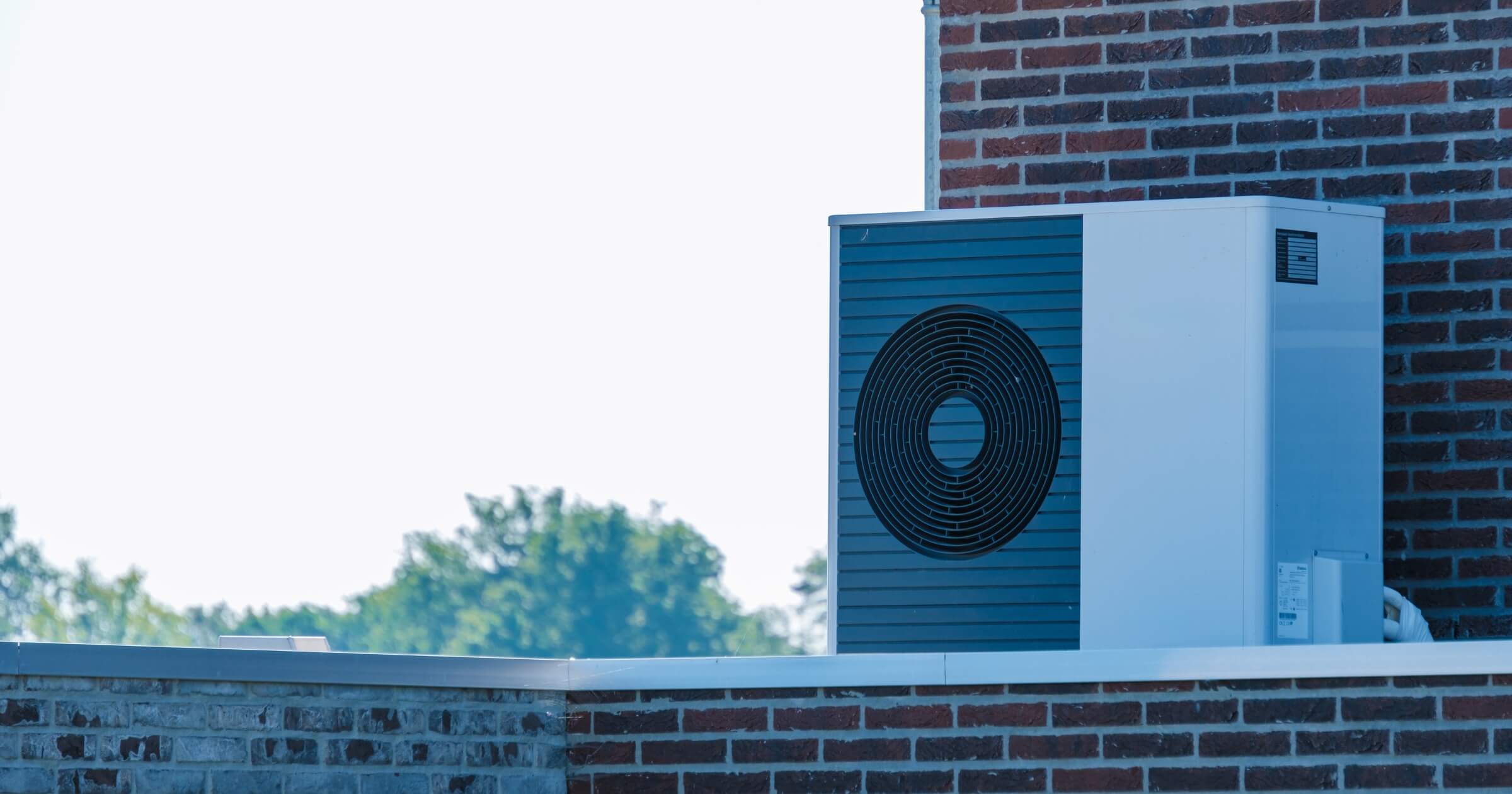
Head outside and take a look at the heat pump’s outdoor unit. Make sure it’s clear of leaves, snow, dirt, or other debris that can block airflow. Use a soft brush or cloth to gently clean off the fins and check that the fan blades spin freely. Also, inspect the area around the unit to ensure it has at least 2 feet of clearance on all sides for proper ventilation.
Step 4 – Reset system or check refrigerant lines
If your system still isn’t working, try resetting it. Turn off the power at the thermostat and breaker for about five minutes, then turn everything back on. This can clear some minor electrical faults. While the unit is off, look for visible signs of damage, such as ice buildup, oil stains, or worn insulation on refrigerant lines. If you see any of these, it may be time to call a professional since refrigerant issues require licensed repair.
Step 5 – Test system performance
Once everything is back on, set the thermostat to your preferred temperature and let the system run for a few minutes. Listen for unusual noises and check whether warm or cool air is flowing as expected. If the system reaches the desired temperature and cycles off normally, your troubleshooting likely worked. If not, or if issues return quickly, you’ll need an HVAC specialist to perform a full diagnostic check.
Keeping up with regular maintenance and learning how your system works can help you catch small problems early.
When to call a specialist to fix your heat pump
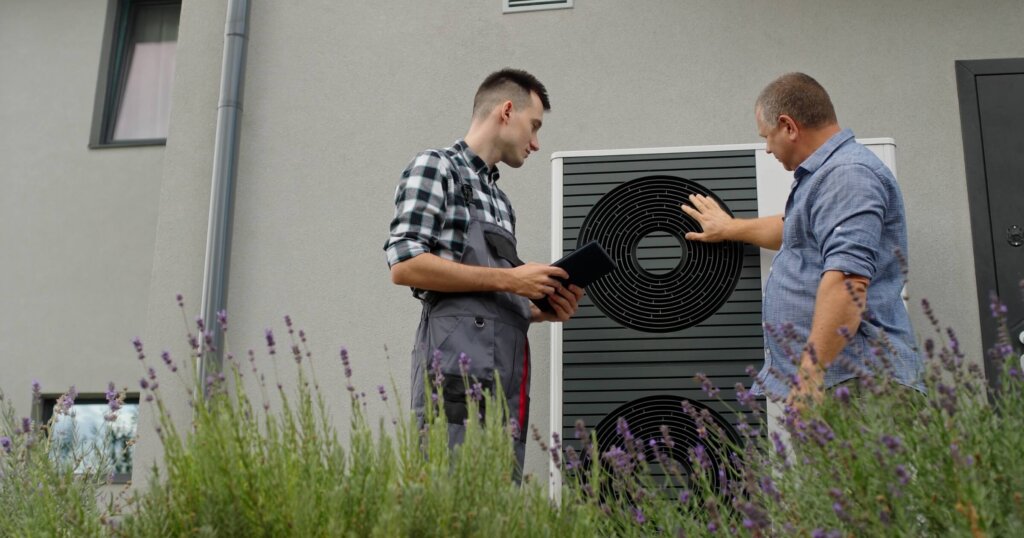
Some heat pump problems go beyond simple cleaning or resetting. If you notice any of the following warning signs, it’s time to call a certified HVAC technician for help.
Electrical smells or tripped breakers
If your system smells like burning or keeps tripping the circuit breaker, turn it off immediately. This can signal an electrical short, motor failure, or wiring problem that requires professional attention. Continuing to run the unit could cause further damage or even pose a fire risk.
Loud banging or grinding noises
Strange sounds from your heat pump usually indicate mechanical issues, such as loose fan blades, worn bearings, or a damaged compressor. These components operate under high pressure, so repairs should only be handled by a qualified technician.
Frozen coils that refreeze after thawing
If your coils keep icing over even after defrosting, that’s a sign of a deeper problem. Low refrigerant, a faulty defrost control board, or restricted airflow might be to blame. Since refrigerant handling requires certification, this is not something to fix on your own.
Persistent airflow or heating issues
If your system runs but doesn’t produce enough warm air, or if some rooms feel colder than others, a specialist can check for duct leaks, blower problems, or refrigerant imbalances.
Calling a certified HVAC technician ensures that any electrical, refrigerant, or mechanical work is done safely and correctly. Licensed professionals also have the tools to perform pressure tests, detect leaks, and verify that your system meets manufacturer specifications.
Bottom line
Most heat pump issues come down to a few simple causes like dirty filters, blocked airflow, thermostat problems, or low refrigerant levels. Many of these can be fixed with a bit of routine care, such as cleaning filters, clearing debris from the outdoor unit, or checking thermostat settings. These small steps often get your system running smoothly again and can make the difference between repairing and replacing your heat pump.
Regular maintenance is the best way to keep your heat pump efficient and reliable. Scheduling an annual inspection helps catch minor issues early, saves money on energy bills, and prevents costly breakdowns later on.
If you’ve tried the basic fixes and your system still isn’t working right, don’t push it further. Calling a certified HVAC professional ensures repairs are done safely and keeps your unit running for years to come.
Check out these related articles:
- 10 Common Home Heating Options: Pros, Cons, and How to Pick the Right One
- HVAC Apprenticeship Programs in the U.S.
- How to Become an HVAC Technician in the U.S.
- Best HVAC Software
Subscribe to our newsletter for more practical home and HVAC maintenance tips!
FAQs on fixing a heat pump
Why does my heat pump freeze up?
Freezing usually happens because of poor airflow or low refrigerant. When air can’t move freely over the coils, or when refrigerant levels drop too low, moisture can turn to ice. Regular cleaning and professional inspections help prevent this problem.
Should I turn off my heat pump if it’s not heating?
Yes. If the system is running but not producing heat, turn it off to prevent further damage while troubleshooting or waiting for a technician to inspect it.
How often should I service my heat pump?
Plan for at least one professional service visit per year. Routine checkups can catch refrigerant leaks, worn parts, or electrical issues early, improving efficiency and extending the unit’s life.
Can low refrigerant cause no heat?
Yes. When refrigerant levels are low, the heat pump can’t absorb or transfer enough warmth to heat your home properly. Only a licensed HVAC technician can safely check and recharge refrigerant.
How long do heat pumps last?
With proper maintenance, most heat pumps last between 10 and 15 years. Cleaning filters, keeping the outdoor unit clear, and scheduling annual inspections all help extend their lifespan.