

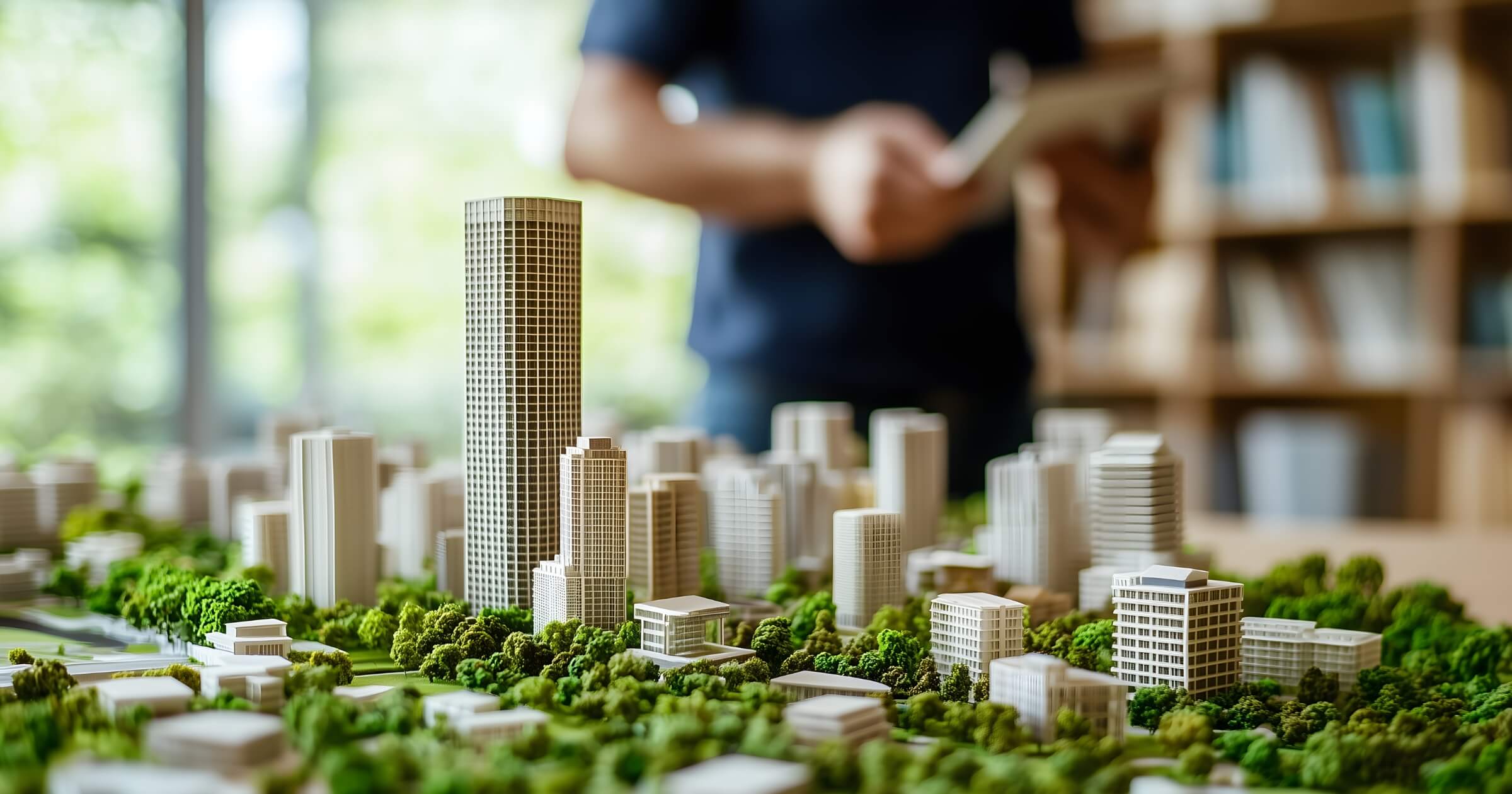
The construction industry is responsible for nearly 40% of the world’s carbon emissions, making it one of the largest areas for change. Around the world, builders, architects, and developers are rethinking how projects are designed, built, and operated to reach net zero. Sustainable construction uses smarter materials, cleaner energy, and better data to cut emissions and create a greener future for everyone. In this article, we’ll look at what the construction industry is doing to move towards more sustainable building practices and reach net zero targets.
Quick look
- The industry is responsible for nearly 40% of global emissions, with both operational and embodied carbon contributing to its environmental impact.
- Achieving net zero requires addressing emissions across the whole building lifecycle and supply chain.
- Builders are embracing low-carbon materials, energy-efficient design, and digital tools like BIM and lifecycle assessments to reduce emissions. Circular construction and green procurement are becoming industry norms.
- Companies like Skanska, as well as projects like mass timber civic buildings and infrastructure-scale efforts, illustrate how sustainable construction practices are being implemented on the ground.
- Advances in carbon capture, mass timber, modular building, and strong policy incentives are accelerating progress. Industry-wide collaboration and adoption of new technologies are essential to scale these efforts globally.
Why the construction industry needs to aim for net zero
The need for net zero in construction has never been more urgent. The buildings and construction sector accounts for roughly one-third of global energy- and process-related CO₂ emissions, stemming from both the energy used to operate them and the materials needed to build them. As cities grow and demand for new housing and infrastructure increases, the industry’s carbon footprint continues to rise.
Getting to net zero starts with reducing emissions wherever possible and finding innovative ways to offset what remains, such as switching to clean energy or capturing carbon at the source. Governments, investors, and clients now want clear evidence that companies are taking real action, not just making promises. For builders and developers, this shift brings real advantages, including lower costs over time, stronger project value, and a more sustainable future for the entire industry.
Operational vs. embodied carbon
When we talk about carbon emissions in construction, there are two main types to understand: operational carbon and embodied carbon.
Operational carbon comes from the energy a building uses after it is complete, such as heating, cooling, lighting, and running equipment. This is the part most people picture when they think of a building’s emissions.
Embodied carbon, on the other hand, is released before a building even opens its doors. It stems from the production and transportation of materials, as well as the construction process itself. Making concrete, steel, and glass all produce large amounts of emissions long before a project begins operation.
To truly reach net zero, both types of carbon must be addressed. Energy-efficient design and renewable power can help reduce operational carbon, while low-carbon materials, better waste management, and recycling practices can lower embodied carbon. Ignoring one means the other will continue to offset progress toward a cleaner, more sustainable industry.
Emissions across the value chain
Emissions from construction go far beyond the jobsite. The entire value chain—from material suppliers to transportation and even building maintenance—plays a major role in total carbon output.
About 11% of global carbon emissions come from building materials and construction processes alone. When you include energy use during a building’s lifetime, that number climbs to nearly 40% of all global emissions.
Suppliers of cement, steel, and aluminum account for a large share of construction-related emissions because these materials require significant energy to manufacture. Shipping heavy materials over long distances also adds to the problem. Even once a building is finished, it continues to use energy for heating, cooling, and upgrades over the years, all of which keep adding to its carbon footprint.
This full-picture view shows why sustainable construction must involve everyone, from designers and builders to manufacturers and policymakers. Reducing emissions at every stage of the supply chain is the only way the construction industry can move closer to achieving a truly net zero future.
Key strategies the industry is using to reach net zero

The path to net zero in construction depends on changing how buildings are designed, constructed, and maintained. Companies are rethinking materials, improving energy use, and adopting new technologies that help track and reduce carbon emissions at every stage. From low-carbon concrete to smart digital modeling, the tools to reach a sustainable future are already here, and many companies are starting to put them into action.
Low-carbon materials and circularity
One of the biggest shifts in sustainable construction is the move toward low-carbon materials. Traditional materials like concrete and steel are some of the most significant sources of carbon emissions, but new solutions are changing that. Builders are turning to recycled aggregates, bio-based materials such as hempcrete and cross-laminated timber, and eco-friendly cements that use less clinker or even capture CO₂ during production.
Circular construction is changing how builders think about waste. Rather than sending leftover materials to landfills, many companies are finding ways to reuse them in new projects. This simple shift saves money, reduces waste, and lowers the project’s carbon footprint. It also helps create a building process in which materials remain useful for much longer, making every stage more sustainable.
Energy-efficient design and operations
Designing buildings that use less energy is another powerful way to cut emissions. Passive design strategies, such as natural ventilation, daylighting, and high-performance insulation, help reduce the need for artificial heating and cooling.
Net zero energy buildings go even further. These buildings are designed to generate as much energy as they consume from renewable sources such as solar panels, wind power, or geothermal systems. Over time, this approach not only saves energy but also reduces operational costs for building owners.
The shift toward energy-efficient construction is part of a broader movement toward sustainable building design, shaping how the next generation of homes and offices will look and function.
Digital tools and data for tracking and reduction
Construction technology trends are playing a huge role in helping companies measure and reduce emissions. For example, Building Information Modeling (BIM) allows designers and engineers to plan every stage of construction digitally, improving accuracy and minimizing waste.
More advanced tools, like digital twins, create virtual replicas of real buildings that track performance data in real time. This helps project teams identify areas where energy use can be lowered or materials can be optimized. Lifecycle assessment software also helps track emissions from design through demolition, making it easier to find and fix carbon hotspots.
Supply chain collaboration and green procurement
No company can reach net zero on its own. The construction industry relies on an extensive network of suppliers, contractors, and tradespeople, all of whom need to work together toward shared sustainability goals.
Green purchasing policies are becoming more common on job sites. They encourage builders to work with suppliers who follow environmental standards or use cleaner ways to make their products. When everyone in the supply chain takes part, emissions drop both at the project site and throughout the entire process of making and delivering materials.
Companies like Skanska and Fluor are leading the way by educating their partners through sustainability programs that focus on collaboration and accountability.
When every part of the supply chain is focused on sustainability, the industry moves closer to making net zero construction the new standard.
Real-world examples of sustainable construction driving toward net zero
Here are three real examples that illustrate how the construction industry is putting sustainable construction and net zero goals into action.
Company example: Skanska
Skanska has set a company-wide goal to reach net zero emissions by 2045. Its climate plan focuses on three main areas: designing for efficiency, choosing better materials, and managing energy use. In the United States, the company reported a 55% drop in carbon emissions from its operations (Scope 1 and 2) between 2015 and 2022. Skanska is also working to cut embodied carbon across its supply chain, showing that sustainability isn’t just about single projects but about changing how the entire business operates.
Example of an innovative construction material reducing carbon emissions
Mass timber is emerging as a key low-carbon strategy in sustainable construction. Studies show that building with mass timber rather than conventional concrete/steel can reduce material-related emissions by roughly 13–26%.
In one specific project case, County Office Building 3 (COB3) in San Mateo County, California, is designed as the first civic U.S. building built from mass timber (cross-laminated timber and glulam), aiming for net-zero energy.
Large-scale project examples
Another dimension comes from large infrastructure or high-scale buildings. Consider the broader case of embodied carbon reductions in infrastructure: the Thames Tideway Tunnel in London reports that it has reduced its Scope 3 (embedded) carbon footprint by around 28% compared to its original estimates.
Large-scale projects such as this reflect how sustainable construction must go beyond one building–one material by involving upstream and downstream impacts, supply chain collaboration, and infrastructure scale to make a meaningful shift toward net zero.
Benefits of sustainably constructed buildings and sites
Sustainable construction creates ripple effects that benefit people, businesses, and the planet. From cleaner air to lower energy bills, building with sustainability in mind benefits everyone, from the tradespeople who construct it to the communities that live and work inside.
Environmental and social gains
One of the biggest advantages of sustainable construction is its environmental benefits. Choosing low-carbon materials and renewable energy cuts down on pollution and greenhouse gases. Energy-efficient systems also take pressure off local power grids, while thoughtful site design helps protect nearby plants, animals, and green spaces.
For communities, the results go beyond the environment. Sustainable buildings often have better indoor air quality, natural lighting, and healthier materials, creating safer and more comfortable spaces for people to live and work. Projects that follow green standards, like LEED (Leadership in Energy and Environmental Design) or BREEAM (Building Research Establishment Environmental Assessment Method), also support community well-being by reducing noise, improving air quality, and promoting public green spaces.
These improvements help create stronger, healthier communities, where environmental responsibility and social progress go hand in hand.
Business value and cost savings
Building sustainably is good for both the planet and business. Energy-efficient buildings often use 30% less energy and 50% less water than standard structures, resulting in significant savings over time. Lower utility costs and reduced maintenance make sustainable buildings more affordable to operate in the long run.
Companies that invest in green construction also gain a stronger brand reputation. Clients and investors increasingly prefer to work with environmentally responsible partners, and sustainable buildings can attract higher property values and occupancy rates. The demand for green buildings has risen steadily as governments introduce stricter carbon targets and building codes.
Sustainable construction also helps firms stay ahead of regulations, protecting them from future penalties or costly retrofits. By adopting these practices now, companies show leadership in a changing market that values sustainability and innovation.
Steps for organizations to start adopting sustainable construction practices
Switching to sustainable construction can feel like a big job, but every company can start small and build from there. Whether you run a contracting business, a development firm, or a design team, the first step toward net zero is knowing where your emissions come from and setting realistic goals to cut them.
Step 1: Assess current performance and set targets
Start by taking a close look at how your company affects the environment. A simple carbon audit can show where most of your emissions come from, such as fuel use on job sites, material deliveries, or energy used in offices and warehouses. Once you know the numbers, compare them with similar companies in your field to see where you can make quick improvements.
Once you have this data, set realistic emissions targets. Many companies align their goals with international frameworks, such as the Science-Based Targets initiative (SBTi) or ISO 14001 environmental standards. Defining clear short-term and long-term goals helps guide decisions and track progress effectively.
Step 2: Choose priority interventions and materials
Start with the changes that will have the biggest impact. Using low-carbon materials, cutting energy use, and managing waste more carefully are simple ways to make quick progress. Choosing options like recycled steel, mass timber, or low-carbon concrete can significantly reduce the carbon footprint of each project.
It is also worth exploring circular design principles, such as designing buildings for disassembly or reuse, to extend material lifecycles.
Step 3: Engage the supply chain and tradespeople
Sustainability works best when everyone involved in the project is part of the plan. Encourage suppliers and subcontractors to meet your sustainability standards, such as providing Environmental Product Declarations (EPDs) for materials.
Workers also need training in sustainable job-site habits. That includes using equipment efficiently, improving material sorting, and choosing environmentally friendlier installation methods. When everyone stays on the same page, the green choices made in the design phase carry through to the final build.
Step 4: Monitor, report, and iterate
Ultimately, sustainability is an ongoing process. Use digital tools such as Building Information Modeling (BIM) and lifecycle assessment software to track carbon performance from design through operation. These insights help teams identify what is working and where adjustments are needed.
Regular reporting builds transparency and trust with clients and investors, while motivating internal teams to stay accountable. Share success stories and lessons learned so that other organizations can benefit from your experiences.
What’s next for sustainable construction and net zero
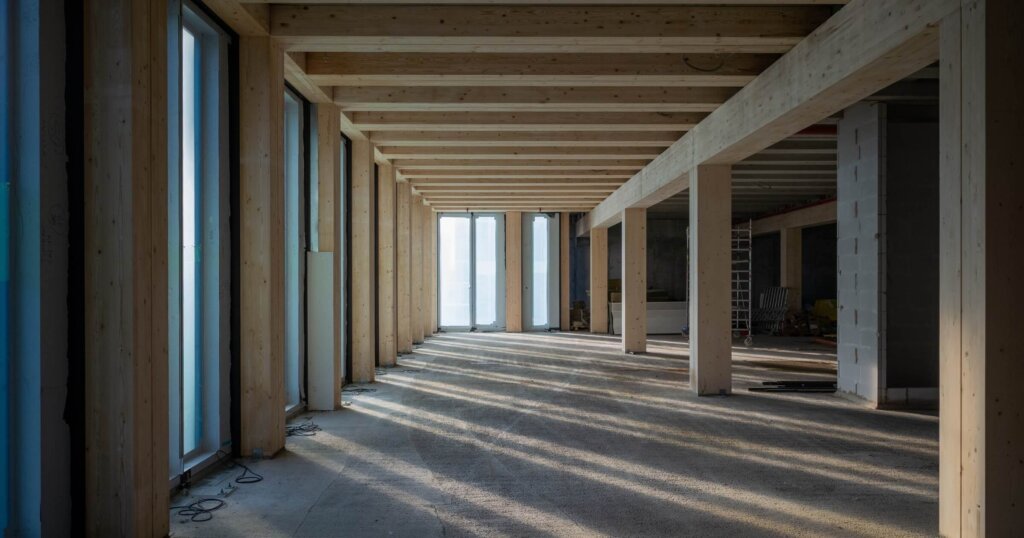
In the years ahead, big changes are coming to construction. New technology, updated policies, and creative ideas are all helping the industry move closer to net zero. Builders, designers, and manufacturers are already using cleaner materials and smarter building methods to cut emissions. These innovations are shaping how future buildings will look, how they’ll work, and how they’ll affect the world around us.
Mass timber and hybrid structures
Mass timber remains one of the most exciting developments in sustainable construction. Engineered wood products such as cross-laminated timber (CLT) and glulam beams are strong enough to replace steel and concrete in many mid- and high-rise buildings. They also store carbon rather than releasing it, helping offset emissions throughout the project lifecycle.
Hybrid structures that combine mass timber with low-carbon steel or concrete are gaining popularity for their balance of strength, durability, and sustainability. Projects like the Ascent Tower in Milwaukee, currently the world’s tallest timber building, prove that large-scale, low-carbon construction is possible without compromising performance or safety.
Carbon capture in cement and steel
Making cement and steel produces more carbon than almost any other industrial process, but new technology is starting to change that. Companies such as Fortera and CarbonCure are finding ways to capture carbon during production and embed it in concrete itself. This not only keeps the carbon out of the air but also makes the material stronger and more durable.
Similarly, steelmakers are testing hydrogen-based production to eliminate fossil fuels from the smelting process. These advances are key to lowering embodied carbon, which accounts for a major share of construction’s total emissions.
Modular and prefabricated building methods
Modular and prefabricated construction methods are becoming more common as companies seek to reduce waste, save time, and cut emissions. Building components are manufactured in controlled factory environments, which reduce material loss and enable greater precision.
This approach also helps lower transportation costs and speeds up on-site assembly. The result is cleaner, more efficient construction that supports net zero goals while delivering affordable, high-quality buildings. For example, modular housing companies in Canada and Europe are leading efforts to produce carbon-neutral homes that can be built faster and at scale.
Policy and regulatory shifts supporting net zero mandates
Governments around the world are now embedding net zero targets into building codes and procurement policies. The European Union’s Energy Performance of Buildings Directive, Canada’s Net Zero Emissions Accountability Act, and the United States’ Inflation Reduction Act all include strong incentives for reducing carbon in construction.
Public-sector projects are increasingly required to meet LEED, BREEAM, or Zero Carbon Building (ZCB) standards, while major investors are linking financing to measurable sustainability performance. These policy shifts are helping accelerate industry-wide change and ensure that net zero becomes the standard, not the exception.
Looking ahead for sustainable construction
The construction industry is entering a period of transformation driven by innovation and collaboration. From mass timber skyscrapers to carbon-storing concrete, the solutions are here; now, they must be scaled.
Every builder, developer, and supplier has a role to play in creating a net zero future. By sharing knowledge, adopting new technologies, and working together, the industry can lead the global effort to decarbonize our built environment.
Want more insights on sustainable building? Subscribe to our newsletter for the latest stories, innovations, and industry updates.



1 comment