

The architecture and construction industries are increasingly using new technologies to make buildings more efficient, sustainable, and comfortable for occupants. In 2025, smart buildings go beyond simple automation—they respond to their environment, adjust energy use, and create spaces that adapt to how people use them. This article explores 10 trends shaping the future of smart buildings, including AI-driven design, sustainable materials, and modular construction.
10 Smart building trends to watch in 2025
Trend #1: AI-driven design and operations
Artificial intelligence is reshaping how architects and engineers design and maintain buildings. In 2025, AI tools are being used to create more efficient floor plans, fine-tune energy systems, and improve the comfort of the people inside. These systems can detect potential maintenance issues before they cause breakdowns, saving time and extending the lifespan of equipment. Many new smart buildings also adjust lighting and temperature automatically based on who’s inside or what the weather is doing outside, cutting energy waste without sacrificing comfort.
Trend #2: Sustainable and eco-friendly materials
Construction is paying more attention to sustainability. Builders are choosing materials such as self-healing concrete and high-performance insulation because they last longer and have a smaller environmental impact. Many new projects are pursuing net-zero energy, adding solar panels, geothermal systems, and other renewable sources to keep buildings efficient and lower energy costs over time. These approaches are adopted not just because of regulations, but also because owners and tenants value energy-efficient, environmentally responsible buildings.
Trend #3: Modular and prefabricated construction
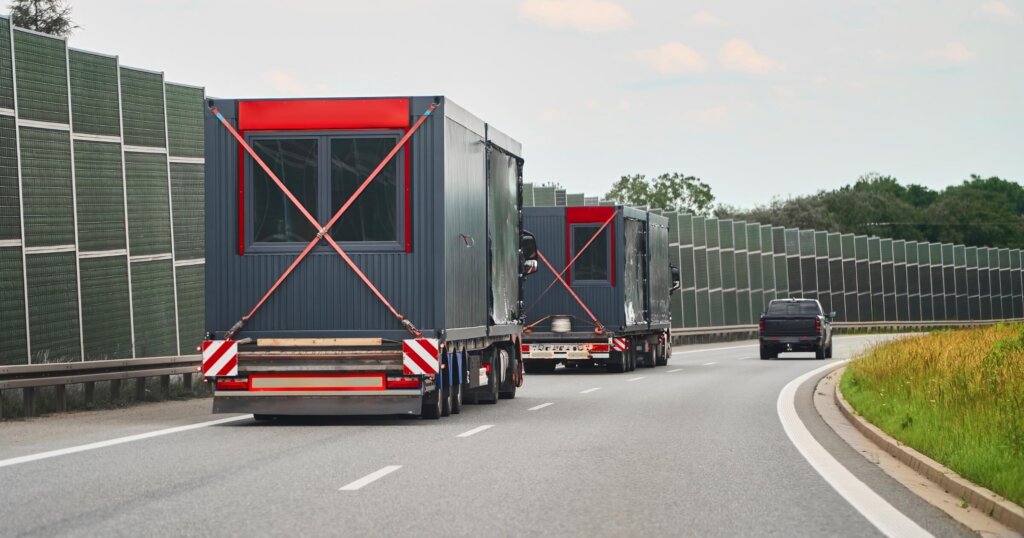
Prefabrication and modular building are also increasingly popular because they offer speed and cost advantages. In modular construction, the sections of the building are manufactured off-site and then assembled on-site. It saves time and reduces waste. Everything is much easier to maintain when it’s built in a controlled environment. This is particularly well-suited for projects that require rapid deployment, such as emergency housing, temporary offices, or event spaces.
Trend #4: Digital twins for real-time monitoring
Digital twin technology creates a virtual model of the building to allow teams to see its real-time performance. In 2025, architects and engineers are leveraging it to manage energy, perform periodic maintenance, and identify potential issues. Testing various scenarios online allows them to identify and fix problems before they occur, saving them a tremendous amount of time and money. This is particularly helpful in complex buildings that require multiple systems functioning together without interference.
Trend #5: IoT integration for smart environments
The Internet of Things (IoT) is turning buildings into connected environments wherein devices and systems communicate with each other. That means in 2025, lighting, heating, ventilation, and security can be automatically adjusted according to how a space is currently being used. For example, sensors dim lights in an empty room or adjust the HVAC when a room’s occupancy changes, saving energy while maintaining comfort. This type of connectivity makes buildings more efficient, reduces waste, and provides occupants with a more responsive and comfortable environment.
Trend #6: Smart energy management systems
Energy management in buildings is getting increasingly intelligent. Modern systems can track and control the use of electricity, heating, and cooling, while often incorporating renewable energy sources such as solar or wind. By 2025, these systems will be using data to anticipate peak periods of demand weeks in advance and be set accordingly to prevent over-consumption and further lower costs. With smart energy management, buildings can reduce their ecological footprint and maintain smoother operations by avoiding sudden spikes in energy consumption.
Trend #7: Contactless and biometric access control
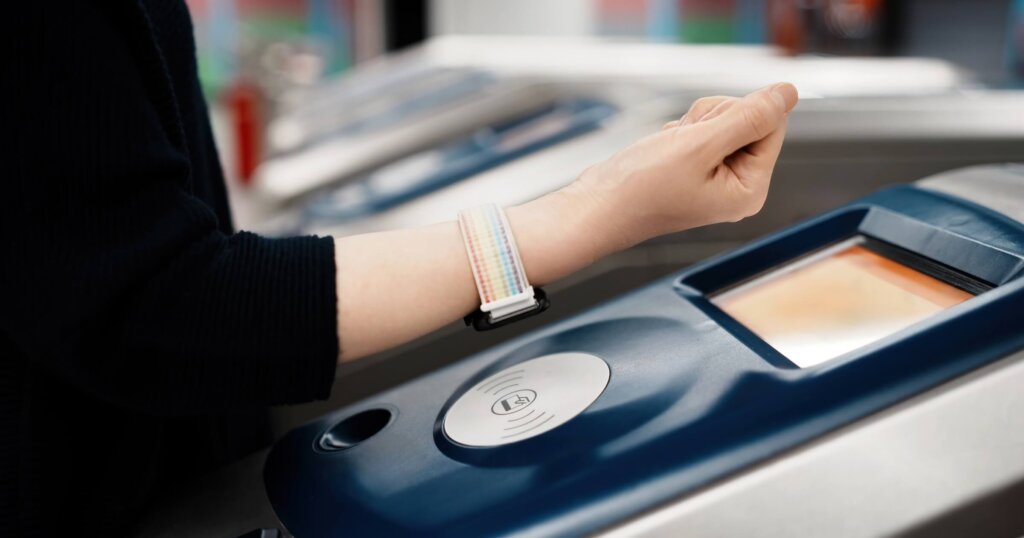
This leads us to the growing adoption of contactless and biometric access systems, driven by concerns over health and security. Without keycards or codes, these systems grant access to authorized personnel using a fingerprint, facial scan, or even their smartphone. This setup surely increases security while enhancing the speed and convenience that occupants experience in such premises. In offices and other high-traffic buildings, biometric systems alleviate bottlenecks at building entrances by ensuring that restricted areas remain secure without slowing people down.
Trend #8: Hybrid workspaces with smart features
Modern buildings collect a lot of information—from energy use to air quality and how spaces are occupied. In 2025, building managers are using this data to spot inefficiencies and make practical improvements. For example, if a conference room is rarely used, HVAC schedules can be adjusted so energy isn’t wasted heating or cooling an empty space. Sensors can also flag maintenance issues before they become costly problems. The result is a building that runs more efficiently and is more comfortable for its occupants.
Trend #9: Lighting and temperature that respond to people
Rather than being bound to fixed schedules, lighting and climate systems make automatic adjustments in response to who is in the room and the current weather conditions outside. Office lights can dim to compensate for sunlight, and thermostats can adjust the temperature based on room occupancy. This reduces energy waste without compromising the comfort of the room’s occupants. Several schools and hospitals are testing these systems as a means to reduce glare, maintain steady temperatures, and generally create more pleasant learning and healing environments. Smart adjustments make everyday spaces feel more natural and less mechanical.
Trend #10: Designing for people’s health and well-being
Wellness is becoming a big focus in architecture, and designers are paying attention to air quality, natural light, noise levels, and even access to nature inside buildings. In practice, this might involve adding plants, water features, or larger windows to allow sunlight to enter. Hospitals, offices, and schools are experiencing these benefits: reduced stress, increased productivity, and, in healthcare, faster recovery times. Buildings that support well-being are no longer optional—they’re expected in modern construction.
Final thoughts
New technologies are changing the way we design and operate buildings. From AI-powered systems to eco-friendly materials to smarter ways of managing energy, these trends shape the way we live and work around us. Keeping up with these changes means architects, engineers, and construction professionals will be ahead of the pack.
Stay updated with the latest trends in the construction industry by subscribing to our newsletter. Join us to receive expert analyses and updates directly to your inbox.