

More people are realizing that healthy skin doesn’t just come from what you put on your face but also from what’s happening inside your body. Your skin is your largest organ and is a direct reflection of what’s happening inside your body. Your gut plays a huge role in how your skin looks and feels, as it helps regulate inflammation, immunity, and hydration. In this article, we’ll explore how your gut “talks” to your skin, what foods and habits can help you get a clearer complexion, and what to know before trying supplements or trendy gut cleanses.
Quick look
- The gut–skin axis plays an important role in regulating inflammation, immunity, and hydration, all of which have a direct impact on the skin’s appearance.
- A diet rich in fiber and fermented foods supports beneficial gut bacteria, which in turn reduce inflammation and strengthen the skin barrier.
- Low-glycemic foods help balance blood sugar and reduce acne flare-ups, while high-sugar diets can worsen inflammation and breakouts.
- Probiotics, prebiotics, and postbiotics can support skin health, but sustainable habits like balanced eating and stress management are more effective in the long term.
How your gut talks to your skin
Immune and inflammatory signaling
Your gut is full of tiny microbes that do more than help digest food. They also play a big part in managing your immune system and keeping inflammation in check. When your gut is balanced, these microbes work together to calm your immune response and support clear, healthy skin. But when things get out of balance—known as dysbiosis—your body can produce more inflammatory molecules that may lead to flare-ups like acne, eczema, or rosacea.
An unbalanced gut can change how your immune system reacts, often leading to increased inflammation that affects the skin. This happens because certain bacteria in the gut can trigger immune cells to release compounds called cytokines, which circulate throughout the body and can worsen existing skin conditions.
One of the best ways to keep this system in balance is by eating more fiber-rich foods.
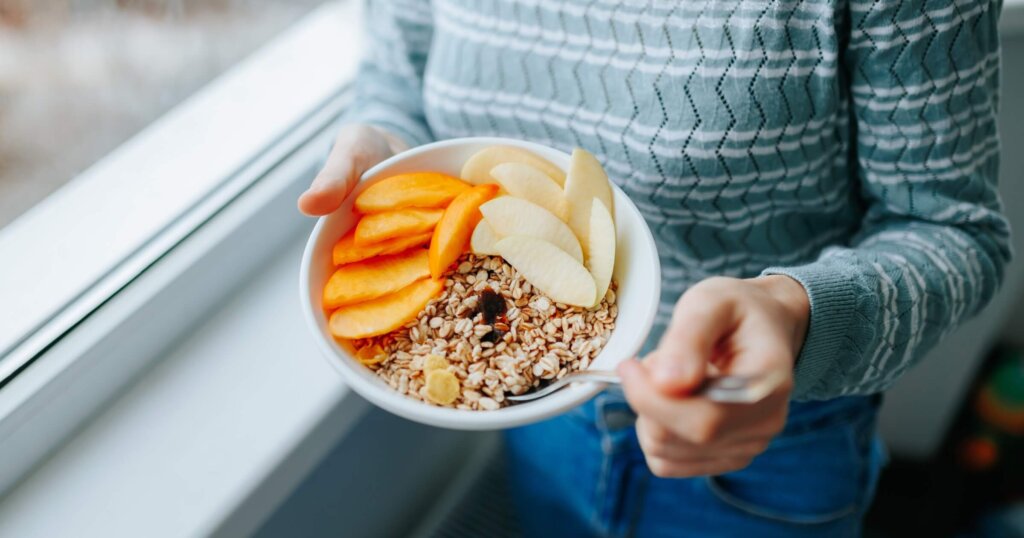
When your gut bacteria break down fiber from foods like vegetables, whole grains, beans, and seeds, they produce short-chain fatty acids (SCFAs), such as butyrate, acetate, and propionate. These compounds help strengthen the gut barrier and calm inflammation throughout the body, including the skin. A strong gut barrier means fewer toxins and irritants make their way into your system, which can help reduce redness and irritation on the skin’s surface.
Keeping your gut microbes healthy through balanced eating and good daily habits can make a visible difference in how your skin looks and feels.
Barrier function and microbiome crosstalk
The gut and skin are closely connected through what’s known as the gut–skin axis. This is a natural communication system that links your digestive health to your skin’s behavior. It works through your immune system, metabolism, and even how your body reacts to stress. When your gut is in good shape, this connection helps keep inflammation under control and allows your skin to stay strong, balanced, and better at repairing itself.
A strong gut barrier plays a key role in this process. It acts like a filter, allowing nutrients to pass into the bloodstream while keeping harmful substances, like toxins, bacteria, and undigested food particles, out. When this barrier becomes weak or “leaky,” inflammatory compounds can escape into the bloodstream and trigger reactions that show up on the skin. This gut leakiness can contribute to flare-ups of acne, eczema, and other inflammatory skin conditions by increasing oxidative stress and altering immune balance.
Gut microbes also send out chemical messages that directly influence how the skin functions. For instance, certain beneficial bacteria in the gut produce metabolites that help regulate oil production, hydration, and the skin’s own microbial balance. These signals can strengthen the skin’s outer barrier, making it more resilient to dryness, irritation, and breakouts.
When the gut and skin microbiomes are in sync, the result is a smoother, clearer, and more balanced complexion. But when that balance breaks down, it can lead to dryness, redness, and sensitivity, reminding us how closely our internal and external ecosystems are linked.
Foods and habits that support clearer skin
Focus on fiber and plants
If you’re aiming for clearer, healthier skin, it helps to start with what’s on your plate. Your gut bacteria depend on the food you eat, and they love plants. Filling your meals with fiber-rich foods, like leafy greens, beans, lentils, oats, quinoa, nuts, seeds, and bright fruits, gives those helpful microbes the fuel they need to grow and keep your system balanced.
When these bacteria digest fiber, they produce SCFAs, such as butyrate, which help strengthen the gut lining, reduce inflammation throughout the body, and even influence how the skin responds to irritation. People who eat more dietary fiber tend to have healthier gut microbiota, which can translate into fewer inflammatory skin issues.
Eating a variety of plants also increases microbial diversity in your gut, which is linked to smoother, clearer, and more hydrated skin. Try to fill at least half your plate with vegetables and add whole grains or legumes to most meals.
Choose low-glycemic carbs
What you eat can directly affect how your skin behaves, especially when it comes to carbs. Foods high in refined sugars and ultra-processed ingredients can cause your blood sugar to spike quickly. When that happens, your body produces more insulin, which can increase oil production and inflammation. This mix often leads to clogged pores and breakouts.
Several studies have found a connection between high-glycemic diets and acne severity. These fast-digesting carbs, such as white bread, pastries, candy, and sugary drinks, can also disrupt hormone balance, increasing the likelihood of acne flare-ups.
To support your gut and your skin, swap out refined carbs for low-glycemic options that release energy more slowly. Foods like oats, quinoa, lentils, sweet potatoes, and brown rice help keep blood sugar stable and give your gut bacteria steady fuel to produce beneficial compounds. Over time, this balanced approach can help reduce inflammation, improve skin texture, and prevent breakouts caused by sudden sugar spikes.
Add fermented foods
Adding fermented foods to your diet is another simple way to support both your gut and your skin. Foods like yogurt, kefir, kimchi, sauerkraut, miso, and tempeh are packed with live bacteria that help boost the diversity of your gut microbiome. A more diverse microbiome is generally linked to better digestion, stronger immunity, and lower inflammation, all of which can show up as clearer, calmer skin.
Research has found that regular intake of fermented foods can increase beneficial bacteria and decrease inflammation in the body. These bacteria produce compounds that strengthen your gut barrier and improve communication along the gut–skin axis, which helps regulate oil production and hydration at the skin’s surface.
Not everyone reacts to fermented foods the same way. Some people who are sensitive to histamines may notice bloating, redness, or mild headaches after eating foods like kimchi or sauerkraut. If that happens, start with small portions and pay attention to how your body feels. You can also try gentler options such as pasteurized yogurt or freshly made sauerkraut, which are often easier to digest.
Including a few servings of fermented foods each week can go a long way toward creating a healthier gut environment and a more balanced complexion.
Probiotics, prebiotics, and postbiotics: What to know before supplementing
Gut health supplements have become popular for supporting digestion and clearer skin, but it’s helpful to understand how each one works before adding them to your routine.
Probiotics are live, beneficial bacteria that help keep your gut balanced. They can be found in supplements or fermented foods like yogurt and kefir. These microbes help crowd out harmful bacteria, reduce inflammation, and support a strong gut barrier, not to mention making a visible difference in your skin’s tone and texture.
Prebiotics are the fuel that helps probiotics thrive. They’re a type of fiber found naturally in foods like garlic, onions, bananas, and oats. By feeding the good bacteria in your gut, prebiotics help increase SCFAs, which help calm inflammation and improve the skin’s barrier function.
Postbiotics are the beneficial compounds that result when your gut bacteria break down fiber. These include SCFAs, peptides, and enzymes that support immune balance and hydration. Studies have shown that postbiotics can help strengthen the skin barrier and reduce redness associated with inflammation.
Supplements can be helpful when your gut bacteria need extra support, like after a course of antibiotics, during periods of stress, or when your diet lacks fiber and variety. Still, it’s best to start with small doses and choose reputable brands that list specific bacterial strains on the label.
Red flags and overhype
Correlation vs. causation
It’s easy to get caught up in social media claims that promise clear skin after a single “gut cleanse” or probiotic pill, but the truth is more complicated. While gut health does influence skin, there isn’t a quick fix or one-size-fits-all solution. Everyone’s microbiome is unique, which means what works for one person may not work for another.
Scientists are still learning exactly how the gut and the skin communicate. Many of the studies available are small or observational, meaning they reveal patterns or associations rather than direct cause-and-effect relationships. For example, people with acne or eczema may have different gut bacteria than those with clear skin, but that doesn’t necessarily mean a supplement will correct the problem.
Instead of chasing the newest gut health trend, focus on what you can control every day. A balanced diet, good sleep, stress management, and regular physical activity all support a healthier gut and calmer skin from the inside out. If you notice signs of an unbalanced gut, such as bloating, fatigue, or irregular digestion, these are cues to look at your overall habits before turning to cleanses or extreme diets.
Bottom line
Your gut and skin are more connected than you might think. The microbes in your digestive system help regulate immunity, manage inflammation, and support your body’s natural barrier functions, playing a major role in how your skin looks and feels. When your gut is healthy, your skin tends to be calmer, clearer, and better hydrated.
The best approach to supporting this connection isn’t through quick fixes or expensive cleanses but through small, sustainable habits. Eat plenty of fiber from vegetables, fruits, legumes, and whole grains to fuel good bacteria. Manage stress, get enough sleep, drink plenty of water, and limit processed foods and alcohol to keep your gut and your skin balanced.
Healthy skin really does start from within.
Ready to learn more? Explore more wellness resources and subscribe to our newsletter for evidence-based insights on health, nutrition, and the trades community.