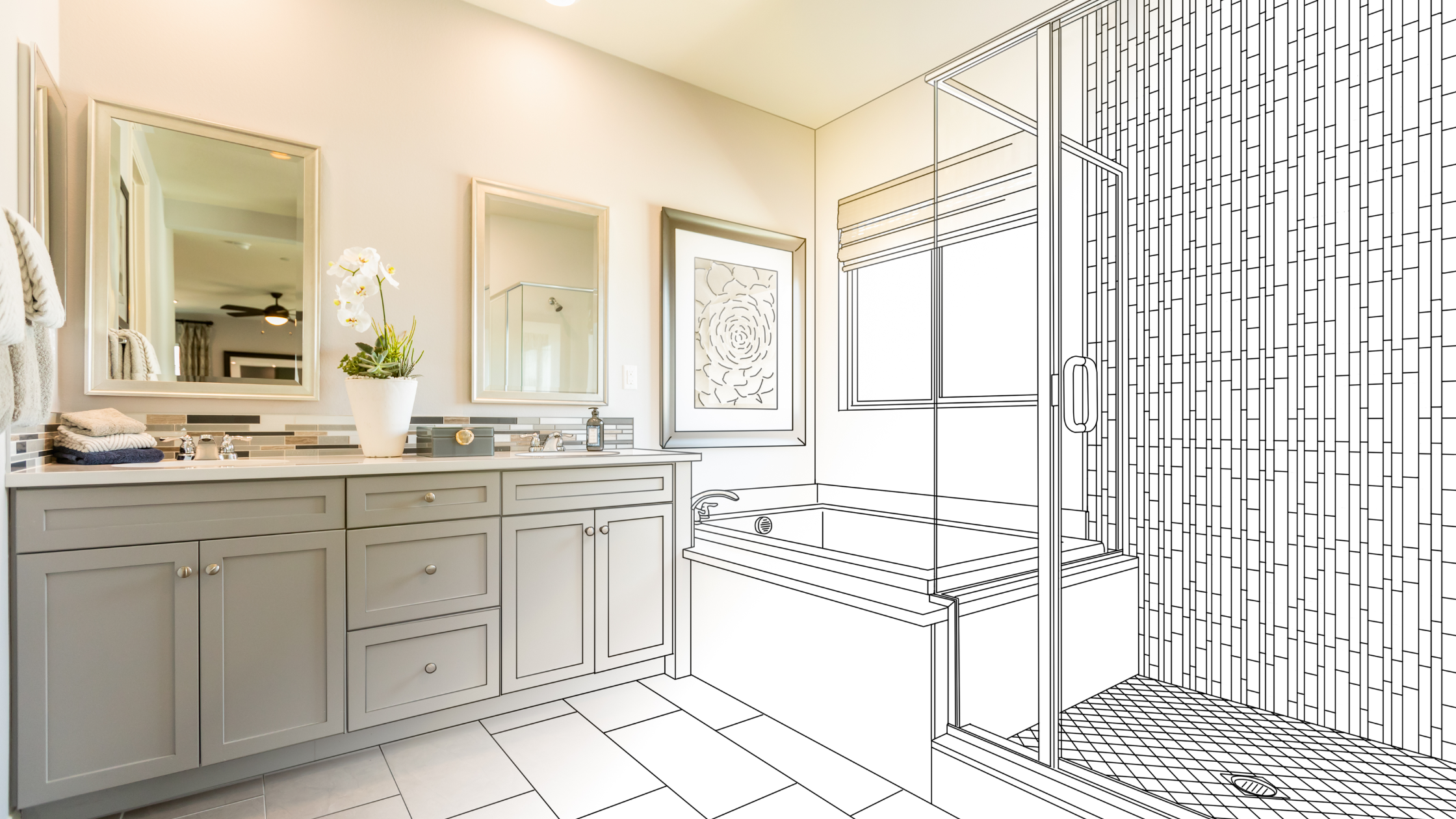
The cost to remodel a bathroom depends on its size, the quality of materials, the home’s location, and whether a DIY enthusiast or a contractor does the work. A modest refresh may cost a few thousand dollars, while a full luxury upgrade can run tens of thousands. In this article, we’ll walk through the average cost to remodel a bathroom, what makes that number climb or fall, and how you can plan a budget that matches your goals. We’ll cover cost breakdowns, including typical low, medium, and high scenarios in both the US and Canada, as well as what to watch for when hiring tradespeople or selecting materials.
Average cost to remodel a bathroom
When you ask about the average cost to remodel a bathroom, you’re really looking at a wide band because so many variables come into play. In the US, surveys indicate that typical full-bath remodels range from approximately $6,000 to $24,000 or more, with national averages around $12,000 to $15,000. In Canada, the figures typically range from CAD $5,000 to CAD $40,000, depending on the finish and size.
Here’s a rough comparison table:
| Tier | US estimate | Canada estimate |
| Low/basic | US $3,000 – US $10,000 | CAD $5,000 – CAD $10,000 |
| Mid-range | US $10,000 – US $25,000 | CAD $10,000 – CAD $20,000 |
| High/luxury | US $25,000+ and up (larger or premium materials) | CAD $20,000 – CAD $40,000+ |
These ranges provide a starting point, but your actual cost may fall above or below, depending on the layout, plumbing modifications, finish levels, and region.
Key factors affecting the cost of remodeling a bathroom
Size – Bigger builds = higher cost
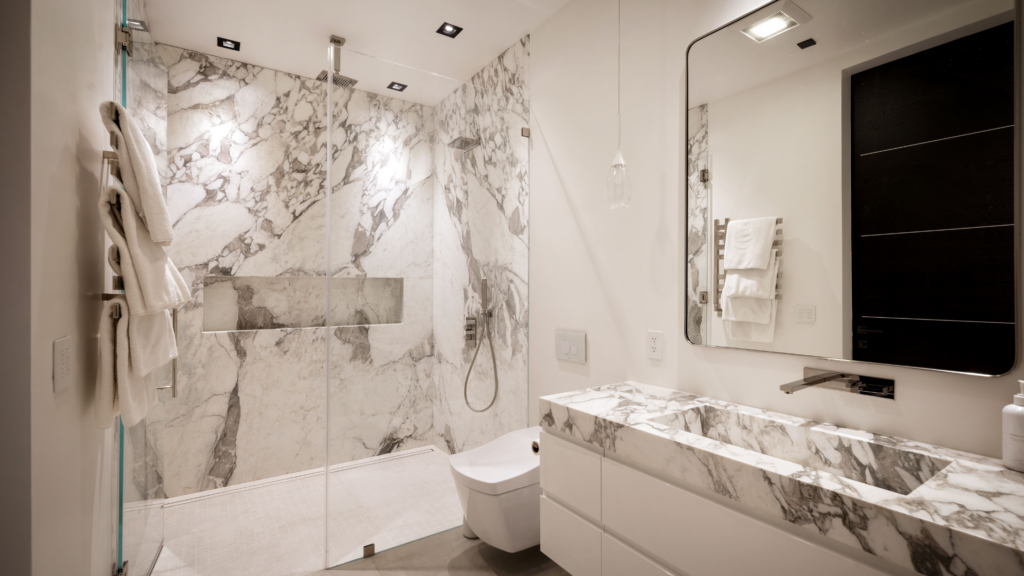
The bathroom’s square footage is one of the biggest cost levers. A small powder room or guest bath might require fewer materials, less tile, fewer fixtures, and less labor. On the other hand, a large primary bathroom with double vanities, a separate tub and shower, and higher ceilings means more to strip out, more plumbing, more finishes, and more cost. If you expand the footprint or move walls, the price jumps further because work extends beyond finishing into structural or layout changes.
Materials – Budget vs premium options
Material choices often separate a basic remodel from a show-stopper. Below is a breakdown of what your material selections might look like and how that can affect cost:
Budget materials
- Pros: Lower cost, often faster to install, and easier replacements later.
- Cons: Lower durability, fewer design options, may date more quickly.
- Examples: Basic ceramic tile, standard fixtures, stock vanity, no luxury features.
Mid-tier materials
- Pros: Balanced cost and quality, better long-term value, and more design variety.
- Cons: Higher cost than budget, some feature trade-offs.
- Examples: Porcelain tile, semi-custom vanity, upgraded fixtures, glass shower door.
Premium materials
- Pros: High aesthetic value, durable finishes, potential for higher resale value, and a luxury experience.
- Cons: Highest cost, longer lead times, may require specialized trades.
- Examples: Natural stone tile, custom cabinetry, premium plumbing fixtures, and smart technology (such as heated floors and digital controls).
Why this matters: Material costs often account for a significant portion of the total budget. Labor and plumbing moves follow the finish level. According to Sweeten’s 2025 data, for small bathrooms, materials ranged from $1,000 to $5,000, and labor often accounted for 30-50% of the total cost.
Complexity – Simple vs custom design
A remodel that adheres to the existing layout and utilizes standard fixtures is simpler and significantly less expensive. When you start custom designs—such as built-in benches, curbless showers, structural changes, relocating plumbing or electrical lines, or adding skylights or new windows—the cost rises quickly. Custom shapes, non-standard tiling patterns, and design features (such as freestanding tubs or spa-style showers) increase both material costs and labor hours. Hidden surprises (water damage, mould, unpermitted work) can also add unexpected cost.
Labor – DIY vs contractor pricing
Choosing to do some or all of the work yourself can reduce costs, but it comes with risk and a significant time investment. According to Angi’s data, labor often accounts for 40-65% of the total cost. In the US, Home Depot estimates that using professional home services significantly increases the base cost. If you’re comfortable with demolition, painting, and simple installs, you may save, but plumbing, electrical, waterproofing, and tile usually require licensed trades. Mistakes in these areas can result in costly repairs later.
Location/region/permit and inspection costs
Labor rates and material availability differ by region. Urban markets or high-cost states see higher labour and permit costs. Older homes may require more work (bringing plumbing/electrical up to code). Additionally, access (such as condos, multi-unit buildings, scaffolding, and restricted delivery times) can add 10-20% to the cost.
Scope of work – Cosmetic vs full gut
A cosmetic refresh (paint, new vanity, refinished tub) will cost far less than a complete gut, which involves demolishing everything, moving plumbing, restructuring, and retiling from floor to ceiling. The scope you choose links directly to the budget.
Hidden costs and contingency
Expect hidden costs, including water damage under old tile, improper waterproofing, mold remediation, and permit delays. It’s smart to budget 10-20% more than your planned amount for unexpected expenses.
Basic vs. high-end bathroom remodels examples
Basic remodel (entry-level budget)
Here’s a link to a project example of a smaller, simpler bathroom refresh. The Sweeten blog outlines typical cost ranges of around $ 3,000 to $12,000.
That kind of project might reuse the existing layout, update fixtures and tile, and keep plumbing and electrical in place. A good fit if you’re working with a modest budget and intend to stay in the home.
High-end remodel (luxury finish, complete redesign)
One Canadian cost guide reports that a full bathroom remodel in 2025 across Canada can range from CAD $19,000 to CAD $55,000, depending on size and finish level. A regional Ontario estimate puts a basic bathroom refresh at about CAD $8,000–$14,000, a mid-range renovation at CAD $15,000–$25,000, and high-end/luxury remodels at CAD $25,000–$40,000+.
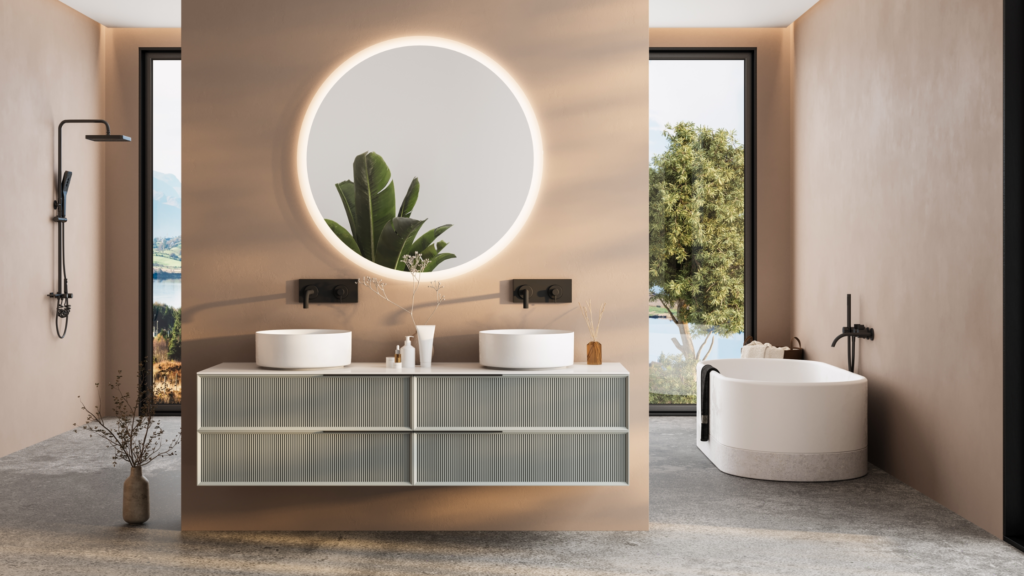
According to a 2025 cost guide by Sweeten, in the U.S., a high-end complete bathroom renovation starts at $31,000 and goes higher based on finish level. A luxury bathroom cost breakdown suggests homeowners should expect to spend between $30,000 and $75,000 for an extensive remodel with premium materials and custom features.
Things to consider for pricing variations
- Get local contractor quotes: Ask three contractors for detailed bids. Compare scope, materials, timelines, and warranties to ensure a comprehensive understanding.
- Use cost calculators: Many home improvement sites let you input your region, size, and finish level to get a ballpark estimate.
- Decide early whether you’ll DIY parts of the project or hire everything: If you can do demolition or painting yourself, you may reduce total spend—but don’t cut corners in waterproofing, plumbing, or electrical.
- Explore material choices carefully: A tile upgrade or custom vanity may cost thousands more—but if you’ll live with the bathroom for the long term, the value may justify the investment.
- Factor in a contingency of 10-20% to account for potential surprises: Hidden issues, such as a rotted subfloor or outdated wiring, are common.
- Choose your scope and layout early: Sticking to existing plumbing and layout saves a significant amount of money. If you move walls or plumbing, costs jump.
- Consider future resale value: Mid-range remodels tend to yield a better ROI than very luxurious finishes—unless your home and neighborhood justify the expense.
- Don’t forget permits, inspections, and disposal fees: These smaller items add up and vary by region.
Final thoughts
Bathroom remodels come with a wide price range, but a well-planned investment can significantly enhance comfort, style, and home value. Whether you’re tackling a small DIY refresh or hiring a contractor for a complete renovation, understanding where your money goes—materials, labor, and layout changes—helps you stay realistic about costs. Keep your goals clear, obtain multiple quotes, and leave a little room in the budget for unexpected expenses. A well-planned remodel not only updates your space but also adds lasting function and value to your home.
Check out our other guides if you’d like more details on bathroom upgrades or sustainable options:
- 8 simple ways to create a more sustainable bathroom
- Bathroom design features homeowners adore: must-haves for modern spaces
- How much does it cost to paint a house
If you’d like to keep up with more practical articles for the trades—remodeling, renovations, construction safety, and more—subscribe to our newsletter at Under the Hard Hat and get the latest content delivered straight to your inbox.