Staying on top of construction progress is one of the toughest parts of any build, and teams everywhere are looking for ways to work faster and with fewer surprises. That is exactly why the ND-3 from GoLe Robotics turned heads at CES 2026. This award-winning system uses AI to automate progress tracking and give builders the clarity they need to make better decisions on site.
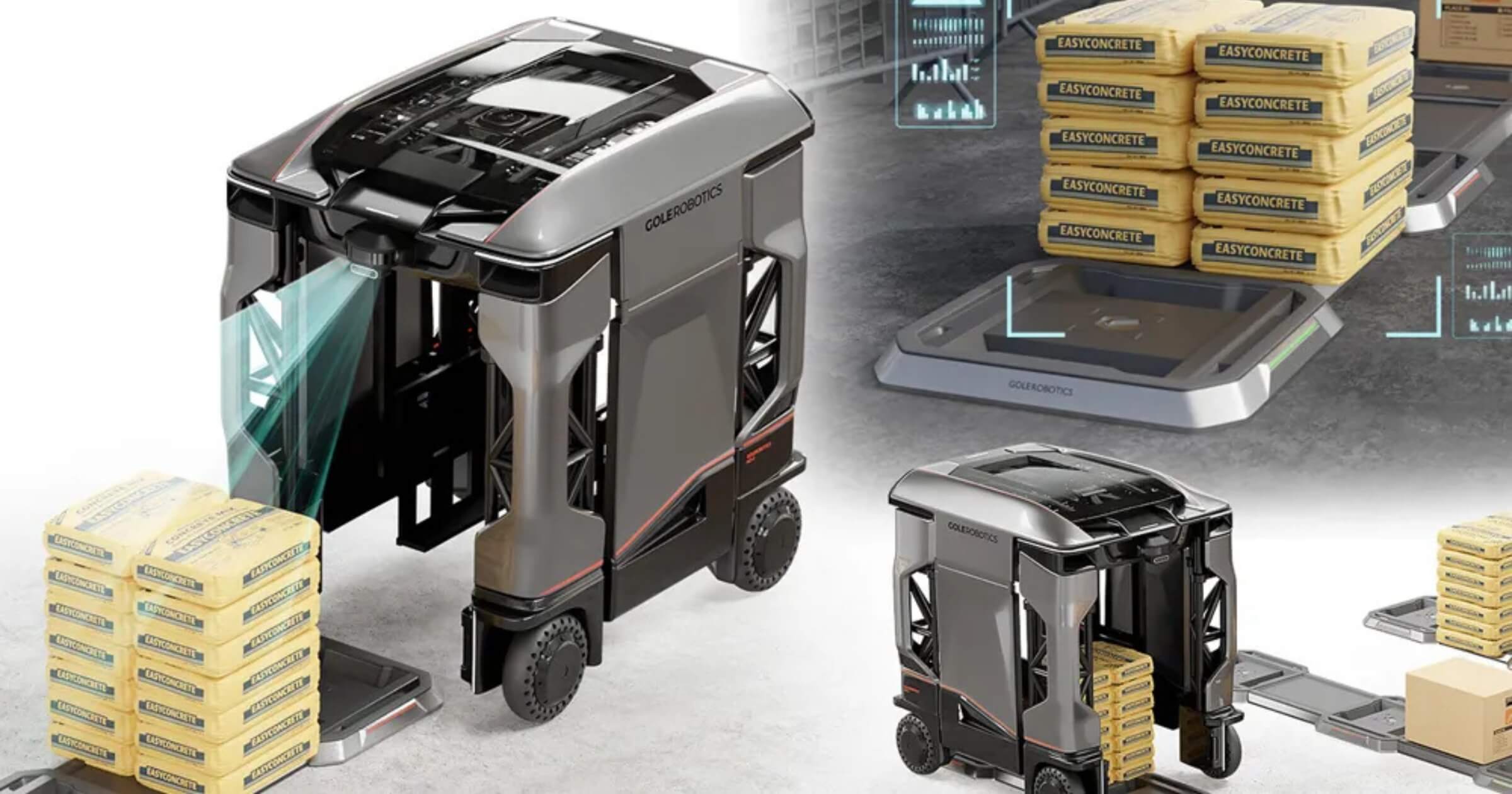
Built by GoLe Robotics, the ND-3 uses a mix of LiDAR, cameras, and on-device AI to understand its surroundings. This allows the robot to move safely through complex environments while sending data that supports GoLe’s project-tracking system.
The goal of the ND-3 construction robot is to automate the dull, dirty, and physically demanding parts of construction logistics so teams can focus on higher-skill tasks. It’s built for developers, contractors, project managers, and anyone involved in keeping a build on track.
CES Innovation Award: Honoree in artificial intelligence
The ND-3 earned its CES Innovation Award in artificial intelligence. The robot is designed to move materials around the site without supervision. Its AI and sensors help it see what is in front of it and choose a safe path, even when the ground is uneven. The ND-3 can also call and ride elevators, allowing it to deliver loads to different floors. This is a massive step in autonomy never before seen on a construction site.
The ND-3 uses its own AI, along with LiDAR and cameras, to understand the site and move materials where they need to go. That means crews do not have to step in for every lift or delivery. With the robot handling the tougher, repetitive jobs, workers can stay focused on higher skilled tasks that actually move the build forward.
According to their executives “GoLe Robotics plans to create a construction site that can communicate with robots and material data.” This will further advance the robots capabilities to navigate construction sites and terrain.
How to increase construction efficiency with the ND-3
Today’s construction teams face tighter schedules, smaller crews, rising material costs, and increased detail in design work. The hope is the new ND-3 will support construction crews by providing a quick look at real site conditions prior to them arriving so that they can spend less time on lengthy manual checks. It also plans to reduce the amount of repetitive labor by transporting heavy equipment to designated areas without the need for intervention.
The broader shift toward AI, robotics, and data-driven workflows are beginning to transform the construction sector. Better insights lead to better planning, safer sites, and more predictable outcomes. It’s only a matter of time before the ND-3 becomes a major part of this future.
Want more industry news, tech spotlights, and construction insights? Subscribe to our newsletter for updates.