
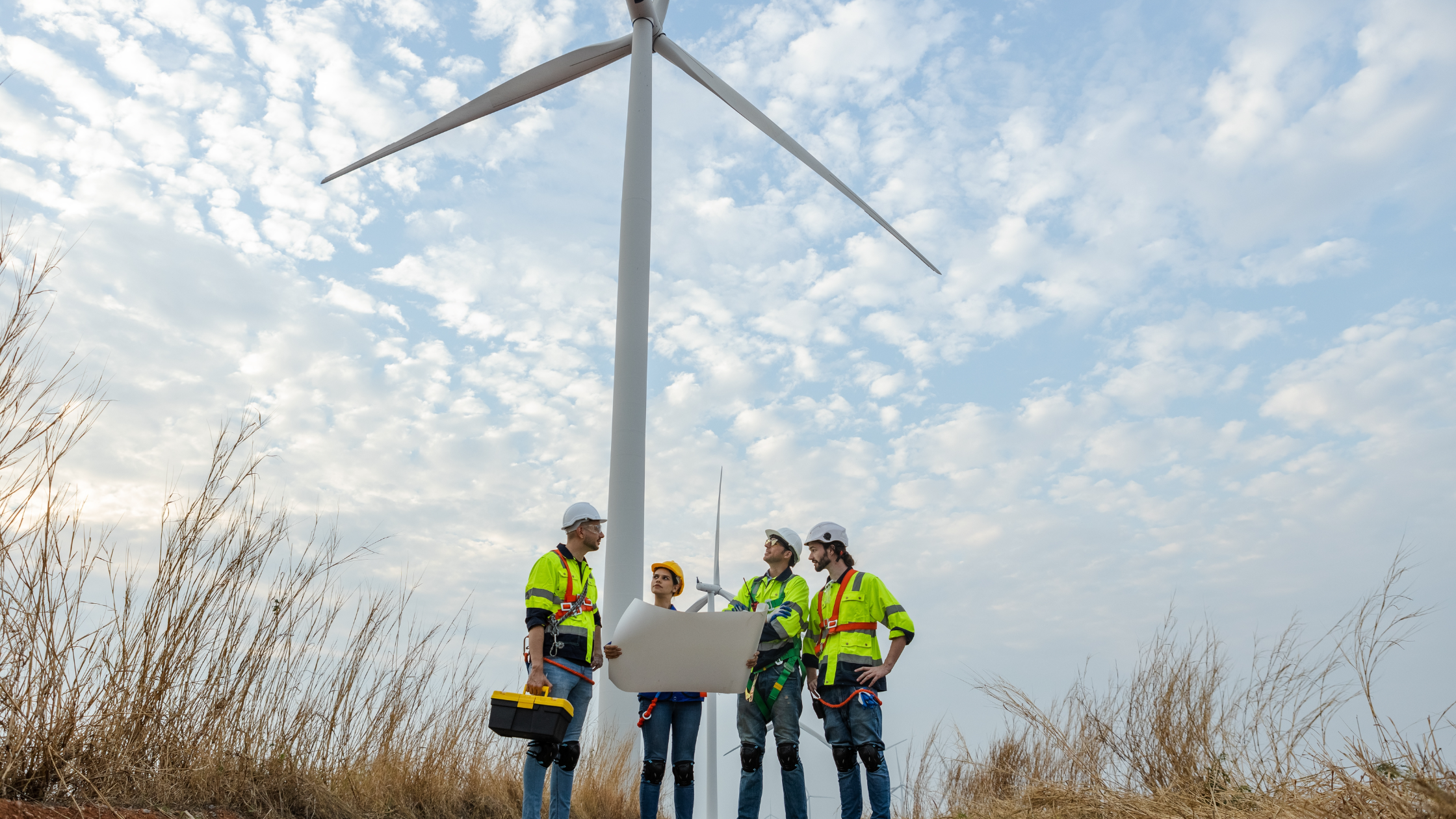
Environmental engineering is a career path often considered by people seeking a technical career in public health, infrastructure, and environmental protection. Environmental engineers design and manage systems to treat and remove contaminants from water, improve air quality, and remediate contaminated sites. The career involves a mix of office work, on-site inspections, and collaboration with contractors, government officials, and city planners. Once you know the steps you need to take, the path isn’t too complicated. This guide provides a clear, practical roadmap for how to become an environmental engineer in the U.S., including how long it takes, the steps to get there, salary expectations, and tips for success.
How long does it take to become an Environmental engineer?
Getting qualified as an environmental engineer in the U.S. is going to take between four and eight years, depending on how far you want to take the profession. The minimum route is a four-year degree, which qualifies you straight away for entry-level engineering roles. Many new engineers start immediately after graduation, often in roles such as junior engineer, staff engineer, or environmental analyst. These roles help you rack up the experience needed to get licensed, which is a big part of the process, so you can earn a salary and still make progress towards becoming a fully qualified pro.
Obtaining a Professional Engineering license typically requires an additional 4 years of supervised experience after graduation. This experience must be conducted under the supervision of a fully qualified engineer. Some people can get there faster by passing the FE exam early or by working for companies that offer mentorship programs.
Going to graduate school can extend your timeline, as a master’s degree typically adds an extra year or two. However, it will count towards the licensing requirements in some states. People who want to specialise or work in research-intensive roles often take this route. While it adds more time upfront, it saves you some years when moving up the career ladder.
Steps to become an environmental engineer in the U.S.
1. Earn a bachelor’s degree in environmental engineering or a related field
It all starts with getting an accredited engineering degree from an ABET-accredited program, which is crucial because it gets you on the path to becoming eligible to take the licensing exams. Environmental engineering programs focus on managing water systems, waste management, chemistry, and associated regulations. Some engineers enter the field with degrees in chemical, mechanical, or civil engineering, then build environmental expertise through coursework or hands-on experience, provided the program is accredited.
2. Build technical skills through coursework and labs
Environmental engineering is about applying science and data to real-world problems. You’ll see a lot of courses in subjects like fluid mechanics, environmental chemistry, and transport processes in your work. Lab work provides practical experience in water and soil analysis, including sampling methods, testing, and data interpretation. Many programs tie practical work to real-world scenarios, such as designing a treatment system or a remediation project. That way, when you get out into the real world, you’ll be able to hit the ground running.
3. Complete internships or co-op placements
Internships give you the chance to see how environmental engineering works in practice. You’ll likely end up working with a consulting firm, a city or state agency, a contractor, or an environmental protection company. The tasks you’ll be doing include fieldwork, site inspections, report preparation, and support for permit applications. From this experience, you will learn about safety procedures, documenting your work, and meeting project deadlines. And of course, it’s a real plus when it comes to landing a job after graduation, and they’ll often even extend a job offer.
4. Pass the Fundamentals of Engineering (FE) exam
The FE exam is the first formal licensing step for engineers in the U.S. Most students take it during their senior year or shortly after graduating. Passing the exam grants the Engineer-in-Training (EIT) or Engineering Intern (EI) designation. Employers value this credential because it shows commitment to professional licensure. The FE exam also builds familiarity with the testing process used later for the PE license.
5. Gain supervised engineering experience
Environmental engineers typically need approximately four years of hands-on work experience under the supervision of a fully licensed Professional Engineer before obtaining their license. This is the work they need to obtain licensing for: conducting environmental impact assessments, designing systems, preparing reports for the authorities, and overseeing construction projects. And when they do apply for their license, they’ll need to document exactly what they did to get that experience. By the end of this stage, they’ll have learned to make tough calls, gained the confidence to tackle challenging problems, and identified real solutions.
6. Consider a master’s degree or specialization
A master’s degree is not always necessary, but it can be a big help if you’re aiming for a particular line of work. Graduate school enables engineers to specialize in water resources, remediation, air pollution control, or environmental modeling, among other areas. Some employers want advanced degrees for people researching new things or working with governments, and in a few states, having a master’s can actually count toward the year of practical experience you need for your license. Specialising in something can also make you more valuable to an employer and often leads to a higher salary and greater responsibility.
7. Pass the Professional Engineer (PE) exam
The Professional Engineer (PE) exam is a must-have for engineers seeking full professional licensure. Environmental engineers typically sit for either the Environmental or Civil PE exam. Getting through it allows them to put their signature on their designs, send plans to the authorities, and take the reins on big projects. Unless specified by law or contract, many senior roles require you to be fully licensed. And having that PE credential can make you much more attractive to employers and usually comes with a higher salary and more leadership opportunities.
Salary expectations for an environmental engineer
Environmental engineers are well compensated across the U.S. However, there is some variation depending on your experience, industry, and location. The US Bureau of Labour Statistics reports that the median annual wage for an environmental engineer is approximately $100,000. You’d usually start around the $65,000 to $75,000 mark as an entry-level engineer, and if you have a lot of experience under your belt, you can easily crack six figures.
Job outlook isn’t changing much, as there will always be a need for people to work on infrastructure projects, water treatment plants, and environmental cleanup projects. Places investing in water systems, coastal defence, and cleanup projects tend to have stronger demand for environmental engineers. And if you’re working long hours on a big infrastructure project or taking on contract work, you can always expect to earn a bit more. Specializing in areas such as cleanup, compliance, or project management can also help increase your salary.
Tips for success as an environmental engineer in the U.S.

- Get comfortable with regulations early in your career. Environmental engineering is all about permits, standards, and making sure you do things by the book. Reading through EPA guidance documents and state regulations will give you a clear sense of how the design decisions you make are reviewed and approved. Engineers who are already up to speed on all regulatory documentation tend to complete work faster and earn clients’ and colleagues’ trust more quickly.
- Spend time outside the office when you can. Fieldwork teaches you how designs perform in real conditions, not just on paper. Site visits, inspections, and sampling work improve judgment and problem-solving skills. Engineers who understand the realities of construction communicate more effectively with contractors and inspectors.
- Treat writing as part of the job, not an afterthought. Reports, memos, and permit applications are basically bread and butter for an environmental engineer. Clear writing saves you and everyone else a lot of hassle when dealing with regulators and clients. And it’s well known that engineers who can craft a solid sentence are the ones who can take on more responsibility much faster.
- Keep detailed records of your experience. Licensing applications require specific documentation of duties and supervision. Tracking projects, tasks, and hours saves time and frustration later. This habit also helps when applying for promotions or new roles.
- Pay attention to where funding is going. Environmental engineering work often follows public investment. Infrastructure bills, water system upgrades, and remediation programs drive hiring trends. Engineers who understand these patterns can make smarter job moves and avoid slow markets.
Is an environmental engineer a good career?
Environmental engineering is a pretty safe bet when it comes to job stability—people will always need clean water and air. There are areas such as infrastructure investment and water system upgrades that consistently generate work, whether you’re working in the public or private sector. Many roles are interesting because they combine solving technical problems with making a real difference in your community, which is great for engineers who value visible results. Additionally, government agencies, utilities, and large consulting firms tend to offer more stable employment and solid benefits. If you like getting out in the field, dealing with regulations, and applying science to real-life situations, then this career path will be rewarding for you.
Final thoughts
Becoming an environmental engineer isn’t super complicated—basically, get the education, gain some experience, and wrap up with the proper licensure, and you’re good to go. If you’re looking at other career options, check out these related guides:
- How to become a construction safety officer
- How to become an electrical engineer
- How to become a civil engineer
- Architect vs engineer: Which career path should you choose?
For more career guides and industry insight tied to construction, engineering, and infrastructure, subscribe to the Under the Hard Hat newsletter and stay up to date on what’s shaping the field.