
Contractors, tradespeople, and project managers across North America are feeling the pressure as the construction industry works through record demand for housing and major infrastructure. At the same time, a widening skills gap in construction is slowing down projects and making it harder for companies to keep up with the pace of change. New tools, digital workflows, and automation are arriving faster than teams can adopt them, which is creating real challenges on job sites of every size. This article looks at why this shift is happening now and what the industry needs to do to build a workforce that is ready for the future.
Quick look
- Record demand, workforce shortages, and slow productivity are forcing the industry to rethink how it works.
- From BIM and robotics to AI and AR, new tools are changing how projects are planned, built, and managed.
- Many tools go unused because teams lack training, support, or confidence—not because the tech doesn’t work.
- Companies that invest in digital skills now will be better equipped to win work and retain top talent.
Why construction is at a tipping point
The construction industry is facing a moment that feels both exciting and overwhelming. Demand keeps rising as North America works to ease housing shortages and push forward with major infrastructure programs. From transit lines to renewable energy projects, the pipeline is bigger than anything the industry has seen in years. This nonstop workload is creating strong career opportunities, but it is also stretching the current workforce to its limits.
A big part of the strain comes from demographics. Many experienced tradespeople are nearing retirement, and fewer new workers are stepping in to replace them. When you combine that with an aging workforce, companies often struggle to staff projects or keep timelines on track. This pressure makes the skills gap in construction even harder to ignore.
Many contractors say the productivity squeeze is one of the biggest pressures they feel on site. The work is more complicated; schedules are tighter, owners want clearer updates, and there is far less room for delays or guesswork, yet the way projects are delivered hasn’t changed much. It’s getting harder for crews to keep up without the right tools; smarter workflows are no longer a nice-to-have, they allow today’s projects to move forward without bottlenecks.
In the U.S., federal and state governments are trying to ease the construction labor shortage by investing in training and apprenticeship programs. The Department of Labor committed more than $244 million to expand Registered Apprenticeships in trades that include construction. These programs are designed to grow the talent pipeline, but they take time to produce enough skilled workers to meet demand.
Immigration trends also play a role. Undocumented workers make up a meaningful share of the construction workforce (approximately 13%). When worksite enforcement increases, the available labor pool can tighten quickly, which adds pressure to companies already struggling to staff projects.
All of these pressures are hitting the industry at once. High demand, shrinking labor, slow productivity, and rapid tech adoption are pushing construction into a new era. The companies that learn to adapt quickly will be the ones that stay competitive, win more work, and build stronger teams for the long term.
Technologies that are changing how we build
Technology is starting to change the day-to-day reality of construction. New tools are showing up on job sites and in offices, becoming part of how teams plan and communicate. A lot of this shift comes from digital construction. BIM, 3D models, and shared data platforms give everyone access to the same information. When crews can see problems earlier and coordinate directly off the model, they spend less time fixing mistakes and more time moving the project forward.
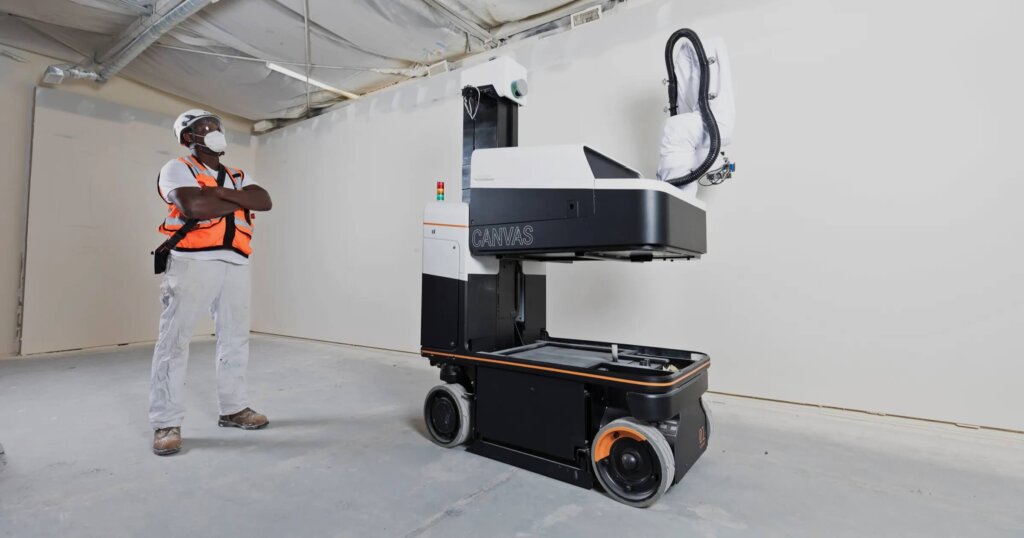
Robotics and automation are also becoming part of everyday workflows. Layout robots help crews move faster and with more accuracy. Rebar tying robots handle repetitive tasks that can lead to fatigue. Drywall robots speed up finishing work. Even autonomous or semi-autonomous equipment is beginning to appear on larger projects. These tools do not replace the workforce; they support teams by reducing physical strain and giving workers more time to focus on higher-value tasks.
Artificial intelligence is also starting to play a noticeable role in how projects come together. Many of the new tools can sort information far faster than a person can, which helps with tasks like early estimating, spotting scheduling issues, and identifying design conflicts. Some systems can even scan site data and alert teams to safety concerns as they happen.
Data collection has also improved dramatically. Drones, sensors, and site cameras capture progress throughout the day and feed updates back to project teams. This real-time visibility helps workers address issues before they grow and gives managers a clearer picture of their sites.
Some builders are also exploring immersive technologies such as virtual reality and augmented reality. These technologies allow crews to walk through a project long before construction begins, helping teams spot clashes, understand sequencing, and communicate design intent with clarity that traditional drawings cannot offer.
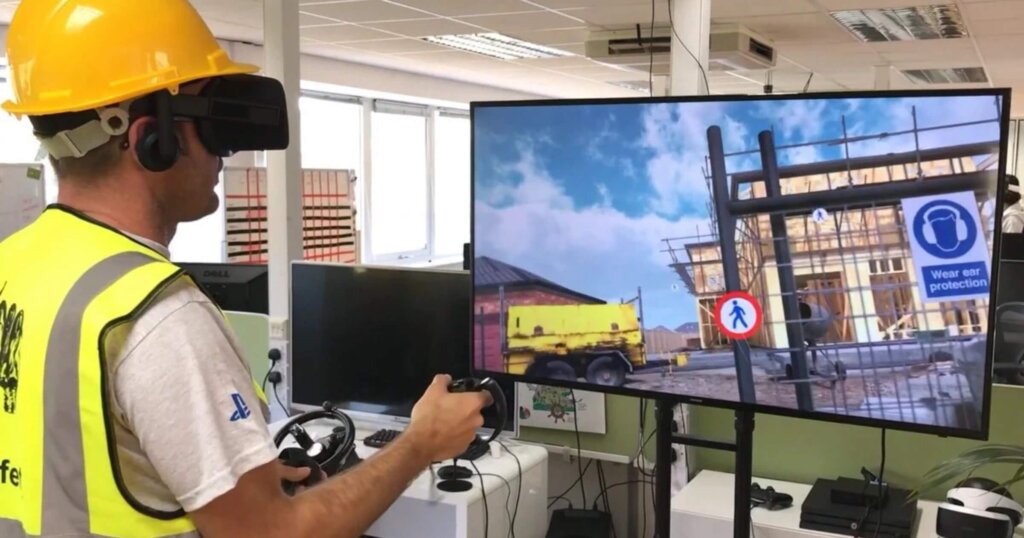
VR is becoming a valuable training tool because workers can practice safety procedures or equipment operation in a controlled environment. AR is taking shape on active job sites by overlaying digital models onto installed work, helping crews verify placement, reduce errors, and speed up installation. Together, VR and AR are giving teams a more intuitive way to plan and execute projects while reducing the guesswork that often slows construction down.
The skillsets construction needs next
Technology is becoming part of everyday work on most sites, but no one expects tradespeople or project teams to suddenly turn into engineers. What really matters is feeling comfortable with the tools that are now showing up on projects and being open to learning as things evolve. Most of the skills people need are practical and tied to the same tasks they have always done, just with a bit of digital support.
- More jobs rely on tablets, mobile apps, cloud platforms, and digital forms. Even small improvements in digital literacy can make information flow more smoothly between the office and the field.
- Being able to work with models is becoming a real advantage on today’s projects. When crews can move through a 3D layout, they get a much clearer picture of what needs to happen and in what order. It also helps them catch potential conflicts before anything is installed, reducing rework and keeping the job moving.
- Robotics and automation are appearing on more sites as well. No one needs to be a technician to use these tools, but workers do need to know the basics of operating them and checking that they are set up correctly. Layout robots, rebar systems, and other automated tools take on some of the repetitive work, leaving crews free to focus on tasks that require more skill and judgment.
- Another shift is happening with off-site construction. As more components are built in controlled factory settings, teams need to understand how those pieces fit together on site. That includes knowing the assembly order, checking quality, and making sure the installation matches the design.
- Data is also becoming part of everyday decision-making. Dashboards, sensors, and progress tracking tools give teams a clearer view of what is happening in the moment. When people can see issues early, they can respond faster instead of relying on guesswork or outdated information.
Where the skills gap appears in construction projects
For many companies, the challenge is not having the data but knowing how to use it. That challenge often shows up in discussions about why the industry has been slow to adopt new technology, including common barriers that hold teams back.
The skills gap becomes most visible once teams try to use new tools on active job sites. Many companies invest in digital platforms, but those tools often sit unused because field teams were never fully trained or did not have enough time to get comfortable with them. When that happens, workers fall back on what they know.
Here is what the gap commonly looks like in practice:
- Digital tools purchased but not adopted. Crews revert to paper because they were never given proper training or ongoing support.
- Workflows that feel intimidating or inaccessible. Confusing interfaces make paper feel easier and faster.
- Delays tied to unfamiliar technology. When workers are unsure how to use BIM, digital RFIs, layout tools, or dashboards, tasks that should be quick end up slowing the project down.
- Cultural resistance across generations. Experienced workers may feel threatened by new tools, while younger workers may feel hesitant to speak up or offer guidance.
- A disconnect between office and field expectations. Managers assume tools are being used because licenses were purchased, but crews may not feel ready or supported.
The important thing to remember is that none of this is a software issue—it is a people-and-process issue. Technology only works when workers feel confident using it, when training is ongoing, and when teams communicate openly about what they need to succeed.
What companies can do now to start closing the construction skills gap
Construction firms don’t need to overhaul their entire workforce to make real progress. With a few focused steps, companies can build digital confidence and support teams through the shift happening across the industry:
- Make skills a strategic priority. Dedicate budget, leadership attention, and time for training. When leaders show that upskilling matters, teams are far more likely to embrace new tools and workflows.
- Map the roles most affected by digital change. Identify which jobs rely heavily on digital tools and define the specific skills each role needs. This creates clarity and reduces uncertainty for workers who want to understand what is expected of them.
- Build structured training programs. Offer a mix of internal workshops, vendor-led sessions, micro-learning, and mentorship. Training should be ongoing and accessible, not a one-time event.
- Pair workers strategically. Partner younger digital-native employees with experienced field leaders. This cross-training helps both groups learn from each other and builds trust across generations.
- Pilot before scaling new tools. Test digital platforms or equipment on smaller projects first. Use these pilots to refine workflows, adjust training needs, and troubleshoot challenges before rolling out tools companywide.
- Measure adoption, not software purchases. Focus on how often teams actually use the tools and on their comfort level. Track engagement, feedback, and results to understand what is working and where more support is needed.
From tech challenge to talent advantage
Construction is entering a new era, and companies that invest in their people now will feel the benefits for years to come. Upskilling is more than a training exercise—it’s a strategic move that reduces delays, strengthens project performance, and helps teams stay competitive during one of the biggest workforce shifts the industry has ever seen.
The right skills also become a powerful differentiator. Companies that support digital growth are more attractive to recruits, more successful at retaining experienced workers, and better positioned to win work that demands modern, data-driven delivery. Instead of viewing technology as a hurdle, these firms turn it into an advantage that sets them apart.
Most importantly, starting early gives companies room to grow at their own pace. The sooner training begins, the sooner teams gain confidence and workflows evolve. This prevents the scramble that happens when demand rises faster than workers can adapt.
If you want more insights like this, subscribe to our newsletter and stay ahead of the trends shaping construction’s future.