
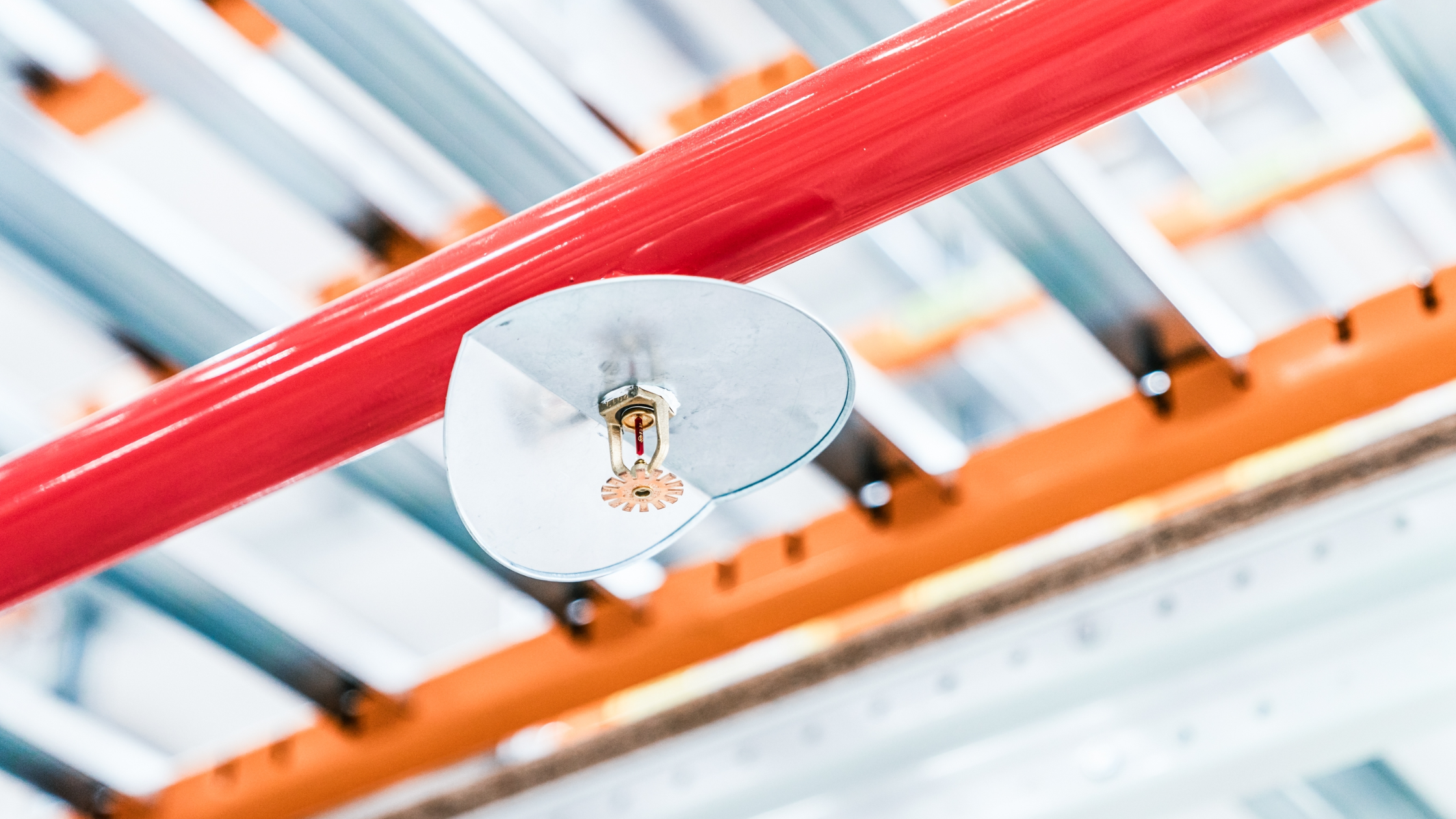
If you’re in the U.S. and thinking about a hands-on career that pays well and plays a real role in keeping people safe, sprinkler fitting is worth a closer look. Sprinkler fitters install and maintain fire protection systems in homes, offices, and industrial buildings, and the demand for this trade continues to grow. This guide walks you through the steps for how to become a sprinkler fitter, from training and apprenticeships to pay and career outlook.
What does a sprinkler fitter do?
Sprinkler fitters install, inspect, test, and maintain fire sprinkler systems in homes, offices, warehouses, and industrial buildings. Their work helps control fires and protect lives and property before emergency crews even arrive.
On the job, sprinkler fitters read blueprints and building plans to figure out where pipes and sprinkler heads need to go. They cut, thread, and install piping, connect sprinkler heads, and make sure everything is positioned correctly. Once a system is installed, they test it and perform regular inspections to ensure it meets fire codes and safety regulations. Sprinkler fitters also handle repairs and upgrades, especially in older buildings that need updated fire protection systems.
Most sprinkler fitters work on construction sites or inside finished buildings, often alongside electricians, plumbers, and other trades. The job can be physically demanding, with lifting, bending, and working on ladders or lifts, but it suits people who enjoy hands-on work and problem-solving in a team environment.
How long does it take to become a sprinkler fitter?
Most people become fully trained sprinkler fitters through an apprenticeship that lasts about four to five years. During this time, you earn a paycheck while learning the trade, which makes it an attractive option for people who want to avoid student debt.
An apprenticeship combines classroom instruction with paid, on-the-job training. In class, you learn about fire codes, safety rules, and how sprinkler systems work. On the job, you work alongside experienced sprinkler fitters who teach you how to install, test, and repair systems in real buildings.
Many apprentices start as entry-level helpers and gradually take on more responsibility as their skills grow. After completing the required hours and training, you can become a journeyperson sprinkler fitter. If you already have construction experience or have attended a trade school, you can shorten the apprenticeship timeline or move through the program more quickly.
Steps to become a sprinkler fitter in the U.S.
1. Meet basic eligibility requirements
Before applying to an apprenticeship, you need to meet a few basic requirements. Most programs require you to be at least 18 years old and have a high school diploma or GED. Since the job involves lifting, climbing, and working in tight spaces or at heights, good physical fitness and comfort working off the ground are also necessary.
2. Apply for a sprinkler fitter apprenticeship
The most common path into the trade is through an apprenticeship, which can be union or non-union. Union programs often offer structured training, strong wages, and benefits, while contractors or trade associations may run non-union programs. Employers and training programs typically look for applicants who are reliable, safety-minded, and willing to learn.
3. Complete classroom and on-the-job training
Once accepted into an apprenticeship, you will split your time between the classroom and the job site. Classroom training covers topics like fire codes, piping systems, blueprint reading, and safety procedures. On the job, you gain paid, hands-on experience working under licensed sprinkler fitters, learning how systems are installed, tested, and maintained in real-world settings.
4. Earn required certifications or licenses
Licensing and certification requirements vary by state and local jurisdiction. Many sprinkler fitters need to pass exams related to fire protection systems and safety standards before working independently. Staying compliant with regional fire codes is essential, as regulations can change and affect how systems are installed and inspected.
5. Advance to journeyperson or specialized roles
After completing your apprenticeship and meeting licensing requirements, you can earn journeyperson status. From there, many sprinkler fitters choose to specialize in areas like system inspections, fire protection system design, or supervisory roles. These advanced positions often come with higher pay, greater responsibility, and opportunities for long-term career growth.
Salary expectations for sprinkler fitters in the U.S.
Sprinkler fitting can be a solid-paying trade, especially once you complete your apprenticeship and gain experience. Pay varies by experience level, where you work, whether you’re in a union, and how specialized your skills are.
- Entry-level or apprentice sprinkler fitters often start with lower pay while learning the trade. Typical starting salaries are around the low-$40,000s per year, with hourly rates near the low-to-mid $20s for those just beginning.
- As you gain experience and complete your apprenticeship, many sprinkler fitters see pay increase into the mid-to-high $50,000s and even beyond $75,000 per year. Some higher-paying positions, especially in unionized areas or with specialty skills, can exceed this range.
- Pay can vary widely by location. In some states or cities with high construction demand, sprinkler fitters can earn well above the national average. Union wages also tend to be significantly higher than non-union rates.
- Many sprinkler fitters earn extra through overtime, especially on tight project deadlines. Union wage rates often include higher base pay plus benefits, and additional certifications or specialty skills can lead to higher compensation.
- Sprinkler fitting falls under the broader construction and fire protection trades. While specific BLS data for sprinkler fitters alone isn’t published, related trades such as plumbers, pipefitters, and steamfitters show steady demand, with periodic growth tied to new construction and infrastructure projects.
Salary summary chart (U.S., approximate)
| Experience Level | Typical Annual Salary | Typical Hourly Rate |
| Entry-Level Apprentice | ~$40,000–$50,000 | ~$20–$25/hr |
| Mid-Career Journeyperson | ~$55,000–$75,000 | ~$25–$35/hr |
| Experienced / Union | ~$75,000+ | ~$35+/hr |
Sources (U.S. salary data): Ziprecruiter, Glassdoor, Talent, Indeed
Tips for success as a sprinkler fitter in the U.S.

- Stay up to date on fire codes and safety standards. Fire protection rules can change, so keeping your knowledge current helps you do the job right and avoid costly mistakes.
- Build strong math and blueprint-reading skills. Basic math and the ability to read plans make installations smoother and help you work more efficiently on complex systems.
- Take safety training seriously from day one. Working with heavy materials and at heights comes with risks, and good safety habits protect you and everyone else on the job site.
- Be reliable and open to learning from experienced tradespeople. Showing up on time, working hard, and listening to seasoned sprinkler fitters goes a long way in building a strong reputation.
- Consider union membership for training and long-term stability. Union programs often offer structured training, higher wages, and benefits that support a long, steady career in the trade.
Is sprinkler fitting a good career in the U.S.?
Sprinkler fitting is a strong career choice for people who want steady work and long-term security. Fire sprinkler systems are required in many buildings, and aging infrastructure often necessitates repairs, upgrades, or full replacements. That ongoing need helps keep demand for sprinkler fitters consistent, even when construction slows in other areas.
The work itself is reliable and varied. Sprinkler fitters are needed on commercial projects like offices and warehouses, industrial sites, and residential buildings. That range gives workers more options for job sites, schedules, and project types. For those starting, sprinkler fitting also stands out among entry-level construction jobs because it offers a clear path to higher pay and specialization as skills develop.
Another big advantage is the strong union presence and structured apprenticeship system. Many sprinkler fitters enter the trade through well-established apprenticeship programs that combine paid work with formal training. These programs are often ranked among the best trade apprenticeships in construction for their clear progression and support for long-term careers.
Overall, sprinkler fitting offers solid job security and transferable skills that can lead to supervisory roles, inspections, or system design. It’s a good fit for people who enjoy hands-on work, value safety, and want a trade that will remain essential for years to come.
Final thoughts
Sprinkler fitting offers a strong mix of steady work, solid pay, and long-term growth. With ongoing demand tied to building safety, infrastructure upgrades, and new construction, it’s a trade that offers real stability for people who want a hands-on career with clear advancement opportunities.
For the latest stories, job tips, and industry updates delivered straight to your inbox, subscribe to our newsletter.