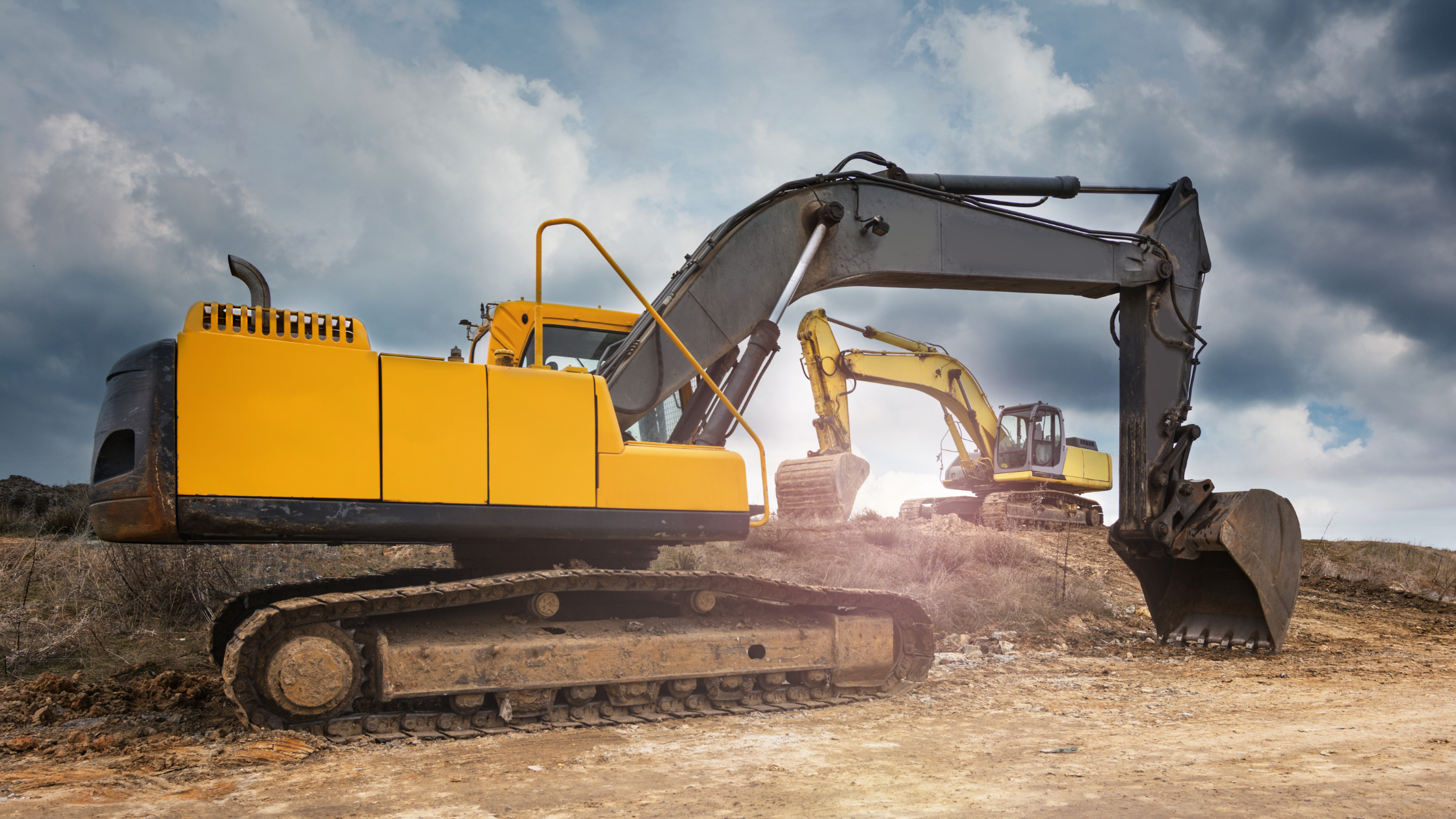
Contractors and equipment managers need to stay on top of industry trends, because they affect everything from labor needs to downtime to safety exposure—and ultimately how much profit ends up in the bank. As we head into 2026, the heavy equipment landscape is changing in some pretty significant ways, and some of these changes are happening quickly. This article is a rundown of the 15 heavy equipment trends already shaping how construction, civil, and mining work gets done, and what fleets are starting to look like.
Trend #1: Electric equipment is no longer just a test project
Electric heavy equipment has finally moved from pilot programs to daily use on several construction sites. Compact excavators, skid steers, and small loaders are no longer just relegated to easy cleanup jobs; they’re getting the real work done. City-building projects have been the primary driver of this shift, especially in districts where noise or pollution regulations make the use of diesel-powered heavy machinery nearly impossible. Construction crews working indoors or near residential areas are finding that obtaining permission to use the electric kit is much easier, which is a significant advantage.
Battery life remains a challenge, but crews on the ground have improved their planning to account for those time constraints. Recharging the batteries is no longer a chore; it’s just another part of the daily routine. You’re starting to see yard-level charging, portable power packs, and shared charging stations becoming standard parts of the equipment management routine. That still doesn’t mean diesel is being replaced everywhere just yet, but it does make it well-suited for a wide range of applications that diesel just can’t handle.
Trend #2: Hybrid powertrains are picking up steam
Hybrid equipment is particularly appealing to fleets seeking to reduce fuel consumption without changing their operating practices. They help ease up on the engine load when things get slow—like when you’re trenching or finish grading, for instance. You won’t save much fuel right off the bat, but it does add up over time, making it easier to sell the idea to decision-makers. Plus, operators don’t need to change how they go about their day or worry about when to swap batteries.
For contractors, hybrids offer a certain peace of mind. These machines can run continuously for days, refuel like conventional machines, and still reduce your fuel bill by a few dollars. Because the engine is under less stress, they can go longer between maintenance intervals. That makes them an excellent fit for long projects that need a reliable rig without much fanfare.
Trend #3: Telematics is no longer a luxury
Telematics has become standard—nearly all new machines ship with it preinstalled and ready to go. Contractors use this data to monitor equipment location, runtime, and workload. The days of being in the dark about idle time and fuel use are over.
The effect on the business is immediate: decision-making for fleets just got much easier. You can pull a machine off a slow job and redeploy it to where it’s really needed instead of just leaving it idle. Theft recoveries are better, and disputes over rental hours are way less common. And the best part is that telematics converts all that guesswork into real facts and figures you can work with.
Trend #4: Predictive maintenance is the new norm
Maintenance is slowly shifting from ‘react and fix’ to proactive planning. Sensors are connected to key metrics—temperature, pressure, and vibration—monitoring them closely. When things start to go wrong, you get a heads-up before it all falls apart, and you have to do an emergency repair. This means repairs can be scheduled at your convenience, not during a breakdown.
For shops, this is a big win—with some planning, they can schedule parts and labor in advance. When equipment goes down, the downtime is much shorter and far less disruptive to the rest of the operation. Over the years, fewer surprise failures mean a smoother production line.
Trend #5: Automation is going beyond grading
Automation is no longer just for dozers and graders. Excavators are increasingly using features to support depth control, swing limits, and bucket positioning. Loaders are getting in on the act, too; maintaining a consistent cycle time is key. These tools help reduce the gap between operators, including new ones.
And that matters on long shifts, as after a while, everyone starts to feel fatigued, and accuracy suffers. Automation helps level that out. New operators aren’t getting stuck in a rut like they used to, so it’s easier to get more people up to speed, which is a big help when you’re dealing with labour shortages. But automation is there to help operators, not replace them.
Trend #6: Safety-focused tech is getting serious
You’re seeing more and more machine systems prioritize safety. Features such as cameras, proximity sensors, and alerts help operators spot people and objects outside their line of sight. This stuff is particularly useful when you’re working on tight sites with lots of different types of traffic zipping around.
That used to largely depend on luck, but now you can prevent accidents from happening in the first place. And that’s a major plus for any contractor, because when accidents happen, they can really mess with your schedule: they can stall work, trigger investigations, and interfere with relationships with the property owner. So contractors are taking notice of this safety tech because it helps reduce those risks.
Trend #7: Machines designed for faster attachment changes
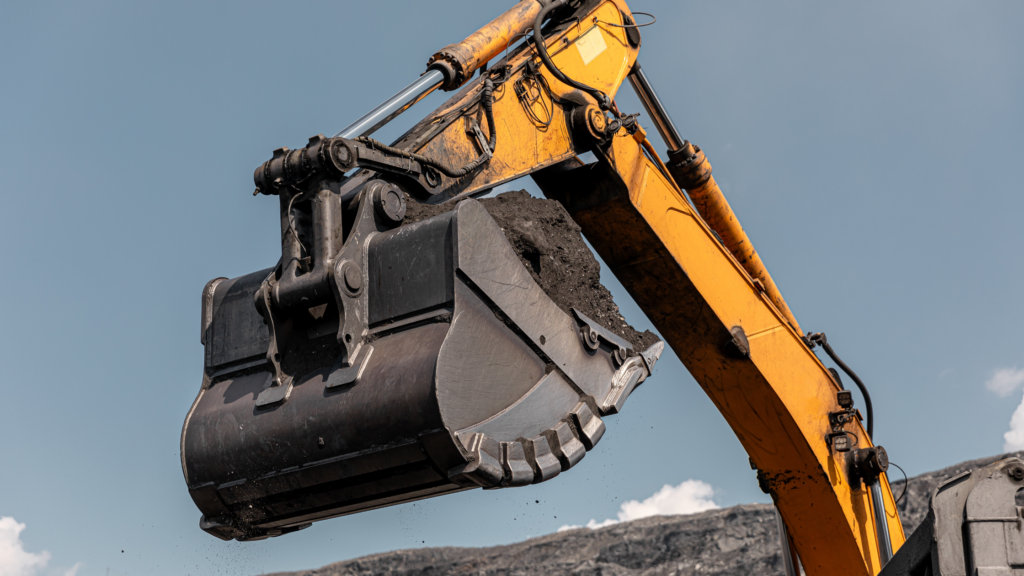
Many manufacturers are now designing machines that can be switched between tasks without slowing production. Things like quicker couplers, improved hydraulic systems, and smarter systems that can determine which attachment is attached—all of which are helping reduce the time it takes to switch between tasks. And on busy sites, the last thing you want to be doing is just standing around waiting for a second machine to show up.
Faster attachment changes keep your operators working and help avoid those bottlenecks when schedules get tight. This is especially important on sites where job scopes change frequently. Utility crews might be digging trenches in the morning, then lifting and moving materials later in the day, so having the flexibility to switch between tasks quickly is a big plus. Of course, having that flexibility also allows you to do more with fewer machines on site, reducing transport costs and congestion.
Trend #8: Smaller machines punch above their weight
You might be surprised by how much power smaller machines have these days, thanks to improved hydraulics, added counterweights, and stability systems. That means you can use smaller machines to tackle heavier jobs without pushing them too hard. This is key when you’re jammed in tight city space or dealing with utility work where every extra inch makes a difference.
The best part is that these machines are easy to transport: they fit on smaller trailers and require no special permits. No more confusion and stress when you’re moving from one short-term job to the next, and fewer headaches when you’ve got multiple small sites to juggle.
Trend #9: Using data to cut fuel costs
Contractors are finally getting a handle on their fuel usage, and it’s no longer just a rough estimate. Thanks to telematics systems that provide a play-by-play of when machines are idling or operating under adverse conditions, they can finally get a clear picture of what’s going on. And then they can start making real changes: tweak traffic flow, where they place the machines, and how they use them.
Even shaving off a bit of idle time here and there can add up to thousands of dollars in annual savings. Plus, more accurate fuel tracking enables you to make better-informed bids, as you’re basing them on real data rather than educated guesses. And if you’re operating in a highly competitive market, showing you can keep fuel costs under control helps protect your profit margins.
Trend #10: Fleets get smaller, repair bills get smaller too
Some contractors are reconsidering how long they keep their equipment in service. Rather than letting it enter the high-mileage territory, where repairs become prohibitively expensive, they’re selling it earlier. And in some places, there’s actually a pretty healthy market for used equipment—as long as you can prove that it’s been well taken care of. This approach makes it easier to spread repair risk, especially when workloads are high.
It’s a whole different way of thinking about owning equipment, too. Rather than focusing solely on the purchase price, you need to consider the ongoing maintenance costs. This can be a significant issue for contractors with extensive high-use equipment.
Trend #11: Rental fleets are getting a makeover
Rental companies are now refreshing their fleets much faster than contractors with their own equipment. Many rental machines today come with the latest telematics, automation, and safety systems already installed. Contractors who rent equipment expect to get the latest technology, not just a bare-bones machine. This is raising the bar for what people consider acceptable performance.
That’s putting some pressure on fleets that contractors own themselves. If a rental machine outperforms your own, you’ll start wondering whether you’re getting the most out of your equipment. And that’s making many contractors rethink whether owning equipment is worth it in the first place.
Trend #12: Putting data to work
Machines are now sending data directly into office systems without needing any manual input. That means hours worked, fuel usage, and production rates are showing up in estimating and scheduling platforms without needing to be keyed in. This saves significant time and reduces the number of errors you’ll encounter.
Project managers gain a clearer view of job performance and can immediately see when things go off track. That lets them take action before it’s too late. It’s a much tighter feedback loop that helps control complex projects.
Trend #13: Dealers go remote
Dealers are now diagnosing machines over the phone before dispatching a service truck. Fault codes and sensor data give them a better understanding of what’s happening before they even arrive on site. More often than not, they have the parts needed to fix the problem on the truck rather than returning to do further digging.
Contractors appreciate this because it allows them to get their machines repaired faster and avoids the hassle of a service truck arriving unprepared.
Trend #14: Training on the fly

Training is being flipped on its head and moving from the classroom to right in front of the operators. Onboard systems walk new recruits through the controls, operating modes, and procedures before they even start. New hires learn the ropes a lot faster, and even seasoned pros can get a handle on new equipment without too much trouble.
This is a real game-changer for companies that deal with high turnover or seasonal hiring. Crews stay productive, even when they’ve got new faces. Training is just part of what you do every day, not a big ordeal.
Trend #15: Going green affects equipment choices
Emissions regulations are significantly affecting which equipment contractors can use on specific projects. Public agencies and private owners are setting standards based on engine ratings and output. Contractors must consider these limits when bidding on projects, including which equipment is permitted on site and which is not.
Those companies that are ahead of the curve on this one are really going to get off easy—they won’t have to scramble at the last minute to get some new gear in place. They can plan ahead and ensure they have the right machines for the job. No longer just a headache, regulations are becoming a practical decision.
Final thoughts
The heavy equipment trends heading into 2026 are about smart machines, getting your planning right, and getting the field and office working together as closely as possible. And make no mistake, these shifts will change how jobs are staffed, priced, and delivered. Contractors who catch on now will avoid the hassle later.
For more coverage on equipment, heavy equipment trends, and jobsite technology, subscribe to the UTHH newsletter to stay informed on the equipment shaping work in the trades.