
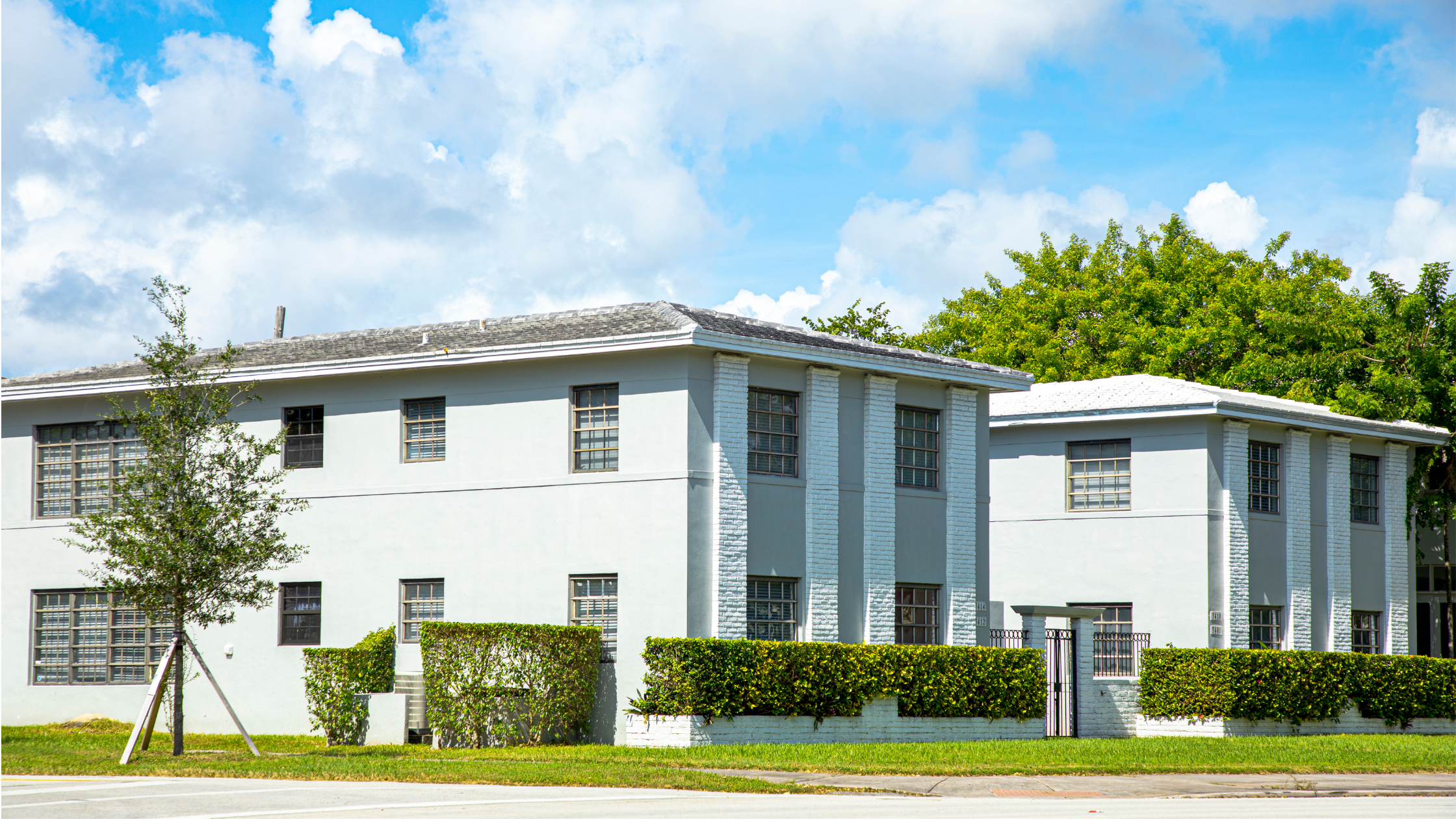
If you’re asking how much does it cost to build an apartment complex, you’re likely trying to pin down a number before drawings, bids, or financing are entirely in place. What determines the size of your apartment budget is never just the square footage—it’s much more complex than that. It comes down to the type of building you’re in, the kind of land it’s on, and the state of the local rental market. A simple walk-up on a straightforward site can cost far less than a mid-rise with elevators, structured parking, and high-end common spaces. This article aims to give you an idea of what a realistic budget for building an apartment block should look like and what tends to drive costs up or keep them in check.
Average cost to build an apartment complex
Most apartment budgets begin with a cost-per-square-foot estimate, but are refined once the design and site are finalised. The RSMeans figures indicate that the cost of building mid-rise and high-rise apartments ranges from $220 to $700 per square foot, with significant variation by project and location. Owners and developers see this in practice when similar buildings incur very different costs depending on location.
For a rough estimate, many teams use a 3-tier approach: low, mid, and high. The low end typically consists of simpler buildings with less complex designs, the same floor layouts for each apartment, and standard finishes. The high-end, on the other hand, typically involves taller buildings in challenging locations, with car parks, fancier finishes, and the additional logistical headaches of construction in a busy urban area.
Typical hard-cost ranges (construction only)
| Build level | U.S. hard cost (USD/sq ft.) | Canada hard cost (CAD/sq ft.) | What usually sits in this tier |
| Low | $180–$260 | $240–$350 | Low-rise wood-frame, simple exterior, basic interiors |
| Mid | $260–$400 | $350–$525 | Mid-rise, elevators, stronger envelope, moderate amenities |
| High | $400–$700 | $525–$900 | Concrete/steel, parking structure, premium finishes, urban constraints |
These ranges are “hard costs”, or construction costs. They do not include land acquisition, financing, legal fees, design fees, or developer overhead. Those ‘soft costs’ really do make a big difference—they can knock millions off, or add them on to your total, especially when you’re working on a larger project. If you’re building north of the border in Canada, keep an eye on construction prices, as they can shift overnight. Statistics Canada offers a tool called the Building Construction Price Index that tracks quarterly changes in the prices contractors charge for new residential construction.
A quick “per-unit” reality check
Per-unit cost estimates provide a simple starting point and can help you gauge whether your early cost assumptions are in the ballpark. A small walk-up block of flats with 8-12 units will likely cost less per unit than a flashy mid-rise with an elevator and a fancy lobby. And if your building is one of those places with loads of common area—sprawling corridors, some amenity rooms, or a gym—then your rent-to-cost ratio gets knocked out, and your cost per unit can shoot right up, even if the overall cost per square foot looks like nothing out of the ordinary.
Key factors affecting the cost to build an apartment complex
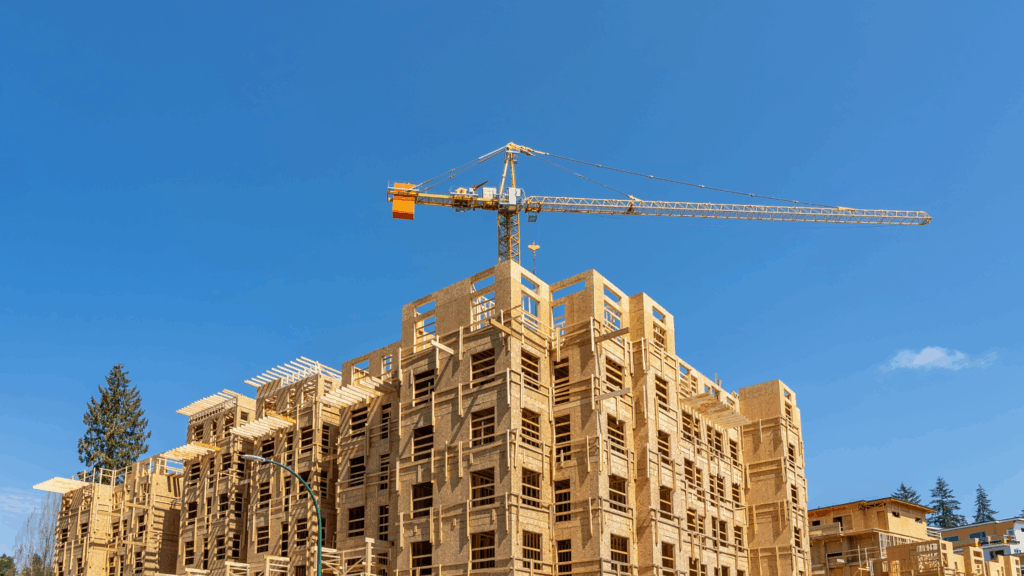
Size – bigger builds mean a higher total cost
While the number of square feet in a building is pretty clear-cut, how those feet are laid out is just as important. A compact floor plan composed of repeating units typically costs less per square foot than a building with many corners, floor setbacks, and unique unit types. The larger your project, the lower the per-unit cost because you’re spreading the costs of design, mobilization, and major equipment over more units. However, when you decide to go up an extra story, it can trigger costly requirements, including elevators, additional fireproofing, more complex plumbing and air conditioning systems, and sometimes even structural changes.
When you’re still in the early stages of planning, it’s a good idea to define your basic building needs first: how many stories, how many square feet, and what kind of units. Without that, everything becomes a wild guess.
Materials – budget vs premium options
Structure and envelope choices are where budgets get serious. When it comes to apartment building construction in North America, there are a few tried-and-true options.
Wood-frame (common for low-rise):
Wood-frame buildings cost less and build faster in many markets. Crews are easier to find, and schedules can move quickly once framing starts. The trade-off is that you’re limited in how high you can go, and you need to take extra care to ensure adequate fire separation and sound control.
- Pros
- Often comes in cheaper and builds faster in many areas
- Framing crews are easy to find
- Works really well for garden-style and walk-up apartments
- Cons
- Height limits compared to concrete/steel
- Sound control is something you need to pay attention to, especially on floors and party walls
- Insurance and risk tolerance can vary a lot between different markets
Concrete (common for mid-rise and higher):
Concrete construction often costs more upfront, but it can pay back in durability and performance. It’s also a good choice when you need more stories, better sound separation, or a different structural grid.
- Pros
- Really good durability and sound separation
- Supports taller buildings
- Often the go-to choice for dense city sites
- Cons
- More specialized crews and longer lead times
- Formwork and placement can stretch schedules
- Cost sensitivity to labor and site logistics
Steel (often used in mixed-use):
Steel is a good choice for specific layouts, especially when you need a longer span or mixed-use flexibility. The drawback is cost volatility and the level of coordination required to deliver it successfully.
- Pros
- Useful for spans and flexible layouts
- Can support mixed-use planning
- Fast erection once the material is on site
- Cons
- Price volatility and lead times
- Coordination between trades becomes more demanding
- Fireproofing and detailing add time and cost
On a typical apartment project, interiors can really swing wildly based on what you choose for kitchens, bathrooms, flooring, and lighting. It doesn’t mean you have to choose the absolute cheapest options, but you may need to accept fewer custom details, standard sizes, or high-end finishes.
Complexity – simple vs custom design
A run-of-the-mill building is usually the cheapest option. A simple box with the same layout repeated everywhere makes framing, plumbing/electrical rough-ins, and finishing easier to predict. Every additional feature, such as a unique balcony or an angled wall, adds significant labor and hassle.
Parking is often a major headache—surface parking is generally much cheaper than a covered garage, and going underground is another cost driver, especially in cold climates where you have the added expense of excavation, waterproofing, and insulation.
Labor – DIY vs contractor pricing
A true DIY apartment complex is rare. Even if you self-manage, you still need to engage licensed tradespeople for electrical, plumbing, and life-safety systems, as well as inspections. Labor costs can vary hugely depending on where you are, whether or not you’ve got unions present in the area, and just how much of a demand there is for your particular type of project. When the market is booming, you can expect higher prices and longer waits for qualified subcontractors to show up on site.
There’s also the cold, hard reality of rework. If you don’t stay on top of things and keep your coordination tight, those labor costs are going to come back to haunt you in the form of change orders and delays. That’s the kind of ‘hidden’ pain that ultimately costs you real dollars.
Location – regional differences (urban vs rural, U.S. vs Canada)
Urban projects carry a higher price tag for several obvious reasons. Firstly, staging space is scarce, deliveries are a nightmare, and trades typically have to work around traffic, curious neighbours, and restricted work hours. Rural sites may reduce labor costs by a few dollars, but you may incur higher transportation costs to deliver people and materials to remote areas.
In the Canadian construction market, cost increases are worth monitoring. Rider Levett Bucknall published recent reports showing a usual upward trend in many cities, although rates vary widely across cities.
In the U.S., job site prices and material costs are tracked by several widely used indexes, such as the Mortenson Construction Cost Index, which reported that national construction costs rose about 6.6% year over year.
Permits – local building code cost
Code requirements can significantly impact the design—fire safety, stair and corridor widths, accessibility, energy efficiency, and nearly any other regulatory requirement. There are also the fees and development charges—these are the ones that can really blow out your budget and often only seem to get worse in high-growth towns. If you’re building in one of these boomtowns, just be prepared for the fees to end up gobbling up a big chunk of your budget.
Site conditions – the cost driver people forget
Two sites may seem similar at first glance, but costs can suddenly increase when the geotechnical results come in. Issues with soft ground, high water tables, contaminated fill, hillsides, or rock can significantly alter your plan and increase the initial estimate. Getting a heads-up on geotech and a reality check on what your civil work will actually look like (including utilities, grading, and stormwater) can save many sleepless nights.
Building systems – elevators, HVAC, fire protection, and power
Once you get past the basic frame, your building systems become the primary drivers of complexity and cost. Elevators are expensive and require regular maintenance to operate correctly. Smaller system decisions also add up quickly. HVAC choices—whether PTAC units, VRF systems, or a central system—impact both upfront costs and long-term maintenance. Fire protection, alarm systems, and electrical service also need to be sized to accommodate building amenities and additional demand, including EV charging.
DIY vs. hiring a professional to build an apartment complex
This decision isn’t really about DIY versus professional help, but about how much responsibility you can take on without increasing risk.
| Delivery approach | Pros | Cons |
| Owner-builder / self-managed | More control, potential savings on GC overhead | Higher liability, coordination risk, and harder financing/insurance |
| General contractor (GC) | Trade management, scheduling, QA process, and fewer gaps between scopes | Higher cost, less direct control over subcontractors |
| Hybrid (owner manages specific scopes) | You can save money on select packages | Requires experience; messy boundaries can cause disputes |
Many smaller developers pick a hybrid approach: the GC runs core construction, while the owner manages finishes, appliance packages, or landscaping. It can work, but only if the scopes are clear and the schedule includes owner-furnished items.
Basic vs. high-end apartment complexes
Real project examples can help put dollar ranges into context. The videos below walk through real-world apartment builds, showing unit counts, scope, and where costs tend to increase across different budget levels.
Basic / smaller multifamily examples
- 4-unit build cost discussion: https://www.youtube.com/watch?v=66bsuQPYDW0
- Fourplex step-by-step build video: https://www.youtube.com/watch?v=nh6r9H3_cuk
- 8-unit build walkthrough (development-focused): https://www.youtube.com/watch?v=zWCKjlJsq4c
These examples are helpful for those looking at small footprints, simpler shapes, and limited amenity scope.
Larger / mid-size examples
- Cost breakdown of a 31-unit apartment build in the U.S.: https://www.youtube.com/watch?v=AYg0whzUy_8
- 8-unit cost + monthly gross breakdown: https://www.youtube.com/watch?v=TEbtlHrZcFw
On these larger projects, you’ll see how big-ticket items—sitework, utilities, sprinkler systems, elevator cores, and finishes—start to dominate the conversation.
Things to consider for pricing variations
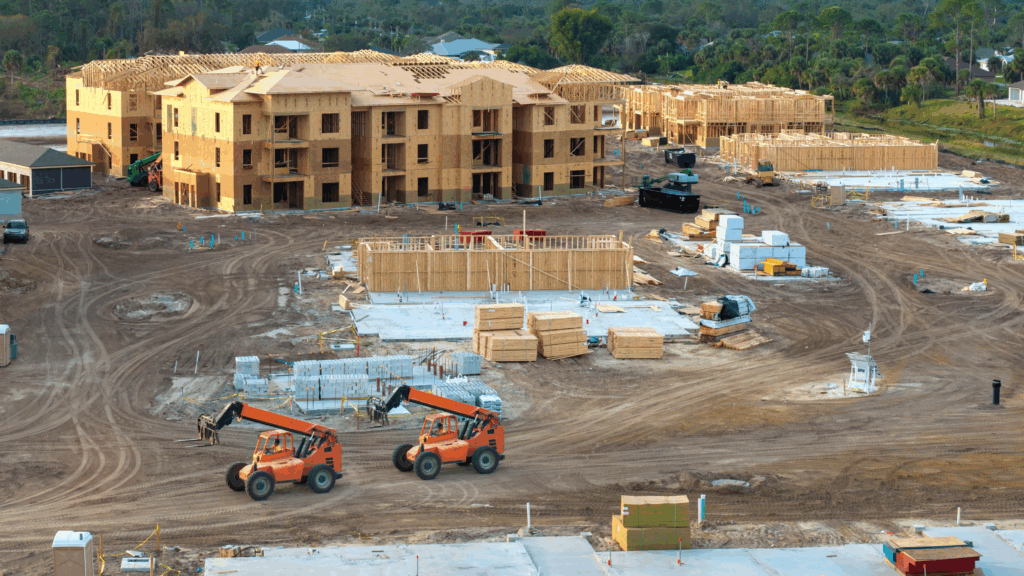
Local labor and material costs vary
The same plans can be priced very differently across cities. If you’re looking for a reliable estimate, you need local input. That’s why cost databases like RSMeans are used in budgeting; they let you factor in location-specific influences and rough price ranges while the design is still in motion.
Regional cost trends can change quarter to quarter
Construction costs in any given area don’t follow the national curve—labour supply, material supply chains, and local demand can drive prices up in one city while keeping them steady in another. Places under constant pressure from new housing and infrastructure projects typically experience the most dramatic changes, especially when multiple public and private projects simultaneously compete for the same trades. That’s exactly why looking at national averages is often a poor strategy when you’re trying to budget a specific apartment project.
Get local quotes early, then update them
A preliminary estimate is fine for getting a rough idea of what’s going on in the early planning stages. It’s not much use for things like signing off on a purchase or getting financing approved, though. Once you have a schematic design, you need to obtain real quotes from subcontractors working in the area where you plan to build. If the quotes come back higher than you expected, you need time to adjust the scope before the schedule is finalized.
Use a cost calculator carefully
Cost calculators can be helpful when it comes to spotting missing expenses, but they can also give you a false sense of security if they make too many assumptions about generic sites, labor, and finishes. If you decide to use one, treat it as a starting point, then run all the numbers by a local GC and a local estimator to ensure you’re on the right track.
Price out materials and systems with a “schedule mindset”
Some cost issues are actually just scheduling problems in disguise. If you’ve got a problem with long lead times, it can force you to make some pretty tough decisions—such as whether to substitute, expedite, or re-sequence—which can end up costing you even more in labor. And then there are all the things that just naturally take a long time to get, like elevators, switchgear, HVAC equipment, and windows. If you’re trying to keep your costs stable, make the big decisions early.
Check local regulations before you commit to a plan
Zoning and building codes might not be the most glamorous things to consider, but they can make all the difference between a project that goes smoothly and one that hemorrhages time and money. You can lose weeks and thousands of dollars if you get caught by something you didn’t know about. A quick chat with the city before you commit to a plan can save you from designing a project that’s doomed to fail.
Final thoughts
When determining the cost to build an apartment complex, the best approach is to start with a realistic per-square-foot budget range, then test it against your building type, site, and market conditions. A simple wood frame walk-up building can stay at the lower end of the spectrum, while mid-rise and high-end projects will tend to go out of control pretty quickly as soon as you add in things like elevators, car parks, top-of-the-range finishes, or complicated logistics in a densely populated urban area. The “right” budget is the one that stays afloat through the ups and downs of the bidding process, permit approvals, and schedule changes without causing endless arguments.
If you want more straight-talk coverage on construction costs, jobsite tech, and the gear that crews lean on, subscribe to the Under the Hard Hat newsletter so you don’t miss the next deep dive.