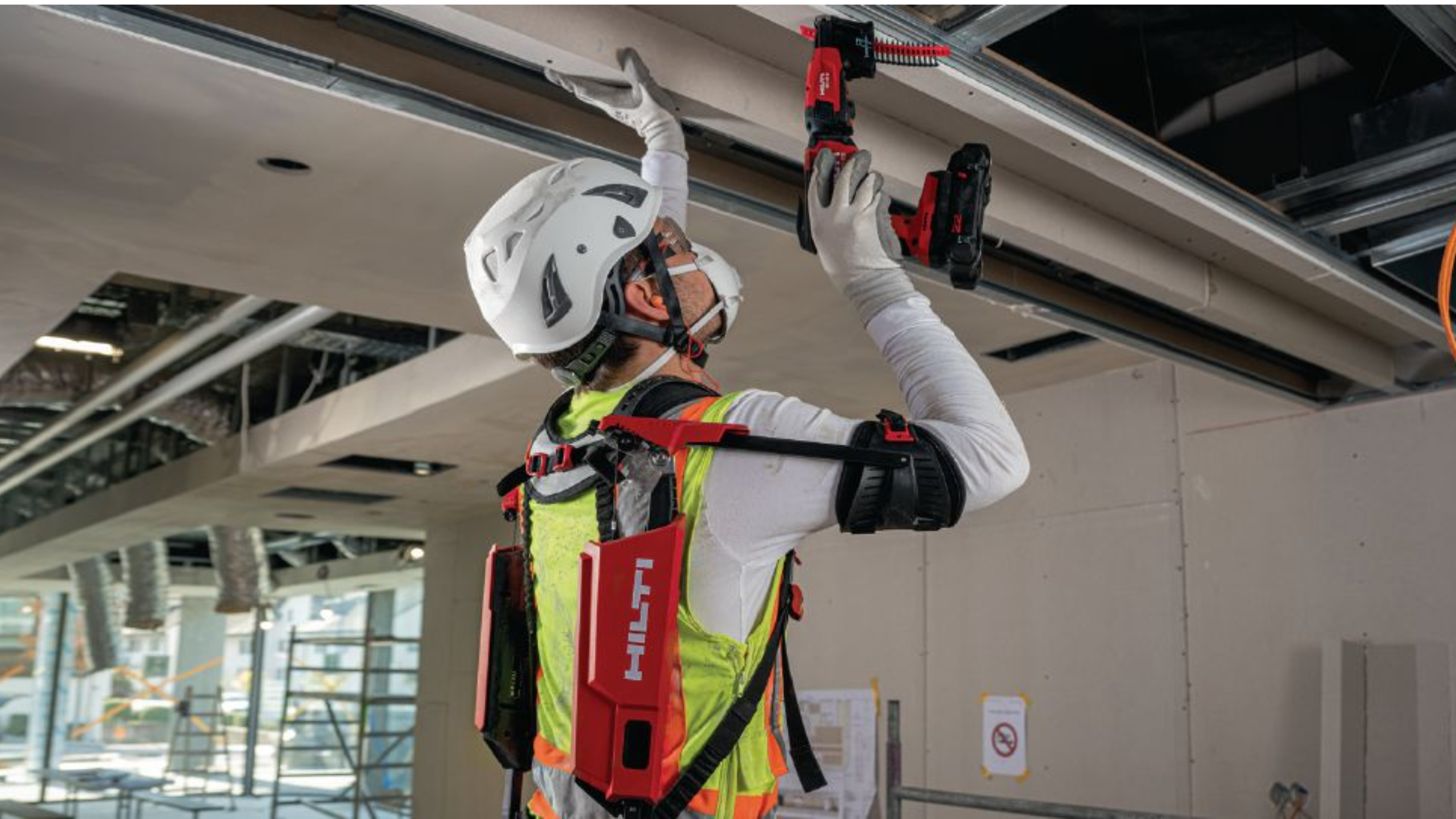
Walk onto a busy construction site, and you’ll probably still see the same old problems that have been plaguing builders for years: people struggling to lift heavy things overhead, holding tools in their hands for way too long, and repeating the same actions hundreds of times a day. But what’s really changing is how some contractors are addressing that strain. Exoskeletons are now being tested on real-world job sites and factory floors, where aches and pains are common. As interest grows, it’s not because contractors are looking for fancy gadgets to show off—it’s because they want to keep their workers safe and on their feet without putting them at risk of injury.
How exoskeletons help on the job
Construction exoskeletons aren’t about turning workers into superheroes with superhuman strength; they’re about keeping things nice and straightforward. Many are designed to assist with overhead tasks, such as installing drywall or performing electrical work. Others are trying to reduce pressure when you’re lifting or bending. They’re all about taking some of the strain off, not about making you stronger than you already are.
When workers try these systems, they report having more energy at the end of the day, which is a significant difference. Fatigue can cause all sorts of problems—you end up moving a bit less accurately, reacting a bit slower, and running a whole lot higher risk of getting hurt. But when you can keep hold of tools for longer without your hands shaking or feeling like they’re about to give out, your work stays that much sharper. And if you can do all that without burning out, you’re a lot more likely to stick with the trade.
Factories have long used these tools—the automotive and assembly-line environments have used exoskeletons to reduce the burden of repetitive tasks. And now construction companies are finally starting to adopt this idea and apply it to some of the more challenging environments they work in.
Retention, recruitment, and an aging workforce
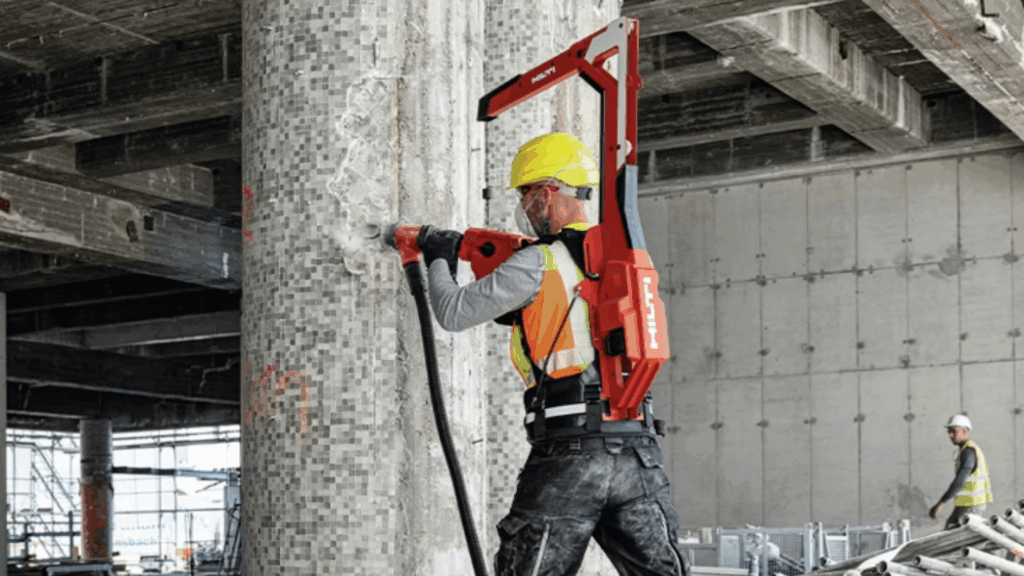
One of the main reasons companies are evaluating exoskeletons is that they can help tradespeople stay in the industry longer, even when their bodies are begging to quit. Many good tradespeople are throwing in the towel early because their bodies can’t keep up with the demand. Exoskeletons could make a huge difference—they could help workers who’ve been in the game for years stay productive without relying on painkillers.
That same idea matters for recruitment, as younger workers often view construction as physically demanding and with limited accommodations. The fact that companies are willing to invest in tools that ease workers’ burden sends a strong message. It’s telling that they value long-term careers over short-term results.
What contractors need to think about before rolling exoskeletons out
Exoskeleton systems aren’t a magic solution that you can just pop on and walk away from. The fit must be perfect, and selecting the proper size is crucial. You don’t want an exoskeleton that’s difficult to wear or that worsens your movement restrictions. Not to mention all the training—it takes time, and workers need to know when to put on and take off the exoskeleton. Do it wrong, and it’s unlikely to be much help.
Acceptance among workers presents another challenge. Some workers are giving exoskeletons a sceptical eye, and others are worried they’ll look silly or hold up the rest of the crew. But when you get crews on board early and take their feedback seriously during pilot programs, things run a lot more smoothly. The more they have a say in how and when the equipment is used, the more likely they are to adopt it.
Cost will still be a significant factor, although prices are coming down. Contractors are weighing costs against injury claims, lost productivity, and staff turnover. For tasks that involve high levels of strain and repetition, the benefits of using exoskeletons really start to add up.
A shift worth watching
Exoskeletons won’t solve all the problems on a construction site. They are not a substitute for proper planning, having enough staff, or training people to do their jobs well. But what they can do is help out workers who have been doing backbreaking work for years. As pilot programs roll out and designs improve, you’ll likely see many more of these systems on construction sites.
If you want to keep up with how new tools and tech are changing construction work on the ground, subscribe to the Under the Hard Hat newsletter.