
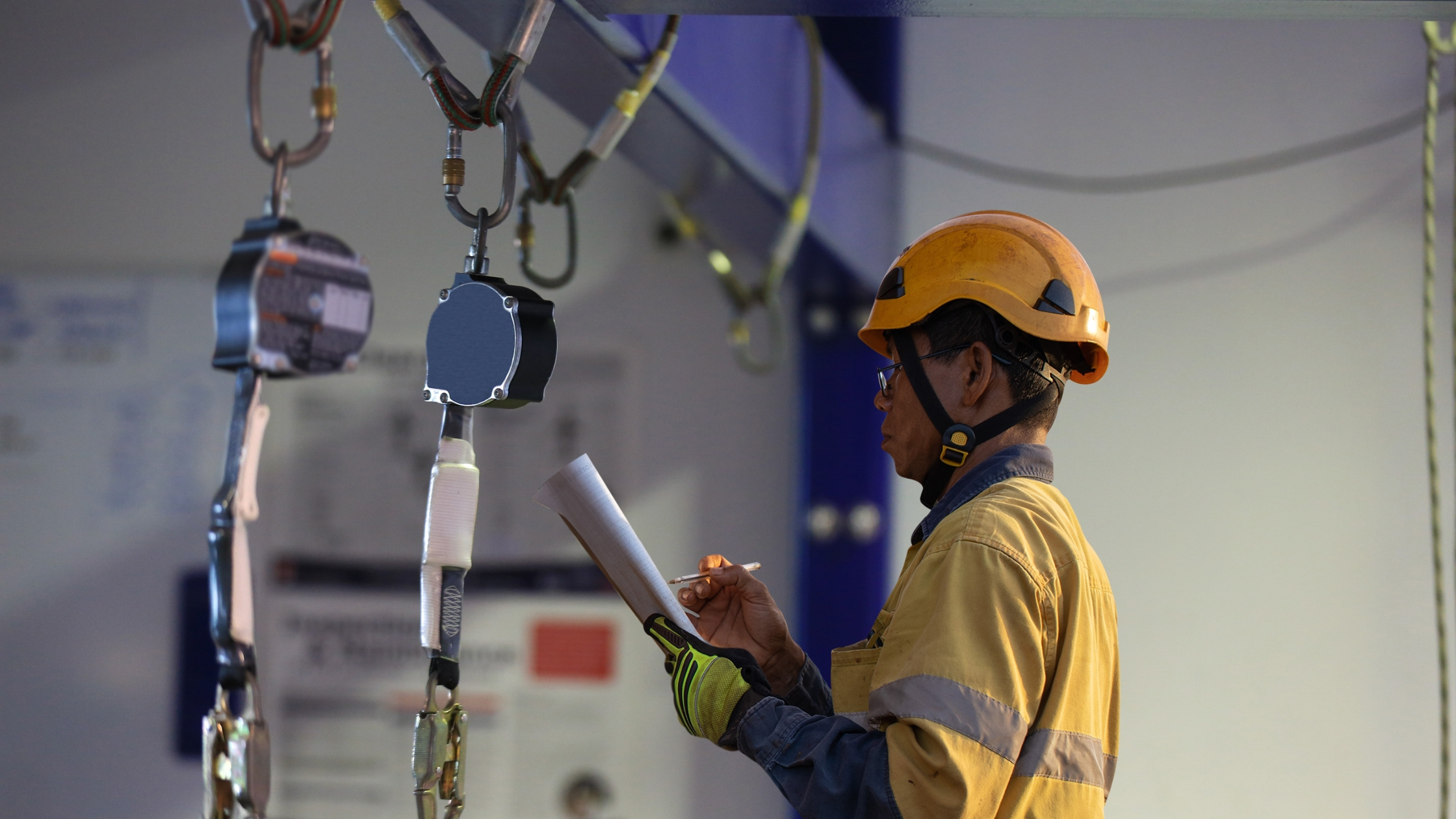
Fall protection training is one of those requirements that sounds simple until you actually have to choose a course. Workers, supervisors, and safety managers are often given a list of options with little explanation of what each option covers. Some courses focus on awareness, others on supervision, and some are built around hands-on use and inspection of equipment. This article outlines what to look for in fall protection training and how common programs—such as OSHA certificate courses and 3M safety training—fit different roles on site. If you’re trying to sort out which fall protection courses are worth your time, this guide is meant to help you make that call.
What to look for in fall protection training
OSHA compliance and standards coverage
Any fall protection training you do should be aligned with OSHA rules. A good course will walk you through when you need fall protection, which systems you can use, and how to use them properly—covering guardrails, personal fall arrest systems, positioning systems, and safety nets.
Training should also cover hazard spotting. Workers need to understand where fall risks come from, not just that “working at heights is a bad idea”, as it’s not that simple. Roof edges, floor openings, leading edges, scaffolds, ladders, and aerial lifts each present unique risks and require specific controls. A good course takes the OSHA rulebook and brings it back down to earth, explaining the roles and responsibilities of workers, supervisors, and employers on real jobsites.
Awareness vs competent person vs hands-on training
Fall protection courses are not all designed for the same audience. Awareness-level training is typically for workers who need to identify fall hazards and understand the rules. The course provides a brief overview of what fall protection entails, when it is required, and the types of equipment involved, without putting the trainee in charge or expecting them to check everything.
There is also Competent Person training, which goes beyond the awareness level. These courses focus on supervisors or leads responsible for identifying hazards, selecting appropriate systems, and addressing unsafe conditions. A competent person is someone with the authority to drive change, and the training is geared toward that. These hands-on or instructor-led courses place a strong emphasis on practical skills. You are responsible for fitting gear, inspecting it, and planning and executing rescues. These types of courses are most important for people who wear fall protection every day or are responsible for checking the gear before it’s used.
Top fall protection courses in the U.S.
1. OSHA fall protection certificate course
What it offers
OSHA’s fall protection certificate course is your chance to get up to speed on when fall protection is required and how to implement it on your work site. It’s a course that teaches workers and supervisors the ins and outs of OSHA construction fall protection standards, the hazards that are waiting to catch you off guard on job sites, and the most basic systems to stop those risks from getting out of hand—guard rails, personal fall arrest systems, and safety nets. This training is entirely online, so you can complete it on your own schedule and avoid getting lost in confusing jargon.
Who it’s for
- Construction workers
- Entry-level supervisors
- Project managers
Time to complete: 1 hour
2. Fall Protection Competent Person Training
What it offers
OSHA’s Competent Person training equips workers to think on their feet on a jobsite and ensure the work is done right. It’s all about making decisions, staying on top of work-site conditions, choosing the right gear for the job, and ensuring people know how to use it. You’ll learn how to spot hazards before they become problems and know when it’s time to call a halt when things aren’t safe. In this program, you’ll learn inspection criteria, such as checking the condition of harnesses, lanyards, anchors, and lifelines, and what to do when OSHA is coming for a visit or when disaster strikes.
Who it’s for
- Site supervisors
- Safety managers
- Foremen
- Lead hands
Time to complete: 3.5 hours
3. 3M Safety Training – Authorized Person Essentials (Fall Protection)
What it offers
The 3M Authorized Person Essentials course is designed for workers who use fall protection gear but aren’t primarily supervisors. The course basics start with fall hazards, break down the components of a system, and explain how to use a personal fall arrest system properly. It explores how harnesses, connectors, and anchors all work together and where things can go wrong. Pre-use inspections and user expectations are also addressed.
Who it’s for
- Construction workers
- Maintenance staff
- Roofers
- Anyone required to wear fall protection
Time to complete: 4 hours
4. 3M Safety Training – Competent Person (Fall Protection)
What it offers
The 3M Fall Protection course builds on the skills from the authorized person level to advance to supervision and hazard control. You learn how to assess fall risks, select the appropriate system, and verify compliance on the job site. The training covers the basics of how the anchors in your system should be rated, the limits of what you can do with a system, and what to look for during an inspection. It also covers planning for less common situations, such as working on a ledge or against an incomplete building frame.
Who it’s for
- Supervisors
- Safety leads
- Project managers
- Site superintendents
Time to complete: Typically 16 hours
5. 3M Safety Training – Equipment Inspector (Fall Protection)
What it offers
The Equipment Inspector course teaches workers to inspect and maintain their fall protection gear. It’s all about spotting telltale signs of wear and tear and checking for damage or defects that could make equipment a safety hazard. The course covers inspection schedules, record-keeping, and when to take equipment out of service. It also explains how on-site conditions—such as extreme weather, poor storage, or improper use—can significantly shorten equipment life, far more than most people expect. This is a must for businesses or shops where one person has the final say on what goes out, so they need to know their stuff.
Who it’s for
- Safety coordinators
- Equipment managers
- Maintenance personnel
- Warehouse staff
Time to complete: 4 hours
6. Lion Training – Fall Prevention for Construction
What it offers
Lion Training’s fall prevention course zeroes in on the hazards that are unique to the construction industry. The syllabus covers OSHA regulations, the most common fall scenarios, and how to make everyday work practices safer. It focuses on planning your work at heights, getting up there, and getting back down—in the right order, too. The course also takes a close look at some of the worst accidents and shows how a single poor call can lead to disaster. That’s a delicate balance between ensuring workers know what they’re getting into and still complying with all the regulations.
Who it’s for
- Construction workers
- Apprentices
- Supervisors
- Safety representatives
Time to complete: 1 hour
7. 360training Fall Protection & Certification for Construction
What it offers
360training’s fall protection course is a flexible online option that covers OSHA fall protection regulations, hazard identification, and the basics of how fall protection systems work. Workers can complete the training at their own pace, a significant advantage for large crews or for jobs in remote areas. The course includes quizzes and knowledge checks throughout to ensure participants understand the concepts. Most crews use it to cover baseline training requirements, not for advanced supervisory responsibilities.
Who it’s for
- Construction workers
- Entry-level supervisors
- Contractors
Time to complete: 2 to 3 hours
8. 360training OSHA Competent Person Fall Protection
What it offers
The OSHA Competent Person Fall Protection course is geared toward anyone who needs to supervise others working in situations with fall protection risks. This means they need to know their stuff when it comes to developing a fall protection plan and following up to ensure it’s being implemented. Although delivered online, this course goes much deeper than basic awareness training. Many companies use it to ensure they have a named competent person they can cite if an issue arises during an OSHA inspection.
Who it’s for
- Supervisors
- Safety managers
- Foremen
Time to complete: 1 hour
How to choose a fall protection training course
Pick a course that fits your role
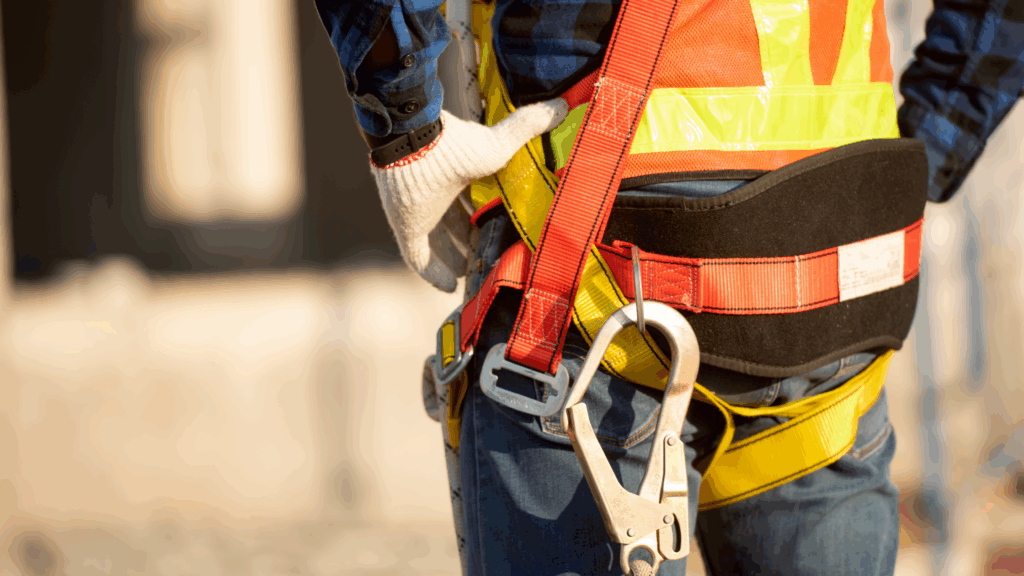
Workers who strap on a harness every day won’t need the same training as supervisors who develop work plans and approve equipment. If you don’t match the training level, you’ll waste your time and risk gaps. The first step is to determine whether you need awareness-level training, more in-depth training, or advanced training in equipment inspection.
Figure out what kind of training you need
Online courses can be a good starting point for getting a general overview, especially if you’ve got a big crew to get through. But when it comes to actually fitting the equipment, inspecting gear, or planning a rescue, you need hands-on or instructor-led training. If the work is high-risk, practical instruction is even more important.
Verify the credentials of the training providers
OSHA-approved providers and well-known industry names tend to have a solid understanding of regulatory expectations. Manufacturer-led training can be useful when your site relies heavily on specific equipment. The provider should clearly state what standards the course meets.
Consider how often the training needs to be updated
Fall protection isn’t a one-time requirement. Changes in equipment, work methods, or regulations often require refresher training. Choosing a provider that offers updates or renewals makes long-term compliance easier.
Final thoughts
Fall protection training is about more than just ticking a box. A good course helps workers understand the risks, supervisors make better decisions, and companies avoid preventable incidents. Choosing a course that aligns with your work and day-to-day role is key to that training sticking with you.
If you want to dive deeper into practical construction safety, training, and jobsite decision making, sign up for the Under the Hard Hat newsletter and stay connected to what’s really going on at work.