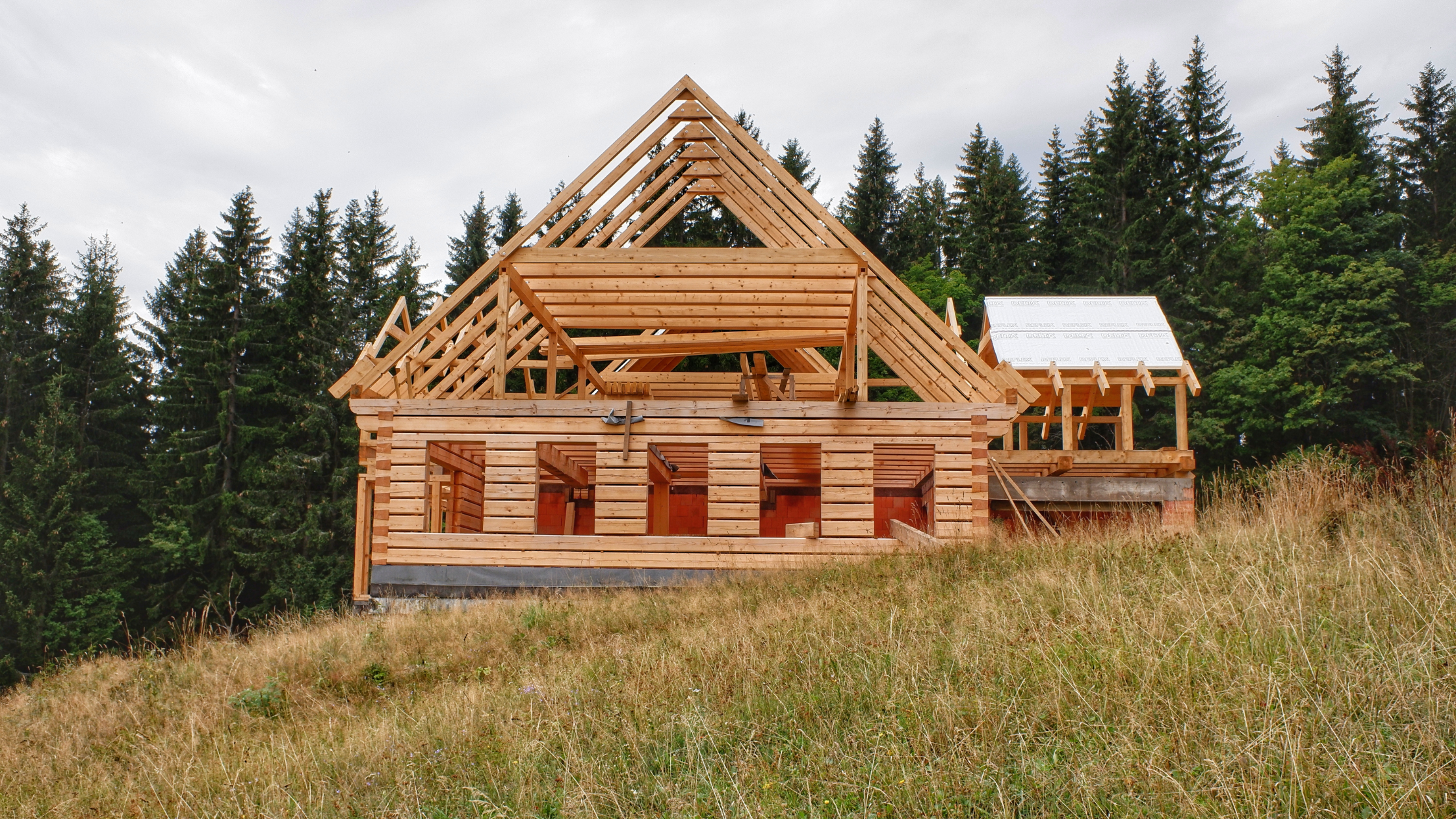
Building a cabin in the U.S. can cost about $50,000 to $150,000 on average, depending on the size, materials, and where you’re building. For example, a simple, small cabin can be much cheaper, while a larger or custom log cabin can cost $125–$175 per square foot, and high-end builds can run much higher. This guide breaks down the average cost to build a cabin (including log cabins), the biggest price factors (like land prep and labor), and what different budgets can realistically get you.
Average cost to build a cabin
In the U.S., a safe estimate for building a cabin is $50,000 to $150,000 total, with many cabin builds landing around $125 to $175 per square foot. The wide range is intentional because cabins can be super basic or fully loaded like a regular house.
Typical build cost range
- National estimate: $50,000–$150,000
- Smaller cabins can fall below that range if you’re building a tiny/simple structure and doing some DIY, but costs climb fast when you add plumbing, septic, or high-end materials
Cost per square foot estimate
A common cabin cost per square foot range is:
- $125–$175 per sq. ft. for many standard cabin builds
- Up to $500 per sq. ft. for highly customized log cabins with premium materials
- Some sources also place log cabin costs anywhere from $100–$400 per sq. ft., depending on the build method and finishes
Quick context (why the range is so big)
- Small/basic cabins cost less because they usually have a simpler layout, fewer materials, and fewer systems (especially if you skip a bathroom or full kitchen)
- High-end cabins cost more because they often include custom layouts, larger footprints, premium finishes, and expensive extras like septic systems, wells, long driveways, or remote-site labor
Low vs. mid vs. high cabin build cost (example ranges)
| Cabin build level | What it usually looks like | Estimated total build cost | Utilities/hookups included? | Foundation included? |
| Low estimate | Small cabin, simple shape, some DIY, basic finishes | $50,000–$80,000 | Sometimes | Sometimes |
| Mid-range estimate | Average-size cabin, contractor-built, standard finishes, full utilities | $80,000–$150,000 | Often | Often |
| High-end estimate | Custom design, premium finishes, bigger footprint, remote site | $150,000+ | Usually | Usually |
Important: That table is meant for quick budgeting. Your “real” number comes down to what’s included in the price, especially foundation, septic, well, power connection, and site prep.
Key factors affecting the cost of a cabin
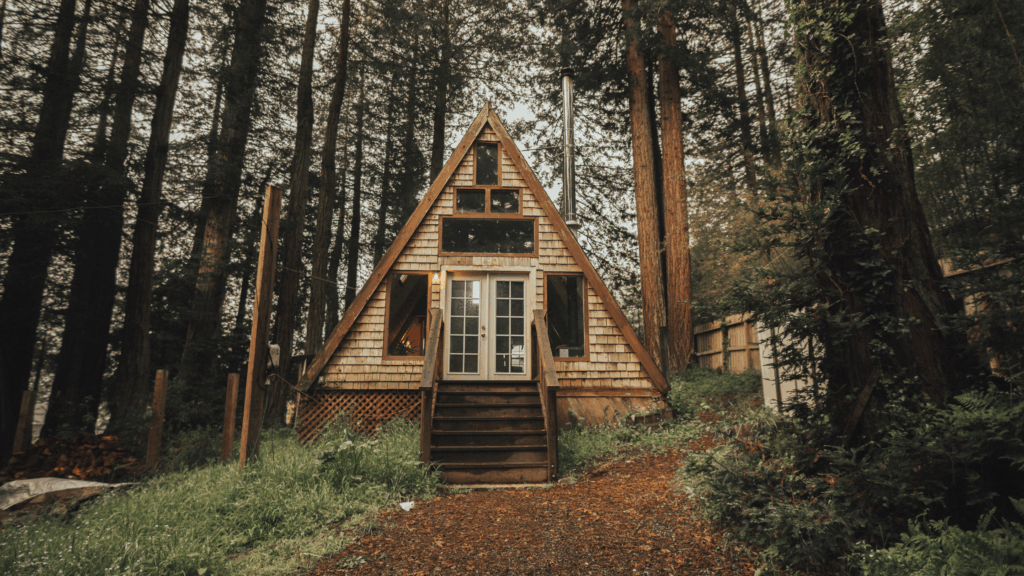
Cabin pricing is not just about “how big is it?” It’s also about what you’re building it with, how complex the design is, and how hard the site is to build on. Two cabins can be the same size and still have totally different price tags.
Size: Bigger builds = higher cost
In most cases, more square footage means more cost, because nearly every major part of the build grows with size:
- Foundation and framing: More space means more footings, concrete, lumber, and labor.
- Roofing: Bigger cabins need larger roofs, and complex rooflines use more materials.
- Insulation and finishes: Drywall, paint, floors, trim, cabinets, and lighting all increase with size.
- Plumbing, electrical, and HVAC: The bigger the cabin (or the more rooms), the more wiring, outlets, plumbing lines, fixtures, and heating/cooling you need.
And here’s the big twist: tiny cabins can still be expensive if you want them to feel like a real home. For example, a 200 sq. ft. cabin might be small, but once you add the following, it can still cost a lot:
- A full bathroom
- A kitchen
- Power and water hookups
- Septic/well planning
Materials: Budget vs premium options
Materials matter because they affect both your upfront build cost and your long-term maintenance costs. Here are the most common cabin styles and what they usually mean for your budget.
Option 1: Standard wood-frame cabin (stick-built)
This is the most common style, and usually the most budget-friendly.
Pros
- Typically, the cheapest and easiest to build or repair
- Materials and builders are widely available
Cons
- May not have that classic “cabin look” unless you upgrade the exterior
- Needs careful design to handle moisture (especially in wet climates)
Option 2: Log cabin (handcrafted or milled logs)
This is the cozy, classic option, but it often costs more. The cost to build a log cabin is commonly listed at around $125 to $175 per square foot.
Pros
- Iconic style and strong curb appeal
- Can have strong resale appeal in certain cabin markets
Cons
- Can be pricier (log materials + skilled labor)
- More maintenance, like sealing and checking for settling or moisture issues
Option 3: Timber frame (with SIPs or framed infill)
Timber frame cabins feel open and high-end. Builds can include vaulted ceilings and oversized windows that look amazing but cost more.
Pros
- High-end look with open interior layouts
- Strong structure, great for vaulted ceilings and great rooms
Cons
- Higher labor and engineering costs
- One timber frame builder estimates that timber framing + SIP installation averages about $170 per sq. ft., while a fully completed timber frame build can be around $350 per sq. ft.
Option 4: Prefab/cabin kits
Prefab can help reduce build time, but you still need to budget for everything that happens after the kit arrives.
Pros
- Faster timeline (lots done in a controlled factory setting)
- More predictable base pricing
Cons
- Shipping is not always included
- Site work, foundation, and utilities are often not included in “base price” packages
- One prefab pricing guide explains the difference between base cost and turnkey cost: turnkey includes site work, foundation, delivery, installation, and utilities, and it can run 30–50% more than base pricing
Materials checklist (helpful for cost planning)
When pricing out your cabin materials, don’t just think about the walls. These “smaller” pieces add up fast, especially if you choose premium finishes. Make sure your budget includes:
- Roofing
- Siding
- Windows and doors
- Insulation
- Flooring
- Cabinets and countertops
- Fixtures (sink, toilet, shower, lighting)
- Hardware (handles, fasteners, trim, etc.)
Complexity: Simple vs custom design
Cabins look simple from the outside, but design details can dramatically change the price. A basic rectangle with a simple roof is usually the cheapest way to build. Once you start adding custom features, your costs will increase. Here are some common upgrades that raise cabin costs:
- Multiple rooflines or dormers: More cuts, more framing, more labor, and more chances for leaks if not done right.
- Lofts and cathedral ceilings: These often need stronger beams, extra framing, and more finishing work.
- Wraparound decks: Decks are great, but they add lumber, footings, railings, stairs, and labor.
- Large window packages: Big windows can be expensive, especially if you’re buying high-performance glass for cold climates.
- Custom floor plans: Custom designs usually require more planning, more changes during construction, and more skilled labor.
Labor: DIY vs contractor pricing
Labor is one of the biggest pieces of your cabin budget, and it’s also the area where you can save the most if you have the skills (and time) for DIY. Here’s the main difference:
- DIY cabin shell: You build the structure yourself (or with help from friends/family) and pay for materials and any specialist work you hire out.
- Turnkey contractor-built cabin: A builder handles the project from start to finish, and you get a move-in-ready cabin.
If you want to cut costs, the smartest DIY tasks are usually the ones that are simpler and easier to fix if something goes wrong, like interior finishing (drywall, shiplap, trim work), painting or staining, flooring, baseboards and trim, and installing simple fixtures (depending on your local code).
Where DIY can backfire
Some parts of a cabin build can cost way more if they’re done wrong the first time. A cabin is exposed to a lot of rain, snow, and temperature changes, so weatherproofing is one of those “do it right or pay later” areas. Foundation work, electrical and plumbing, and weatherproofing details are usually best left to a professional.
Location: Regional differences (rural vs remote)
Where you build can change your cabin budget just as much as what you build. Costs can go up for several reasons:
- Popular lake, mountain, and vacation regions often have limited contractor availability, leading to higher prices.
- Remote areas can mean longer delivery routes and higher fuel and freight costs.
- Steep terrain, narrow roads, or land without a proper driveway can raise equipment and labor costs.
- In some climates, you have only a few good months for building, which can lead to scheduling delays and higher prices.
- Running electrical lines, drilling a well, or installing septic systems in remote locations can blow up your budget, even if the land itself was a great deal.
Permits: Local building code costs
Most cabin builds require permits and inspections. The exact rules will depend on your state, county, and even the town you’re in. Common permit categories include building permits, septic approval (if you’re not on municipal sewer), well permit (if you’re drilling a well), and electrical and plumbing permits.
Some areas also require extra approvals for outliers like flood zones, shorelines, wildfire zones, and protected land. Permit costs and requirements vary a lot, so it’s a good idea to check with your local building department before you start building.
Site prep and utilities (often the hidden budget killer)
A cabin might seem affordable until you add everything the land needs before you can even build. The biggest “hidden” cost categories can include:
- Clearing and grading: Removing trees, leveling the site, managing drainage
- Driveway and culvert: Especially important if emergency vehicles need access
- Foundation type: Concrete slab, crawl space, or full basement all have very different price tags
- Septic and well vs municipal hookups: Septic and wells can be major costs in rural builds
- Power line extension: If the power source is far away, this can become a serious expense
- Propane tank and delivery access: Many cabins use propane for heat, cooking, or hot water, and deliveries need safe access
Basic vs. high-end cabin examples (realistic budget scenarios)
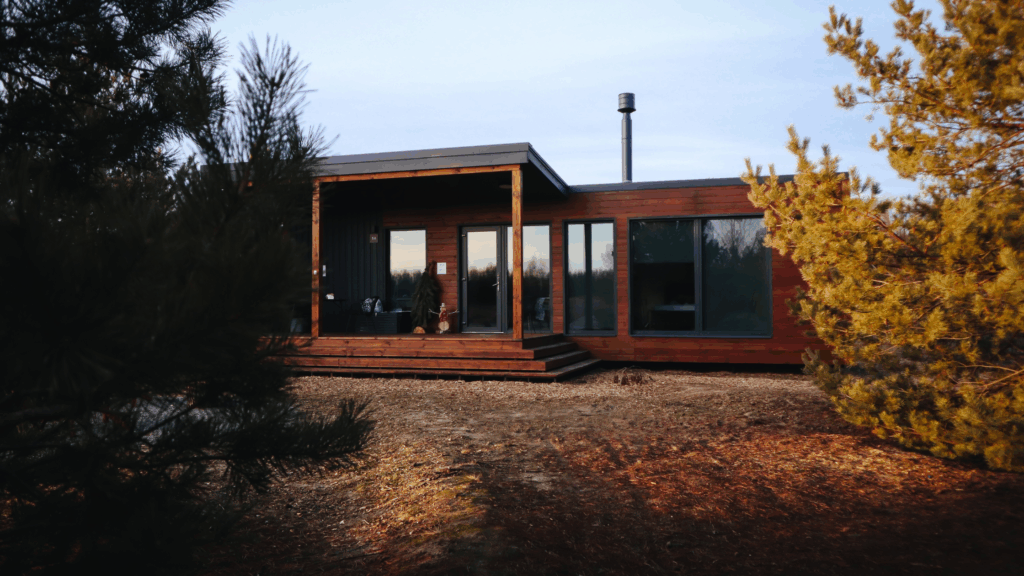
Cabin costs can feel confusing because the term “cabin” can mean many things. For some people, it’s a simple weekend shelter. For others, it’s a full-time home with a chef’s kitchen, two bathrooms, and large decks.
We’ve provided three realistic cabin build examples (basic, mid-range, and high-end) using real, verifiable price ranges from reputable cost guides and builder pricing lists.
Example 1: Basic cabin (small + simple)
Best for: A simple weekend cabin, hunting cabin, or guest cabin.
Assumptions:
- Smaller footprint (under 600 sq. ft.)
- Minimal plumbing (or no bathroom)
- Standard materials (simple roof, basic windows/doors)
- Partial DIY (finishing work)
Realistic cost range (U.S.): About $25,000 to $80,000
What that price usually includes:
- Many “basic” budgets cover the shell (framing/logs, roof, doors/windows) or a kit, not a finished cabin.
- Interior finishes, foundation, and utilities may be extra.
Example 2: Mid-range family cabin (common “weekend cabin” build)
Best for: A typical family cabin with full comfort, but not luxury finishes.
Assumptions:
- Mid-Size option (800-1,500 sq. ft.)
- Full kitchen + bathroom
- Average finishes (not fancy, but not bare bones)
- Contractor-built (or contractor + DIY finishing mix)
- Utilities included (electricity, water source, septic or sewer)
Realistic cost range (U.S.): Around $50,000 to $150,000
What that price usually includes:
- A fully finished cabin (or close to it)
- Standard interior materials (mid-level flooring, cabinets, fixtures)
- Some builds include hookups, and some do not, so the buyer needs to confirm what’s included
Example 3: High-end cabin (custom + finished + pro-built)
Best for: A luxury cabin built in a lake or mountain area, especially with a complex design.
Assumptions:
- Larger size and more rooms (1,500-2,500+ sq. ft.)
- Premium windows and high-efficiency insulation
- Custom rooflines, lofts, big decks, dramatic interior finishes
- Challenging site or remote land (more site work and delivery costs)
Realistic cost range (U.S.): $350 to $500+ per sq. ft. for high-end timber frame builds in some regions
What that price usually includes:
- Full turnkey finish
- Higher-end structural components
- Premium windows/doors, insulation packages, and upgraded interior materials
- Often includes complex engineering and site requirements
Quick budget breakdown: What you can get at different price points
Here’s a simple way to think about cabin budgets using real pricing data:
- $50K: Basic cabin kit or simple small cabin build (not turnkey)
- $100K: Small-to-mid cabin build with standard finishes (still needs careful planning around site/utility costs)
- $250K: Comfortable family cabin with more space, full utilities, and better finishes
- $500K: High-end cabin territory, especially with custom design, premium materials, and tough build locations
Top U.S. companies specializing in building cabins
If you want a cabin that feels “real” (and not like a DIY gamble), working with a cabin-focused builder or kit supplier can make the whole process easier. Below are five U.S. companies that specialize in log cabins, timber frame cabins, prefab cabins, and cabin kits.
Southland Log Homes
Southland Log Homes is a long-time cabin provider that sells log home plans and log cabin kits, plus custom design support if you want to tweak a floorplan. They offer a big range of styles, including smaller cabin layouts and larger “lodge-style” homes, and they market their kits as available nationwide.
Golden Eagle Log & Timber Homes
Golden Eagle specializes in high-end log and timber homes, with many cabin-style floor plans that can be customized. If you want a cabin that leans more toward a “dream home in the woods,” this is one of the bigger names in that space.
Conestoga Log Cabins & Homes
Conestoga is helpful for budgeting because they publish real pricing examples on many of their cabin kit floorplans (so you can get a rough starting point). They offer everything from tiny kits to larger layouts and also talk openly about customization and building across many U.S. states.
Zook Cabins
Zook Cabins focuses on prefab/modular cabins, including log cabin models. One reason they stand out is that they offer instant pricing on some modular log cabin collections, making planning much easier and inclusive.
BZB Cabins & Outdoors
BZB Cabins & Outdoors sells DIY prefab cabin kits, with smaller options that work well for backyard offices or hunting cabins, or simple weekend getaways. Their site includes a full cabin kit catalog with pricing, which is great for readers who want to browse realistic budget ranges.
Things to consider for pricing variations
Cabin pricing can vary widely because labor rates, material prices, and land conditions can differ significantly from one town to the next. One cabin might be straightforward to build, and another might need a new driveway, power lines, and a septic system before construction even starts.
Here are the biggest things to keep in mind when you’re trying to estimate your “real” cabin budget.
Local labor and material costs vary widely
Even within the same state, costs can swing a lot depending on how busy local contractors are, how far materials have to travel, and whether or not you’re building in a high-demand vacation area. If there’s a worker shortage in the region, labor costs often rise.
Rural vs. remote matters
Cheap land can still be expensive. A rural property may seem like a bargain, but clearing trees, grading steep land, hauling materials, installing septic and well systems, and extending power lines could significantly add to your costs.
Best ways to estimate accurately
If you want a number you can trust, here’s what works best:
- Get 2–3 local contractor quotes. Even rough quotes will help you understand real labor rates in your area.
- Use a construction cost calculator as a starting point. They’re not perfect, but they can help you build a rough budget before you start calling contractors. For example, costtobuild.net offers construction estimating tools that can help you generate a starting estimate.
- Price out “big ticket” line items early. These are the items that can quickly change your total cost, such as foundation, septic, site access, and power connection.
Quick cabin budgeting checklist (don’t skip this)
Use this to map out your cabin budget in a way that actually reflects reality:
- Land and survey
- Site prep and driveway
- Foundation
- Shell (framing/logs/roof/windows)
- Utilities and mechanical systems (electric, plumbing, HVAC, septic/well)
- Interior finishes (drywall, flooring, cabinets, counters, paint)
- Deck/porch/outbuildings
- Permits and inspection fees
- 10–20% contingency (for surprises)
Before you build, make sure your tool kit is ready, too. These guides can help you choose the right gear:
- Best battery-powered pressure washers
- Best table saws
- Best construction hard hats
- Slip-on steel toe boots for men
Want more build-cost guides and tool picks? Subscribe to our newsletter for weekly cabin pricing tips, gear reviews, and smart design ideas.