
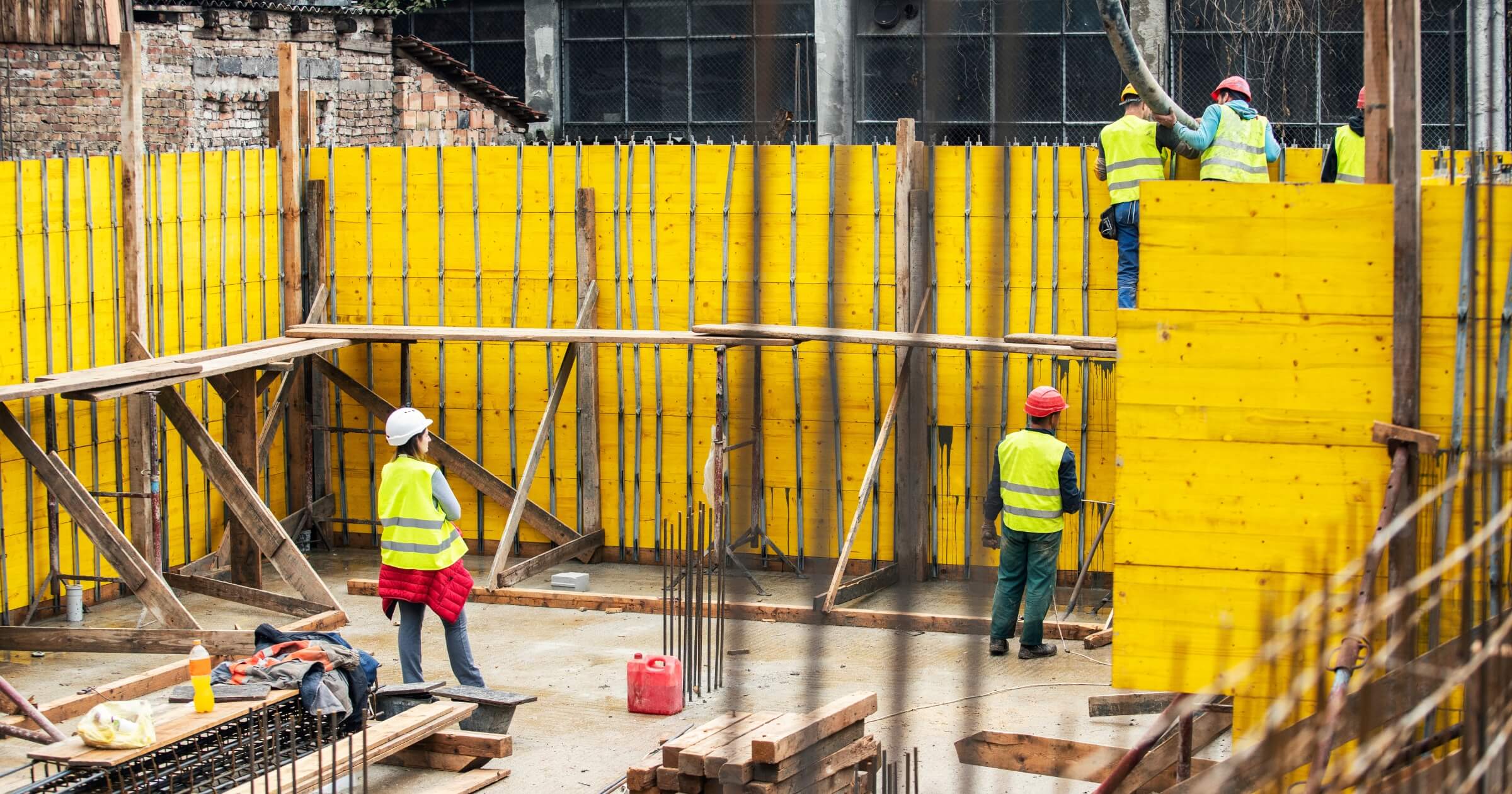
The U.S. construction industry is entering 2026 with a significant labor shortage. A new report from the Associated Builders and Contractors (ABC) estimates that the industry will need to attract 349,000 new workers this year just to keep labor supply in step with demand. The estimate is a snapshot of multiple factors piling up. The steady stream of retirements from the trades is taking its toll, and at the same time, not enough younger workers are entering the industry to replace them. To make matters worse, demand for construction labor isn’t declining evenly across sectors, so in some areas, competition for workers is intense.
Where the construction labor shortage is coming from
One of the biggest drivers behind the shortfall is specialized demand. Data centers, energy projects, and high-tech manufacturing facilities are being built across the country, and many of these projects require workers with specialized skills that can’t be picked up overnight. ABC notes that work tied up in data centre projects is having a particularly heavy impact on a small but crucial part of the workforce, pushing up wages and extending their working hours.
On top of all that, broader economic conditions are a real unknown. Higher interest rates and tighter funding have slowed some private development, but they haven’t reduced the labor we need. Instead, the work has shifted more towards public infrastructure, energy, and projects aimed at bringing back homegrown industries (reshoring). The uneven demand is making it challenging for contractors to plan their workforce—if they get it wrong, they end up over-hiring when they don’t need to.
What this means for contractors and project delivery
For contractors, a labor shortage of this magnitude can make its presence felt very quickly in labor costs and how you bid for work. Specialized trades are always going to command a higher wage when jobs are in demand, and the smaller companies are usually the first to feel that pinch. But firms with strong staff retention or in-house training schemes might just manage to ride the storm a bit better, whereas others will have to turn down work they simply can’t find people to do.
As you’d expect, hiring strategies have to be completely rethought. Many are having to go back to the drawing board with more robust apprenticeships, in-house training, and partnerships with trade schools. Others are looking further afield to find the right people; some are even expanding into adjacent industries or regions to recruit new talent. And if ABC’s report is anything to go by, if we don’t make a sustained effort to invest in workforce development, we’re just going to keep going around in circles.
Project delivery isn’t immune either—when crews are short, all sorts of problems creep in, like delayed schedules and tighter sequencing. And it’s not always due to a lack of funds or materials; it’s often because the right people aren’t available when you need them. In places where there’s a lot of overlap between infrastructure, industrial, and commercial work, that problem gets even bigger.
The bottom line from the ABC report is clear: the labor shortage isn’t a blip on the radar—it’s a major structural issue that will shape how contractors hire, bid, and plan work for years to come, well beyond 2026.
If you want to stay on top of workforce trends and what they mean for job sites across the country, subscribe to the Under the Hard Hat newsletter for more coverage like this.