
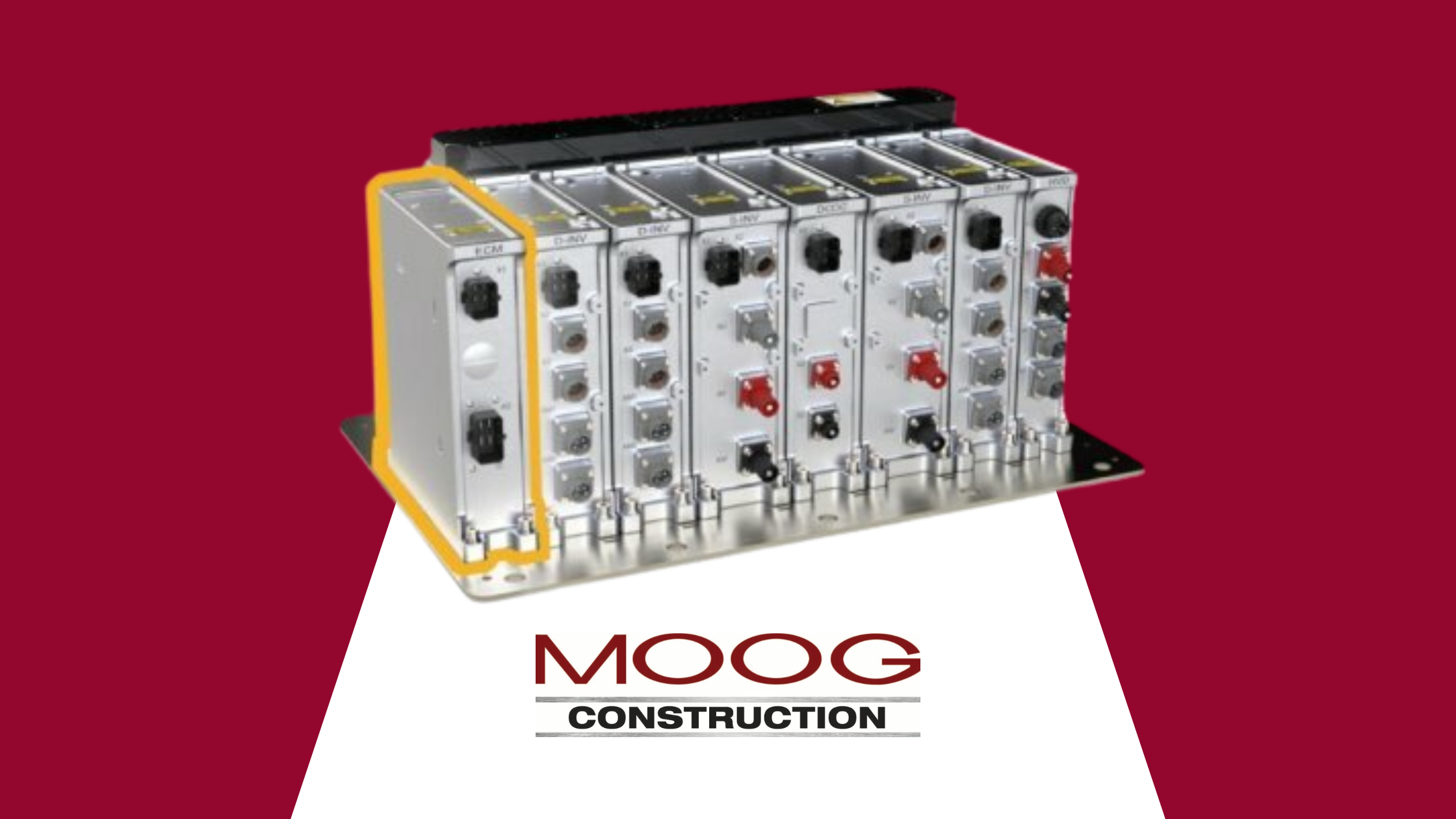
Moog Construction used the big stage at CONEXPO-CON/AGG 2026 to reveal a newly engineered platform designed to simplify the electrification and automation of construction machinery. The company calls it the Adaptive Electrification Management System (AEMS), and it’s turning heads because it combines electronics that are typically spread across multiple parts into a single modular package.
Moog suggests this could save months on the development timeline, reduce material costs, and eliminate the stress of managing all the cables and hardware currently in manufacturers’ hands. For OEM engineers already racing against the clock and worried about overspending on prototypes, something like this is a godsend. It’s also a strong indicator that we might see electric and autonomous machines on jobsites sooner than we thought.
What AEMS is and why it’s different
AEMS isn’t just another control box. It’s patent-pending, modular, and designed to function as a compact “shelf” of electrification electronics—power distribution, conversion, control, and inverter functions in one system. Moog Construction has already shown versions of the platform in machines like the Bobcat RogueX3, and it’s built to scale across a wide range of equipment, from six-ton track loaders to 25-ton excavators. That matters because OEMs often design separate electrification systems for each machine family. AEMS pushes them toward a reusable, software-based platform they can adapt, rather than redesigning hardware from scratch.
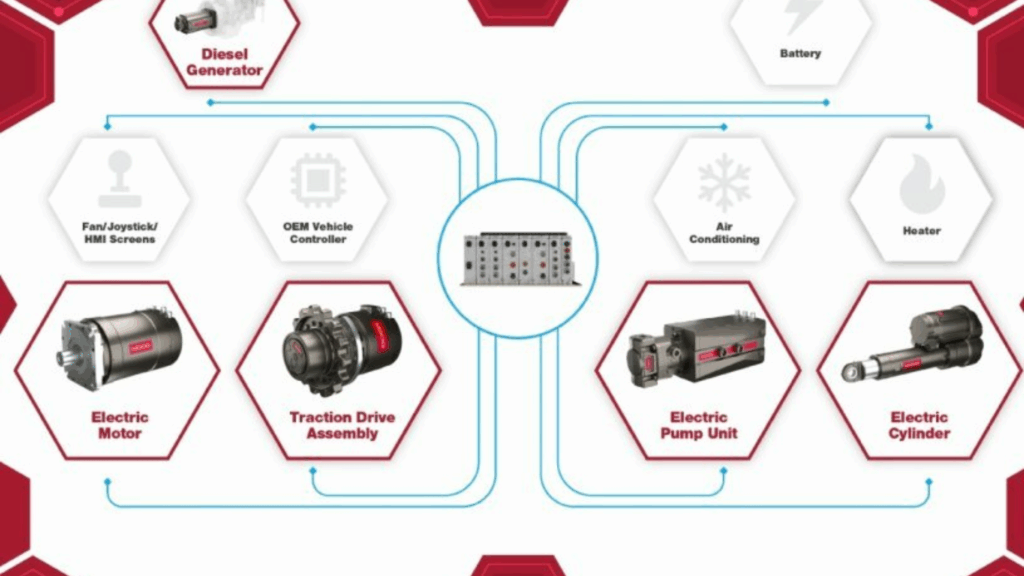
The platform also targets one of the highest hidden costs in electrification: wiring. Moog’s design uses a shared high-voltage busbar and coolant manifold approach, cutting cabling and hoses by about 30%. That doesn’t just make the inside of machines cleaner. It can speed up build times, reduce the number of parts required, and make it easier to identify issues. When heavy equipment is operating in a dirty, bumpy, and downright brutal environment, fewer cables and connectors mean fewer potential failure points.
Why contractors and fleets need to pay attention
AEMS is primarily built for OEMs, but contractors and fleet owners will begin to feel the effects as it takes off. When manufacturers can standardize electrification hardware across models, it becomes easier to stock parts, train technicians, and fix issues without breaking the bank by calling in a specialist. And that means electric gear is more likely to hit the market at a price point that won’t scare off buyers looking to save every last penny.
It also aligns with the direction construction equipment is heading, even beyond electrification. Standardising control architecture makes it much easier to add the software-driven features that really make a difference on real-world jobsites: better diagnostics, more accurate performance monitoring, fault tracking, and smarter maintenance schedules. These aren’t a futuristic pipe dream anymore—they’re actually the sort of thing that’ll start making a real difference. They’re the tools that help keep machines running when schedules are tight, and downtime is expensive.
For Moog Construction, AEMS strengthens its position as a supplier capable of handling the full electrification stack. The company already builds motors, actuators, and motion control systems, but this platform integrates the electronics side in a way that lets OEMs avoid reinventing it for each program. If AEMS performs as Moog is pitching, it could speed up the transition of electric and semi-autonomous machines from prototypes to production lines.
If you want to stay up to date with the equipment and technology trends shaping the future of the jobsite, subscribe to the Under the Hard Hat newsletter.