
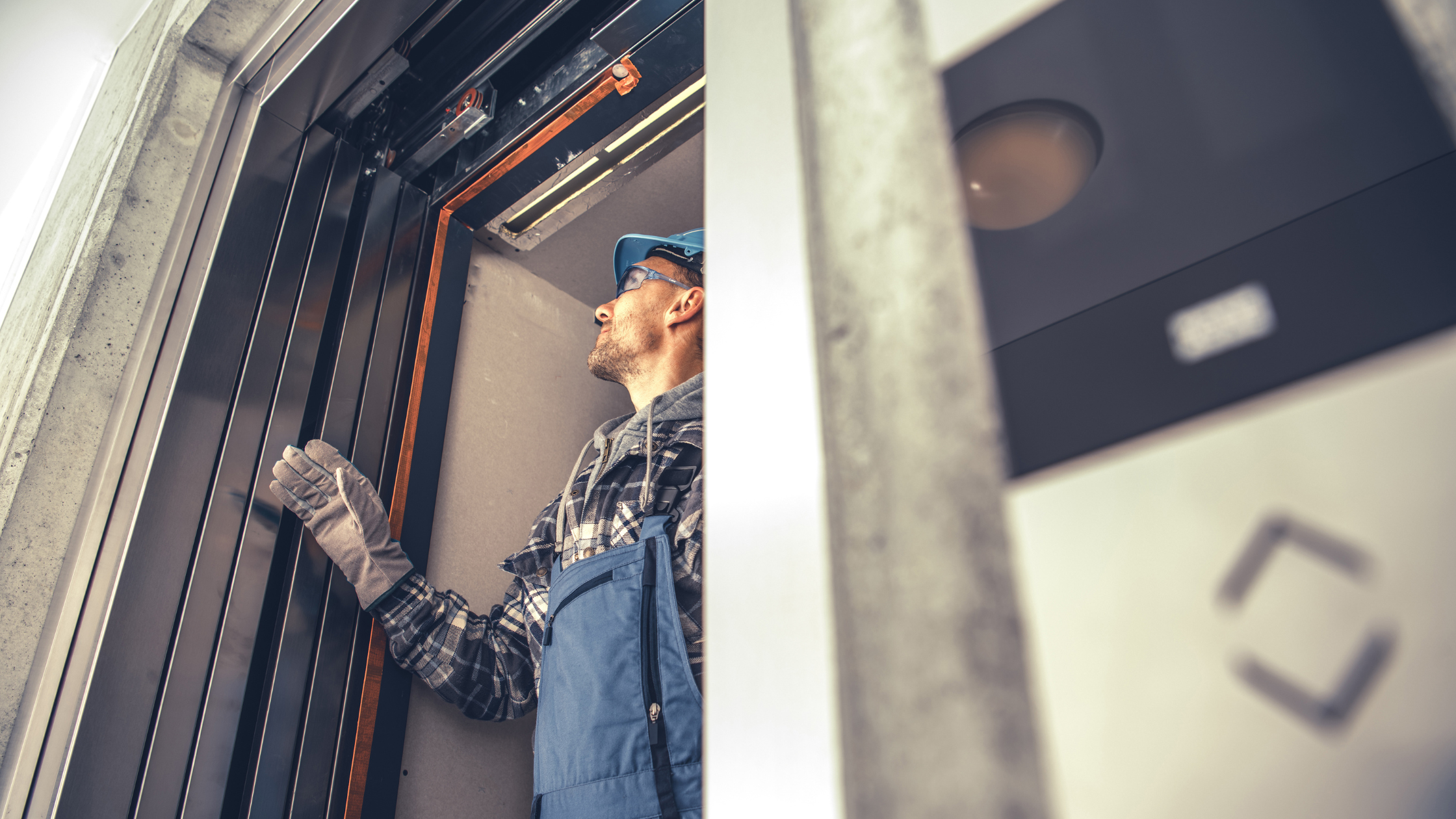
Thinking about a career as an elevator mechanic? This is a hands-on trade that puts you deep inside the machinery people rely on every day—elevators, escalators, moving walkways, and similar systems. This guide walks you through how to become an elevator mechanic in the United States in a clear, practical way. You’ll find out how long it takes to become an elevator mechanic, what steps you’ll follow, and what the work looks like when you’re on the job. If climbing into an elevator shaft, solving mechanical puzzles, and building a stable career sounds like your kind of work, keep reading.
How long does it take to become an elevator mechanic?
When people ask how long it takes to become an elevator mechanic, the simple answer is that you’ll need to train for about four to five years. It all comes down to the apprenticeship model that most companies and trade groups require. Apprenticeship programs combine classroom time with hands-on experience under the guidance of a seasoned professional.
Every year, you’ll get a chance to build on what you learned the year before, and that’ll take you from the basics all the way up to more advanced electrical and electronic work. Once you’ve got all the training under your belt, you should be ready to work on your own, and in a lot of places you’ll be able to sit a licensing exam. Most programs require thousands of supervised field hours, plus up to a few hundred classroom hours, per year during that four- to five-year stretch.
Steps to become an elevator mechanic in the U.S.
1. Get the right high school foundation
You don’t need a college degree to become an elevator mechanic, but having a good high school foundation helps. Courses in math, physics, mechanical drawing, and shop give you tools you’ll use daily once you start training. Additionally, learning basic electrical theory and blueprint reading is helpful, especially since elevators involve both mechanical and electrical components. Doing well in those classes will give you an edge when you’re applying for apprenticeships, because let’s face it, competition can be pretty fierce.
2. Find and apply for an apprenticeship program
Apprenticeships are the most common way into this trade. Search for programs through trade unions, such as the International Union of Elevator Constructors, or through industry associations and individual employers. Most apprenticeship programs last four to five years and are paid, meaning you earn as you learn. Each year usually combines classroom instruction with on-the-job work. Employers expect apprentices to show commitment and a willingness to learn complex systems.
3. Complete classroom and field training
Once accepted into an apprenticeship, you’ll split your time between classroom learning and fieldwork. Classroom hours cover safety practices, electrical theory, electronics, hydraulics, and control systems specific to elevators and escalators. On the job, you’ll assist experienced mechanics with installing, maintaining, and repairing equipment. As you log more hours and prove your skills, tasks become more challenging. Many apprentices start with simple tasks like carrying tools or cleaning machine rooms and progress to wiring circuits and troubleshooting control logic.
4. Become licensed where required
Most states reckon that you need a license to work as an elevator mechanic, so it’s worth checking with your local board right away to see what the requirements are. The requirements vary by state, so you don’t want to find out down the road that you need to get a different kind of license. Obtaining that license typically requires passing a trade exam covering electrical systems, safety codes, and installation standards. Once you’ve got your license, you can pretty much work on your own and look at taking on more senior roles, like supervising a team of mechanics on a big contract.
5. Keep learning and grow your career
Even after you’ve finished your apprenticeship and earned your license, you’ll still be learning. The industry is always moving—elevators and escalators are getting more and more automated, and there’s a lot of new technology coming in all the time, so you have to keep your skills up to date if you want to stay employed. Some mechanics pursue additional certifications, such as the National Association of Elevator Contractors Certified Elevator Technician, to demonstrate competence in technical theory and industry codes.
Salary expectations for an elevator mechanic
What you earn as an elevator mechanic can rise quickly with experience and location. The U.S. Bureau of Labor Statistics reports that people working in the elevator installation business did well in May of 2024—the median wage was $106,580. That’s significantly higher than a lot of other construction jobs.
Entry-level apprentices typically start at a lower level, earning an average of $50,658 per year while training. Once they finish their training and earn a license, many mechanics earn well above the median, and if they work their way up to a senior role or a specialized job, that’s when they start earning well. You can earn much more if you work in a high-cost area like California or New York, and many people in unionized environments also earn good money.
The job outlook for this trade is solid. Employment of elevator installers and repairers is projected to grow faster than average, around 5% from 2024 to 2034, driven in part by building growth and the need to replace experienced workers as they retire.
Advancement opportunities can include roles such as lead installer, supervisor, inspector, or project manager. Some experienced mechanics move into roles that test new elevator technologies or coordinate large installation projects.
Tips for success as an elevator mechanic in the U.S.
- Be patient with the apprenticeship process. Training years build skills that employers value and help protect your safety.
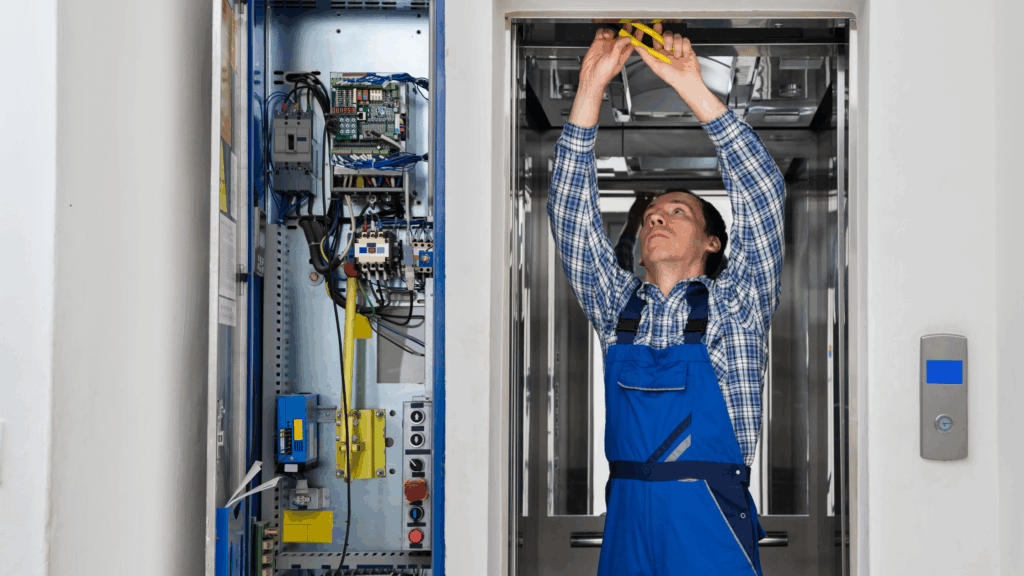
- Focus on electrical fundamentals early. Much of the work involves wiring, controls, and diagnostics that require a strong understanding of electricity.
- Stay physically fit. You’ll work in tight spaces, climb ladders, and handle heavy parts at times.
- Build strong relationships with mentors. Mechanics who ask questions and show reliability often get better assignments sooner.
- Track your hours carefully. Apprenticeship programs require accurate records of classroom and fieldwork.
Is an elevator mechanic a good career?
If you like hands-on work with both mechanical and electrical systems, this can be a good career. Elevator mechanics are needed in cities and towns across the country because elevators and escalators are everywhere—in offices, apartment buildings, hospitals, and malls. The demand remains especially strong in regions with high construction activity and aging infrastructure that requires repair and modernization.
Union presence in states like New York, California, and Illinois helps support predictable wage increases and benefits. Apprenticeship incentives in many regions give you paid training instead of student debt. Because job openings often result from retirements, many contractors are looking for trained workers. A plan that takes several years to complete may sound long, but it positions you for steady work and the chance to earn a strong wage as you gain experience.
Final thoughts
Becoming an elevator mechanic isn’t quick, but it’s straightforward if you follow a step-by-step plan that includes classroom work, apprenticeships, and licensing. Whether you’re just out of high school or looking to switch careers, this trade gives you a chance to earn while you learn and build skills with machines that matter. If you’re interested in trades with similar routes, check out other career guides:
- How to become an HVAC technician
- How to become a land surveyor
- How to become a heavy equipment operator
- How to become an architect
- How to become an electrician
And if you want updates on careers, equipment, and jobsite advice delivered straight to your inbox, subscribe to the Under the Hard Hat newsletter.