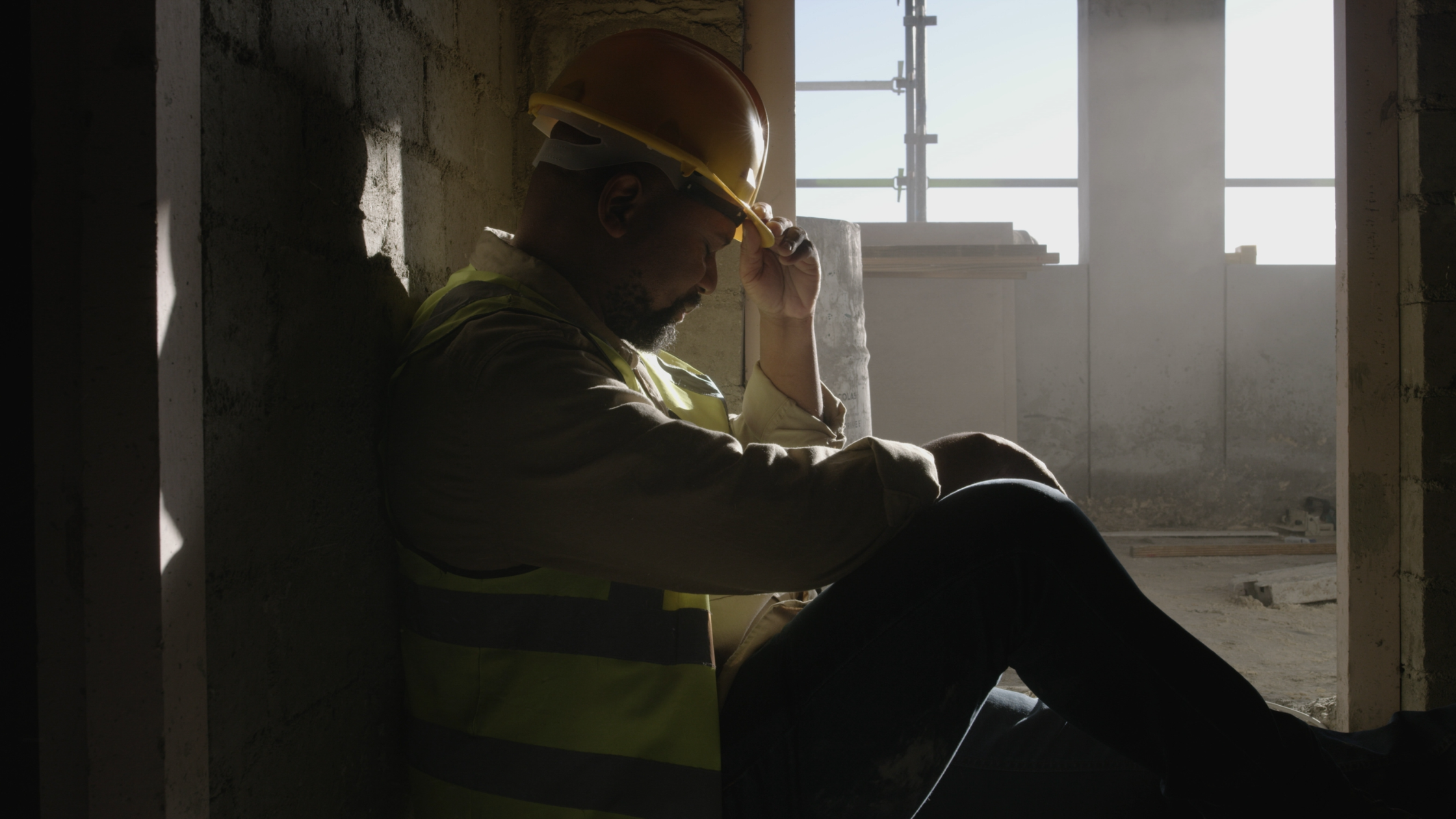
Mental health safety in construction is just as important as wearing a safety harness. This article provides construction leaders with a clear guide to identifying warning signs, managing psychological risks, and implementing a practical 30-day plan to support their teams. Discover why our industry is at high risk and learn the specific steps you can take to build a safer, more supportive culture on the job site.
Shocking mental health statistics in the construction industry
The numbers tell a story that’s hard to ignore. When we look at the data, it becomes clear that we need to treat mental health with the same urgency as physical safety. For example, the suicide rate in construction is one of the highest of any industry. According to OSHA, it is roughly four times higher than the general population.
This means a worker is actually five times more likely to die by suicide than by a job site accident. It is a hidden struggle, with roughly 83% of workers reporting they have dealt with mental health issues. We also face a massive overdose risk. Research from the CPWR shows opioid overdose deaths are six to seven times higher in our trades than in other fields. Even though construction is only a small part of the total workforce, it accounts for nearly 18% of all workplace suicides. Most of these victims are men, who often feel they cannot ask for help. Beyond the human cost, these struggles result in billions in lost productivity and pose safety risks every year.
What mental health safety means on a job site
In construction terms, mental health safety is about identifying and controlling “psychosocial hazards.” Just like we look for trip hazards, falling debris, or faulty wiring, we must look for things that cause severe mental strain. When we treat psychological risks like any other hazard, we create a truly safe job site.
- Psychosocial hazards: Specific factors in the work environment that can cause stress or harm to a worker’s mental health. They include extreme schedules, constant fatigue, bullying, harassment, and job insecurity.
- Access to support: Safety means ensuring every worker knows exactly where to go for help without the fear of being judged by their peers or supervisors.
- Frameworks: Many companies now use recognized standards like ISO 45003. This framework guides the management of psychological health and safety at work, treating mental risk as any other hazard on the site.
Identifying “hidden” hazards: The psychosocial risk assessment
To prioritize mental health, leaders need to learn how to spot psychosocial hazards. These are just aspects of how work is managed that increase stress and can lead to injury.
Next time you perform a site walk, try adding these checks to your routine.
- Ask yourself if there is role clarity. Does every worker know exactly what is expected of them, or are they getting mixed signals?
- Think about job control. Do workers have any say in how they do their tasks?
- Look for environmental strain. Things like excessive noise or poor lighting make it hard to focus.
- Check on recognition. Is good work being noticed, or is the team only hearing about their mistakes?
By documenting these risks, you can create a plan to stop burnout before it starts.
Why are construction workers at higher risk for mental health issues?

The nature of work often creates a perfect storm for mental health challenges. On top of the physical demands, construction culture often prizes toughness. This creates a stigma that stops people from speaking up when they are struggling.
There are several practical reasons for this high risk. Irregular hours and long shifts disrupt sleep and take away time with family. Financial uncertainty from seasonal layoffs adds constant stress. Physically demanding work often creates chronic pain, which can lead to workers using opioids just to get through a shift. Many projects also require isolation, where workers travel far from their support networks. Finally, high-pressure environments with tight deadlines leave no room for an “off” day, leaving workers feeling they’re always under the microscope.
How to recognize the warning signs
Leaders need to watch for observable changes in a worker’s normal routine. Because the construction culture often discourages talking about feelings, many workers will show they are struggling through their actions rather than their words.
- Mood changes: Watch for sudden irritability, anger, or mood swings. Is a normally calm worker suddenly snapping at their crew or becoming unusually quiet and withdrawn?
- Work performance: Pay attention to uncharacteristic mistakes, tardiness, or missed deadlines. A sudden decline in productivity or difficulty concentrating can often be a sign of mental distress.
- Physical symptoms: Look for signs of extreme fatigue or low energy, even after a full night’s rest. Significant weight changes, constant headaches, or a sudden neglect of personal hygiene are also important clues.
- Risk-taking: If a worker starts ignoring safety protocols or taking reckless shortcuts they wouldn’t normally take, it could be a sign they’re feeling overwhelmed or distracted.
- Verbal cues: Listen for “jokes” about being trapped or overwhelmed. Statements like “it doesn’t matter anyway” or “I just can’t do this anymore” should be taken seriously as signs of hopelessness.
How to address mental health issues and recognize the signs
When you notice these signs, the most important step is to check in. This isn’t about giving a medical diagnosis. It’s about showing a teammate that you care about their safety.
Find a private, quiet place for the conversation. Start with something simple like, “I’ve noticed you haven’t been yourself lately, and I’m concerned. Is everything okay?” Your job is to listen first. Don’t try to fix the problem or give advice; just listen without judgment. Always focus on safety rather than productivity to avoid making them defensive. Make sure to follow up and keep their information confidential. Finally, connect them to help by keeping a list of resources ready, such as a union support line or an EAP.
The ROI of mental wellness: Why it’s a “must-have”
Investing in mental health is a smart business strategy. When workers are mentally healthy, the entire job site runs better. It reduces accidents because stressed workers are much more likely to get hurt. It also helps combat “presenteeism,” when a worker is physically present but mentally elsewhere. This reduces mistakes and rework. In a tough labor market, a culture of care also helps with retention. Workers want to stay with companies that actually look out for them.
30-day implementation plan for supervisors on construction sites
Building a mentally safe job site requires a steady, step-by-step approach. This four-week plan helps supervisors move from awareness to action without overwhelming the crew.
Week 1: Ownership and resources
Start by picking a “Mental Health Champion” for your site. This should be someone the crew trusts and feels comfortable talking to. Next, print and post a list of local and national resources in the break room for everyone to see. Finally, commit to a weekly toolbox talk schedule focused specifically on wellness and safety.
Week 2: Training and scripts
Give your supervisors a simple script or guide for conducting check-ins. This helps them feel more confident starting difficult conversations. You must also define a clear escalation pathway. Every leader should know exactly who to call if a worker is in an immediate mental health crisis.
Week 3: Hazard ID
Identify the top two psychosocial hazards on your current site. This might be excessive overtime or high-stress deadlines. Create at least one “control” for each. For example, if the hazard is fatigue, a control could be mandatory break rotations or a temporary cap on double shifts.
Week 4: Feedback loop
Run a toolbox talk dedicated to the changes you have made. Collect anonymous feedback from the crew using a simple suggestion box or a digital survey. Use this information to adjust your plan and show the team that their well-being actually matters to the company.
Peer support programs that fit the construction culture
Peer support is powerful because workers are often more comfortable talking to someone who “gets it” and has stood in their boots. These organizations offer specialized resources tailored to the trades.
- CIASP (Construction Industry Alliance for Suicide Prevention): This group provides the “STAND-Up” pledge and a huge library of toolbox talks. They focus specifically on the “culture of care” within the U.S. construction industry.
- MATES in Construction: While founded in Australia, MATES is a global leader in peer-based suicide prevention. They provide training that teaches workers how to look out for their “mates” on the job site.
- Laborers’ Health & Safety Fund (LEAN Program): The LEAN program (Laborers Ending Addiction Now) is a union-led initiative. It focuses on helping members struggle with substance use and provides a pathway to recovery.
- CPWR – The Center for Construction Research and Training: CPWR offers a comprehensive collection of “hazard alerts” and training cards on mental health and opioid awareness, ready to use on any job site.
- 988 Suicide & Crisis Lifeline: This is a vital resource for any site. By calling or texting 988, workers can connect with free, confidential support 24/7.
For further reading
Dive deeper into how our industry is addressing and changing mental health for the better; check out these other articles:
- Mental health in construction: A 2025 report and summary
- Mental health programs every construction company should offer
- Top mental health resources for Canadian workers with depression
- The 7 mental health symptoms people commonly ignore
Want to learn more about keeping your crew safe and healthy? Subscribe to our newsletter today to get the latest mental health resources for the AEC industry delivered straight to your inbox.