
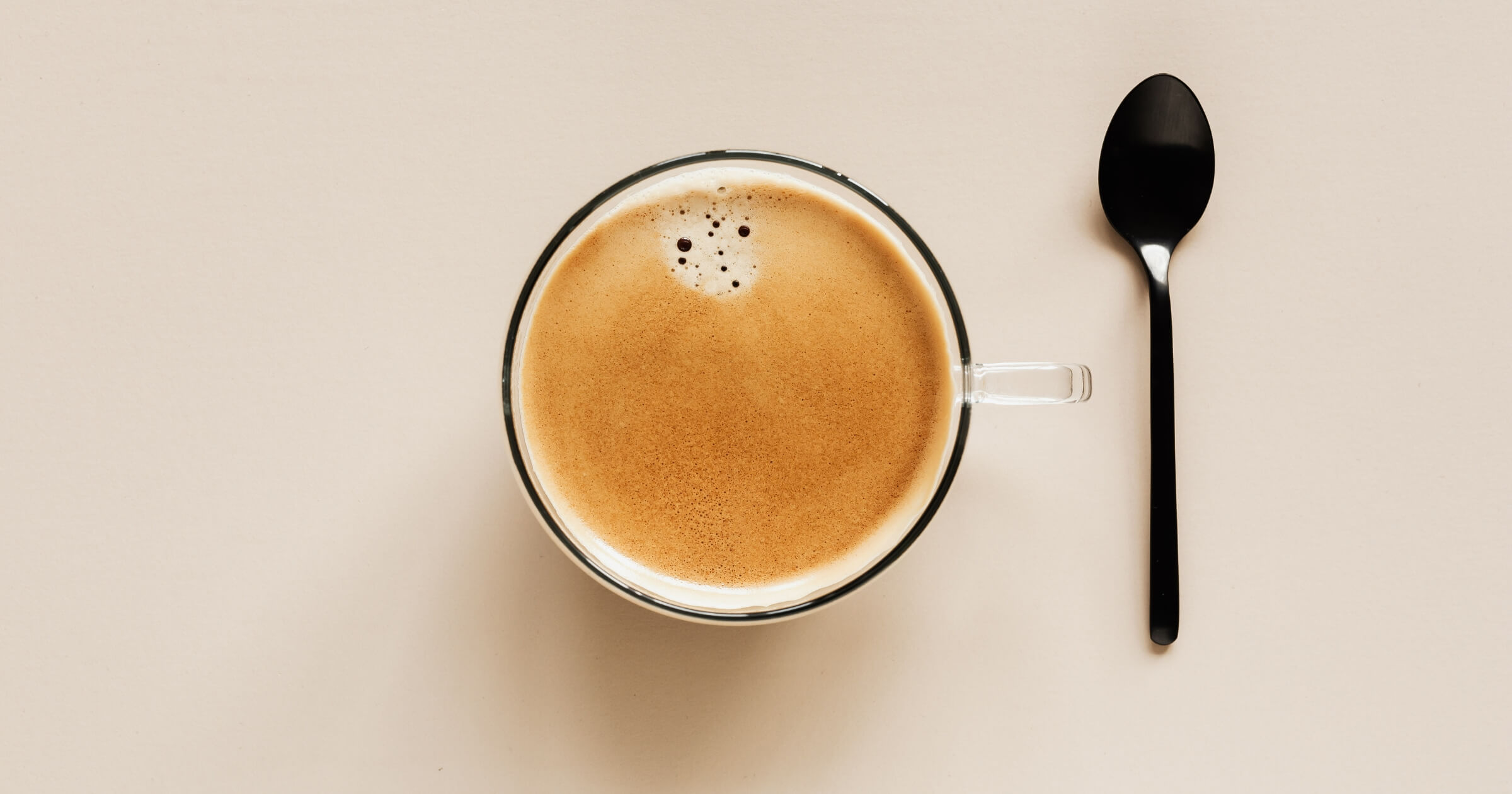
If your heart is racing, hands are shaky, or your brain won’t switch off after too much coffee, it might be a sign that you’re overdoing it on caffeine or your body isn’t processing it effectively. While there are benefits to caffeine, it can quickly flip from focus-booster to anxiety-inducing sleep thief. This article will explain what caffeine does inside your body, why those symptoms set in, and how to reduce the effects of caffeine.
How caffeine affects your body
Caffeine works primarily by blocking adenosine receptors in the brain. Adenosine is a neurotransmitter that builds up throughout the day and promotes sleepiness. When adenosine binds to its receptors, you begin to feel tired. Caffeine mimics adenosine and binds to those receptors, preventing the “slow down” signal from being delivered.
The result is increased alertness.
Caffeine also stimulates the release of dopamine and norepinephrine. These chemicals improve focus and reaction time, but they also slightly raise heart rate and blood pressure. That stimulation is why caffeine feels energizing—it activates the central nervous system and temporarily overrides fatigue.
The U.S. Food and Drug Administration (FDA) advises that up to 400 milligrams of caffeine per day is generally considered safe for most healthy adults. That’s roughly four to five cups of brewed coffee. Many energy drinks contain 150–300 milligrams per serving, which means it’s easier than people think to exceed moderate intake levels.
Caffeine’s half-life averages around five hours in healthy adults, which means it takes an average of five hours for the caffeine in your bloodstream to be metabolized. For some individuals, that window can range from three to seven hours. In pregnant individuals, the half-life may be 8 hours or longer.
Several factors influence how quickly your body clears caffeine:
- Liver enzyme activity (genetics plays a role)
- Certain medications, including oral contraceptives
- Pregnancy
- Smoking status
- Age
- Body composition
Because metabolism varies, two people can drink the same amount of caffeine and experience completely different effects.
Signs you’ve had too much caffeine
The most common symptoms of excess caffeine intake include:
- Jitters or trembling
- Anxiety or nervousness
- Rapid heartbeat or palpitations
- Restlessness
- Digestive upset
- Insomnia
- Headaches
Caffeine stimulates the sympathetic nervous system. If you’re sensitive, that stimulation can feel similar to a stress response. A rapid heart rate may feel uncomfortable, but it is usually temporary in healthy individuals.
Digestive discomfort happens because caffeine increases gastric acid secretion and speeds up bowel movement. Drinking coffee on an empty stomach can intensify this effect.
Insomnia is one of the most common complaints. Even if you do fall asleep, caffeine can reduce REM sleep, which is the deep, restorative phase. That leaves you feeling tired the next day, increasing the temptation to consume more caffeine.
Sensitivity differs widely. Some people metabolize caffeine slowly and feel its effects for many hours. Others process it quickly and tolerate larger amounts. Timing also matters. A 2 p.m. coffee may still be active at 9 p.m., especially in slow metabolizers.
What to do if you’ve had too much caffeine
There is no instant way to remove caffeine from your bloodstream. Your liver must metabolize it naturally. That said, you can take steps to reduce symptoms and support your body during the process.
Hydrate to support and flush your system

Caffeine does have a slight diuretic effect, and that effect is more pronounced in those who don’t drink a lot of caffeinated drinks regularly. When you get dehydrated, it can make headaches and shakiness seem way worse. Drinking steady amounts of water helps the process along by supporting circulation, and the kidneys’ work as your body processes that caffeine.
You don’t want to go out and drink a lot of water all at once; take it easy and sip on it. If you start feeling dizzy, you might want to grab a low-sugar electrolyte drink to help even out the fluid balance a bit. Staying hydrated also helps reduce the risk of rebound headaches when your caffeine levels drop.
Eat healthy food
Eating balanced meals helps keep blood sugar levels in check, and that in turn helps regulate appetite. The issue is that caffeine will temporarily suppress your appetite, which can sometimes backfire later with a drop in blood sugar that can make anxiety and irritability even worse.
When it comes to food, try choosing options that combine protein, good-quality fibre, and healthy fats. Eggs, yogurt, nuts, whole-grain bread, and lean meats are all good sources of steady energy. Don’t go for highly refined sugar. A big sugar spike followed by a crash will make jitters feel worse.
Eating also slows caffeine absorption if consumed shortly after intake. Food in the stomach reduces the rate at which caffeine enters the bloodstream.
Get some light movement
Light walking can help clear your head and burn off some of that fidgety energy. A brisk walk gets the blood flowing and helps break down stress hormones you’re producing. Gentle stretching can also work wonders for easing out the knots that build up in your muscles when you’re feeling frazzled.
But don’t overdo it—high-intensity workouts can just as easily get your heart racing and help your nerves settle down. The aim of the game here is to find some gentle movement that leaves you feeling relaxed rather than amped up. Exposure to daylight during a walk may also help reset circadian rhythm patterns if caffeine has disrupted your sleep timing.
Use deep breathing techniques
Caffeine activates your fight-or-flight response. Slow breathing activates the parasympathetic nervous system, which promotes calm.
Try box breathing: inhale for 4 seconds, hold for 4, exhale for 4, and hold for 4 once again. Repeat for several cycles. This technique can help to lower heart rate and reduce feelings of panic or chest tightness.
Even five minutes of controlled breathing can shift your nervous system toward balance.
Try calming supplements (L-theanine or magnesium)
L-theanine, found naturally in green tea, has been studied for its calming effects. Research suggests it may promote relaxation without sedation. Some people use it to smooth out caffeine’s sharper edge. Magnesium plays a role in nerve signaling and muscle relaxation. If you are deficient, supplementation may reduce tension and irritability.
Always consult a healthcare professional before starting supplements, particularly if you take other medications.
Avoid more stimulants
Do not add additional caffeine, and avoid energy drinks, strong tea, soda, or pre-workout formulas. Nicotine and certain decongestants can also increase stimulation. Allow your system to return to baseline before consuming more stimulants.
Lifestyle strategies that reduce reliance on caffeine
Short-term relief helps in the moment. Long-term strategies reduce how often you need to ask how to reduce caffeine’s effects.
Improve sleep hygiene

Sleep deprivation drives caffeine use. Adults need at least seven hours of sleep per night. Consistent sleep and wake times regulate circadian rhythm and reduce afternoon crashes.
Simple changes to your nightly routine can support a more restorative sleep. This includes limiting screen exposure before bed, as blue light suppresses melatonin production, and exposing yourself to morning light within 30 minutes of waking to improve alertness naturally and reduce dependence on stimulants.
Manage stress
Chronic stress drains energy, and many people compensate with caffeine. Incorporating short breaks throughout the day can lower baseline stress levels. Brief breathing exercises, short walks, or quiet time without screens can all reduce mental fatigue. Lower stress often means lower caffeine intake.
Eat balanced meals
Skipping meals creates energy dips that caffeine temporarily masks. Protein-rich breakfasts can help stabilize energy levels in the morning. Complex carbohydrates at lunch prevent mid-afternoon crashes. Regular meals reduce the cycle of caffeine highs and lows.
Stay hydrated throughout the day
Fatigue sometimes signals dehydration, and drinking water consistently helps prevent that confusion. Aim for steady fluid intake rather than relying on caffeinated beverages as your primary source. As a rule of thumb, aim for 2-3L daily, increasing that amount for periods of heavy exertion.
Try this: Replace one caffeinated drink per day with water or herbal tea. Over time, this reduces total intake without abrupt withdrawal.
Switch to lower-caffeine options

Gradual reduction prevents withdrawal headaches. Rather than full-strength coffee, brew half-caffeinated. Choose green tea instead of dark roast coffee. An eight-ounce cup of brewed coffee contains about 80 to 100 milligrams of caffeine. Alternatively, green tea contains about 30-50 milligrams. Matcha may range from 40 to 70 milligrams, depending on the preparation method. Decaf coffee contains small amounts, usually 2-15 milligrams.
Herbal teas contain zero caffeine. Transitioning slowly allows your body to adjust comfortably. If you still want a boost in energy, you can always try caffeine-free energy supplements.
Final thoughts
There is no instant way to eliminate caffeine from your system. Your body needs time to metabolize it. Still, understanding how to reduce the effects of caffeine gives you control when symptoms appear. Hydration, balanced meals, light movement, breathing techniques, and mindful timing all help ease discomfort. Long-term habits like better sleep and steady hydration reduce the frequency of overstimulation. Consistency matters more than quick fixes.
If you found this helpful and want more practical health and performance tips, subscribe to the Under the Hard Hat newsletter and stay informed with science-backed guidance you can use every day.