
Major marine construction projects tied to the defense sector may soon reshape parts of the Texas Gulf Coast. Shipyards, manufacturing facilities, and autonomous vessel production sites are now being proposed or expanded as federal priorities push the United States to rebuild domestic maritime capacity. Two proposals have drawn particular attention: a shipyard expansion led by Canadian builder Chantier Davie and a massive autonomous vessel facility proposed by defense technology firm Saronic Technologies. Together, they suggest that Texas could become one of the most important marine defense manufacturing regions in North America.
Shipyard expansion planned in Galveston and Port Arthur
One of the largest developments involves Chantier Davie, Canada’s largest shipbuilder. The company recently acquired shipbuilding assets in Galveston and Port Arthur, previously owned by Gulf Copper & Manufacturing. The move positions the company to expand its U.S. operations and focus on building icebreakers and other specialized vessels. Davie Defense plans to invest roughly $730 million to upgrade and expand its facilities, with the project expected to add more than 2,400 jobs and increase shipbuilding capacity along the Gulf Coast.
The expansion has already received support from state officials. Texas awarded the company a $21.7 million grant from the Texas Enterprise Fund to help advance the project. The investment is tied to a broader push by the United States to rebuild domestic shipbuilding capacity, particularly for Arctic-capable vessels and other specialized ships needed for national security missions.
The shipyard upgrades could also revive large-scale vessel construction in areas that have historically focused more on ship repair and offshore service work. New fabrication facilities, expanded dry docks, and additional manufacturing space would allow the yards to handle complex builds that were previously sent overseas.
Autonomous vessel manufacturing proposed in Brownsville
While the Davie expansion focuses on traditional shipbuilding, another proposal in Texas targets the next generation of maritime technology. Austin-based defense startup Saronic Technologies is considering a multibillion-dollar manufacturing complex in Brownsville that would produce autonomous surface vessels for the U.S. military.
The company’s proposal, known internally as Project Hercules, would involve a 400-acre shipyard and manufacturing campus built in multiple phases. Total investment could reach $3.25 billion, with the facility expected to create up to 10,000 jobs over time.
If approved, the site would manufacture Saronic’s autonomous vessels, including the Corsair, a 24-foot drone boat capable of carrying a 1,000-pound payload over more than 1,000 nautical miles. The vessels can travel at speeds exceeding 35 knots and are designed for surveillance and defense missions.
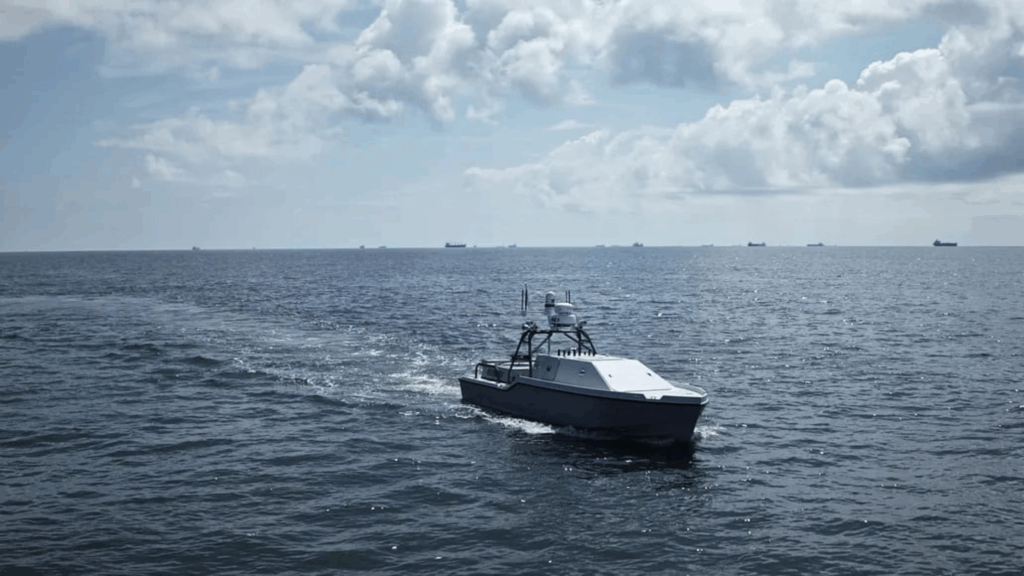
The first phase of the project could begin construction as early as this year, with operations expected to start in 2027. Plans for the facility include steel fabrication shops, welding operations, hull assembly buildings, and integration areas for autonomous systems. Local incentives and tax agreements are being discussed as part of the site selection process, with Brownsville competing against other potential locations across the United States.
Federal priorities driving marine construction growth
The surge in shipyard and marine manufacturing proposals is tied to growing concerns about U.S. maritime capacity. Federal leaders have warned that decades of underinvestment have weakened domestic shipbuilding, even as competitors continue to expand their fleets and manufacturing capabilities.
A federal executive order issued in 2025 called for rebuilding the country’s maritime industrial base and expanding shipbuilding capacity for both defense and commercial purposes. The policy push has encouraged private companies to expand manufacturing capabilities in the United States and has increased interest in new shipyard construction.
Texas has become a natural target for these projects. The Gulf Coast already has a large industrial workforce, established marine infrastructure, and access to deep-water ports. State incentive programs also play a role in attracting new facilities.
Together, those factors are positioning the region as a potential hub for future marine defense manufacturing.
A new era for Gulf Coast shipbuilding
The proposed projects represent a major shift in the type of construction taking place along the Texas coast. Shipyards historically focused on offshore energy support vessels and repair work. Now the region may see a return to large-scale shipbuilding and advanced defense manufacturing.
If both projects move forward, the combined investment could reshape the Gulf Coast’s industrial base. Shipyard expansions, autonomous vessel factories, and supporting supply chains would bring new fabrication facilities, skilled trades jobs, and specialized manufacturing capabilities to the region.
For construction companies and contractors, these developments point to a new wave of marine infrastructure work tied directly to defense spending and maritime technology.
If you want more coverage of large construction projects, industrial developments, and the infrastructure shaping the construction industry, subscribe to the Under the Hard Hat newsletter to stay informed about what’s being built next.