
The system moves beyond engine-driven power
For many fleets, engine idling remains a major, recurring problem—it burns fuel, increases wear, and drives up maintenance costs. Vanair, a Lincoln Electric company, has introduced a new integrated system to combat the problem.
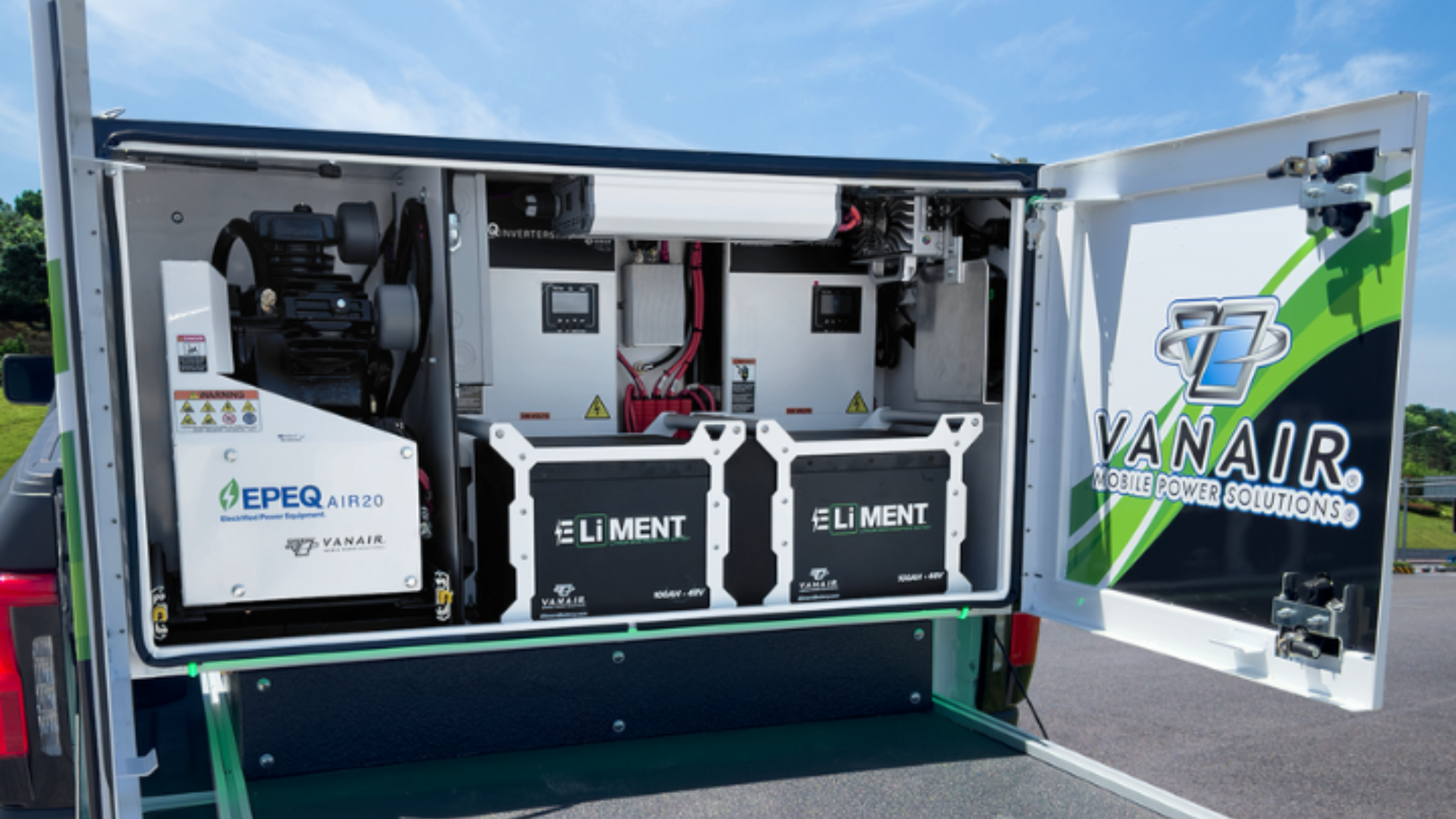
The EPEQ electrified power equipment ecosystem is designed to improve efficiency by directly reducing engine idling and offering innovative solutions such as solar charging, further reducing fuel consumption and downtime. It also extends equipment lifespan by reducing engine runtime and maintenance costs.
Rather than relying on engine-driven auxiliary systems, EPEQ shifts key functions such as power and charging to a battery-powered setup powered by solar, providing a more sustainable and powerful solution for Class 8 and vocational trucks.
“Vanair has spent more than five decades providing its ‘Mobile Power Solutions’ for work truck and vocational fleets, and the challenges facing Class 8 fleets are fundamentally the same,” said Chip Jones, national manager, Electrified Products Group, Vanair. “Drivers need reliable heating, cooling, and electrical power without running the main engine. Fleets need to protect expensive assets from the wear that idling causes. What we bring to this market is not a single-purpose APU. It’s a complete, integrated power ecosystem that scales to the application.”
The EPEQ comes at a crucial time—fleet operators face intense pressure to reduce emissions, minimize engine idling, and cut unnecessary engine wear. Extra runtime hours translate directly into more wear and higher maintenance costs.
The EPEQ is designed to cut down on fuel use by reducing engine idling and extending battery life through its Solar Assist feature. The system uses adhesive-mounted solar panels to keep onboard batteries charged, powering functions like telematics, ELD systems, GPS, and security systems without relying on the engine.
It also runs on battery-driven hydraulic power, enabling operators to run pumps, liftgates, compressors, blowers, and similar equipment without keeping the truck running—cutting fuel use and reducing emissions and mechanical wear.
The shift towards a more integrated system is intentional, according to Vanair: “[The EPEQ system] provides air compressor power, hydraulic power, solar charging, and idle management in a single, integrated architecture,” Jones said. “And because every component is engineered to work together, fleet maintenance teams deal with one supplier and one phone call if there’s ever an issue. That’s a meaningful difference when you’re managing thousands of trucks.”
Vanair’s EPEQ system reflects a broader shift towards how fleets approach power—moving away from engine-driven systems towards electrified solutions. For construction fleets using Class 8 and vocational trucks, systems like this offer a more efficient way to reduce idling, control costs, and keep equipment running.
Stay connected with the latest updates from companies like Vanair by subscribing to our weekly newsletter and following us on LinkedIn.