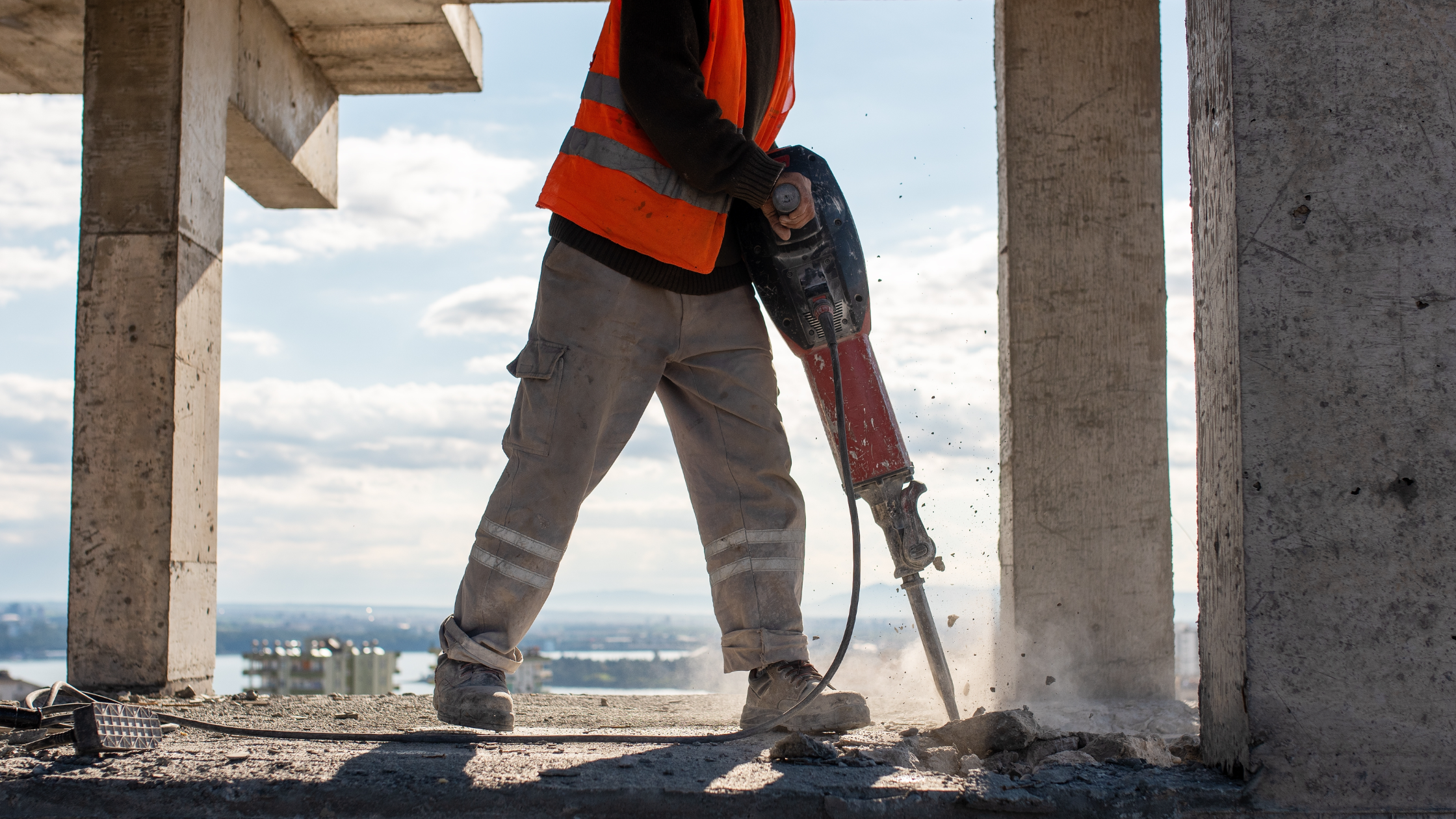
Most people in the construction industry know that loud sounds can damage their hearing, but very few realize how constant noise and mental health are connected. High decibel levels from big machines and power tools can trigger stress responses in your brain that can lead to burnout. This article explains how construction noise and mental health impact workers in the AEC community and offers simple steps you can take to protect your peace of mind.
What jobsite noise looks like
In construction and manufacturing, noise is a constant throughout the day. Noise pollution and mental health concerns also stem from the constant hum of generators, high-pitched backup alarms, and background music that never seems to stop.
Most workers spend ten to twelve hours a day in these loud environments. Unlike an office worker who might have a quiet breakroom, a construction worker often has few places to go for a silent recovery. This long-term exposure means your brain is always on high alert. Even during your lunch break, your nervous system is still processing construction noise and mental health triggers.
Did you know? If you have to raise your voice to be heard by someone just 3 feet away, the noise level is likely over 85 dBA—the threshold at which damage begins.
How noise affects mental health
Loud, constant noise on a jobsite can not only damage your hearing but also physically rewire how your body handles stress. When your ears pick up these sounds, your brain’s amygdala (the emotional processing center) sends a distress signal to your hypothalamus. This immediately kicks your body into fight-or-flight mode, even if you’re doing something relatively low-stress.
- Increased stress and anxiety: High cortisol levels make it much harder for you to stay calm. This can lead to a constant sense of tension that is hard to shake off, even when you are not working.
- Mental fatigue: Your brain has to work extra hard to filter out background noise so you can focus on your specific task. This mental effort drains your energy faster than the physical work alone.
- Reduced concentration: Research shows that noise pollution and mental health issues make it difficult to perform complex tasks. This increases the risk of making a dangerous mistake.
Recent studies in environmental health also suggest that people who work in high-noise areas have a higher risk of developing depression and long-term anxiety.
How noise impacts jobsite safety and performance
The constant sensory overload from the jobsite follows you home. This spillover effect is a real medical concern for anyone in the trades. When your body is exposed to high noise levels all day, typically defined as 85 decibels or higher, it can trigger a state of occupational fatigue that makes it harder to wind down after your shift.
Research shows that high noise exposure is a significant predictor of sleep disturbances, including longer time to fall asleep and more frequent awakenings. This happens because the noise acts as a persistent stressor, keeping your fight-or-flight response activated even when you are trying to rest.
The cycle of sleep and safety
When your brain is still processing the noise of the day, your quality of sleep suffers. This leads to a dangerous chain reaction on the jobsite:
- Slower reaction times: Chronic sleep deprivation, even losing just two hours of rest, can impair your reaction time and coordination as much as drinking three beers, or a blood alcohol level of 0.05%.
- Cognitive decline: High noise exposure combined with less than six hours of sleep has a synergistic effect that causes a sharp drop in your ability to think clearly and solve problems.
- Increased accident risk: Workers struggling with sleep problems are roughly 1.6 times more likely to be injured on the job. In fact, safety experts estimate that nearly 13% of all workplace injuries can be directly attributed to fatigue.
In a high-stakes environment like a construction site, these micro-delays in your reaction time are a major safety risk for everyone on site. Being tired can mean you might take longer to recognize a hazard, misinterpret a coworker’s signal, or fail to react quickly enough when a piece of equipment binds or kicks back.
Why noise is overlooked as a safety concern
In construction culture, noise is often seen as a sign of productivity. If the site is loud, people assume that work is getting done. Because of this, many workers simply choose to tough it out rather than speak up about the volume.
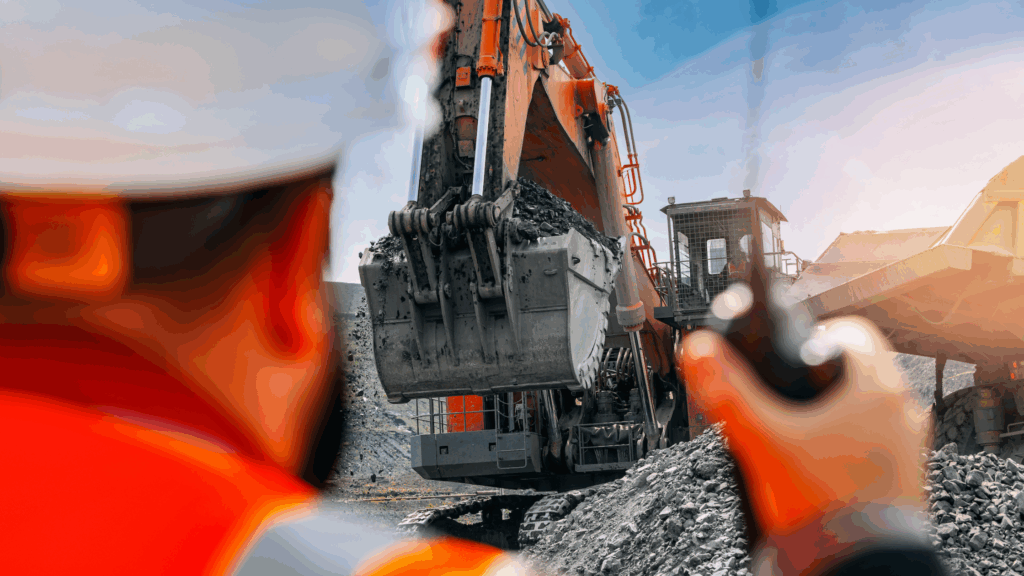
Safety conversations usually focus on wearing earplugs to prevent hearing loss, but they rarely mention mental strain. This is because a physical injury is easy to see and measure. The mental impact of noise pollution and mental health is invisible. You can’t see a worker’s rising cortisol levels or their mental exhaustion, so the problem often goes untreated until someone burns out or an accident happens.
Practical solutions for reducing the effect of noise
You might not be able to turn off the heavy machinery, but there are ways to lower the mental burden on your crew. Reducing construction noise and mental health triggers starts with these simple steps:
- Use active noise cancellation: If your role allows it, use high-quality ear protection that filters out background hums while still letting you hear voices for safety. This reduces the mental clutter your brain has to process.
- Create quiet zones: Contractors can set up designated quiet trailers or break areas where radios and loud conversations are not allowed. This gives the brain a much-needed chance to reset during the day.
- Schedule noise breaks: Rotate workers so that no one person is stuck next to a loud generator or machine for an entire eight-hour shift. Moving people to quieter areas of the site can help prevent mental fatigue.
- Sound barriers: Use portable sound blankets or acoustic barriers around stationary equipment, such as compressors. This helps dampen the noise for the rest of the crew working nearby.
Bottom line
Noise and mental health is a silent threat to the workforce. By recognizing that jobsite sounds affect the brain as much as the ears, we can start building safer, more supportive environments for everyone in the industry. Taking small steps to reduce noise pollution and mental health risks can lead to a happier, more focused, and more productive team.
Further reading
- PTSD rates are high in the construction—let’s talk about it
- Mental health and construction—the silent killer
- Mental health in construction: A 2025 report and summary
- Mental health toolbox talk topics every construction crew should know
Want more tips on staying healthy and safe on the jobsite? Subscribe to the UTHH newsletter for the latest lifestyle and health advice for the AEC community.