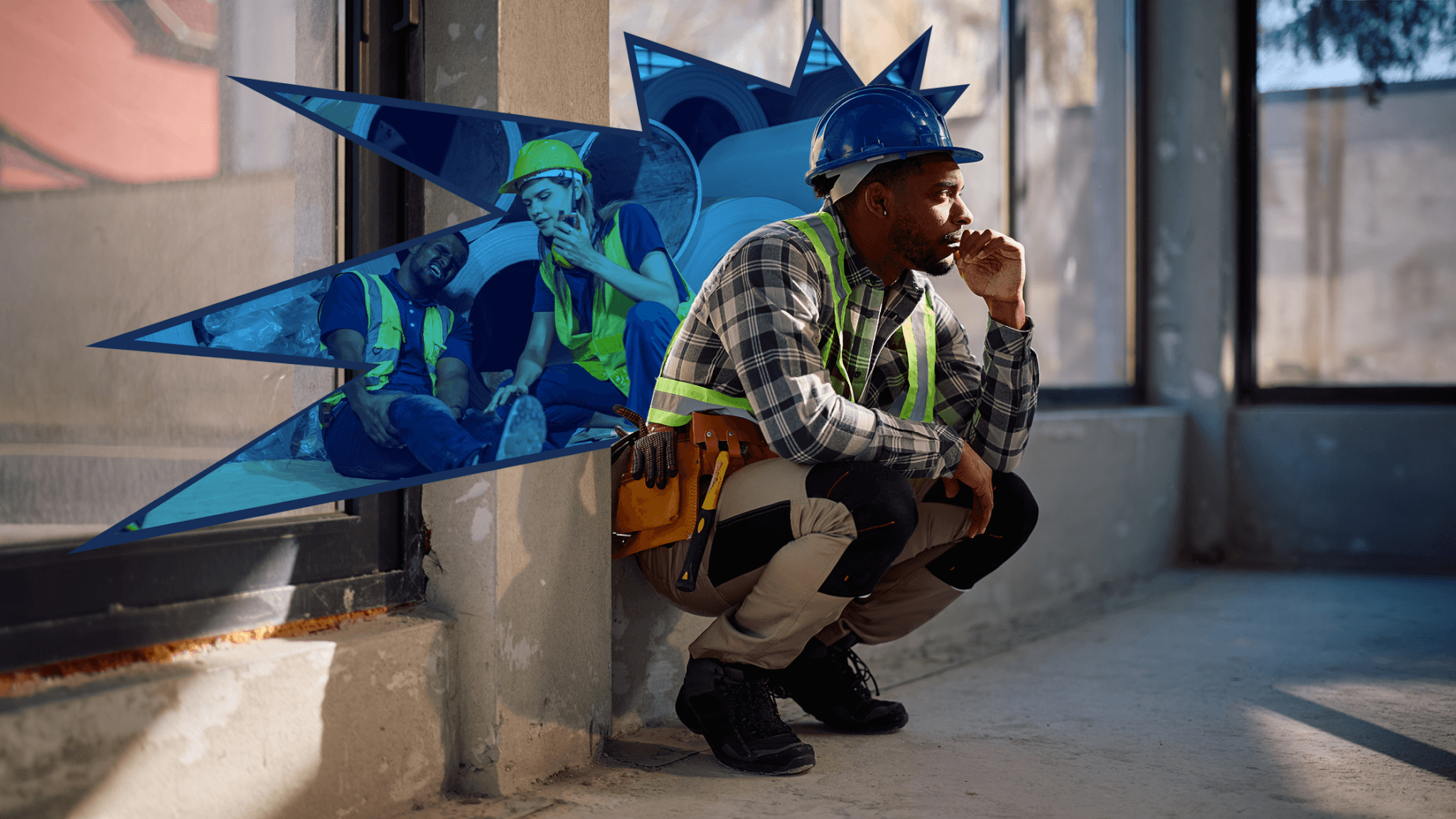
Post-traumatic stress disorder, or PTSD, isn’t just a personal struggle—it’s a jobsite hazard hidden in plain sight. In an industry where workers regularly witness accidents, the mental aspect doesn’t stop when you clock out. According to research by the Construction Industry Rehabilitation Plan (CIRP), as many as 70% of construction workers may have undiagnosed PTSD. When trauma goes unrecognized, safety risk increases. Knowing how to recognize the warning signs of trauma and how to address PTSD symptoms is a critical part of keeping every jobsite safe.
Quick look
- Look for non-physical injuries, such as constant irritability, trouble sleeping, or avoidance of specific tasks that remind you of a past accident.
- Unmanaged PTSD affects focus and decision-making, which can lead to serious mistakes or near-misses on a busy jobsite.
- If you notice signs in yourself or a teammate, use available resources like Employee Assistance Programs (EAPs) or peer-to-peer support groups.
- The industry is shifting away from the tough-it-out culture and toward a mindset where mental health is treated with the same importance as physical safety.
What can PTSD symptoms look like?
Because it’s so underreported, PTSD symptoms can be hard to spot. Defined as a mental health condition triggered by experiencing or witnessing terrifying, life-threatening, or traumatic events, PTSD can actually change how your brain processes information. In the construction world, this can happen after witnessing a fall from a height, being involved in a structural collapse, or experiencing the sudden loss of a coworker.
Some common symptoms to watch for include:
- Being on edge: This is the feeling that you are always waiting for something bad to happen. You might find yourself easily spooked by everyday jobsite sounds, like a loud nail gun or a backup alarm.
- Avoidance: You might start making excuses to avoid a specific part of the jobsite. You might also refuse to do a certain task because it reminds you too much of a previous traumatic event.
- Intrusive thoughts: These are often called flashbacks. They are memories of a trauma that pop up when you are trying to work or during sleep.
- Mood changes: This can look like being constantly angry or irritable with your crew. Some people also feel numb and stop enjoying things they used to love.
What happens to your brain with PTSD?
We are really talking about a brain that has been forced into a permanent state of survival mode. It creates a perfect storm that changes how three key parts of your brain work together:
- The fear center (amygdala): This part of your brain stays stuck in high gear. It is always scanning for danger, which makes you feel on edge, even when you’re technically safe on the jobsite.
- The rational center (prefrontal cortex): This is the part of your brain that helps you think logically. PTSD actually weakens this connection, making it much harder for your logical side to tell your fear side to calm down.
- The memory center (hippocampus): This area can actually shrink over time. When that happens, your brain struggles to file old memories away as past events.
Because of these physical changes, it becomes incredibly difficult for your brain to tell the difference between a past trauma and your present safety. It’s a physical rewiring that makes you feel like the danger is still happening.
Why this matters on the jobsite
Recognizing the signs of PTSD is a major safety issue for the entire team. When a worker is struggling with these symptoms, their ability to focus and make sound decisions declines, putting everyone at risk.
Safety risks. If you’re distracted by a flashback or you are exhausted from a lack of sleep, you are much more likely to make a mistake. On a busy jobsite, a split second of lost focus can lead to an accident that hurts you or someone else.
Team morale. Uncontrolled anger or being easily annoyed can cause a lot of tension within a crew. This makes it much harder for everyone to communicate clearly during a complex task, putting timelines, projects, and people at risk.
What to do if you notice signs in yourself
If you realize you’re struggling, the most important thing to remember is that you are not alone. Having these symptoms is not a sign of weakness; it’s a physical, chemical, and structural response to a difficult situation.
- Talk to a professional: Start by reaching out to your doctor or a mental health expert. It helps to find someone who specializes in trauma and understands the specific stresses of the construction industry.
- Use your benefits: Many companies offer an Employee Assistance Program (EAP). These programs provide free, private counseling sessions and PTSD treatment that can help you get back on track.
- Lean on peers: Sometimes talking to someone who truly gets it can make a huge difference. Reaching out to a trusted coworker or a peer-to-peer support program can help you feel less isolated.
What to do if you notice signs in others
If you see a teammate who seems off, you can help them even if you are not an expert. Often, just knowing that someone cares can be a turning point for a person who is suffering.
- Listen without judgment: Ask them how they are doing and let them talk if they want to. You do not need to have all the answers or fix their problems. Just being there to listen is a powerful first step.
- Suggest resources: Gently remind them about the company’s mental health initiatives or point them toward wellness apps that offer support.
- Look out for them: If they seem distracted or unsafe, step in to help with their task. You can also suggest they take a break to clear their head. Protecting them in the moment is part of being a good teammate.
Challenges and barriers in construction
On most jobsites, the biggest safety risk isn’t the one you can see—it’s the one no one talks about. For decades, the construction industry relied on a tough-it-out culture. This mindset makes it hard for people to admit they are struggling because they fear being seen as weak or losing their job.
That silence is widespread. In a 2024 survey, 45% of workers said they’d feel ashamed to admit publicly that they were struggling with a mental health issue. Many workers still feel embarrassed; there is a worry that others will judge them or treat them differently if they speak up.
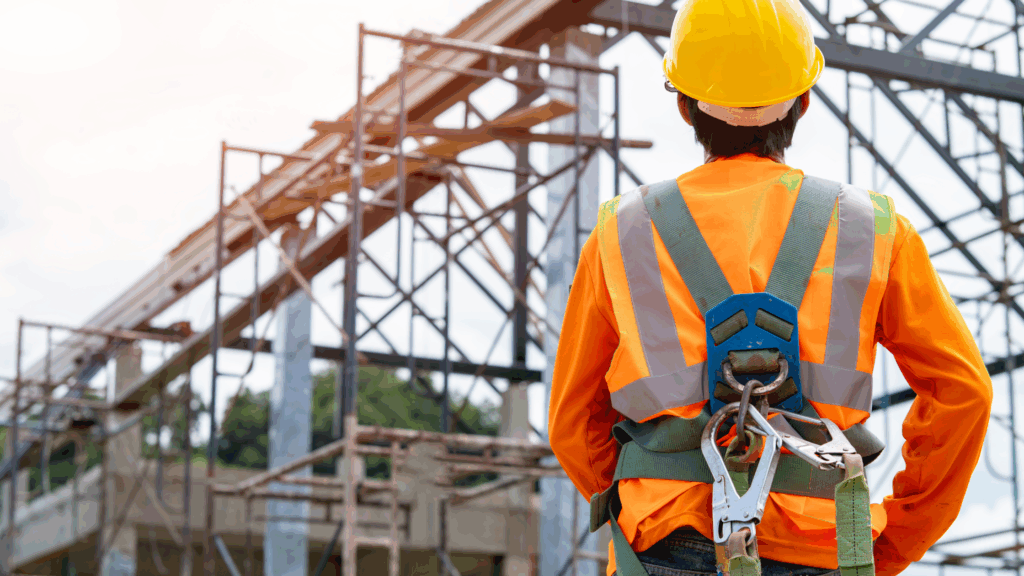
That gap is even more obvious at the senior level. Research shows that while 69% of construction organizations believe mental health training for supervisors is necessary, only 25% currently offer it. While supervisors are trained to spot a broken ladder or a frayed wire, they might not know how to respond when a worker is unraveling. Mental health safety isn’t part of most safety plans, but it’s the one that can derail all the others. And when that gap exists, it affects how crews communicate, react, and stay safe.
A shifting industry
The good news is that the industry is finally changing. More companies are realizing that mental health is just as important as physical safety. From new training programs to on-site resources, there are more ways than ever to get PTSD treatment without judgment. We are moving toward a future where it is okay to say you are not okay.
- Many large contractors are now training their site supervisors in Mental Health First Aid (MHFA). Just like regular first aid, this teaches foremen to spot the early signs of a panic attack or flashback and stabilize a teammate until professional help arrives.
- Groups like the Construction Industry Alliance for Suicide Prevention (CIASP) are providing resources for toolbox talks that specifically cover PTSD and depression. Bringing these topics into the daily huddle helps strip away the stigma.
- Programs like BuildStrong by CIRP and M.A.P.’s Building Trades Members Assistance Program are creating networks where workers can talk to other tradespeople who have been through similar trauma. It is often much easier to open up to someone who has actually spent time in the boots you are wearing.
Making treatment accessible
Companies are also changing how they offer benefits to make sure help is actually reachable.
- Digital health and apps: Because our schedules are often irregular, some firms are providing free access to apps that offer 24/7 counseling. This allows a worker to speak with a therapist at any time or from any location where there might not be a nearby clinic.
- Better EAPs (Employee Assistance Programs): Modern EAPs in the construction world are becoming more trauma-informed. This means they are better at connecting workers with specialists who specifically understand the types of high-stress events, like site accidents or near-misses, that happen in our industry.
Bottom line
Like broken bones, PTSD is a real injury that requires time and the right tools to heal. By learning to spot the signs and encouraging our coworkers to seek help instead of manning up, we can make every jobsite a safer place for everyone.
Want more tips on staying healthy and safe on the jobsite? Subscribe to our newsletter to get the latest mental health advice and industry news delivered straight to your inbox.