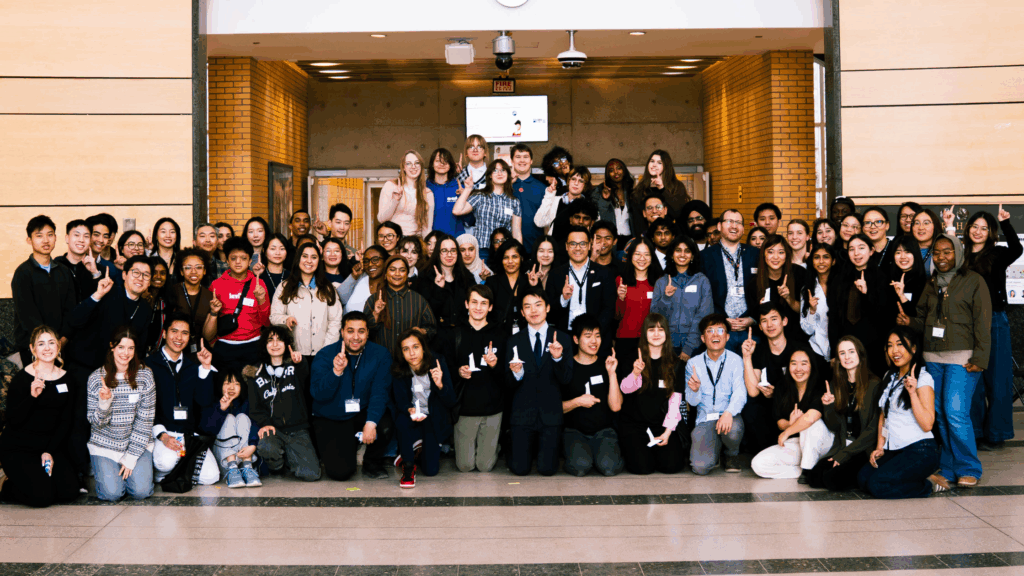
The shift from adult-led urban planning to youth-driven design is a critical lens through which AEC leaders can reimagine infrastructure. We sat down with Ryan Lo, Co-Executive Director of Urban Minds, to discuss the 10th annual 1UP Conference at York University, where over 100 high school students spent their weekend prototyping the future of the TTC. From green-roofed bus stops to real-time digital connectivity, these students are proving that the next generation of city builders is ready to work with what we have to build what we need.
This interview has been edited for length and clarity. To see the full interview, check it out on our YouTube channel: https://youtu.be/CyRnwbG7jQs
Under the Hard Hat: Students were tasked with redesigning bus stops, streetcar stops, and subway platforms. What were some of the biggest pain points they identified that industry professionals might have overlooked?
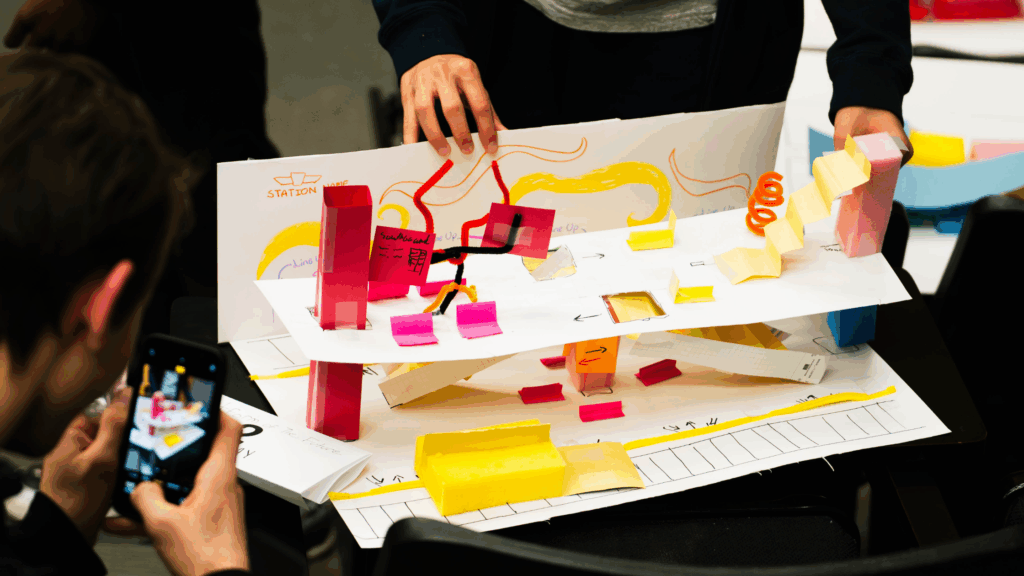
Ryan Lo: The students really identified connectivity as a major issue. Because they live in an era of digital media, they expect a high level of speed and information about when the next bus or train will arrive. A big part of their pitches focused on meeting riders where they are with digital information.
The other aspect was sustainable features. Many students incorporated solar panels or green roofs. As the generation that has to deal with the impact of climate change, they’re thinking about how to make our infrastructure work harder to fight it.
UTHH: The winning team, “Platform of the Future,” focused on cost-effective retrofits and existing Canadian tech. How important is it for the next generation to focus on repurposing what we already have rather than building net new?
RL: It’s critical for two reasons. First, it’s obviously more climate-friendly to use fewer resources. Second, it’s about cost. The TTC is a public agency that often faces funding challenges. A big part of the evaluation criteria for this Design Jam was how we can use this infrastructure as a revenue-generating or cost-recovery tool. Repurposing existing spaces is a practical way to achieve that.
UTHH: The conference explored making transit safer and more inclusive. What specific features did the students propose for newcomers and families?
RL: Having displays that include information in different languages stood out to me. Right now, most TTC signage is in English. We have many multicultural communities and newcomers in Toronto for whom English may not be their first language. Sharing important information in their own language makes the transit experience much more accessible and inclusive.
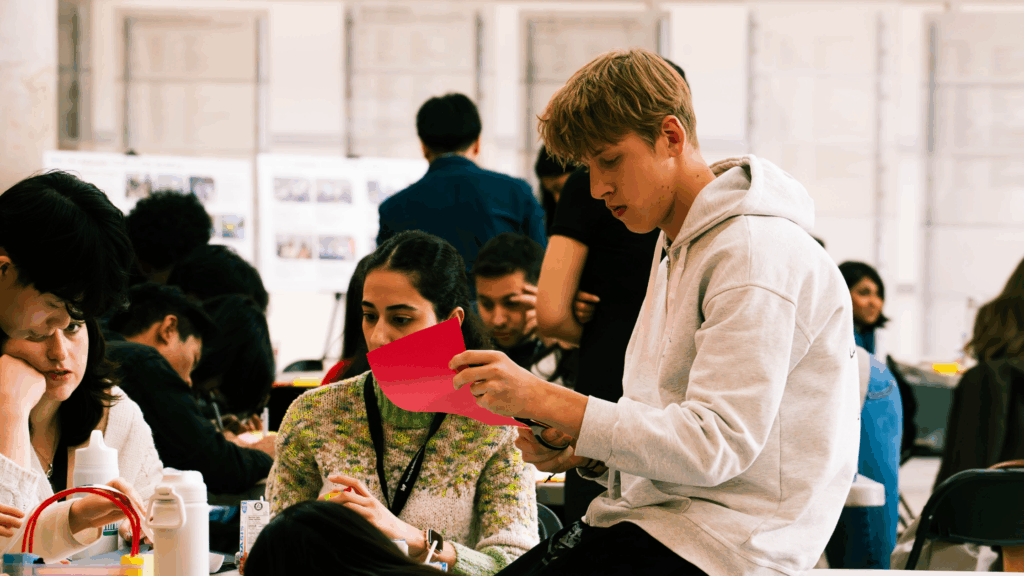
UTHH: You mentioned that the environment mimics the real-world pressure of the AEC industry. How do you prepare them for those complex logistics?
RL: We provide the students with “personas”; fictional characters that reflect real demographics, like a remote tech worker or a single mother with kids. This helps them empathize with users they might not encounter in their daily lives. It forces them to design for accessibility rather than just thinking about what a high school student would want.
UTHH: You shared a surprising statistic about who is attending these conferences. What does the diversity of your participants look like?
RL: Since we started tracking in 2022, roughly two-thirds of our participants identify as female. We don’t intentionally go out looking only for young women, but because the program is designed to be accessible and catered to youth, it doesn’t feel like a sector that is only for the boys. I’m also proud to say that over 80% of our participants identify as BIPOC [Black, Indigenous, and People of Color].
UTHH: That’s a massive shift for the industry. How can the big players in Toronto construction better support these students to ensure this passionate workforce stays in the industry?
RL: There are three ways. First, support initiatives like ours that give students a glimpse of what a day in the life of an architect or engineer looks like. Second, industry leaders can offer co-op programs. High school students are capable if you invest the energy to train them. Finally, include youth in actual public consultations. The TTC spent time this weekend listening to youth feedback to consider those ideas for future implementation.
UTHH: This is the 10th year of the 1UP Conference. How has the student vision for Toronto changed since 2016?
RL: The fundamentals of looking for a sense of belonging don’t change. However, macro trends certainly have. I was actually surprised that AI didn’t come into the picture this past weekend. There seems to be a sense of caution among this generation toward how technology will transform their work. They’re much more concerned about affordability, cost of living, and job security than they were 10 years ago. Economic uncertainty is taking a toll on their way of thinking.
UTHH: Is there a path for these student designs, like tactile wayfinding or real-time counters, to actually be piloted on Toronto streets?
RL: The City of Toronto is currently doing public consultation for its street furniture program. The TTC was keen on this Design Jam because it is a timely conversation. The judges took pages of notes and shared that they will be presenting these ideas to their colleagues at both the TTC and the city. I’m very optimistic that these ideas will be considered.
About Urban Minds
Urban Minds is a Canadian non-profit organization dedicated to creating meaningful opportunities for youth to shape equitable and sustainable communities. Through their flagship 1UP Youth City Builders program, they bridge the gap between high school students and the professionals who build our cities. Urban Minds empowers the next generation to see themselves as active participants in the urban development process rather than just bystanders by providing early exposure to the architecture, design, and construction sectors.
The annual 1UP Conference is the centerpiece of this mission, bringing together over 100 students from across Ontario to learn from industry mentors and participate in hands-on “Design Jams.” These intensive sessions task students with solving real-world infrastructure challenges, such as transit accessibility in partnership with the TTC, allowing them to prototype innovative solutions for their own neighborhoods, serving as a springboard for a new generation of designers, planners, and tradespeople.
For more info on Urban Minds:
- Office tours: This summer, Urban Minds is hosting free office tours in the GTA, Kitchener-Waterloo, and Hamilton. Watch Urban Minds for dates.
- Climate Justice Pitch: In September, a new competition launches to address urgent climate issues.
- Follow: Get the latest updates on social media at @UrbanMindsTO.
Want to support the next generation of city builders? Subscribe to our newsletter and follow us on LinkedIn for more interviews and AEC industry news.