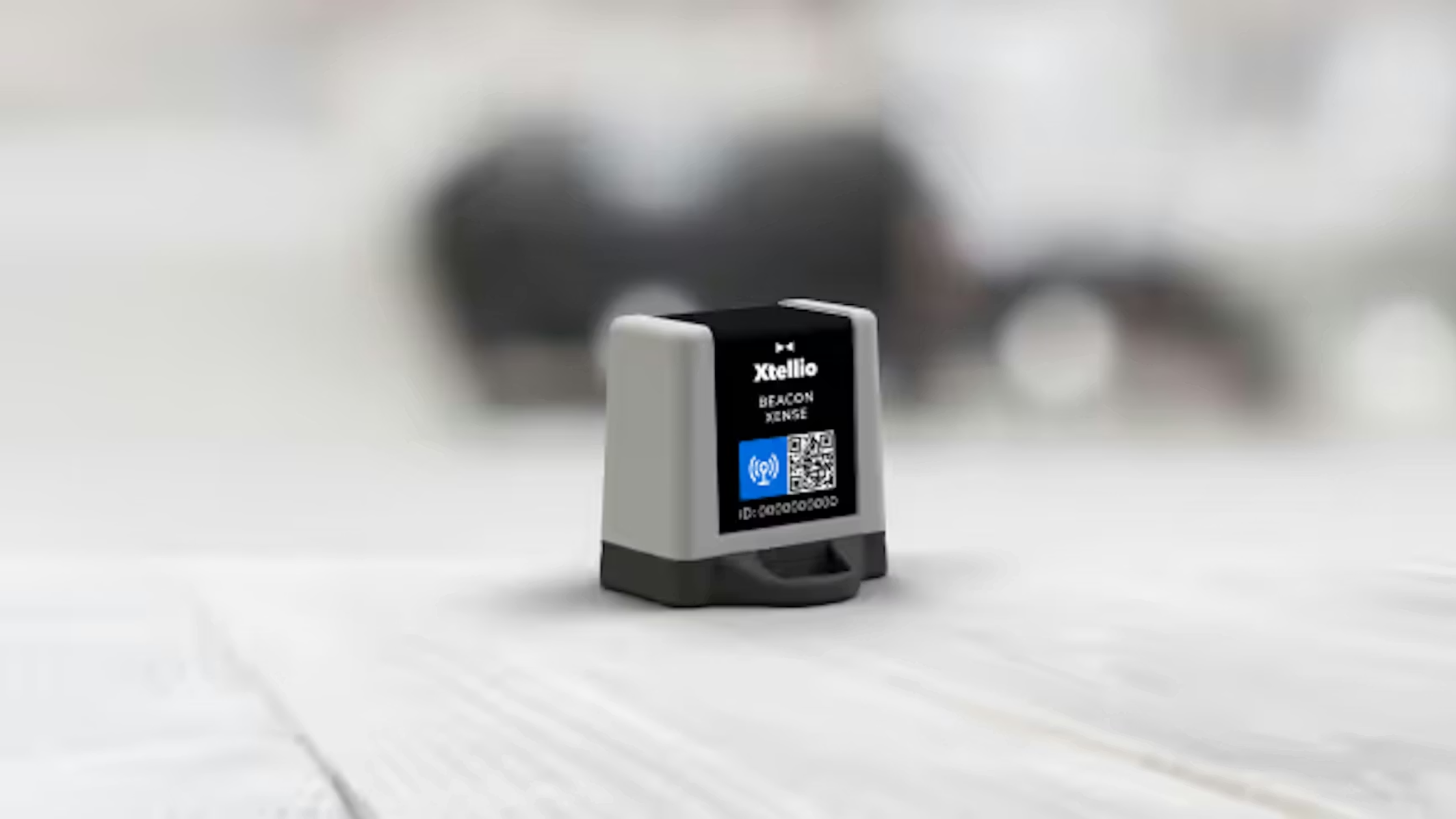
The new telematics system has been designed to enhance visibility into smaller tools and assets
Xtellio, a provider of industrial telematics solutions, has launched a new telematics system designed to bring greater visibility not only to large equipment, but also to smaller tools and assets. By consolidating fleet management data on a single platform, contractors can access comprehensive job-site data, including insights into underutilized equipment, missing assets, and asset locations.
The company’s launch includes over 32 rugged, plug-and-play, battery-powered compact devices called “Xenses.” These compact devices can be used on smaller assets and non-powered tools to capture real-world data that feeds into Xtellio’s cloud platform, Xentrals.
“Telematics originally gained traction in the construction industry in the early 2000s, focusing mainly on heavy equipment,” said Tom Valbak Aardestrup, CEO, Xtellio. “Today, we are pleased to offer a platform solution that moves that model forward, extending visibility across the jobsite environment and advancing data liberation through customer ownership and flexibility.”
Filling the gap
Telematics has traditionally focused on larger machines, leaving a blind spot on the rest of the jobsite. Smaller tools and non-powered assets, though critical for daily operations, have gone untracked, making workflows more complex and harder to navigate.
Xtellio aims to close that gap by capturing data across an entire fleet, from heavy equipment to small tools. Their new plug-and-play sensors—which include a battery life of up to 10 years—offer scalable deployment across mixed fleets. They operate on an independent sensor network that requires no local data infrastructure, minimizing security risks.
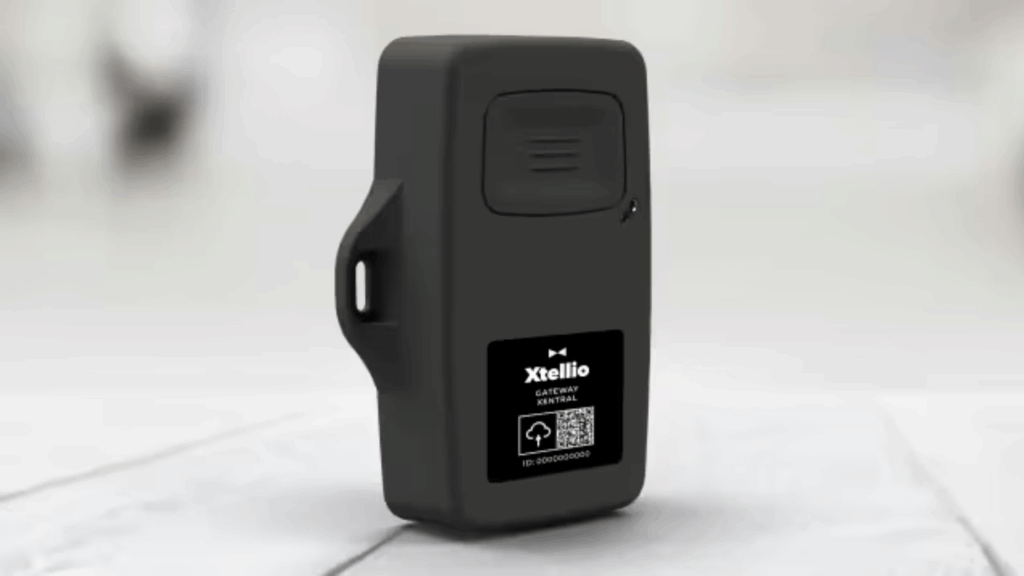
While many telematics systems monitor excavators, skid steers, and other large equipment, contractors often miss the complete picture of what’s happening on site. With Xenses, the entire job site is connected, allowing teams to examine data from mixed fleets—large equipment, wired equipment, and small assets and tools, such as auxiliary systems and industrial heaters. This allows them to track equipment across the job site and identify which tools are missing, idle, or underutilized, enhancing efficiency and workflow.
Better workflow visibility
Expanding telematics systems beyond heavy equipment changes how jobsites are managed. With better visibility, contractors can track inefficiencies, helping to improve productivity and coordination across crews while reducing downtime.
Expanded coverage also helps address common jobsite issues such as lost or stolen tools, giving operators better visibility and control over previously untracked assets.
With more comprehensive data, operators can make decisions based on actual performance, highlighting which machines or tools are in use or underutilized, thereby improving productivity.
Retaining ownership and control
Jobsite data is often locked inside separate systems, which makes it harder for contractors to manage equipment telematics, asset tracking tools, and project management platforms in one place. However, with Xtellio’s new platform, data is delivered via open Application Programming Interfaces (APIs) and can be integrated with existing business systems, allowing teams to retain full control of their data.
This offers contractors far more control and the ability to own their data and use it across different workflows, connecting equipment usage to scheduling, cost tracking, and productivity. Telematics systems like Xenses that support interoperability are increasingly becoming more valuable to contractors as jobsites become more data-driven and interconnected.
To stay connected with the latest stories from companies like Xtellio, subscribe to our weekly newsletter and follow us on LinkedIn.