
Sherry Larjani isn’t interested in the traditional developer playbook. As the President of Spotlight Development Inc., Larjani is one of the driving forces, along with partner Taya Cook, behind projects like Reina, Toronto’s first all-women-led development, and is a vocal advocate for housing that actually serves the people living in it. We sat down with Larjani to discuss why party rooms alone aren’t the answer to affordability, the design secrets of multi-generational homes, and how the industry can move past performative diversity toward organic inclusion.
This interview has been edited for length and clarity. To see the full interview, check it out on our YouTube channel: https://youtu.be/BYHXstPd098
Under The Hard Hat (UTHH): You’ve been vocal about the flaws in how we approach housing. What do you think is the single biggest design flaw in current affordable housing models that your team is trying to fix?
Sherry Larjani: One of the major flaws I see being repeated is that we tend to consider rental as the only way to enter the affordable market. There are many people who want to own a home but are being stopped from doing so. Furthermore, most communities designed around affordable housing lack the necessary wrap-around services or community benefits to help people prosper. We are concentrating on one model and ignoring the support services that actually help people do better.
UTHH: We’re seeing a major shift toward multi-generational housing. How does the actual construction of these buildings need to change to support a 70-year-old and a seven-year-old under the same roof?
SL: It isn’t necessarily a zoning issue; it’s a design issue. In a small two or three-bedroom apartment, it is very hard to create the necessary separation. Elderly parents need quiet and privacy, while children need space to be loud and active.
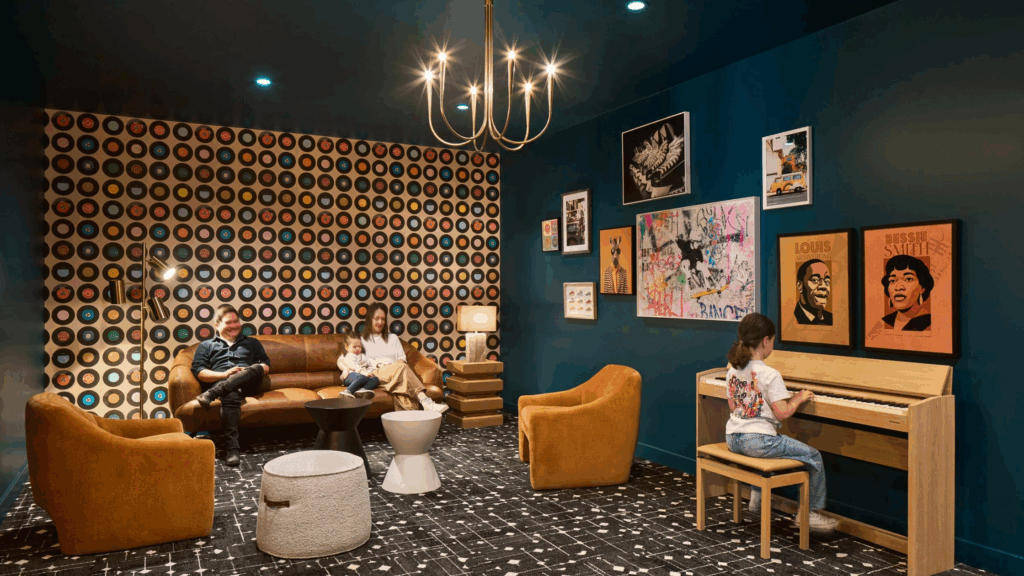
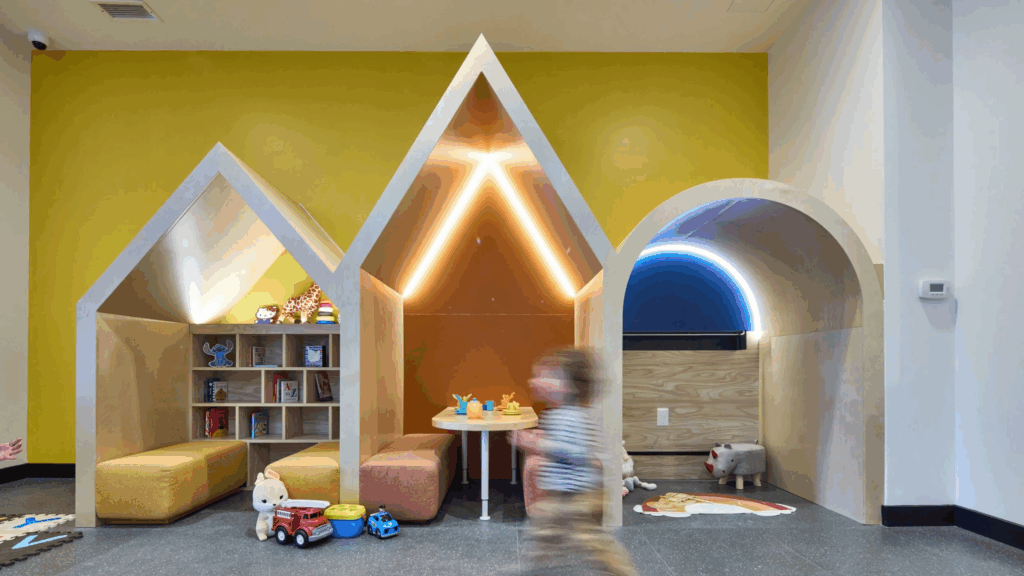
We need to rethink the way we design units, perhaps moving toward two-story units where grandparents can have their own floor. We also need better soundproofing and purpose-built amenities. In our Reina project, we included soundproof rooms where kids can play loud games or instruments without disturbing the household. Architects and developers need to pay attention to these details of lived experience.
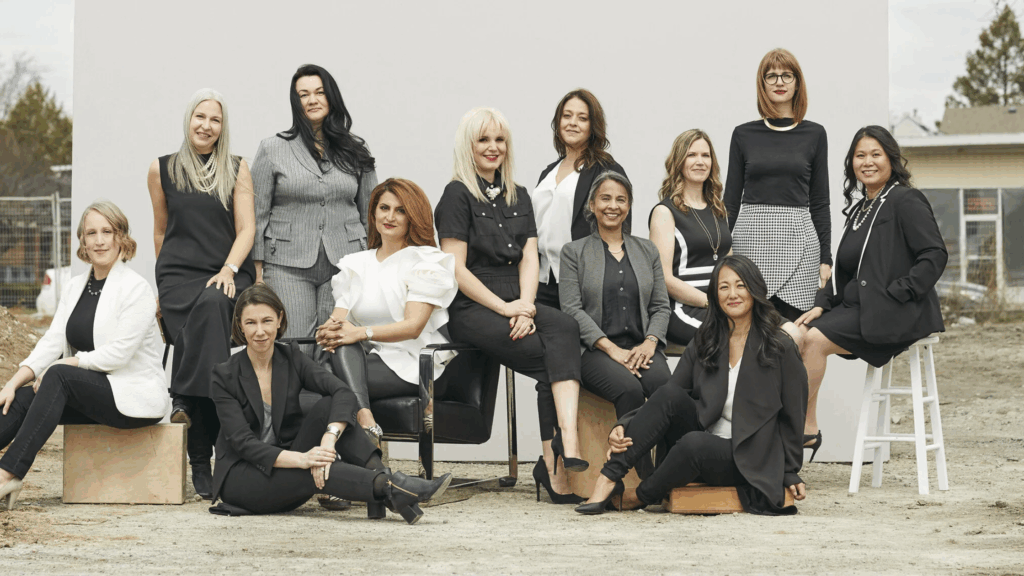
UTHH: When you assembled the all-women-led team for Reina, was there a specific design blind spot you identified that a traditional male-led team might have overlooked?
SL: It wasn’t just one thing, but sitting around that table, we found many details that mattered. We discussed the size of laundry areas, the placement of closets, and safety features like lighting.
We also reimagined the amenities. Don’t get me wrong, we do have a party room in the project, but we also prioritized features like a gym area overlooking the kids’ play area, so parents can exercise while watching their children. We even created a vending machine area so kids can feel like they are going out without the potential dangers of being outside the building. Bringing all these perspectives together was something we were very proud of.
UTHH: You’ve championed the idea of women supporting each other from the C-suite down to the boots on the ground. What is one practical thing a developer can do to ensure women on the crew feel supported?
SL: It’s a matter of empowering the people around you. As a boss, you have to make sure they are seen and heard. You have to notice the energy they put into their work so they can move up the ladder.
Unfortunately, I sometimes see people who feel they have to fight for their spot because they had it hard coming up. But we need to be the facilitators of organic inclusion. It shouldn’t be about hitting a number or a KPI for an award; it should be about quality of work and spreading those positions evenly from the C-suite all the way down.
UTHH: I recently discussed the limited-resource myth with another interviewee: the idea that women often view upward mobility as a finite resource, leading to competition and blocking each other. How have you fostered a culture at Spotlight where women see each other as a ladder rather than a hurdle?
SL: I think they see me. I create the culture by being exactly who I am in the position I’m in. When people look from the outside, they often just see a fancy, shiny object or an award. But the people who actually work with me understand it is about the everyday struggles and the fires we have to put out. To move up, you need someone who sees and appreciates what it actually takes to get there. The culture is created by me being real about those struggles on an everyday basis.
UTHH: Do you think it’s more effective for women in the AEC industry to lean in to existing systems, or is it time to start rebuilding those structures from scratch to be inclusive by design?
SL: I think the moment you force anything or try to scratch it and rebuild from the base up, you’re giving yourself a lot more trouble. You can’t just force a change in the narrative; you have to create it slowly.
I find diversity and inclusion awards very bittersweet. To be honest, I find them a bit sad. We shouldn’t be awarding people just for doing the right thing or for hitting a number, like “we’ve hired 30% women.” We need to look at where those women are hired. Are they spread evenly across all positions, from the C-suite down? We need to move away from KPIs that are just about numbers and start awarding people for breaking barriers and coming up with new ideas, regardless of gender. We need to be the facilitators of an organic concept where inclusion becomes natural, and we no longer have to fight for it.
UTHH: There’s a common misconception that inclusive or multi-generational housing is less profitable. How do you prove to investors that these are resilient long-term assets?
SL: That’s a difficult question because 99.9% of investors only look at the numbers at the end, not the social impact. My job is to make sure my numbers line up with the rest of the industry while I fight for these impacts. I access government incentives and funding to ensure the project remains viable. At the end of the day, the numbers have to speak for themselves before you can get an investor’s attention.
UTHH: You’ve navigated your fair share of industry hurdles over the last few years. What is the biggest lesson you have learned about the way our community reacts to hardship and failure?
Sherry Larjani: Our industry has a habit of celebrating other people’s failures. We need to stop creating conversations around misery and gossip. If you hear about someone struggling or a project failing, make a phone call to offer a helping hand, not out of curiosity. Curious calls don’t help, but helping hands do. We need to rethink the way we deal with news as a community and start celebrating when people succeed in getting themselves out of tough situations.
For more info on Sherry Larjani and Spotlight Development:
- Explore the latest projects at Spotlight Development Inc.
- Learn more about the design philosophy of Reina, Toronto’s first all-women-led development here.
- Follow Sherry Larjani for the latest insights on urban affordability and community-focused design.
Want more insights from the leaders shaping city skylines? Subscribe to our newsletter for the latest AEC interviews and construction news.