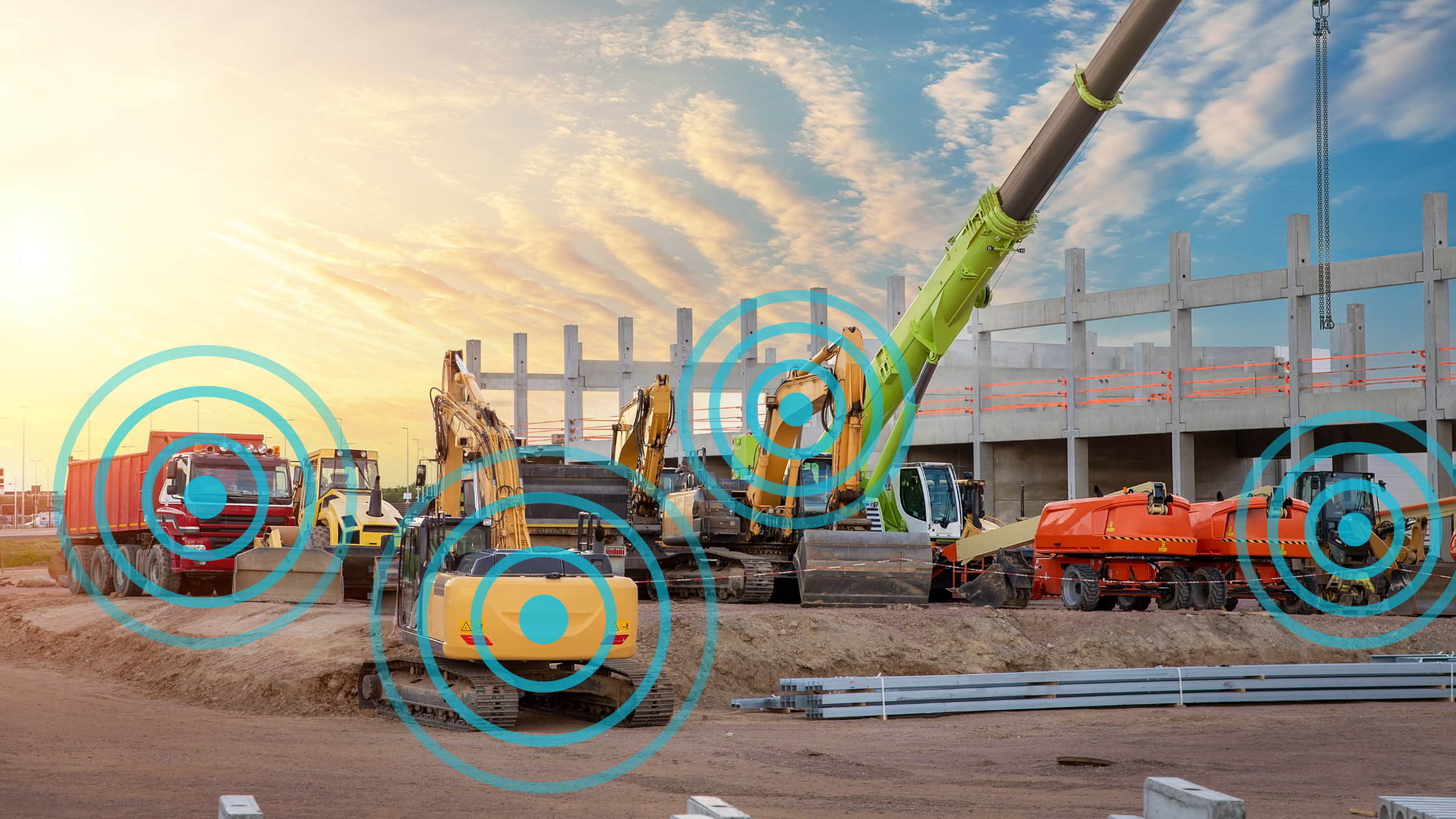
From tracking equipment location to monitoring fuel use, telematics have become a big part of how modern jobsites operate. In construction, it connects machines, vehicles, and data, giving contractors real-time visibility into what’s happening on site. It turns everyday equipment into a source of actionable insight. In this article, we’ll break down what telematics is, how it works, and how contractors use it to improve efficiency, reduce costs, and make better on-site decisions.
What is telematics?
Telematics is a system that collects and sends information from machines or vehicles to a central platform. At its core, it’s a combination of hardware and software that collects data from a machine and sends it to a central dashboard for monitoring and analysis.
It combines a few key components:
- GPS tracking
- Sensors inside the equipment
- Wireless communication (cellular or satellite)
Put together, these systems allow machines to continuously generate and share valuable data. In most cases, this involves a small device installed on a machine that records machine data and reports it back to a telematics platform in real time.
Fleet telematics expands on this and applies it across multiple machines or vehicles. Instead of tracking one asset, you’re managing an entire fleet from a single, centralized dashboard.
How telematics works
Telematics systems follow a fairly simple process, even though the underlying technology is complex.
A small device is fitted to a machine or vehicle and connects to its internal systems and sensors. As the equipment operates, the device begins collecting data, such as the number of hours the engine has been running, fuel consumption, and its exact location. That data is then transmitted to a cloud-based platform via cellular or satellite networks.
From there, the data is organized into reports, dashboards, and alerts that can be reviewed on a laptop or phone from anywhere.
On a jobsite, this means supervisors don’t have to rely on guesswork—they have real visibility. They can see which machines are running, where they’re located, and how they’re being used. It also supports better communication between field and office teams, allowing teams to track progress in real time without waiting for manual updates.
What does telematics track on a jobsite?
Telematics covers more than location tracking. On a construction site, it gives a full picture of how equipment and vehicles are being used.
Machinery
Heavy equipment is one of the largest areas of telematics use.
Systems can track:
- Engine hours
- Idle time
- Fuel consumption
- Load cycles
- Fault codes and maintenance alerts
This helps contractors understand how machines are performing. If a machine is idling too much, that shows up quickly. If it needs maintenance, the system can flag it before it becomes a bigger issue.
Vehicles and fleet movement
Telematics is widely used in trucks and service vehicles.
It can track:
- Routes and travel time
- Speed and driving behavior
- Fuel usage
- Stops and downtime
For companies managing multiple job sites, this helps coordinate deliveries and reduce wasted travel time.
Equipment location and theft prevention
One of the simplest but most valuable uses is tracking location. Construction equipment is often moved between sites or stored in open areas. Telematics allows contractors to see exactly where each piece of equipment is at any time. If something is moved unexpectedly, alerts can be triggered, adding a layer of protection against theft.
Operator behavior and usage patterns
Telematics can also show how machines are being used.
It can highlight:
- Harsh operation or excessive speed
- Overuse or underuse of equipment
- Inefficient work patterns
This kind of data helps identify training opportunities to improve equipment use. Over time, better operation can reduce fuel consumption, limit wear and tear on machines, and lower the risk of breakdowns or safety incidents. It also gives managers a clearer picture of where workflows may be slowing down, so they can make adjustments that keep projects running more smoothly.
Jobsite productivity data
Some systems go even further by tracking production metrics.
This can include:
- Cycle times
- Material moved
- Equipment utilization rates
Instead of relying on rough estimates, contractors can see how work is actually progressing. This is important because even small inefficiencies across a project can add up quickly, affecting timelines, labor costs, and overall profitability.
Why telematics matters for contractors
Telematics isn’t about adding more technology—it’s about solving real problems that affect cost, time, and performance. Fuel is one of the biggest operating expenses on a jobsite. According to the U.S. Department of Energy, heavy-duty vehicles can consume about 0.8 gallons of fuel per hour while idling, which adds up quickly across a fleet.
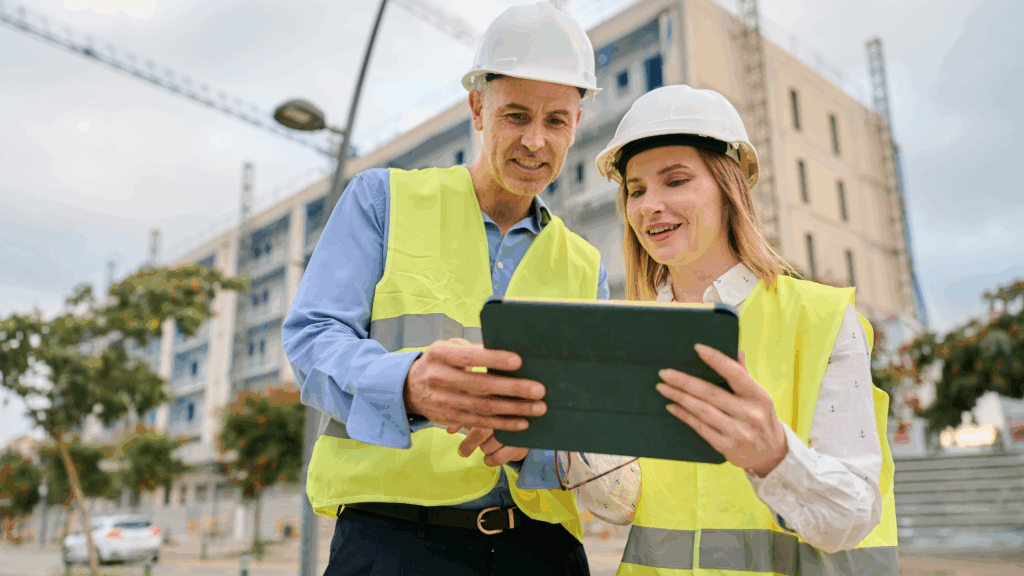
Telematics also helps reduce waste by giving contractors a clear picture of how long their machines sit idling. Instead of guessing how their equipment is being used, they can base their decisions on actual figures.
Maintenance is another area where telematics comes in handy. Unplanned equipment downtime is expensive. Telematics can identify potential issues early, allowing teams to schedule maintenance before problems arise. For contractors juggling multiple projects at once, being able to see where all their equipment is and how it’s being used is a lifesaver. It helps them avoid unnecessary rentals and plan more effectively for the jobs ahead.
Telematics use cases
Telematics shows up in day-to-day operations more than most people realize. Common use cases include:
- Equipment tracking across sites: Instead of guessing where a machine is, managers can locate it instantly. This helps avoid renting equipment that’s already available elsewhere in the company.
- Reducing unnecessary spending: If data shows that certain machines are rarely used, companies can adjust their fleet size. That reduces ownership costs and maintenance expenses.
- Improving scheduling: By analyzing usage patterns, managers can better plan equipment needs and avoid conflicts between crews.
- Increases accountability: When equipment usage is tracked, it becomes easier to understand workflows and identify areas of improvement.
Telematics vs GPS tracking
Telematics and GPS tracking are often used interchangeably, but they serve different purposes. GPS tracking focuses on location—it tells you where a vehicle or piece of equipment is. Telematics builds on that. It includes GPS but also captures data on performance, usage, and machine health, offering a more complete picture of what’s happening on site.
Here’s a simple way to think about it:
- GPS tracking = location only
- Telematics = location + machine data + performance insights
If you only need to know where something is, a GPS might be enough. If you want to understand how it’s being used and where changes can be made, telematics is the better option.
Best telematics companies for construction
Several companies offer telematics solutions for construction. Each one has a slightly different focus.
Samsara
Best for: Real-time fleet visibility
Samsara provides GPS tracking, AI-powered dash cams, and equipment monitoring on a single platform. It’s widely used to manage vehicles, trailers, and heavy equipment across multiple sites, with a strong focus on real-time visibility and safety.
Tenna
Best for: Construction-specific asset tracking
Tenna focuses specifically on construction fleets. It tracks heavy equipment, vehicles, and small tools, giving contractors a full view of assets across job sites, from excavators to handheld equipment.
Geotab
Best for: Data and analytics
Geotab offers GPS tracking, telematics, and advanced data analytics with strong integration capabilities. It’s well-suited for companies that want detailed insights into fleet performance, compliance, and driver behavior.
Trimble
Best for: Integrated construction workflows
Trimble connects telematics with machine control, positioning systems, and project data. It’s especially useful for contractors using digital construction workflows, where equipment data is directly integrated with design, layout, and project management systems.
Caterpillar VisionLink
Best for: OEM-integrated telematics
Caterpillar’s VisionLink system is built into Cat equipment and provides machine-specific data, including utilization, fuel use, and maintenance insights. It’s designed to give owners direct visibility into equipment performance from the manufacturer.
Verizon Connect
Best for: Large fleet management
Verizon Connect offers GPS tracking, fleet management, route optimization, and driver monitoring tools. It’s commonly used by companies managing large vehicle fleets that need visibility, scheduling, and operational control.
Turning data into better decisions on-site
Telematics gives contractors a clearer view of what’s happening on their jobsites. It turns machines into data sources and replaces guesswork with measurable information. For companies trying to control costs, improve productivity, and manage multiple projects, that visibility makes a huge difference.
If you want more insights on construction technology and how tools like telematics are changing the industry, subscribe to the Under the Hard Hat newsletter and stay up to date on what’s happening across the field.
FAQ
What is telematics used for?
Telematics is used to track location, monitor equipment performance, and collect data from vehicles or machines. In construction, it helps manage fleets, reduce costs, and improve jobsite visibility.
What is a telematics system in simple terms?
A telematics system is a device and software platform that collects data from a machine or vehicle and sends it to a central dashboard. It shows details such as location, usage, and performance.
What is fleet telematics?
Fleet telematics refers to the use of telematics across multiple vehicles or machines. It allows companies to manage an entire fleet from a centralized system.
Is telematics the same as GPS?
No. GPS is part of telematics, but telematics includes more than location. It also tracks performance data, fuel use, and machine activity.