Faster approvals, larger builds, and a shift in how infrastructure gets delivered
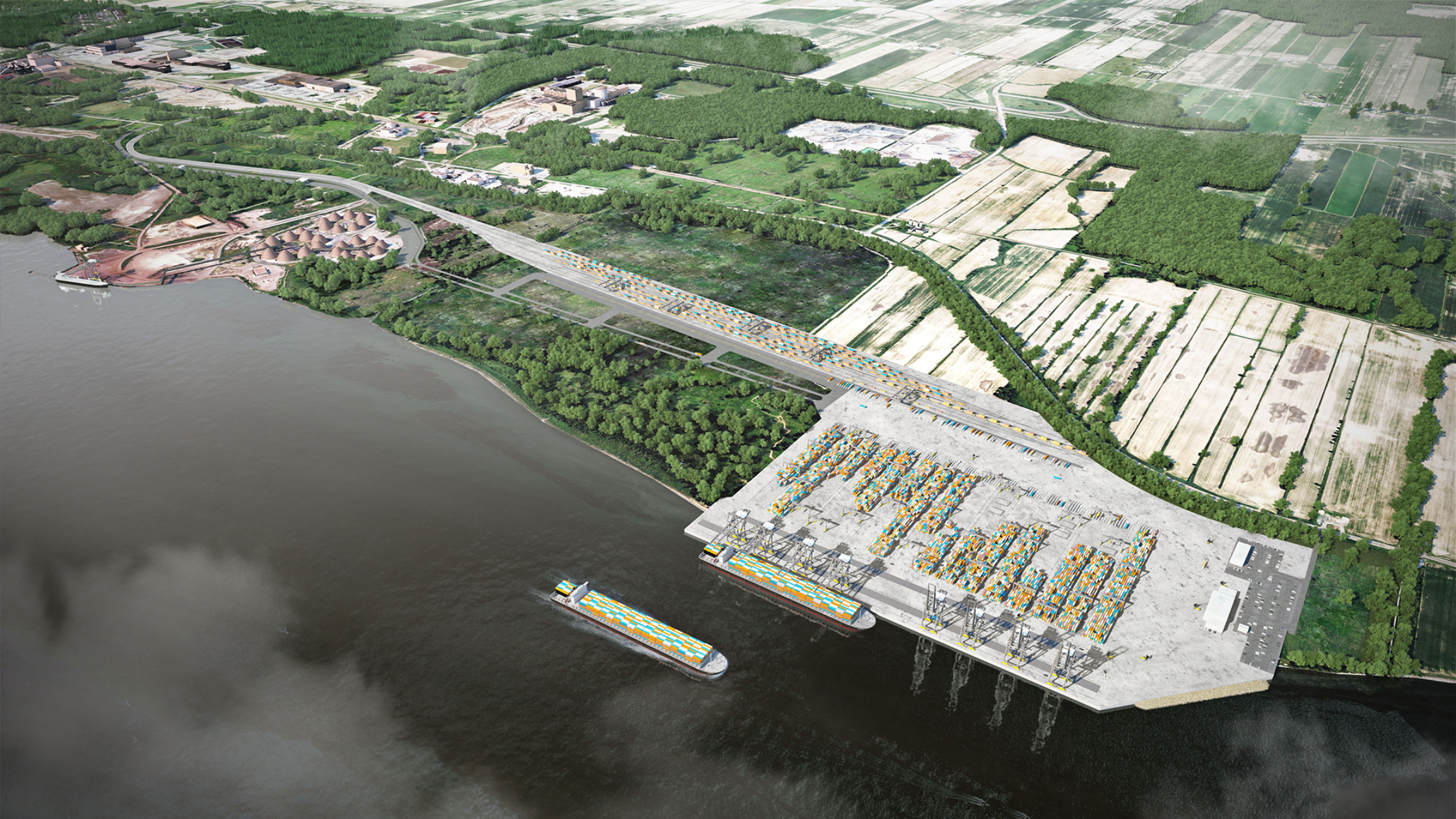
Construction has begun on a port expansion near Montreal, Canada, hailed as an ambitious ‘nation-building’ project that received fast-track approval from the federal government. The Contrecœur Container Terminal Project in Contrecœur, Que., is set to expand Port of Montreal’s capacity by nearly 60%, making it the largest eastern port expansion in the country. This isn’t just a major port expansion—it signals a shift towards faster approvals, large-scale coordinated builds, and a more aggressive approach to delivering infrastructure in Canada.
“The Contrecœur Container Terminal Project is about more than the expansion of a port – it is a signal that Canada is building again,” said Prime Minister Mark Carney. “With each shovel in the ground, we are building a stronger, more independent, more resilient Canadian economy. In less than seven months, this project went from a proposal to a construction site. That is the speed and ambition we need to build Canada strong.”
A faster path to construction
The scale of the project is significant. The expansion aims to create a high-efficiency container terminal that includes rail, road, and marine infrastructure. This will facilitate the movement of more goods through the St. Lawrence gateway and enable the growth of one of Canada’s most significant trade corridors.
The project will create 4,000 high-paying jobs per year during construction and will generate thousands of additional opportunities once the port is operational. Contractors can expect demand across marine construction, civil works, and supporting sectors such as logistics, rail, and intermodal infrastructure.
Bigger projects, tighter timelines
At the same time, accelerated timelines and streamlined approvals leave less room for error. Contractors will need to mobilize faster, coordinate earlier, and stay tightly aligned with stakeholders. This increases the need for joint ventures, scaled workforce planning, and tighter coordination across teams. Bigger scopes and quicker start times will also require more specialized subcontractors to join the project.
What this changes for contractors
This kind of project changes how contractors need to operate. More work will come in larger, bundled scopes rather than standalone projects, which will be tied to shorter timelines and blur the lines between planning and execution. The result is more pressure to coordinate early across trades, logistics, and infrastructure, while also increasing the need for joint ventures and partnerships to meet the scale and risk requirements. Contractors who prepare themselves for speed, coordination, and scale will be in a much stronger position to win bids.
A shift in how projects are delivered
The “nation-building” angle reflects a real shift in how projects are being approved and delivered. Faster federal alignment means accelerated timelines, fewer delays, and embracing more progressive delivery models. For contractors, this means a more consistent flow of large-scale projects—but with tighter expectations around speed, coordination, and delivery.
What comes next
The Contrecœur Container Terminal Project is not just a one-off—it offers a clear blueprint for how large infrastructure projects are likely to move forward in Canada. Faster approvals, bigger scope, and more coordination will become the norm. Contractors who can scale quickly and adapt to fast-paced, complex environments will have a major advantage.
Stay connected with the latest stories on construction and infrastructure projects by subscribing to our weekly newsletter.