
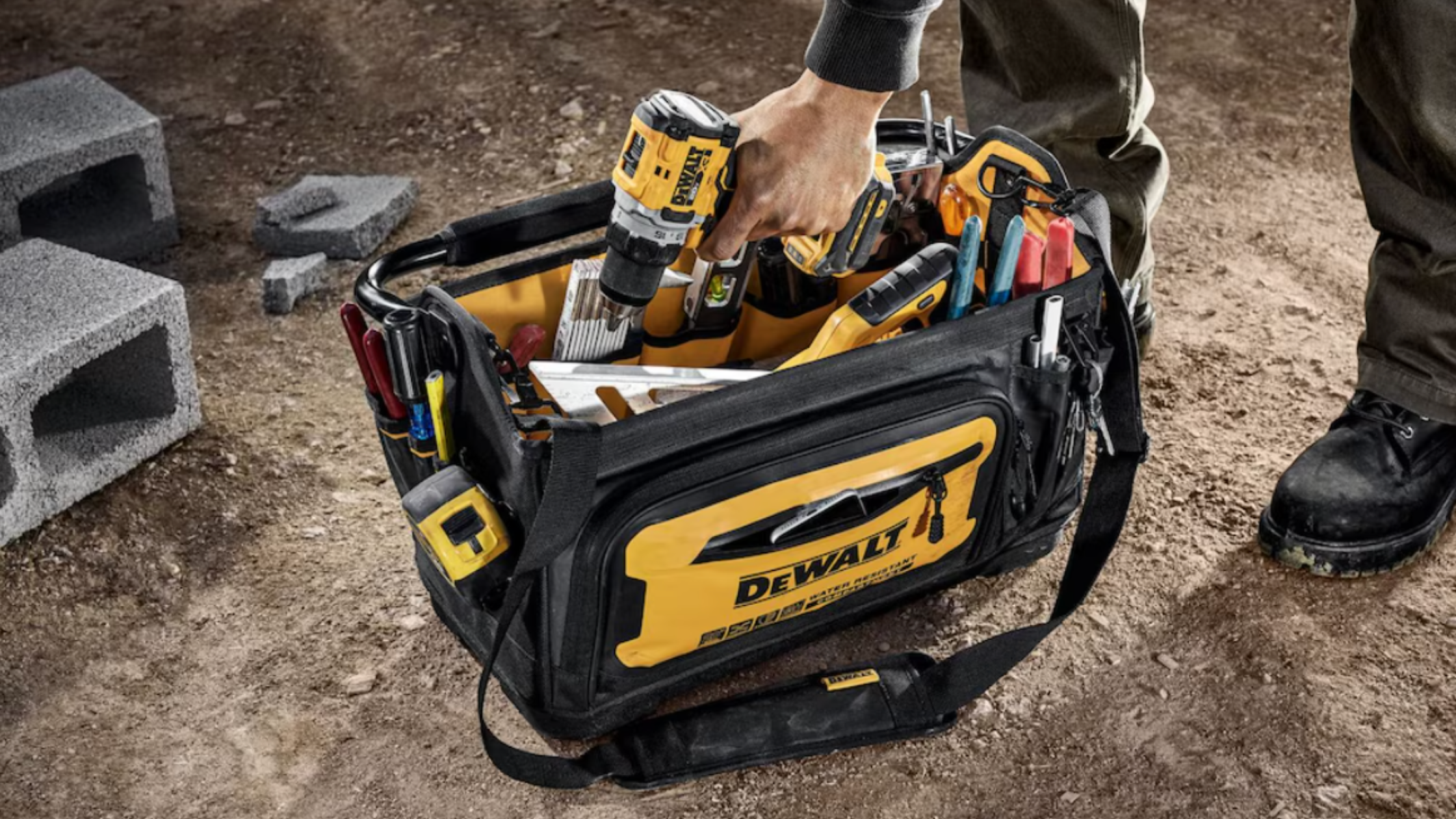
Every trade has a core set of tools that show up again and again on the job. Some tools get used once in a while, but others are in your hand almost every day. If you’re building your electrical kit or thinking about getting into the trade, it can be hard to tell what actually matters. There’s no shortage of tool lists out there, and most of them include far more than you need to get started. This article keeps things simple. It focuses on must-have tools for electricians—the ones that show up in real work, solve common problems, and earn their place in your bag.
As an Amazon Associate, we earn from qualifying purchases. Some of the links below are affiliate links, meaning that at no extra cost to you, if you click through and make a purchase, we may earn a commission.
What makes a tool a “must-have” in this trade?
A must-have tool isn’t about having the biggest or most expensive kit. It’s about what you actually use. If a tool gets used daily, helps you work faster, or prevents mistakes, it earns its spot. The same goes for tools that improve safety or make it easier to do clean, accurate work.
Durability matters too. Electrical work isn’t easy on tools. If something breaks after a few weeks, it’s not worth carrying. Another thing to keep in mind is versatility. The best tools work across different types of jobs—rough-in, service work, troubleshooting, or finishing.
And remember: must-have doesn’t mean everything. You don’t need every tool on day one. The goal is to build a solid foundation and then add to it as your work changes. For apprentices, specifically, this often means spending more on the tools you’ll use daily and waiting to buy specialty gear until you actually need it.
9 must-have tools for electricians
1. Wire strippers
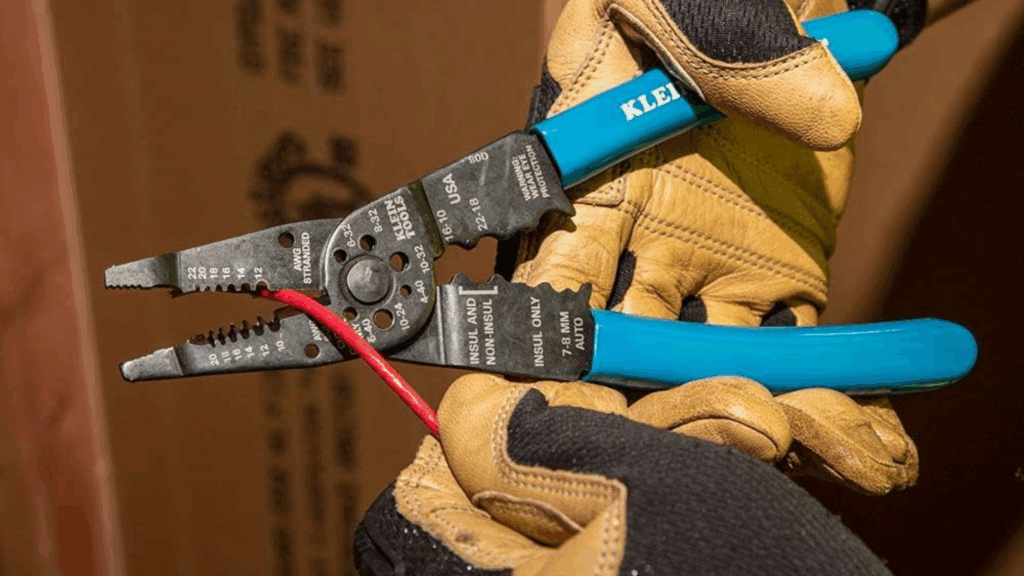
Wire strippers like the Klein Tools 1010 Multi Tool Long Nose Wire Cutter are one of those tools you end up reaching for constantly. Any time you’re terminating a connection, installing outlets, or working inside a panel, you’re stripping insulation. Doing that cleanly matters. If you nick the conductor, you weaken the wire. If you leave too much insulation, the connection won’t seal properly.
There are a few different types of wire strippers, and each one fits a slightly different kind of work:
- Manual (gauged) strippers are the most common. They have fixed holes for specific wire sizes, giving you the most control. These are what most electricians rely on day to day.
- Automatic (self-adjusting) strippers clamp down and strip in one motion. They’re faster when you’re doing repetitive work, especially with consistent wire sizes.
- Adjustable strippers let you fine-tune how deep the cut goes, which helps when you’re working with more delicate or specialty wiring.
Starting out, you don’t need all three. A solid pair of manual strippers will handle most of the work you’ll come across early on. As you get into more repetitive tasks or different types of wiring, adding an automatic or adjustable set can save time and reduce hand fatigue.
They’re a must-have because they are tied to the work you do every day as an electrician. Without them, even simple tasks become a whole lot harder and less reliable.
2. Linesman pliers
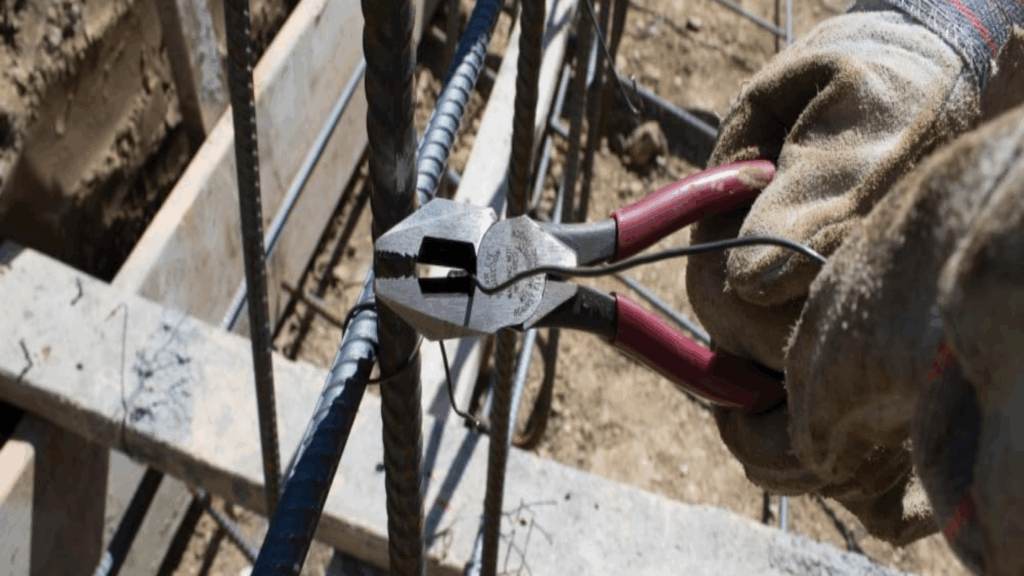
Linesman pliers are the workhorses of the electrical world—you can use them to grip, twist, and cut wire with ease. They’re built tough so they can cut through pretty much any type of wire. On most jobs, they’re always by your side, whether you’re twisting conductors together, cutting wire cleanly, or just pulling wire through tight spots.
What sets tools like the Klein Tools HD2000-9NE Side Cutter Lineman Pliers apart is that they do all these jobs in one tool; that level of convenience makes a difference when you’re working under a tight deadline. A pair with cutting edges is worth the additional cost because they get used so often.
3. Multimeter
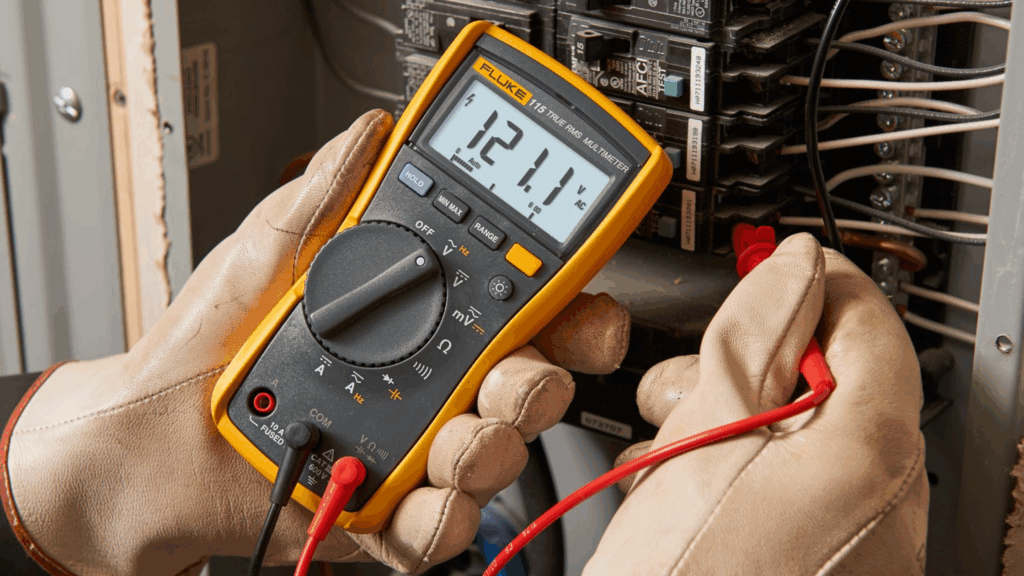
A multimeter is what you turn to when something isn’t working as it should—it lets you test voltage, current, and resistance with ease. Options like the Fluke 115 Multimeter are a must-have for troubleshooting because it gives you the answers you need to figure out what’s going on. With this tool at your disposal, you can get a good idea of whether there’s live voltage, a current problem, or just a bad connection somewhere.
One thing that matters more than most people realize is the safety rating, often labeled as CAT (Category) ratings. These indicate the environments the meter is designed for. For example, CAT II is suited for household appliances and smaller circuits, while CAT III and CAT IV are built for panel work, distribution systems, and higher-energy environments. Using the right rating isn’t optional—it’s about protecting yourself when working on energized systems.
4. Voltage tester (non-contact)
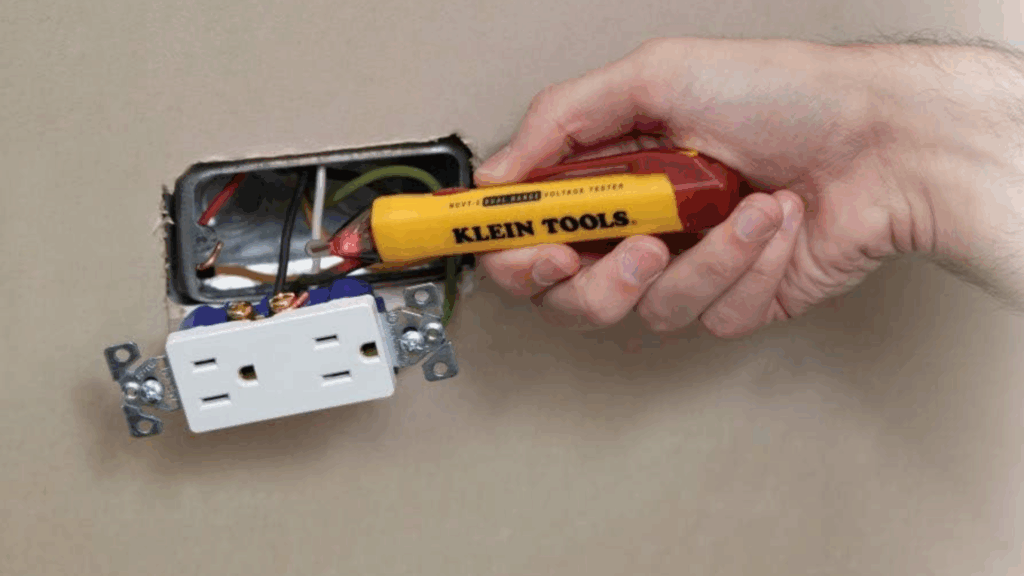
A non-contact voltage tester is one tool that some might overlook until they really need it. A tool like the Klein Tools NCVT1P Voltage Tester lets you check whether a wire or device is live without actually touching it. That added layer of safety is a big deal, especially when working in areas where you’re not entirely sure what’s going on with the wiring. It’s also small and easy to use, so you can just keep it with you for emergencies. And that’s the beauty of it—it prevents mistakes from happening in the first place
5. Screwdrivers (insulated set)
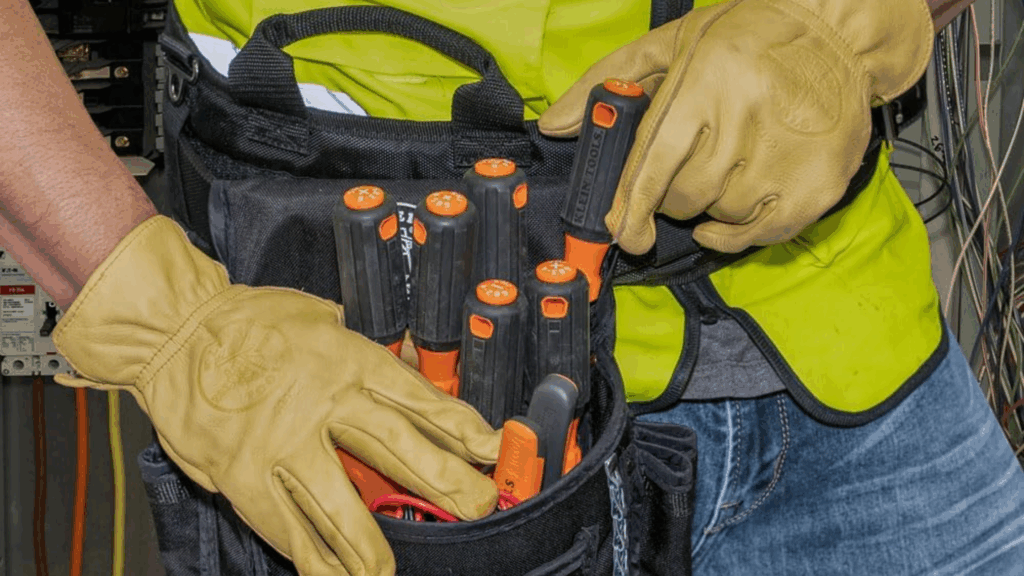
Screwdrivers are probably one of the most used tools in an electrician’s toolbox. You’ll be reaching for them to install outlets, switches, panels, and a host of other jobs. Insulated ones like the Klein Tools 85076INS Insulated Screwdriver Set with proper voltage ratings offer an added level of safety when you’re working around live components, which is an important consideration. And because they’re so simple, it’s easy to see them as something you don’t really need, but the truth is, you really do.
6. Fish tape
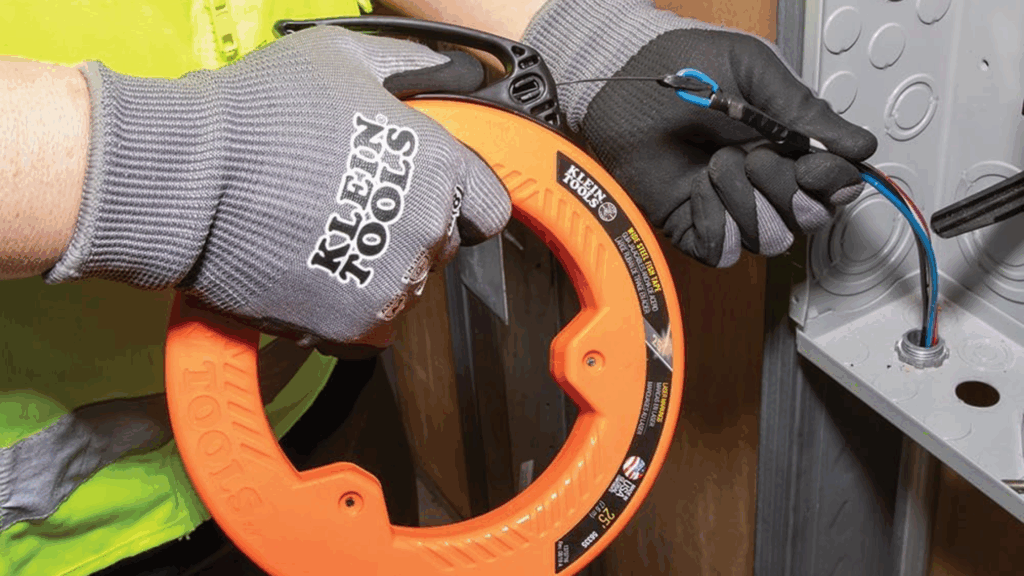
Fish tape might be a tool you don’t think about that much, but when you need to run wire through walls or conduit, it’s a lifesaver. You might not use it on every single job, but it’s used regularly to help pull wire through tight spaces or long conduit runs. Options like the Klein Tools 56335 Flat Steel Electrical Fish Tape are massive time-savers and help prevent you from damaging walls or other parts of a building. That’s what makes it a real winner for both new construction and repair jobs.
7. Tape measure
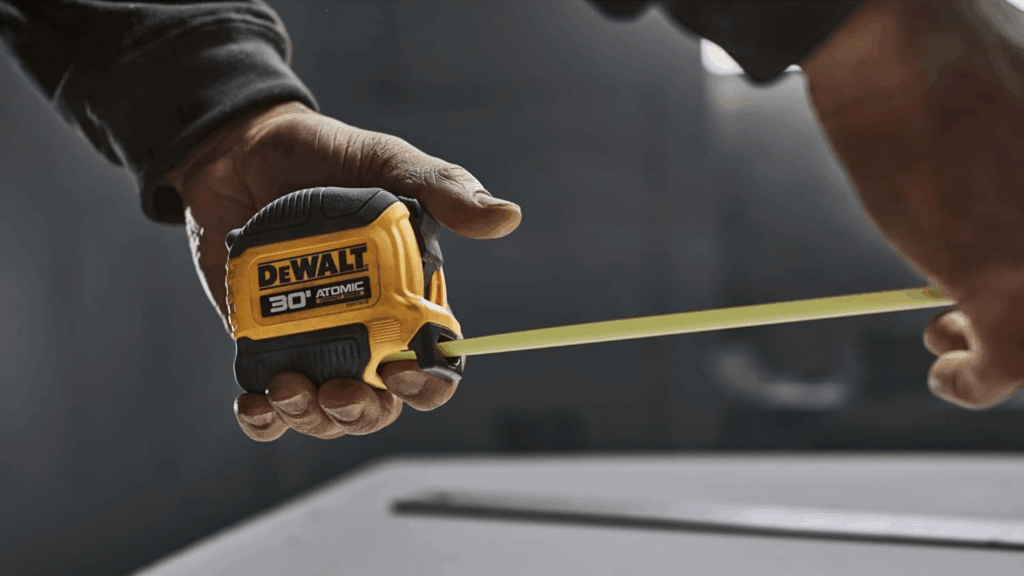
A tape measure is something you probably take for granted; it’s used for laying out boxes, running conduit, setting fixtures, and so many other jobs. But accuracy really does matter—small errors can lead to redoing work, which is problematic in terms of both time and cost. Tape measures like the DEWALT Atomic Compact Series 30 ft. Tape Measure are one of those tools you’ll keep with you all the time. It might not be the flashiest tool on the list, but it’s always there when you need it.
8. Cordless drill/driver
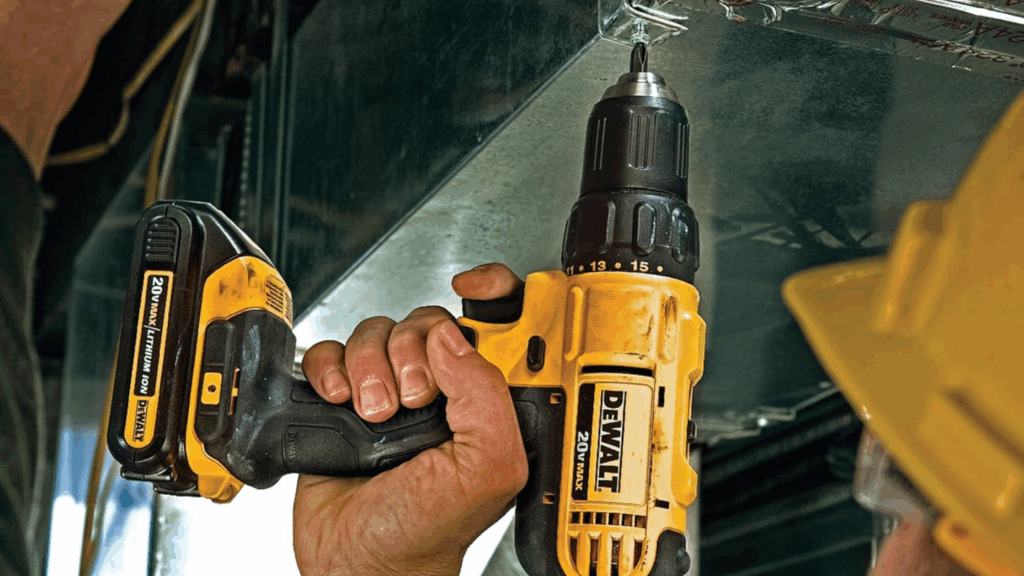
A cordless drill is a speed hack for electricians. It makes quick work of tasks like drilling holes, driving screws, and mounting equipment. It’s one of the main tools that helps to keep a job on track. Without one, even simple tasks can take ages to complete, and that’s not what you want when you’re working to a tight deadline. The DEWALT 20V Max Cordless Drill Driver Set is one of those tools that’s always getting pulled out of the bag.
9. Adjustable wrench
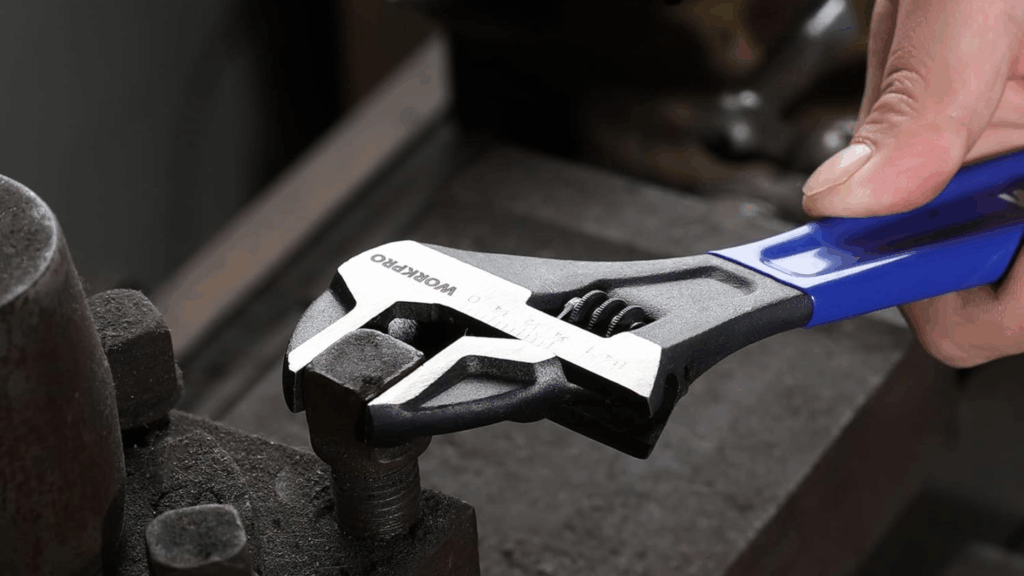
An adjustable wrench is one of those tools that fills the gaps when nothing else quite fits. It’s used for tightening connectors, securing locknuts, adjusting conduit fittings, and handling hardware that isn’t always a standard size. On a jobsite, you don’t always have the exact wrench for every bolt or fitting, but with an adjustable wrench like the CRAFTSMAN 3-Piece Adjustable Wrench Set, you can quickly set it to the size you need and keep moving, rather than stopping to find another tool. It’s especially useful when working with electrical enclosures, rigid conduit, or service equipment where fittings vary.
It’s not meant to replace a full set of wrenches, but it earns its place because of how often it saves time. Instead of carrying multiple sizes, you’ve got one tool that can handle a wide range of tasks.
Which tools should apprentices buy first?
As a new electrical apprentice, it’s easy to feel like you need everything right away. Most apprentices start with hand tools. Power tools are often supplied by the employer, at least initially.
Here’s a simple way to think about it:
Start with:
- Wire strippers
- Linesman pliers
- Screwdrivers
- Tape measure
- Voltage tester
These tools are used daily and cover basic tasks.
Often provided (at least early on):
- Cordless drill/driver
- Specialty testing equipment
- Larger or job-specific tools
Wait until you need them:
- Fish tape (depends on the type of work)
- Higher-end multimeters (start simple, upgrade later)
The goal is to build your kit gradually. Buy tools you’ll actually use, not ones that look impressive. A lot of newcomers to the trade make the mistake of cheaping out on daily-use tools, which ultimately costs more in the long-run. In most cases, it makes more sense to invest more upfront for the basic tools you’ll rely on constantly.
How to build the right toolkit for the work you actually do
Once you have the basics, your tool kit starts to change based on the kind of work you’re doing. Someone in residential construction may focus on rough-in tools and speed, while someone in service work may carry more testing equipment. Industrial electricians often need tools for controls and systems work. That’s why no two kits look the same.
A few things to think about as you build your setup:
- What tasks you do most often
- The type of jobs you’re working on
- How often you need certain tools
- Whether a tool saves time or improves accuracy
You don’t need to rush this part. Your kit will grow as your experience does.
Final thoughts
The must-have tools for electricians aren’t about having the biggest collection. They’re about having the right tools for the work you do every day. A solid set of basics—strippers, pliers, testers, and a few others—will carry you through most tasks. From there, you add tools based on the type of work you take on.
That approach saves money, keeps your setup practical, and helps you focus on what actually matters on the job: safety, accuracy, and efficiency.
If you want more practical guides like this—focused on how work really gets done in the trades—join the Under the Hard Hat newsletter.