
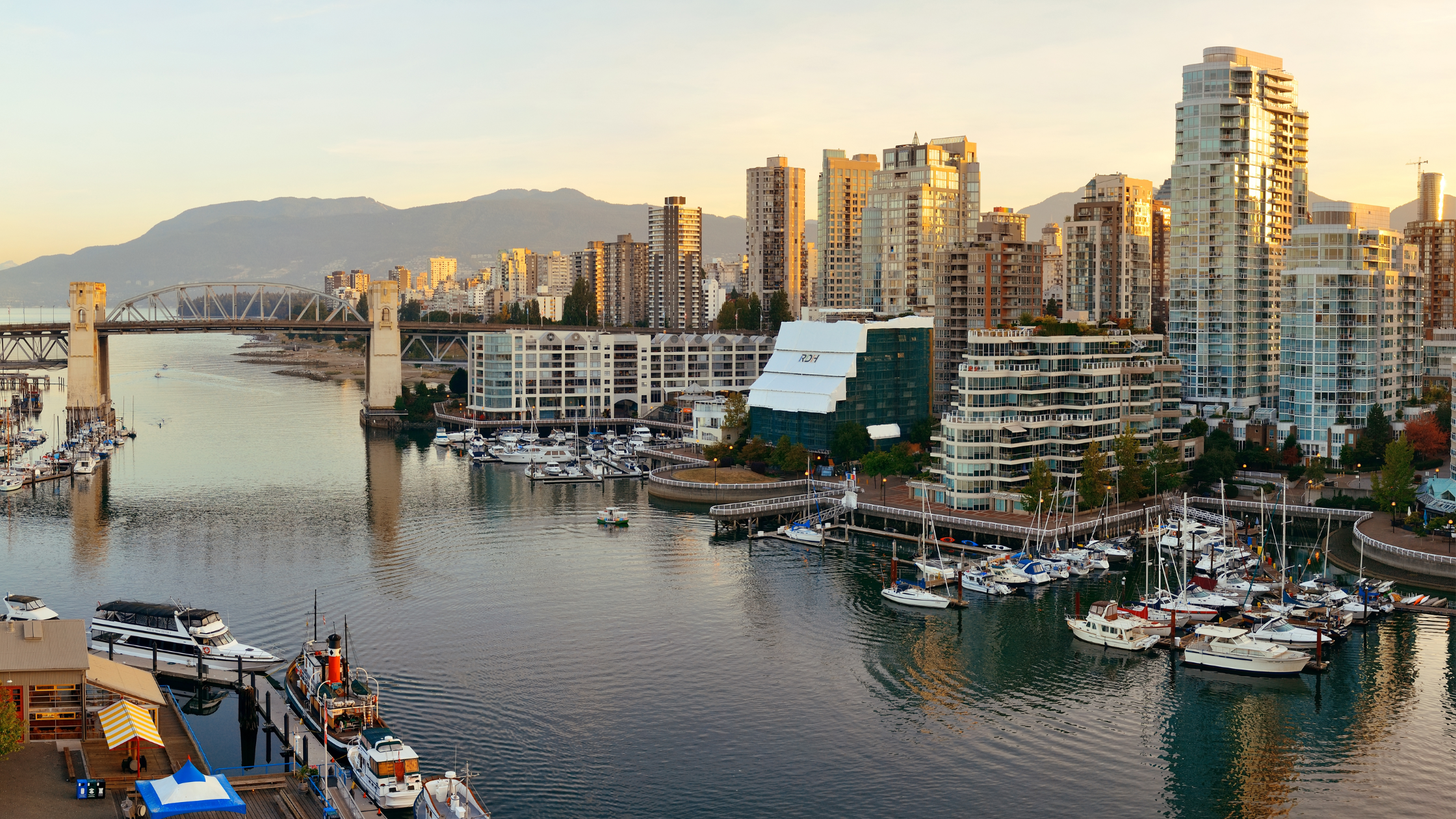
Vancouver says yes to new measures to build 20,000+ new homes. The city council just voted to help out in a big way, which comes at a good time, given all the challenges developers and builders are facing, including rising construction costs, drying-up funding, and lengthy approval processes. All this has left some housing projects on shaky ground, with some being delayed or put on hold altogether. The city council wants to keep these approved housing projects moving forward instead of letting them get stuck in limbo. To give them breathing room, Vancouver is implementing temporary fee cuts, faster approval times, and policy tweaks. Officials know that without help, many of those rental and mixed-use projects might get delayed or axed altogether.
Reducing costs that developers can’t control
One of the most immediate changes is a temporary reprieve from specific development-related fees that have been taken off the table. These costs can add up fast, especially on big rental projects with thin profit margins. Combined with higher interest rates and increasingly expensive labor costs, upfront fees can be the nail in the coffin that sends a project grinding to a halt. By removing those additional costs, the city is cutting a bunch of red tape and helping projects get started on construction rather than getting stuck in neutral.
The measures are aimed at specific pain points that builders have been hammering away at over the past couple of years, including:
- Fees that come out of developers’ pockets long before a project has a chance to start turning a profit
- Delays in getting the thumbs up from city hall—delays that can extend how long it takes to nail down financing
- Policies written with a whole different economy in mind, which just don’t match up with reality anymore
Put together, these changes are all about keeping viable projects moving forward. They don’t eliminate the risks of building in Vancouver, but they do go a long way toward smoothing the ride when the city has some control over the process.
Keeping projects on the move with faster approvals
Streamlining the approval process is a big part of the plan to get projects off the ground. It can really make a difference, especially when we’re talking about projects that are already a good fit with city policy. Even with alignment, these things can drag on for months, waiting for permits or rezoning decisions to come through. Every day that ticks by adds up—more financing, idle land sitting there, and redesign work that no one needs. By pushing these approvals to the front of the line for projects that are ready to go, the city is hoping to shrink the gap between planning and breaking ground.
Policy adjustments will also play a role here. City staff have noted that some projects were approved years ago, back when cost assumptions were way off. By updating the policies, even developments that were approved years ago will get the green light to move ahead, without having to reopen the whole scope of the project. That flexibility is what might make the difference between a project pushing forward and quietly falling off the radar.
What this could mean for the housing supply
If all works out, we should start to see more projects breaking ground sooner. That means more trades on site, and more housing units trickling into the pipeline. Over time, that increased supply should start to put downward pressure on rents and home prices, even if it won’t happen overnight. What happens now shapes the housing market several years from now.
There’s also a broader message being sent to the construction industry, and it could have implications for years to come. By adapting to current cost conditions, the city is signalling that it’s willing to work with developers rather than holding them to outdated assumptions. That kind of responsiveness is what will influence where builders choose to invest and how confident they are about pushing projects forward in Vancouver.
For residents, though, these changes won’t be visible overnight. Building housing still takes time. At the same time, the alternative isn’t great—a growing backlog of approved projects that never get built. What this plan is trying to do is remove the obstacles that the city can control and stop that outcome from happening.
If you want to follow how decisions like this affect construction activity, housing supply, and jobsite demand, subscribe to the Under the Hard Hat newsletter. We cover the policies and pressures shaping how housing is built, with a focus on the implications for workers and communities.