
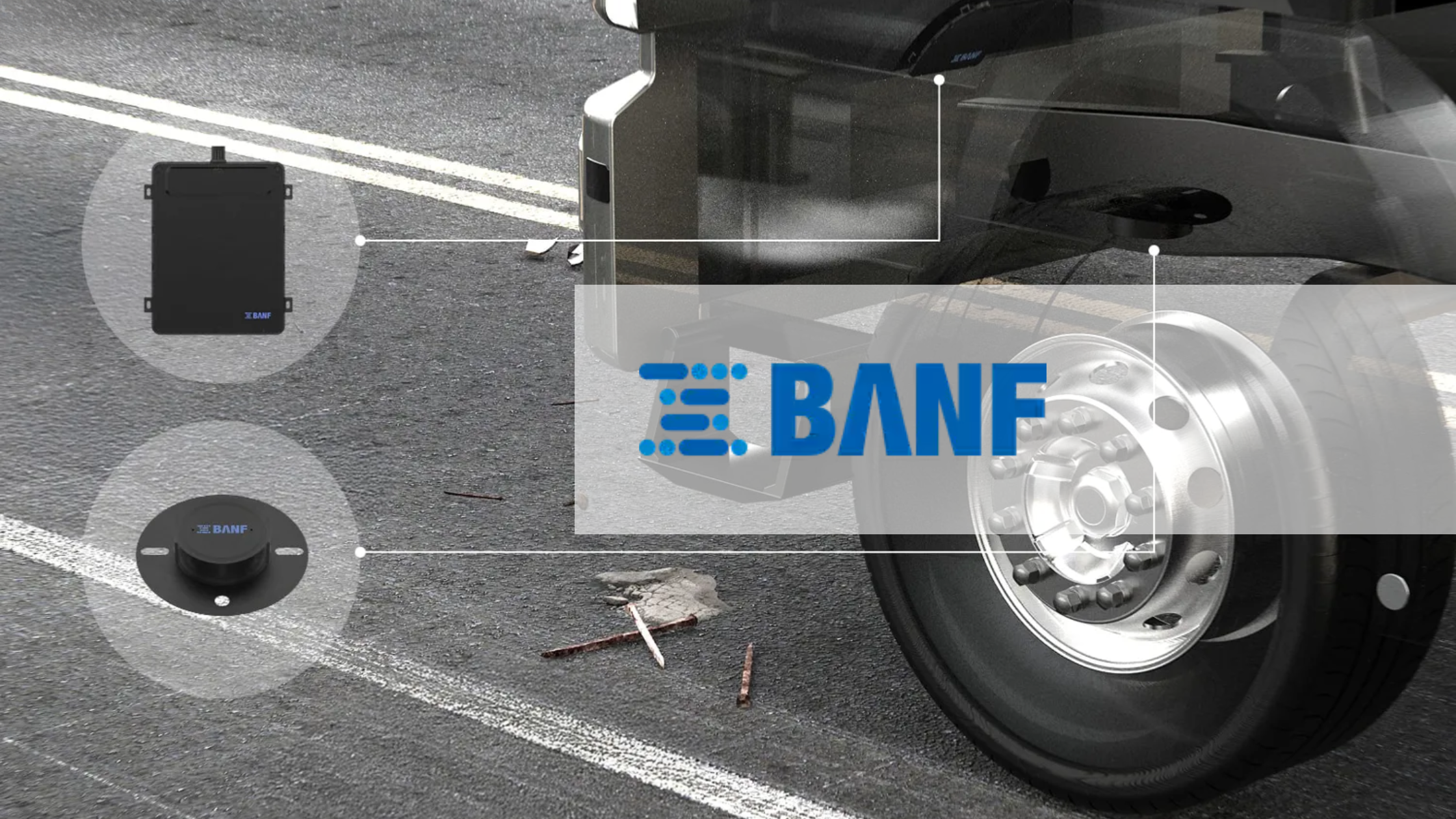
Unexpected tire failures create real risks on the road and costly delays for fleet operators. Awarded a CES 2026 Innovation Award, the BANF TireSafe System is designed to spot early warning signs of tire failure and alert teams before a breakdown or blowout happens.
What it is
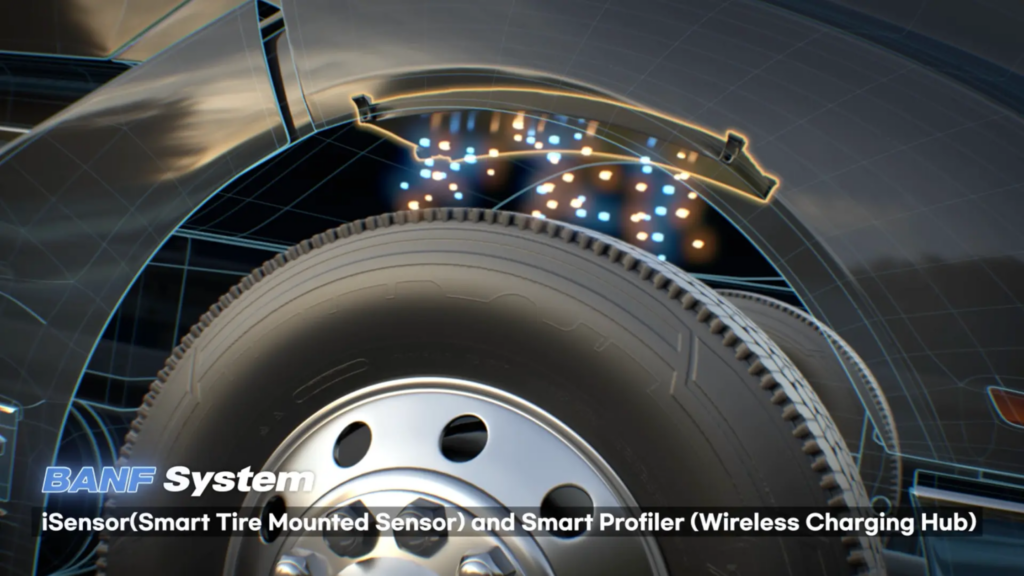
The BANF TireSafe System works quietly in the background, collecting tire data as vehicles operate. That information is used to identify conditions linked to leaks and blowouts.
Pressure alerts usually appear after a problem has already started. This system focuses on earlier indicators, giving fleet teams time to address issues before a tire fails on the road.
Why the BANF TireSafe System stands out
Most tire monitoring systems only react once pressure has already dropped. The BANF TireSafe System takes a different approach by looking for warning signs that tend to show up earlier, often before a driver would notice a problem. Instead of treating a pressure alert as the starting point, the system treats it as something to avoid altogether.
The BANF Tire System watches tire data while vehicles are on the road and compares it with what has shown up in past tire failures. As more vehicles use the system, it pulls from a wider range of routes, loads, and driving conditions. That matters for fleets where no two days or vehicles look the same. This real-world focus is what earned BANF recognition from the CES Innovation Awards program.
Why it matters
Tire failures are still involved in hundreds of deaths every year and thousands of crashes. In many situations, there is no early sign that something is wrong. The issue only becomes obvious once the vehicle is already in trouble.
When a tire fails during a run, plans change quickly. The vehicle is pulled out of service. Routes are missed. Repairs happen wherever the stop occurs. That could be a shoulder, a lot, or a jobsite edge. It is rarely convenient.
BANF’s system is meant to flag risk sooner. The goal is to catch problems while there is still time to schedule work. Instead of reacting to a breakdown, maintenance teams can handle the issue during routine service. According to the company, the tire system has resulted in 70% fewer tire-related accidents and a 20% improvement in fuel efficiency.
That also affects how tires are used over time. Problems addressed earlier tend to cause less damage. Tires stay in rotation longer, and related components are less likely to be affected.
For fleets moving goods, equipment, or crews, this does not eliminate the need for maintenance—it does make it more predictable.
Want more CES technology spotlights like this? Subscribe to our newsletter for weekly updates on the tools shaping the future of tech and industry.