
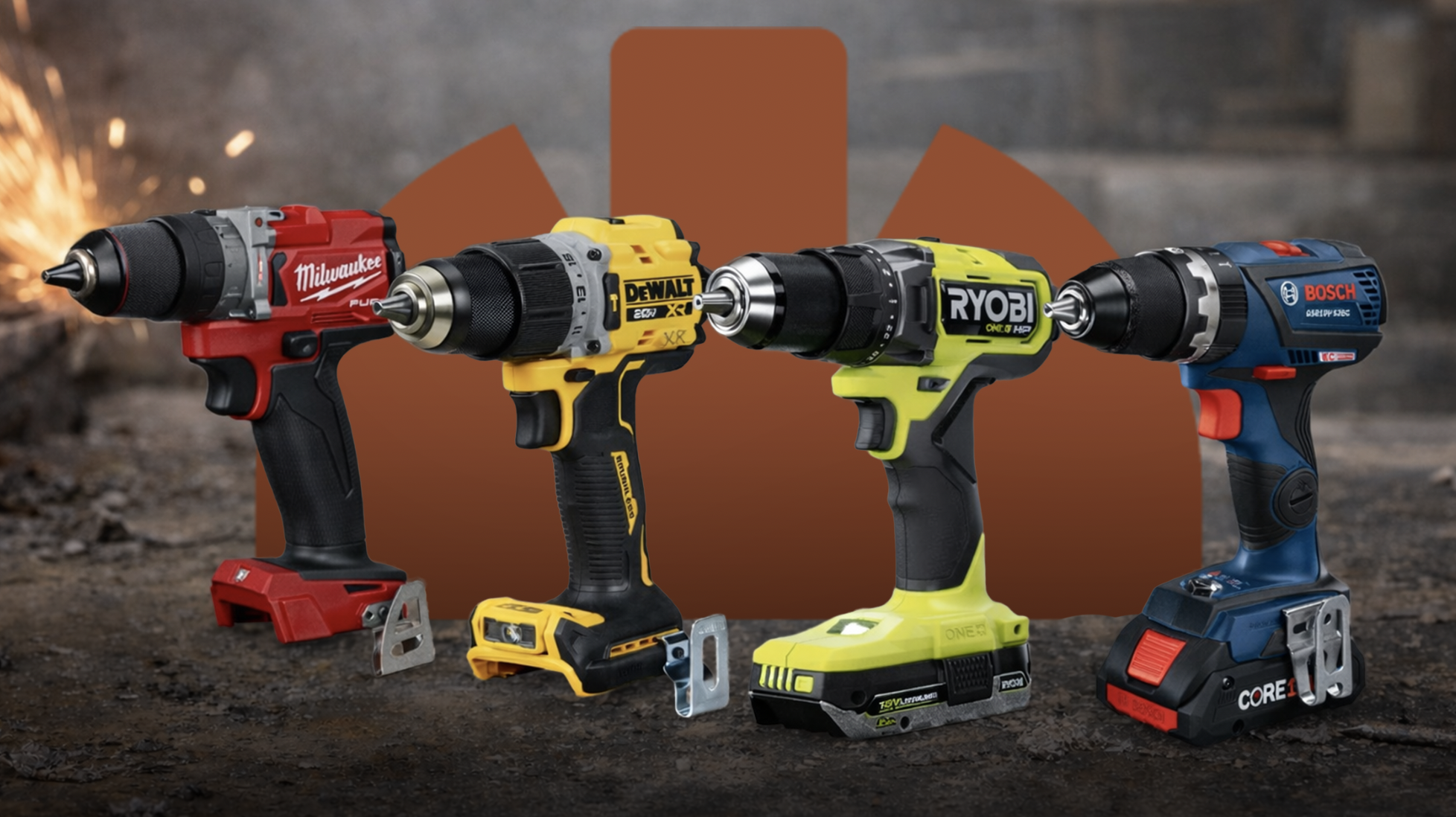
Cordless drills that are about to make their debut in 2026 are the ones we’ve been waiting for—the next generation of drills that are lighter in the hand, easier on the wrist, and deliver more oomph out of a single battery pack. You can still count on DeWalt and Milwaukee to be industry leaders on most job sites. Still, Makita, Bosch, Ridgid, and Ryobi have made some considerable strides in recent years, enough to make them a force to be reckoned with, especially on the work sites of everyday DIYers or pro tradespeople. This article reviews the 10 best cordless drills that deliver when it counts: comfort, battery tech, and performance under pressure, whether you’re a pro on a tight deadline or a DIY project manager.
Top 10 cordless drills heading into 2026
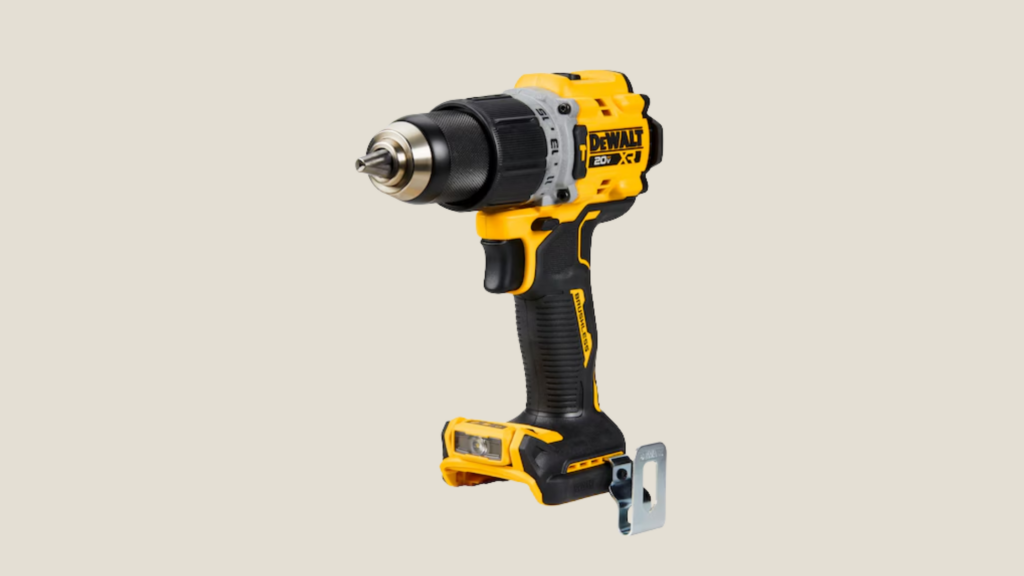
1. DeWalt DCD805 20V Max XR brushless drill driver – best for all-around pro use
| Pros | Cons |
| – Ample power for drilling and driving – Sits compact between studs – Powered by 20V Max battery – Grip is designed for comfort – The balance is spot on | – Bare tool costs more – No side handle included – Louder than some 18V drills |
Key features
- Brushless motor
- 20V Max battery compatibility
- Two-speed gearbox
- LED work light
- Lightweight build
DeWalt DCD805 is built for full-on, all-day use. Drill through studs and sheet goods with ease—it doesn’t jump around, then screech to a stop when you need finesse. The compact head design is a game-changer when you’re wedged in between framing or working in tight spaces. When you’re running a standard 20V Max battery, not the high-capacity pack, you’ll find one of the best balances in a cordless drill. Many DIYers and pros have raved about this one on Reddit, saying it handles day-to-day drilling and driving with zero hassle—even anchors and pilot holes—while staying firmly in control.
It struggles a bit with the really tough stuff—like heavy concrete and oversized hole saws—where it noticeably lacks a side handle. Plus, when pushed hard, it can get pretty loud, especially compared to quieter 18V models. This drill’s perfect for carpenters, builders, and contractors who want a single, reliable cordless drill that gets the job done without needing a backup.
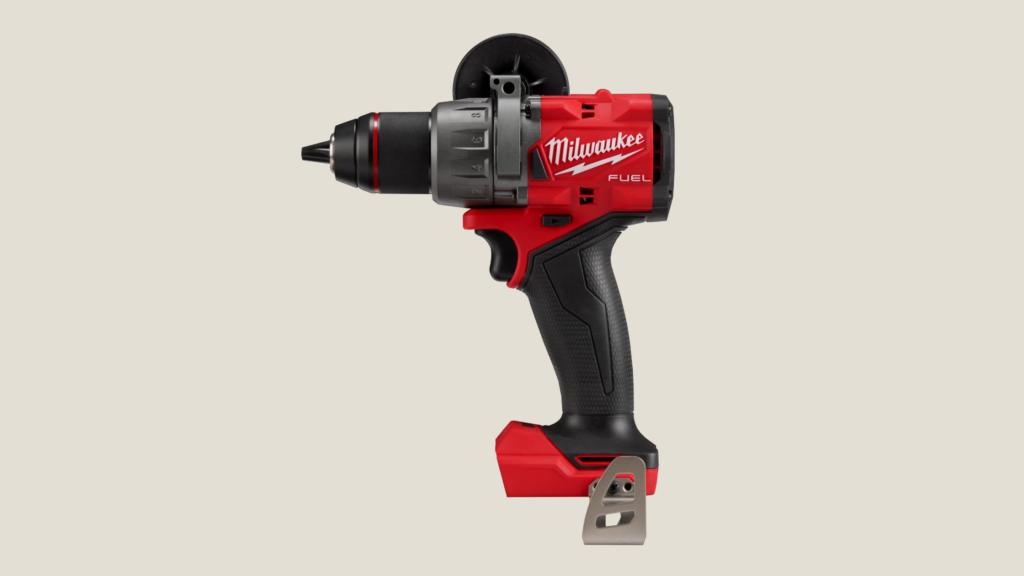
2. Milwaukee M18 Fuel 2904 hammer drill – best cordless drill for power
| Pros | Cons |
| – Extremely high torque – Handles masonry work well – Durable housing – M18 battery system – Strong hammer drill mode | – Heavier than most drills – Overkill for light DIY use – Higher price point |
Key features
- Brushless motor
- Hammer drill function
- M18 battery compatibility
- Side handle included
- Heavy-duty chuck
The Milwaukee M18 Fuel 2904 takes on the really tough jobs that those little compact drills just can’t even attempt. It’s got more than enough power to rip through thick framing lumber, steel, and dense materials without even breaking a sweat. The hammer drill mode is a lifesaver when you need to drill into masonry, and you know you’re going to be working on all sorts of mixed materials out on a jobsite. DIYers on Reddit have been raving about how much more punch this thing has compared to those smaller models, saying it makes short work of thick materials and even comes with a safety feature that kicks in when the drill gets stuck.
The downside: it’s the lightest drill on the planet, especially with the big batteries attached, but it’s a small price to pay for the extra power. This thing is overkill for most DIY users in the real world—it’s a drill that is just perfect for concrete work, heavy framing, and industrial environments where raw power is the top priority and portability can take a back seat.
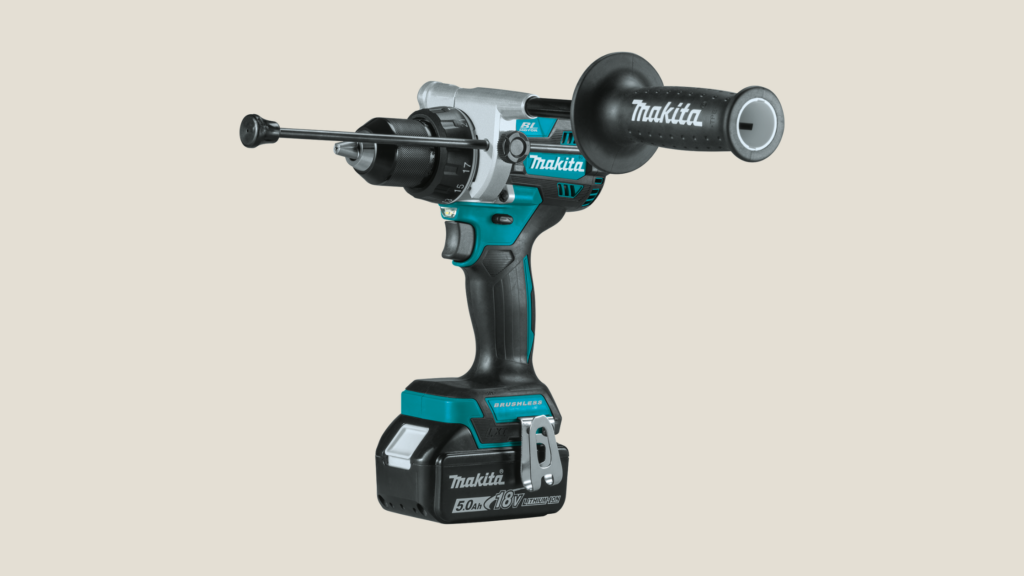
3. Makita XPH14 18V LXT hammer drill – best for smooth control
| Pros | Cons |
| – Excellent trigger control – Strong hammer drill mode – Reliable LXT battery system – Good vibration control | – Pricier than competitors – Slightly longer body – Charger sold separately in some kits |
Key features
- Brushless motor
- 18V LXT batteries
- Metal gear housing
- Side handle
- Two-speed selector
The Makita XPH14 hammer drill is designed to give you smooth control. The hammer drill mode delivers when you need it and is nice and smooth when it counts. This drill offers excellent bang for your buck, especially with the LXT battery system, which is as reliable as it gets. Users have praised the incredible trigger control, saying it feels natural in your hand—no wobble, no give, no matter how hard you drive it. That controlled feel is one reason so many trades stick with Makita—it’s just a high-quality tool that gives you what you need without all the nonsense of heavier hammer drills that’ll kick back in your face.
Its longer body makes it slightly more awkward in tight framing bays, and once you add the batteries, the price quickly climbs. It is not one of the lighter options in its class, but this drill is ideal for contractors who prioritize consistency, build quality, and predictable handling.
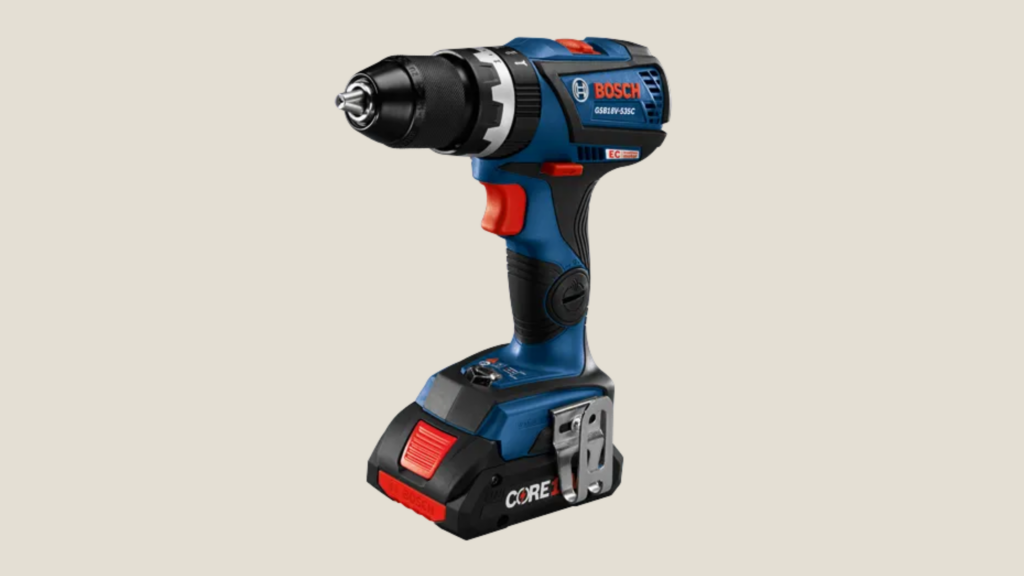
4. Bosch GSB18V-535 brushless hammer drill – best for precision work
| Pros | Cons |
| – Compact design – Accurate chuck – Smooth drilling – Good battery life | – Lower torque than M18 – Limited kit options – Smaller ecosystem |
Key features
- Brushless motor
- 18V battery platform
- Hammer drill mode
- Lightweight body
- LED light
The Bosch GSB18V-535 is a real treat to run for long stretches because it’s nice and light—that bit makes a big difference when you’re on a job that’s going to take all day. It’s the type of drill you reach for when precision is what matters most. Users rave about how solid the ergonomics are, and how reliable the battery performance is—even under heavy use. They say Bosch drills just feel comfortable, which is perfect for extended use.
However, drill it into something a bit more demanding, and it’ll start to struggle, particularly when you get to using big saw bits and masonry work. It’s not a total loss, but it’s just not the right tool for those jobs. And if you start digging into the offerings from Bosch in terms of tools and batteries, they don’t quite match the bigger players in the market. Still, if you’re a finisher, a cabinetmaker, or someone who tends to prioritise precision over brute force, then this drill will likely be right up your alley.
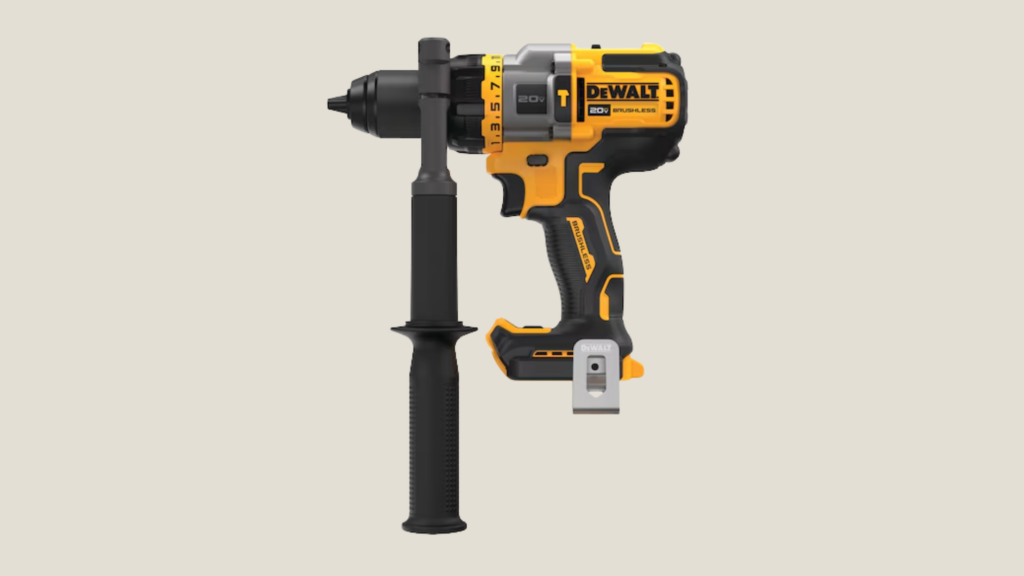
5. DeWalt DCD999 FlexVolt Advantage – best cordless drill for versatility
| Pros | Cons |
| – Uses 20V and FlexVolt batteries – High torque output – Durable build – Side handle included | – Heavy with FlexVolt battery – Expensive kit – Large footprint |
Key features
- Brushless motor
- FlexVolt compatibility
- Hammer drill function
- Metal chuck
- Two-speed transmission
The DCD999’s behaviour is a lot different depending on the battery you slap in it. Plug in a standard 20V Max battery, and it’s just your average run-of-the-mill drill. But swap it to a FlexVolt battery, and you’re at a whole new level—more torque, easier to handle big bits, and can power through tough stuff with no problem. And the side handle is a nice touch when you’re throwing the drill around aggressively. One good thing about it is that it’s just one tool that can do a lot of different jobs. Reddit users consistently say that the DCD999 really comes into its own with FlexVolt batteries, especially when you’re drilling big holes in framing or heavy structural stuff.
The only thing that’s holding it back is that FlexVolt batteries make it a bit of a handful when you’re working overhead. And let’s not forget the kit price is on the higher side, too. This drill is best suited for contractors already in the DeWalt camp who are looking for a bit of extra grunt in a drill.
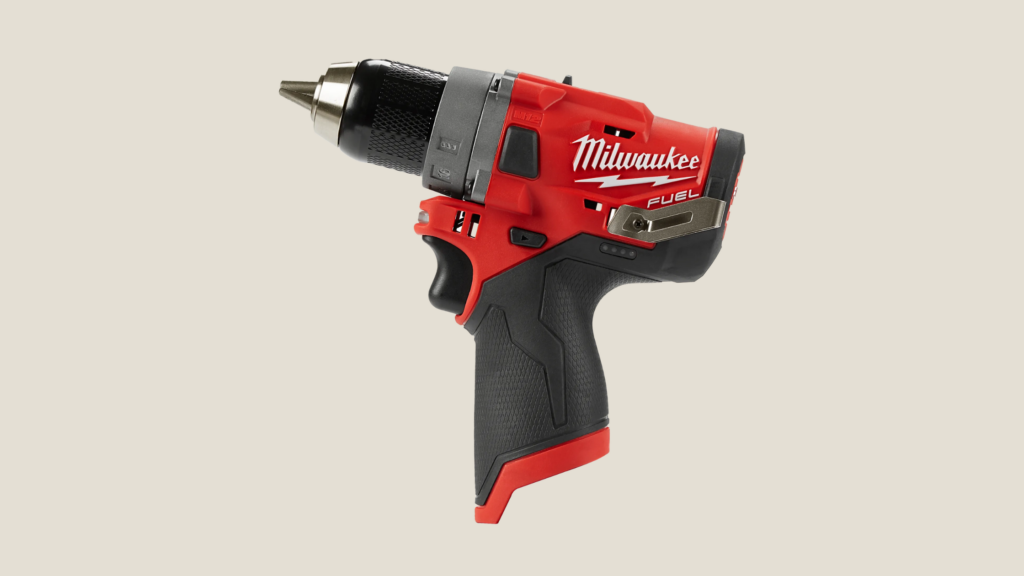
6. Milwaukee M12 Fuel drill driver – best 12V cordless drill
| Pros | Cons |
| – Lightweight – Strong for its size – M12 battery system – Comfortable grip | – Not for heavy drilling – Smaller chuck – Limited torque |
Key features
- Brushless motor
- 12V Max battery
- Compact body
- LED light
- Fast charger
The Milwaukee M12 Fuel drill is a perfect example of how you don’t have to have a drill that’s the size of a small car to get the job done. It drills smooth holes in wood and metal with no fuss. It’s super portable, making it a no-brainer for work in cramped electrical boxes, cabinetry, and service work. Users often say it’s much stronger than you’d expect, to the point that some prefer it to larger drills for everyday tasks because it’s well-balanced and easy to use. Quite a few trades just stick this in their bag and call it a day—it has become a daily go-to drill for them.
This drill isn’t going to be the one you reach for when you’ve got to do some heavy framing or masonry work, and it can be a bit of a struggle with big pieces. It’s a drill that really comes into its own when access is more important than having a sledgehammer on your hands.
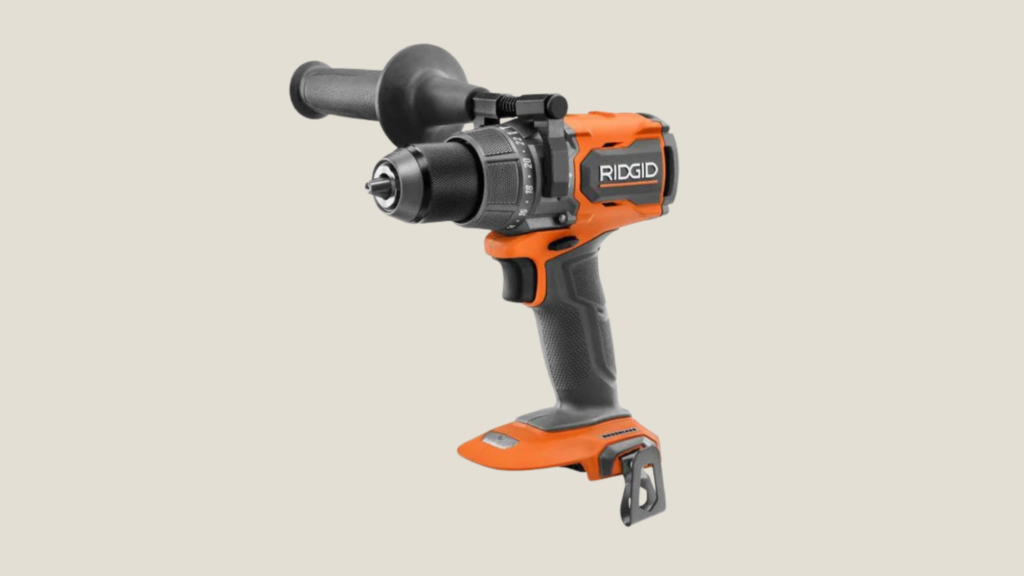
7. Ridgid R861152 brushless drill – best warranty value
| Pros | Cons |
| – Lifetime service agreement – Solid power – Good balance – Two batteries included | – Heavier than competitors – Bulkier handle – Fewer compact options |
Key features
- Brushless motor
- 18V battery system
- Metal chuck
- LED light
- Lifetime warranty
The Ridgid 18V brushless drill delivers solid performance with the added reassurance of a lifetime service agreement. It can handle framing, deck work, and the usual drilling without ever feeling underpowered. The grip stays snug even with gloves on, and having two batteries in the kit lets work flow smoothly on longer jobs. Milwaukee users will tell you the M12 Fuel drill driver delivers surprisingly powerful performance for a 12V model, with some even preferring it to larger 18V drills because of its compact size and power on everyday jobs.
The drill is slightly bulkier than some competitors’, and overhead work can become tiring over time. The handle shape isn’t as sophisticated as that of premium brands. Still, for buyers who want reliability backed by strong support, this drill is a solid deal.
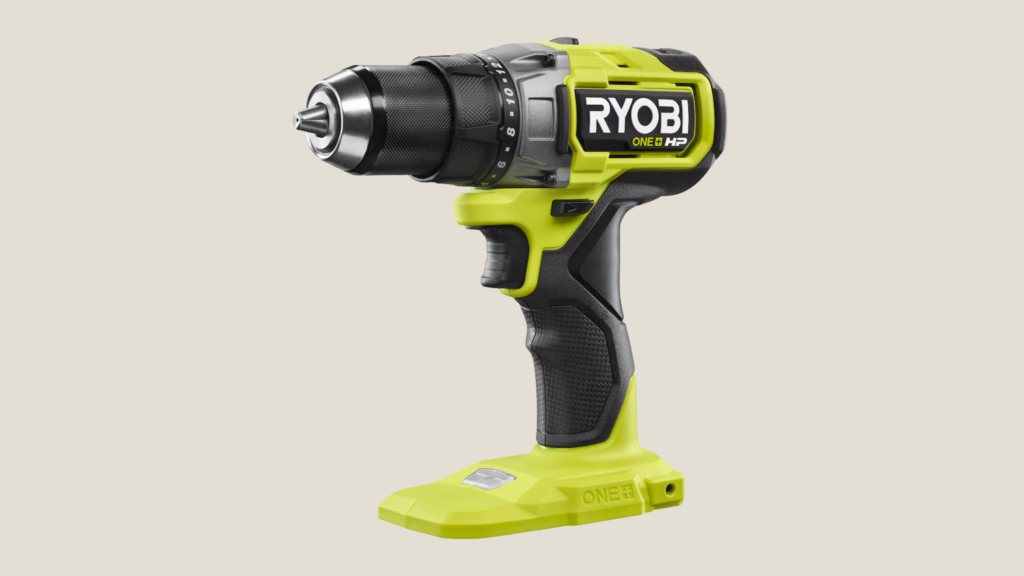
8. Ryobi PBLDD01K ONE+ HP – best cordless drill for DIY use
| Pros | Cons |
| – Affordable kit – Wide battery compatibility – Good power for home projects – Lightweight | – Less durable housing – Not for pro abuse – Slower under load |
Key features
- Brushless motor
- ONE+ battery system
- Compact design
- LED light
- Budget-friendly kit
The Ryobi ONE+ HP drill eats up shelving, drywall anchors, and basic woodworking jobs without so much as a hiccup. One of the real benefits of the ONE+ battery system is just how versatile it is—lots of Ryobi tools can make use of the same batteries, which in turn keeps the cost of owning a large selection of tools down. The drill itself is light enough to handle casual use without feeling like a chore. People enjoy how dependable the Ryobi One+ HP is for everyday household tasks, especially for those who already own other ONE+ tools and want the convenience of using the same batteries.
One place it doesn’t quite shine is on heavy-duty job sites; it starts to slow down with heavier jobs. But it isn’t the tool for those kinds of jobs—its sweet spot is with homeowners and occasional builders who want something that offers a combination of value and flexibility.
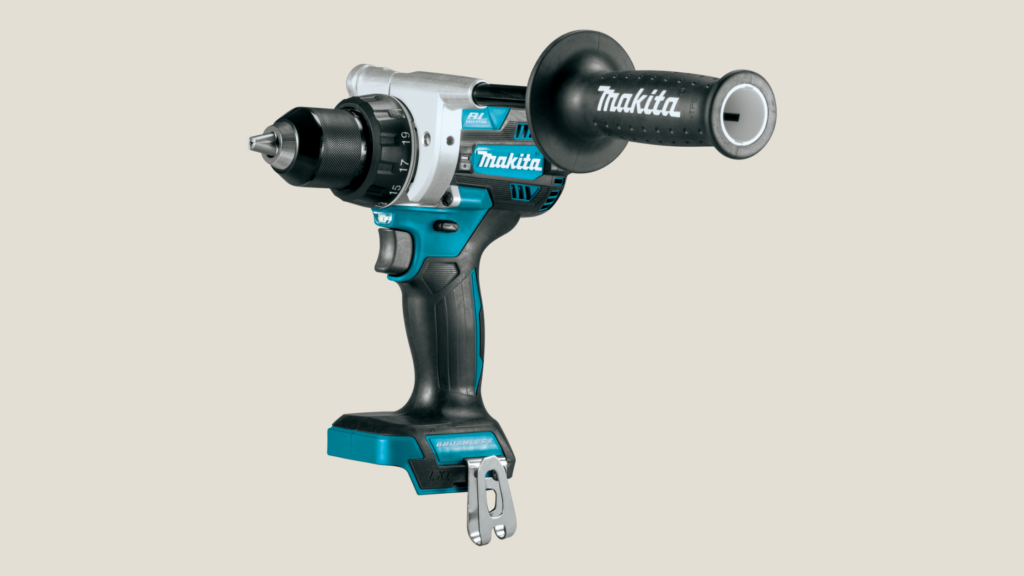
9. Makita XFD14 18V LXT – best lightweight 18V drill
| Pros | Cons |
| – Very light – Comfortable grip – Long run time – Reliable batteries | – Lower torque – No hammer mode – Pricey bare tool |
Key features
- Brushless motor
- 18V LXT batteries
- Compact body
- Two-speed selector
- LED light
The Makita XFD14 is all about comfort and endurance. It’s easy to handle for long periods, especially when you need to do some overhead work. Battery efficiency helps stretch run times between charges. The grip feels natural and reduces fatigue during repetitive tasks, meaning many trades keep it as a primary drill for lighter work. Reddit users report choosing the XFD14 for its balance of size and performance within the LXT lineup, often using it as a daily driver.
It lacks hammer mode and isn’t meant for masonry work, as bigger bits push its limits. This drill works best for electricians, installers, and finish trades.
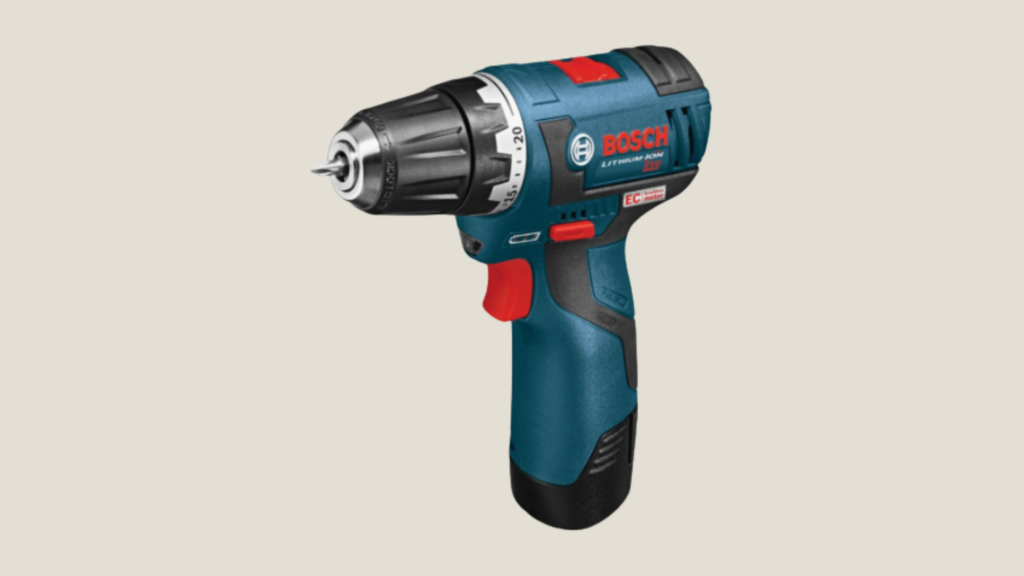
10. Bosch PS32 12V Max EC – best compact drill for tight spaces
| Pros | Cons |
| – Very compact – Lightweight – Good precision – Fast charger | – Lower power – Small battery capacity – Limited torque |
Key features
- 12V Max EC brushless motor
- Compact chuck
- Lightweight build
- LED light
- Quick charge
The Bosch PS32 is a real winner in tight spaces, as its lightweight body makes precise drilling in cabinetry and fixtures super easy. The compact head fits where many of the larger drills won’t, and its fast charging reduces downtime between tasks. Reddit users often describe Bosch cordless drills as reliable and well-made for everyday tasks, even if they don’t dominate job sites.
It’s not looking to take on the really heavy stuff, like anything heavy-duty that requires all the power you can get. It’s ideal for tasks such as installation, maintenance, and other work that require care and precision.
What to consider before buying a cordless drill
Define your primary use case
Start by thinking about the type of work you’ll actually be doing most often. Drilling large holes for framing or masonry requires far more torque than driving screws into drywall or cabinetry. Buying a drill that’s more powerful than you need usually adds weight and size that you’ll feel by the end of the day. Matching the drill to your real workload makes it easier to control and less tiring to use.
Assess power and battery systems
Battery platforms matter, especially if you already have a bunch of other cordless power tools. It keeps your costs down and your charging routine simple by sticking with a single system. Look beyond the battery size on the box and consider the runtime under heavy use—fast chargers and the option to run two batteries back-to-back can make a big difference when you’re working all day and need plenty of runtime.
Check the weight and that it’s really comfortable to hold
You can walk out of the store with a drill that feels great, only to find it’s a real killer after hours of use. Weight is important, but balance is just as important, especially when you’re drilling overhead or in a tight spot. How the handle fits your hand, the grip feel, and the trigger placement all make a difference. A balanced drill can reduce wrist strain and help you maintain a firm grip.
Look at the warranty and what kind of support you can expect
Some people think warranty coverage isn’t that big of a deal, but trust us—if you plan on throwing cash at a tool every day, it’s actually a pretty big deal. Some brands will back up their offerings with comprehensive, long-term plans that cover much more than just the tool itself—batteries, motors, and all—while others are pretty bare-bones, leaving you scrambling to fix the problem when it happens. Seeing what kind of support you’ll get before you put down the cash can save you from a whole lot of trouble (and money) down the line.
Consider just how big the drill needs to be for your needs
If you’re working in cramped spaces or just need something to fit between studs, a compact drill is the right choice. But bigger is sometimes better, and if you need a lot of torque, a bigger drill can be a better choice. The head size and overall design will determine how often you reach for the tool. For many trades, the smaller drill is used much more often than the larger one.
Think ahead to the other tools you might want in the future
Many cordless drills are part of a larger system—they work with impact drivers, saws, yard tools, and more. Choosing a system that’s going to grow with you can save you money in the long run. Plus, if they all use the same battery, it won’t be a total mess with chargers and all the rest. This matters to people who own them for hobby use as much as it does to professionals who will use these tools for years to come.
Final thoughts
The best cordless drills entering 2026 offer better batteries, greater control, and stronger motors than ever. Choosing the right drill depends on how you work and what you build. Want to compare different tools on the market? Check out some of our other tool guides:
- The best right-angle drills for tight spaces
- STIHL tools totally worth the splurge
- The best safety harnesses for roofers
- The best slip-on steel-toe boots
For more tool reviews and gear guides for construction, engineering, and the trades, subscribe to the Under the Hard Hat newsletter and stay up to date on tools that earn their place on the jobsite.