
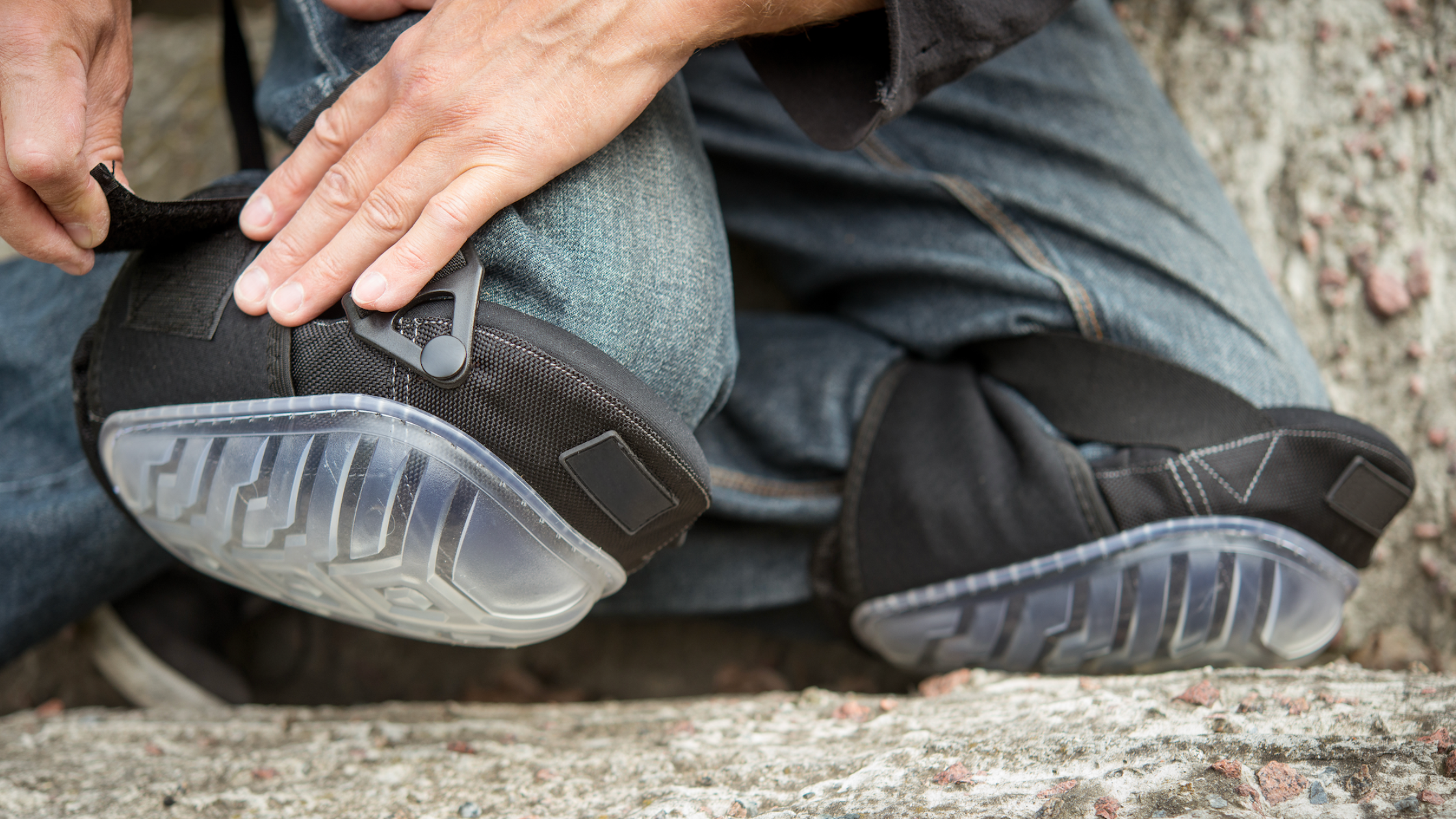
Finding the best knee pads for construction isn’t about comfort alone—it’s about keeping your knees working after years on concrete, plywood, and finished floors. Flooring installers, tile setters, framers, plumbers, and anyone who spends hours kneeling need knee pads that stay in place and don’t restrict circulation. Standouts like ProKnee AP16 knee pads and NoCry Professional knee pads are popular choices, and both consistently appear on job sites and in reviews. This guide breaks down the best knee pads for flooring and construction, based on their performance over extended periods of use. If your work puts pressure on your knees, these picks are worth a close look.
Top 10 knee pads for construction
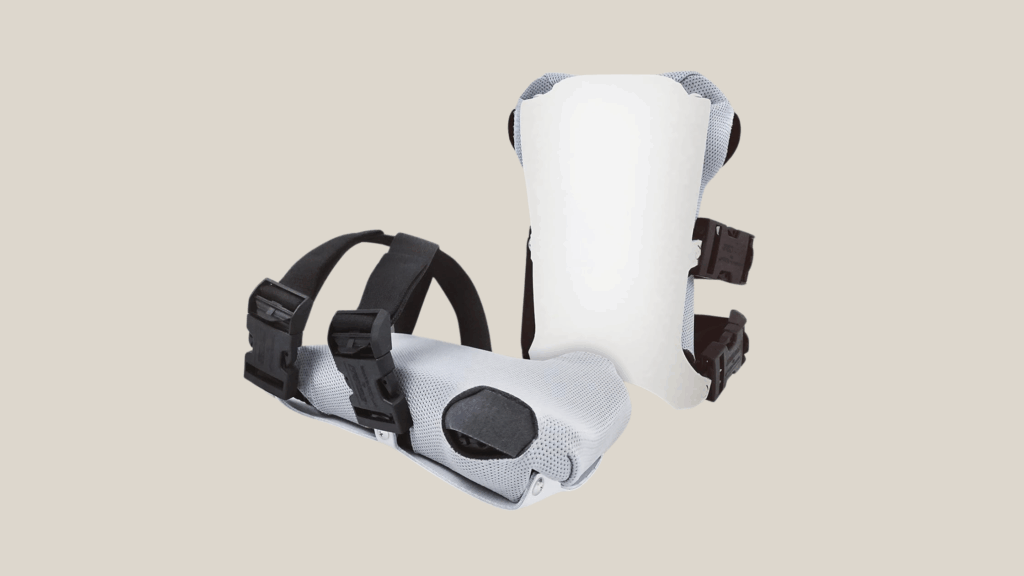
1. ProKnee AP16 knee pads — best overall for long-term kneeling
| Pros | Cons |
| – Wide base spreads pressure across the entire knee – Straps stay secure without cutting circulation – Built for extended kneeling on hard floors – Replaceable parts extend lifespan | – Expensive upfront – Bulky for climbing ladders – Takes time to adjust correctly |
Key features
- Full-knee coverage design
- Thick foam and gel padding
- Adjustable strap placement
- Replaceable liners and straps
ProKnee AP16 knee pads are made with one thing in mind: the people who are on their knees all day doing jobs, particularly on concrete and subfloors. What sets these knee pads apart is their wide base, which helps distribute pressure away from your kneecap and spreads it along the front of your shin. This design helps you complete a long shift with less knee pain and may help prevent end-of-day soreness. Flooring installers report that when they get them adjusted right, the pads don’t feel all squishy or awkward; they actually feel solid and reliable. Many long-term users report significant improvements in knee function and reduced knee pain after switching to ProKnee pads full-time.
They are quite big, however, which can make it a challenge when you’re working on a ladder or in tight spaces. If you don’t get them adjusted correctly, you’ll probably feel some discomfort at first, which can put many people off. If you’re someone who’s on your feet and climbing ladders all day, then these pads might feel like overkill. They’re best suited for people in flooring, tiling, or the finish trades, where you’re on your knees all day and probably don’t get up for long breaks.
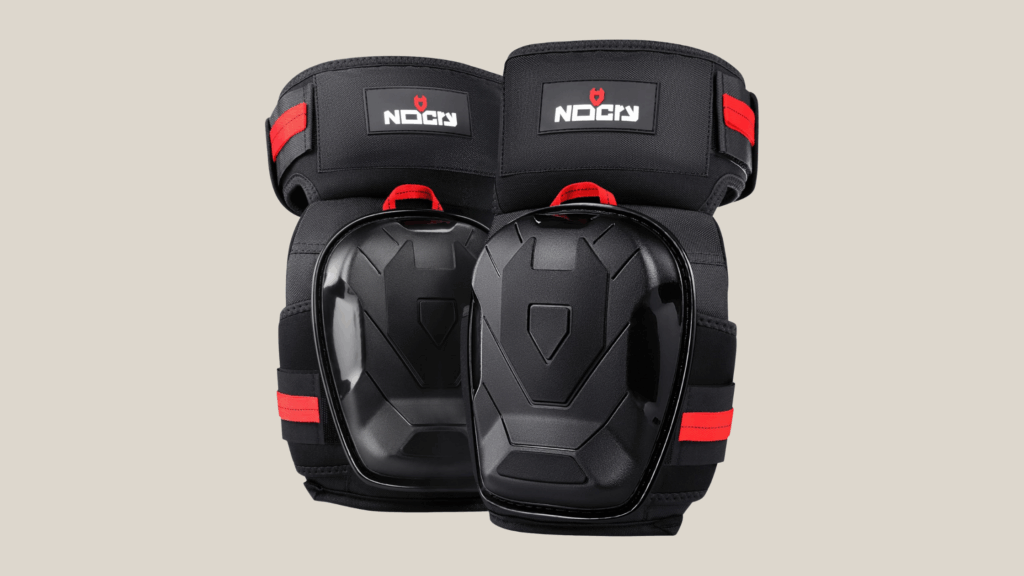
2. NoCry Professional knee pads — best balance of comfort and price
| Pros | Cons |
| – Lightweight and flexible – Thick gel cushion protects the knee – Breathable straps – Affordable compared to pro models | – Less durable for daily heavy use – Straps loosen over time – Narrower knee coverage |
Key features
- Gel padding with EVA foam
- Adjustable elastic straps
- Lightweight shell
- Non-slip exterior
NoCry Professional knee pads are a hit among contractors seeking solid knee protection without bulky or expensive gear. The gel padding effectively absorbs shock when you’re kneeling on concrete, plywood, or even finished floors. From the outset, users report feeling comfortable, with no need to break them in. They’re also very lightweight, making them easy to wear on the job if you’re moving around a lot.
But they fall short on long-term durability when used every day. The straps tend to lose their shape over time, especially if you’ve got them cinched up tight, and the padding doesn’t hold up as well as some higher-end options. The coverage is also a bit narrower than what you’d find in pro-grade knee pads, so if you’re on your knees for an extended period of time, you might still feel a bit of pressure. Overall, these pads are best suited for carpenters, remodelers, and DIYers who spend long periods kneeling but don’t need to be on their knees all day.
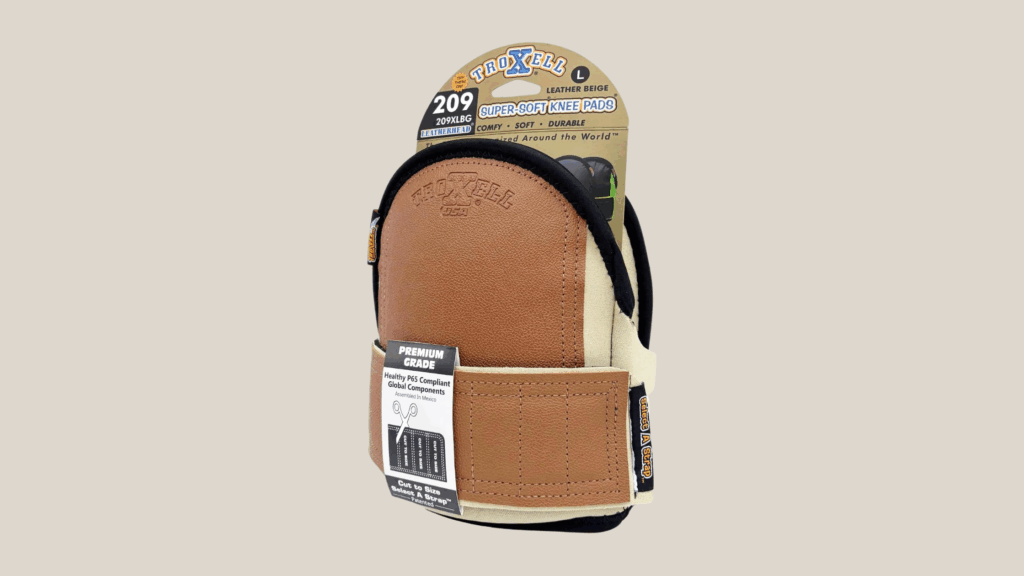
3. Troxell USA SuperSoft Leatherhead knee pads — best for flooring work
| Pros | Cons |
| – Soft leather won’t scratch finished floors – Comfortable foam padding – Low profile for tight spaces – Made in the USA | – Less impact protection on concrete – Leather requires maintenance – Not ideal for wet environments |
Key features
- Genuine leather outer
- High-density foam interior
- Low-profile shape
- Replaceable inserts
Troxell SuperSoft leatherhead knee pads are a go-to favourite for flooring installers who work on finished floors. The leather exterior glides smoothly over hardwood, laminate, or tile without leaving marks. Inside, the foam does a top job of keeping things comfy even when kneeling for hours on end, especially for detail work and layout tasks where you really do need to stay put for a while. Many users say the low-profile design makes it easier to work under cabinets and maneuver along baseboards in tight spaces. The fact that they just feel like a natural part of your legs is key for precision flooring work, where tiny details can make all the difference.
If you’re kneeling on concrete for long periods, you’ll likely compress the foam much faster than with gel-based ones. With the leather exterior, you need to be more careful than with other materials, especially if it gets wet. They are well-suited to work in flooring, finish carpentry, and interior trades, where protecting those surfaces is as important as keeping your knees comfortable.
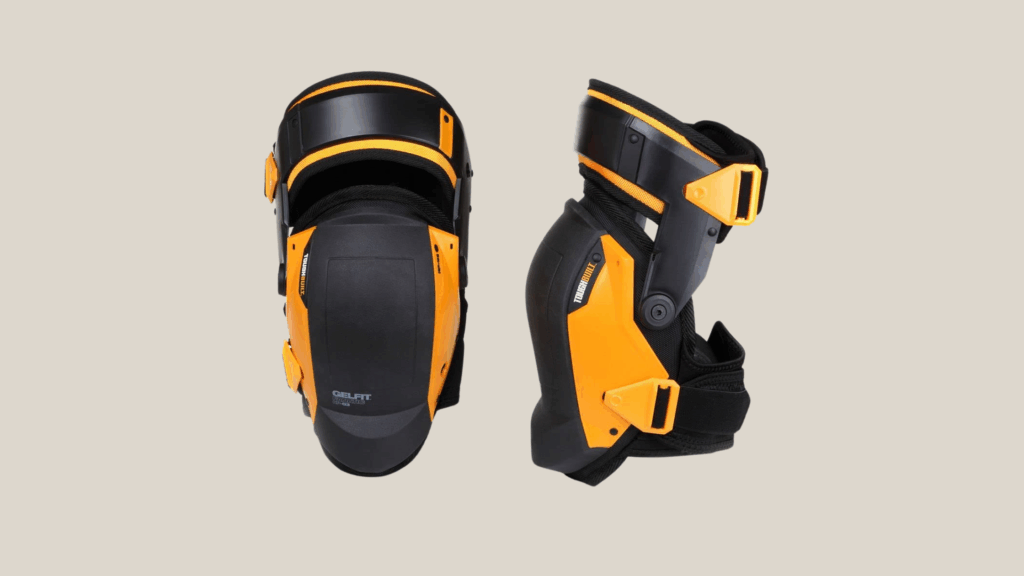
4. ToughBuilt Gelfit Fanatic knee pads — best for mobility
| Pros | Cons |
| – Gel and foam combo absorbs shock – Stable, non-slip base – Durable hard shell – Easy to put on and remove | – Heavier than soft-cap pads – Hard shell not floor-friendly – Can shift during crawling |
Key features
- GelFit padding system
- Ergonomic shell shape
- Heavy-duty straps
- Textured contact surface
ToughBuilt Gelfit Fanatic knee pads are a must-have for anyone who’s constantly on the move on rough ground; the hard shell actually gives you a fair amount of stability when you’re kneeling on gravel decking or uneven framing surfaces. Inside, thick gel and foam padding reduce impact and prevent sharp pressure points. Tradespeople swear by these pads; they feel solid and secure, even when you’re working away at a furious pace, which is exactly what they’re designed for.
The only thing to watch out for is that they weigh slightly more than some other options. Additionally, they can scuff finished floors, which is not ideal for interior finish work. Some people have said that if you’re crawling or kneeling at an angle for extended periods, the hard shell can shift slightly. That said, these knee pads are ideal for outdoor workers, including framers, deck builders, and roofers.
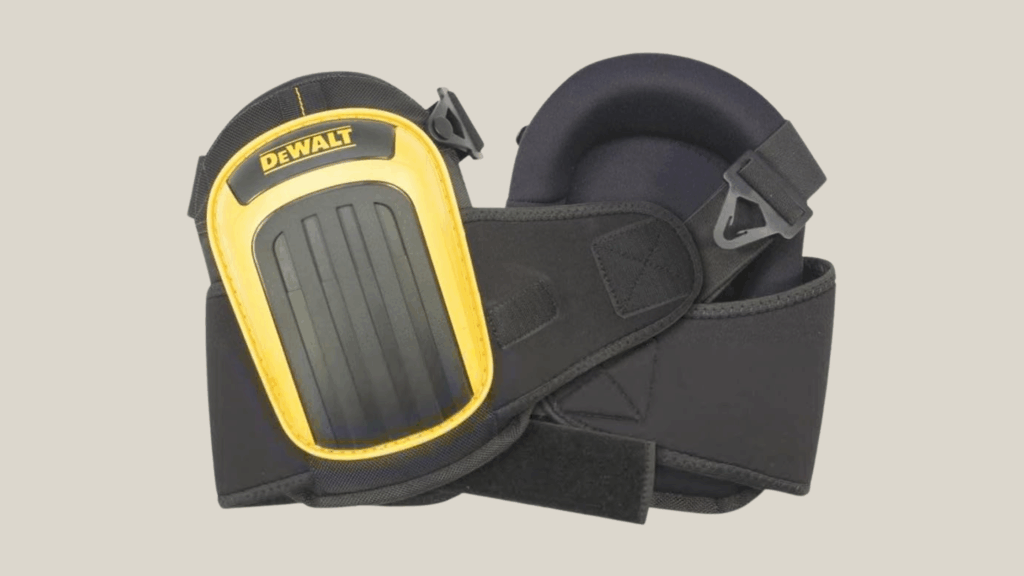
5. DEWALT DG5204 gel knee pads — best for general construction
| Pros | Cons |
| – Thick gel padding – Durable outer shell – Wide strap support – Readily available | – Bulky profile – Can feel stiff at first – Heat buildup in summer |
Key features
- Gel cushioning
- Reinforced shell
- Adjustable straps
- Impact-resistant cap
The DEWALT DG5204 knee pads are built to withstand the rigors of an active job site. They do a great job of taking the edge off when you’re kneeling on concrete, rebar mats, or subfloors, thanks to the gel padding that reduces pressure on your knees. You can actually toss these things in the back of your truck without worrying about them getting busted up. The outer shell is also fairly resistant to wear and tear, extending the pad’s service life.
These knee pads do have a trade-off: they can be a clunky, heat-trapping package. The hard shell and thick padding can feel stiff if you’re kneeling for a long time, especially during a hot summer day. They’re also not the best fit for finished floors due to the rigid bottom cap. But if you need knee protection that will get the job done in a high-duty setting, these pads are your best bet.
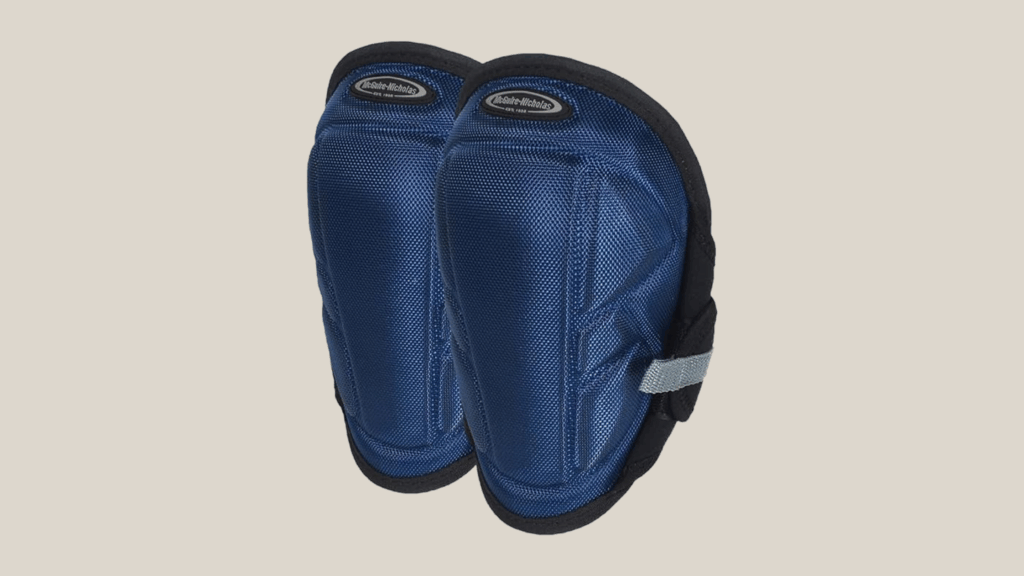
6. McGuire-Nicholas Gel Lite knee pads — best lightweight option
| Pros | Cons |
| – Very light – Flexible fit – Gel padding – Easy to store | – Less protection on concrete – Shorter lifespan – Narrow knee coverage |
Key features
- Gel foam insert
- Lightweight shell
- Elastic straps
- Compact design
McGuire-Nicholas Gel Lite knee pads are a great fit when you need to get on the floor to do quick work on your knees, then get back up. They’re made super light, so you don’t even notice you’re wearing them. In fact, people often comment on forgetting they’re even on because of how comfortable they are, which is helpful for anyone who has to stand and walk all day. The gel foam inside also really helps take the impact of a hard floor when you are on your knees for a bit.
They’re not the best choice for crawling around a job site all day on concrete, however. They’re fine for a few hours or even a day, but if your knees are taking a pounding, then you might want something a bit more robust. Additionally, the padding in these models compresses more quickly than in heavier-duty models, so they don’t last as long. They’d be perfect for a painter who occasionally gets down to paint a ceiling, or an electrician who needs to jump up on a ladder.
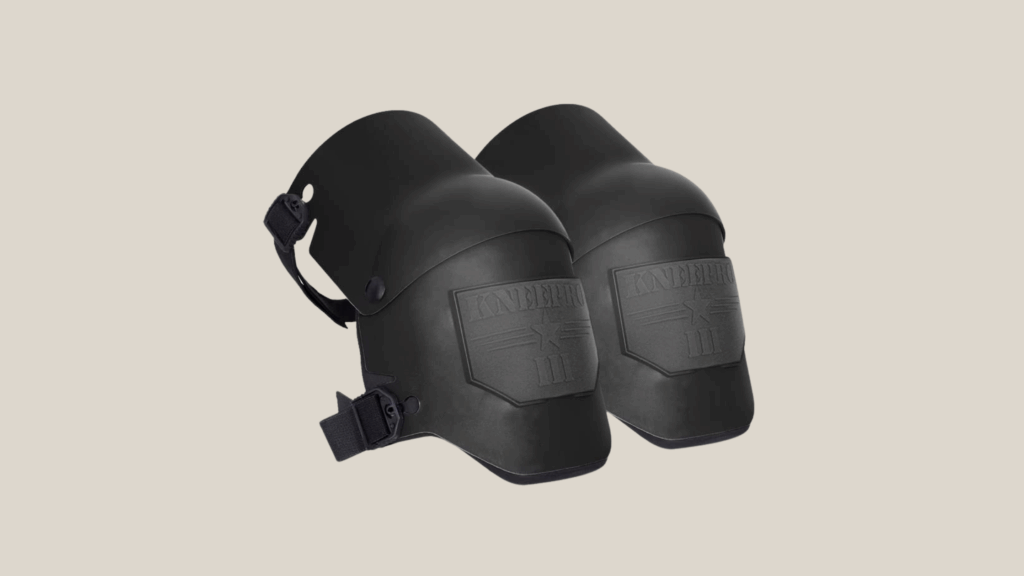
7. Sellstrom Ultra Flex III knee pads — best for concrete work
| Pros | Cons |
| – Thick padding – Wide knee coverage – Secure straps – Durable construction | – Heavy – Less flexible – Takes time to break in |
Key features
- Ultra-thick foam
- Wide contact area
- Heavy-duty straps
- Rugged shell
Sellstrom Ultra Flex III knee pads are ideal for hard days, including kneeling on concrete slabs, masonry, and formwork. The thick foam padding significantly reduces pressure when you’re on your knees, making long pours or finishing work much easier on your joints. Many concrete workers swear by these pads, saying they save their knees by the end of the day. They feel solid and secure once you’ve got them adjusted just right
They’re not ideal for zipping around the site. When you’ve got to be on the move, walking, climbing, or working in tight spaces can be a bit of a struggle. They’re not heavy or bulky, but they can be stiff and don’t feel natural when you need to get from one place to another. For them to really come into their own, you need to be in a job where you spend most of the day kneeling in one place—concrete finishers, masons, and those sorts of trades are the ones these knee pads are really designed for.
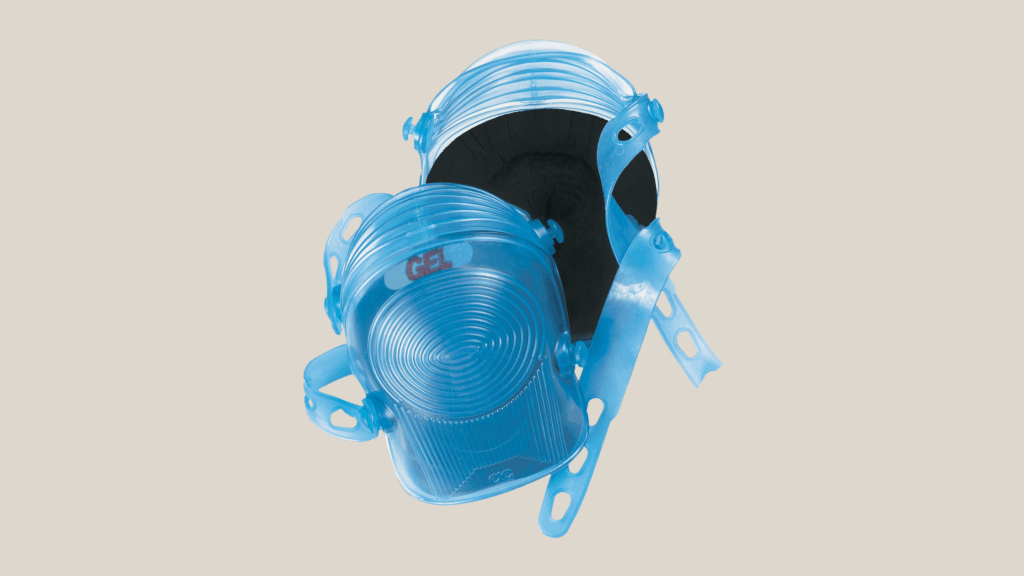
8. CLC Custom Leather 361 foam knee pads — best soft-cap option
| Pros | Cons |
| – Soft cap won’t damage floors – Comfortable foam – Lightweight – Affordable | – Limited impact protection – Foam compresses over time – Not for outdoor work |
Key features
- Soft exterior
- Foam padding
- Elastic straps
- Low-profile fit
These CLC Custom Leather 361 knee pads are the perfect fit for anyone working indoors who needs a pad that’s gentle on surfaces. The soft cap on these knee pads is designed to prevent scuffing or scratching on finished floors, which is why they’re super popular among trim workers and carpenters. And the best part is, they’re not uncomfortable to kneel on, even for a decent amount of time; the foam padding does a great job of keeping things comfy without feeling too bulky. Many users say they’re a breeze to wear, and adjusting them isn’t a chore. For anything interior-related, they strike a great balance between comfort and protection.
But they’re not for tough jobs outdoors or on concrete. The foam padding will compress over time, and sharp debris nearby can damage the outer material. These knee pads work best for finish carpenters, installers, and light-duty construction work where floor protection is critical.
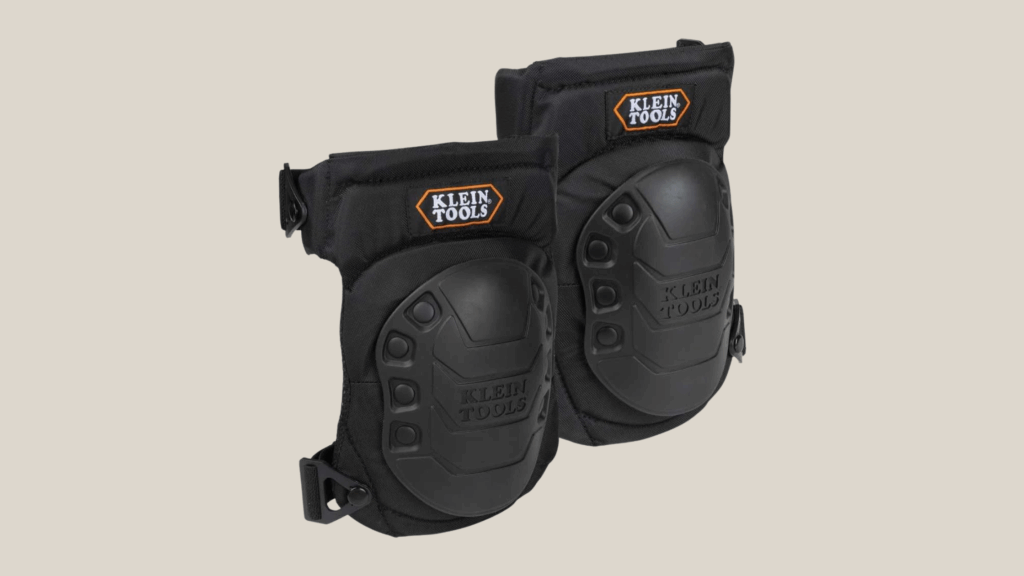
9. Klein Tools Tradesman Pro knee pads — best for electricians
| Pros | Cons |
| – Lightweight – Flexible fit – Durable stitching – Comfortable straps | – Thin padding – Less knee coverage – Not ideal for concrete |
Key features
- Gel foam padding
- Adjustable straps
- Compact design
- Trade-focused build
The Klein Tools Tradesman Pro knee pads are designed for workers who constantly move between standing and kneeling. They’re so light that they don’t get in the way while you’re working on ladders or in tight spaces, which is great for electricians who have to do installs. People often say they’re comfortable with short tasks such as panel work or outlet installations. And the great thing is, they’re compact enough to fit under your work pants without bunching up. For people who do a lot of service work, these knee pads are easy to wear all day.
But they’re not suitable for jobs that involve frequent kneeling on hard surfaces. The padding isn’t too thick, and the coverage is mainly over the kneecap. These knee pads are best suited for electricians, low-voltage techs, and maintenance work where kneeling is frequent but only for short periods.
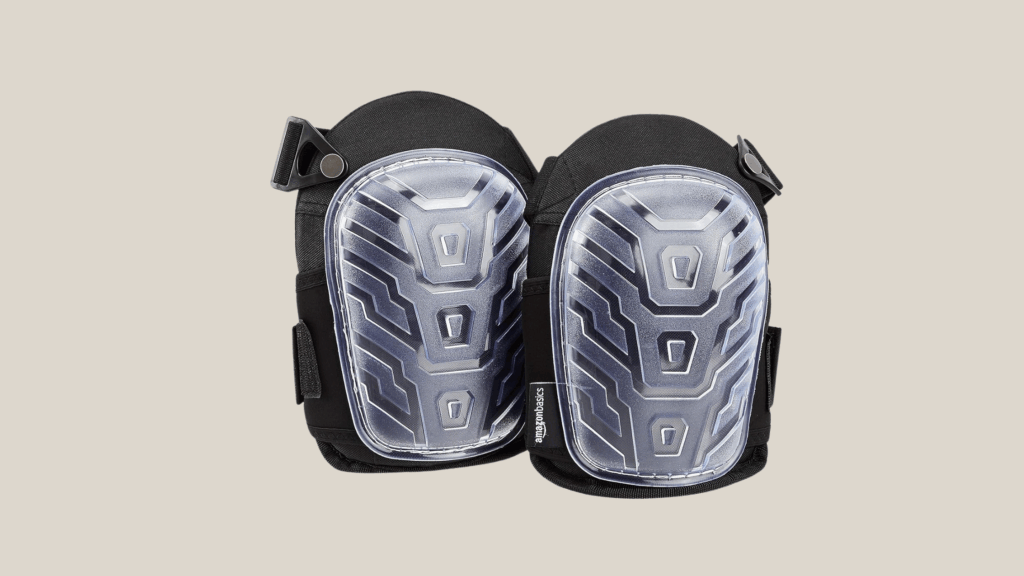
10. Amazon Basics gel knee pads — best budget pick
| Pros | Cons |
| – Very affordable – Gel padding – Easy to find – Decent comfort | – Short lifespan – Straps loosen – Basic materials |
Key features
- Gel insert
- Elastic straps
- Lightweight shell
- Entry-level design
Amazon Basics gel knee pads are a decent option for basic knee protection at a low price. However, they provide noticeable cushioning on hard floors only when you’re kneeling for a short time. They’re fine for the odd weekend project but not so much for hourly tasks. They are lightweight and easy to toss in the toolbox or your truck if needed. If you’re only going to use them for casual projects, they do a decent job.
The biggest problem with them is their lack of durability. The straps wear out quickly, and the padding gives out soon if you use them regularly. These knee pads are best suited for homeowners or weekend warriors with the occasional DIY project—they’re just not built to last for a 9-to-5 construction crew.
What to consider before buying knee pads
Define your primary use case
When it comes to flooring and tile work, you’ll be better with a wider, more stable pad to spread the load. Projects such as framing or concrete work require thicker padding and a durable shell. If you know how and where you kneel most, it helps you pick a pair of knee pads that are actually going to last the distance.
Padding type and knee coverage
Foam knee pads feel really light and flexible. Gel knee pads, however, are way better at absorbing the shock on hard surfaces. And if you can get a pair that covers the whole knee, then you’re less likely to develop those sore pressure points in your knees when you’re kneeling for a while.
Straps and fit
If the straps on your knee pads dig into the back of your knee, they can restrict circulation. Look for ones with wide, adjustable straps that fit snugly and won’t slip off.
Surface compatibility
Some knee pads have hard shells, which are good on rough ground but can damage floors. Others have soft caps that protect the finished surface. Consider what you’re working on and choose the right pad for the job.
Durability and replacement parts
Heavy-duty knee pads cost more but last longer. Replaceable liners and straps can extend the life of a good pair.
Final thoughts
Knee pain has a way of sneaking up on people in the trades, especially when long days on concrete and subfloors become routine. The right knee pads won’t make the work easier, but they can make it more sustainable over time. Whether you’re setting tile, trimming out a space, or handling general site work, choosing the best knee pads comes down to matching protection, fit, and durability to how you actually work. A good pair is an investment in staying comfortable on the job today and staying on the job longer overall.
Check out our reviews on corded angle grinders, packout systems, corded circular saws, and other jobsite gear at Under the Hard Hat.
For more construction-focused gear breakdowns and practical site advice, subscribe to the Under the Hard Hat newsletter.