

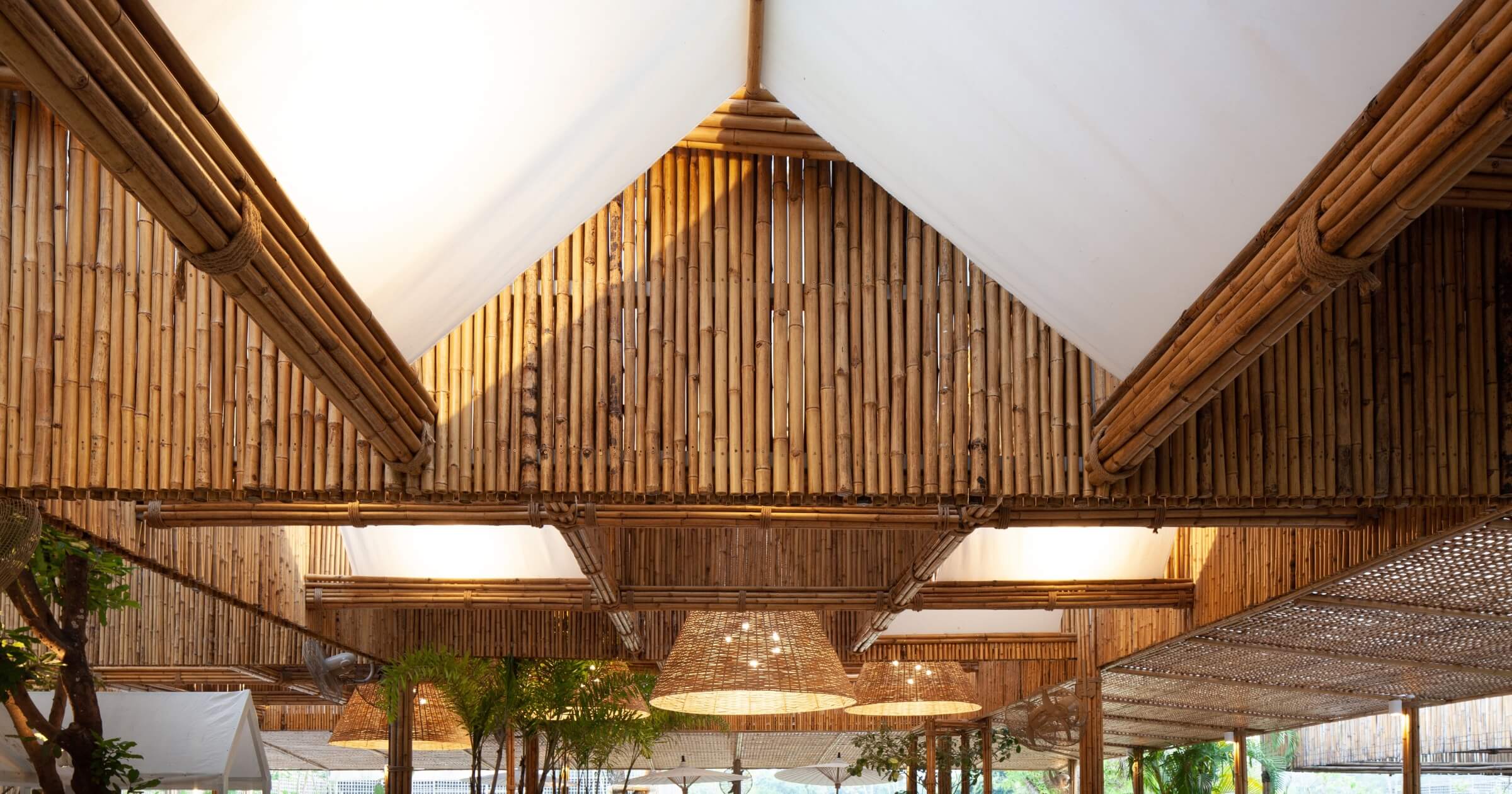
As the construction industry seeks to lower its carbon footprint, many builders are turning to one of the world’s most impressive, fast-growing plants: bamboo. This article explores how bamboo for construction can serve as a high-strength, sustainable building alternative to steel and concrete in modern projects. You will learn why this versatile material is a serious contender for the future of eco-friendly construction and how it might change the way we build.
How bamboo is being used for construction today
Bamboo has been used for building for thousands of years, especially in vernacular construction across Asia and South America. In its natural form, bamboo has been used for scaffolding, bridges, and bamboo houses. In places like Bali, iconic structures like the Green School show how beautiful and durable bamboo can be. Today, bamboo use in construction is expanding, with it being used for high-end flooring, structural beams, and even prefab wall panels for new buildings.
Is bamboo sustainable?
The embodied carbon advantage
Traditional materials like cement and steel contribute heavily to global emissions because they require massive amounts of energy to produce. Sustainable bamboo offers a major advantage because it is a bio-based material that stores carbon during growth. By incorporating bamboo into our cities, we can help reduce a project’s total carbon footprint. However, we must remember that environmental sustainability depends on more than just the plant. The quality of bamboo, how it is processed, and how far it travels all matter when making a sustainable choice.
Fast growth and renewability

Bamboo is a fast-growing plant that matures much faster than timber. While a tree might take decades to reach full size, a bamboo plant is ready to harvest in just three to five years. This rapid renewability is a huge strength. In a bamboo forest, the root system stays alive even after a harvest, so it can keep growing without the need for replanting. This makes bamboo a very attractive construction material, though the energy required to manufacture a bamboo product must still be considered to ensure it is truly environmentally friendly.
How bamboo performs structurally
Strength-to-weight ratio
One of the most exciting things about building with bamboo is its mechanical properties. A mature bamboo culm has a better strength-to-weight ratio than many traditional materials. In fact, some species of bamboo have a higher tensile strength than steel. This makes it a powerful construction material for beams and frames. Many civil engineers have noted that bamboo’s mechanical properties make it a viable contender for structural use in specific construction projects.
Variability and engineering challenges
Even though bamboo is strong, it is also a natural material with a lot of variety. Unlike steel, which is made in a factory, every piece of bamboo is different in diameter and moisture. Natural bamboo may also have different wall thicknesses along the culm. This variability makes it harder to use in the same way we use standard timber or steel. To fix this, builders need construction standards and testing to ensure bamboo poles can be used safely in modern bamboo buildings.
Engineered bamboo products
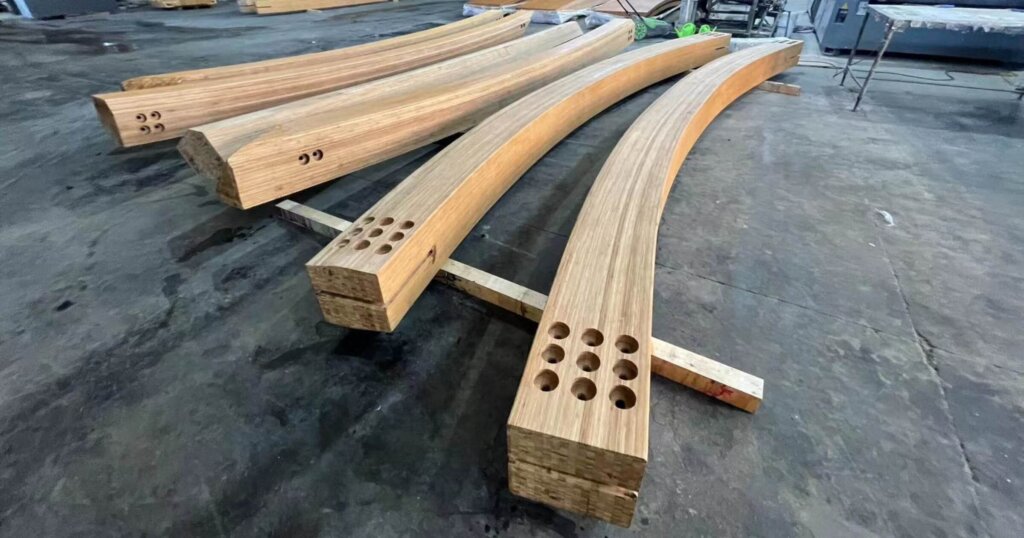
To make bamboo more predictable, many companies now create engineered bamboo. This involves bonding bamboo fibres or strips with adhesives to create a composite material. These bamboo materials behave much like timber beams but can be even stronger. While engineered bamboo allows for more complex construction, it is important to check the adhesives used to ensure the final bamboo product remains environmentally friendly.
Where bamboo can and cannot replace steel and concrete
Bamboo for building works best in low to mid-rise structures. It can be used for columns, panels, and even as bamboo-reinforced concrete in some cases. While bamboo can be used to replace steel in reinforced concrete for smaller projects, it often works best in hybrid systems where it reduces the amount of steel and concrete rather than fully replacing them.
Limitations and constraints
There are some things to keep in mind when using bamboo for construction. Untreated bamboo is vulnerable to moisture and pests, such as termites, so durability is a concern. While some say bamboo has natural fire resistance, it still must be treated to withstand fire temperatures. Standards and building codes also make it difficult to use bamboo in high-rise buildings or in heavily regulated markets that rely on concrete’s compressive strength.
What needs to happen for bamboo to scale
Standards and code pathway
For bamboo to be used for construction, we need better codes and recognized construction standards. Moving from a vernacular material to a standardized system helps builders and inspectors trust the quality of bamboo used for construction purposes. Clear standards help move the industry toward more sustainable building practices.
Durability, detailing, and lifecycle performance
Moisture management is the most important part of bamboo maintenance. If bamboo gets wet and stays wet, it will rot. Proper detailing and the use of construction-grade bamboo treated for pests are vital. Long-term maintenance must be planned from the start to ensure the lifecycle of the bamboo materials aligns with the project’s needs.
A hybrid future
The most realistic future for bamboo as a building material is as a partner to traditional materials. By combining concrete’s compressive strength and steel’s reliability with bamboo’s low-carbon benefits, we can create more eco-friendly construction. A hybrid bamboo project allows construction teams to build safe, strong structures while moving toward a more sustainable future.
Bottom line
Bamboo is a versatile material that offers a serious solution for greener building. It isn’t a universal fix that will replace all steel and concrete, but it is a powerful tool when used properly. Its future in the construction industry depends on good engineering, better standards and building codes, and a commitment to using the best bamboo species available for the job.
Want to stay updated on the latest sustainable building materials and AEC trends? Subscribe to our newsletter today to get the best industry insights delivered straight to your inbox.

