
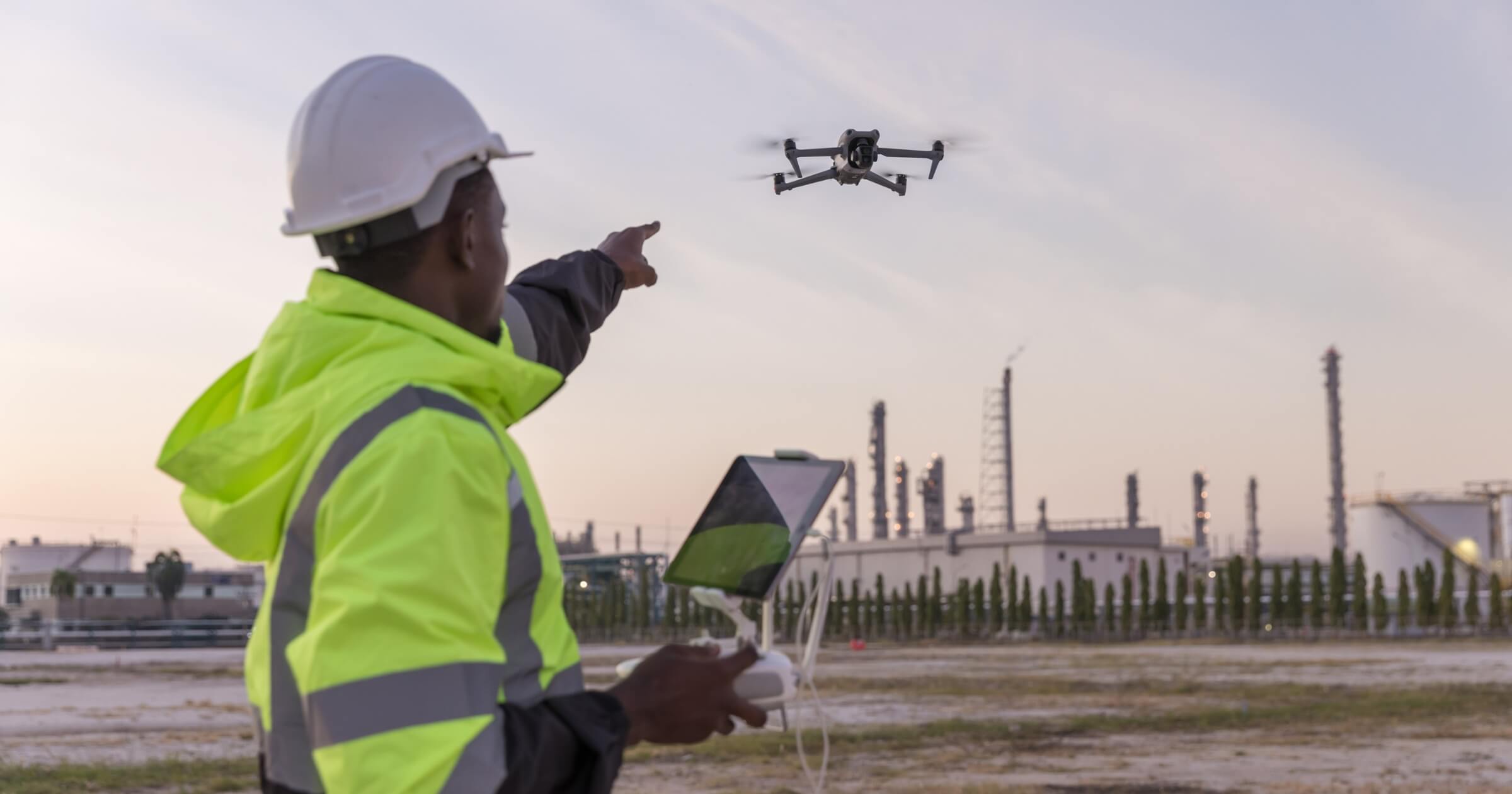
The global smart construction drones market is taking off fast. Fueled by major advances in AI, 5G connectivity, and digital twin technology, the market is expected to grow from around $3.3B in 2024 to nearly $6.3B by 2029.
AI is playing a huge role in making drones smarter and more autonomous. Modern drones can recognize cracks, measure volumes, and detect hazards autonomously, helping crews spot issues earlier. With 5G, these drones can instantly send large amounts of data, giving project managers instant insight into site conditions. This means inspections that once took hours or days can now be done in minutes, improving safety and productivity.
Digital twin technology is another major driver of growth. By creating a virtual model of a building or site, construction teams can track progress, compare it to design plans, and make quick adjustments when something goes off course. When paired with drone data, digital twins provide a powerful way to visualize work, predict outcomes, and reduce costly rework.
Safety is also getting a major upgrade. Instead of putting workers in risky areas like rooftops or unstable structures, drones can handle those inspections from the air. AI-powered analysis can even identify unsafe conditions before they become accidents, helping crews make better decisions more quickly. The time savings are significant, too. A single drone flight can capture site data that a survey team might take several days to collect manually.
Still, the industry faces challenges. Regulations for drone operations differ across countries and can slow down adoption. Managing the large volumes of data collected by drones also poses difficulties, especially when companies lack tools for secure storage or analysis. Cost is another hurdle, as advanced construction drones and AI-integrated systems still require a large upfront investment.
Even with these barriers, the future looks bright. The growing use of drones across large infrastructure projects, smart cities, and industrial builds suggests strong demand ahead. As AI and 5G become more accessible, and as digital twin platforms continue to evolve, construction companies are finding new ways to work faster, safer, and smarter.
To stay up to date on how technology like smart construction drones is transforming the construction industry, subscribe to our newsletter and get the latest insights delivered straight to your inbox.