As demand in the broader construction market rises, the equipment market increases in tandem. North America has long been a hub for construction equipment, due in part to infrastructure upgrades, development projects, and technological advancements. Here’s why, and by how much, the equipment market is expected to grow in the near future. Plus, what it means for contractors looking to increase revenue.
The root of demand and growth in numbers
The spike in demand for construction equipment is driven largely by energy infrastructure spending. Data centers are in peak demand, and investment in emerging sectors such as renewable energy and battery storage to offset data center use is also on the rise. The growth in megaproject demand and manufacturing expansions also contributes to the equipment market, with industrial parks further boosting it.
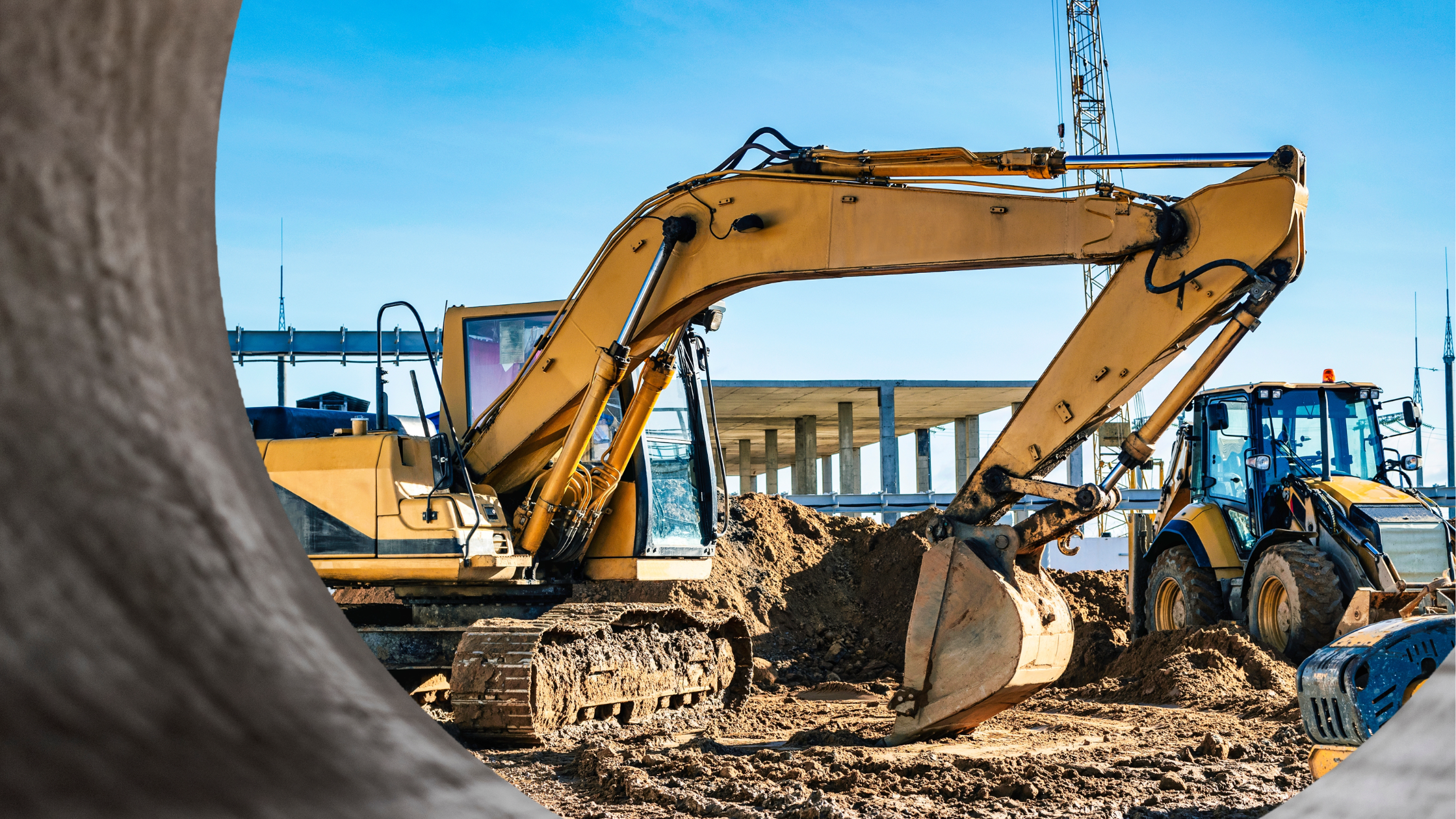
As for which machines are most in demand, the most common include wheel loaders, dump trucks, front loaders, backhoe loaders, graders, crawler dozers, compactors, excavators, forklifts, and concrete mixer trucks. Among these machines, excavators continue to hold the highest market share, thanks to their versatility on the job site.
According to Fortune Business Insights, the construction equipment market was valued at USD 33.3 billion in 2024 and is expected to reach USD 56.2 billion by 2032. The market is projected to grow at a CAGR of 6.8% over the forecast period.
Electrification and automation are reshaping the modern fleet
Heavy investments in machine modernization also contribute to market growth. Many sectors are in desperate need of a tech upgrade, and with automation and autonomous vehicles on the rise, the time is now. Electrification and automation are transforming today’s fleets by reducing fuel and maintenance costs, cutting emissions, and allowing businesses to close the labor gap.
Automation is also helping teams improve precision, safety, and consistency. Autonomous and semi-autonomous equipment reduces rework, minimizes human error, and shifts human effort toward oversight. Electrification and automation also generate valuable data for predictive maintenance, real-time optimization, and the transition of new fleets to safer, more efficient operations.
How contractors maximize revenue during the electrification boom
By positioning themselves where demand and operational efficiency overlap, contractors can scale their business and their revenue. Areas such as EV infrastructure, grid upgrades, eco-friendly retrofits, and renewable installations are smart investments for companies. This is where funding, public investment, and private demand are at their peak. Winning more of this work means investing in proper training and certifications, and in compliant equipment to future-proof projects, rather than competing in saturated markets.
Contractors can also boost margins by modernizing their operations to deliver projects faster and more reliably. Electrified and automated software and equipment lower labor and maintenance costs, improve uptime, and enable work in noise or emissions-limiting environments.
As the construction equipment market continues to grow, those who treat electrification and automation not just as a sustainability move but as an efficiency move will be best positioned to capture outsized gains. And in a market as competitive as ever, it’s important to be strategic about the future.
Want to stay up to date on the latest news? Subscribe to our newsletter and follow us on LinkedIn to stay in the loop about the future of the construction market.