
Construction safety in 2025 is not a simple story of progress or failure. New data shows that while some risks are being managed better, others continue to put workers at serious risk on job sites across the U.S. and Canada. Understanding where safety efforts are paying off, and where they are not, is critical for anyone responsible for keeping crews safe. In this article we’ve summarized all of the main safety data and common hazards of 2025 into one construction safety report.
Quick look
- Falls, struck-by incidents, electrocutions, and caught-in hazards continue to cause the most fatalities on jobsites in 2025.
- Climate-driven hazards and new workforce stressors are pushing employers to broaden safety programs beyond immediate physical risks.
- Trench safety and fall prevention efforts are making an impact, and data-driven tools are helping teams respond to hazards earlier.
- Strong 2025 safety programs focus on high-impact risks, support long-term worker health, and use real-time data to guide decisions.
2025 construction safety report: What the data says
The safety numbers in 2025 look a lot like what construction has been dealing with for years. Fatal injuries are still high, and more than a thousand workers lose their lives in a typical year. The fatal injury rate also remains far above the average for other industries. Injury and illness rates haven’t moved much either, which is a strong sign that many everyday jobsite risks are still not being fully addressed.
On sites across the country, crews continue to deal with the same issues year after year. Strains, slips, equipment contact, and environmental exposure show up again and again in real construction safety incidents and reflect the realities of daily work. Heat stress is also playing a bigger role as summers get longer and hotter, while cold exposure continues to challenge winter crews.
The hazards behind most serious injuries and fatalities haven’t changed much:
- Falls from elevation
- Struck by incidents
- Electrocutions
- Caught in or caught between situations
- Heat-related stress and extreme temperatures
Together, these risks account for the majority of severe incidents each year. Fall prevention efforts are helping slow the trend, but falls still account for the majority of cases. Struck by and electrocution incidents remain persistent, and heat stress is now widely recognized as a core safety issue rather than a seasonal one.
Persisting hazards: What remains most dangerous on jobsites
Even with better tools, stronger training, and more awareness than ever, many of construction’s biggest hazards haven’t gone away. In fact, the same risks that shaped the industry years ago still show up clearly in today’s safety data. Understanding why these dangers stick around is key to reducing serious injuries and fatalities moving forward.
Falls from elevation
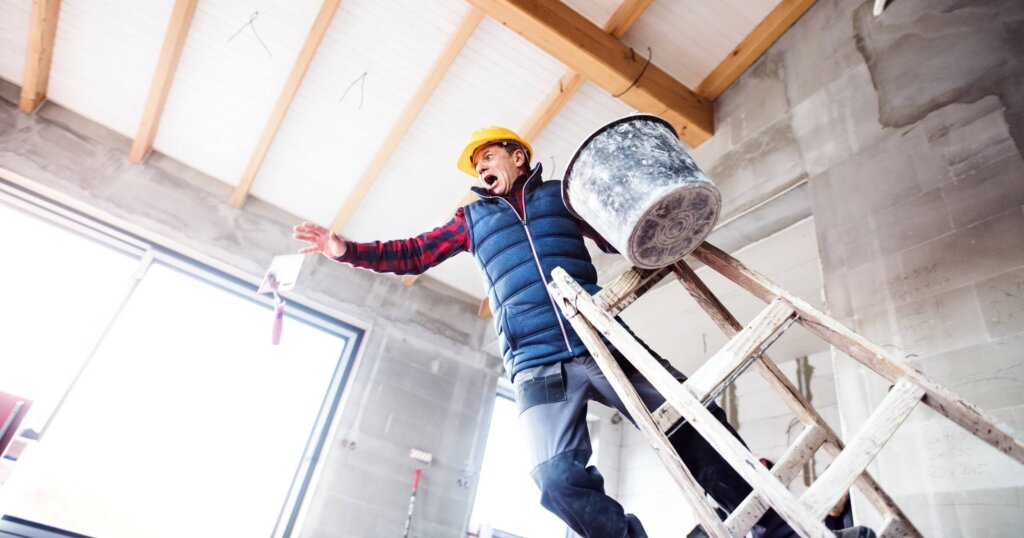
Falls remain at the top of the list of construction deaths. Most workers spend time at height at some point, and even routine work can become dangerous in a split second. Guardrails and harnesses are meant to reduce that risk, but tight timelines and complex jobs often get in the way of proper use.
Equipment-related and struck-by hazards
Heavy equipment and moving vehicles are part of everyday life on a jobsite, which also makes them a major source of serious incidents. Struck-by injuries often involve trucks, loaders, or equipment with limited visibility, while falling tools and materials can put workers below at risk. These incidents happen fast, which is why communication and awareness are just as important as physical barriers.
Electrocutions
Electrical hazards continue to cause severe injuries and deaths, often during tasks that seem routine. Drilling, trenching, or lifting materials near power lines can quickly become dangerous if hazards aren’t clearly identified. Busy sites and tight spaces leave little room for error, and even experienced crews can find themselves exposed when safety steps are skipped or rushed.
Caught-in or caught-between incidents
These incidents tend to be some of the most severe on a jobsite. They often involve trench collapses, moving equipment, or workers getting trapped between machinery and fixed structures. Trenching is especially dangerous because when a collapse happens, there is usually little to no warning. While recent enforcement and training have helped reduce fatalities, caught-in hazards are still a major concern because of how severe the outcomes tend to be.
Emerging hazards
Not all hazards are obvious. Issues like substance use, mental health, fatigue, and irregular work schedules can all raise risk on a jobsite. Fatigue is especially tough on crews working nights or rotating shifts. Over time, exposure to loud machinery without consistent protection also adds up, which is why hearing loss remains so common.
Jobsites are dealing with a few new pressures as well. Hotter, longer summers mean heat stress is becoming a real concern, particularly for outdoor crews. The weather is less predictable, too, and sudden storms, strong winds, or extreme cold can quickly change how a day’s work needs to be handled.
What’s improved in construction safety
Construction still has its challenges, but there is also some good news. The latest data shows that focused outreach, better training, and stronger awareness are starting to pay off on jobsites. The numbers aren’t perfect, but they do point to real progress in several key areas.
Here are a few improvements worth calling out:
- Fewer trench collapse fatalities: After several high-profile incidents, OSHA increased inspections and outreach, and many employers stepped up their training and trench protection efforts. Recent data suggests these combined actions are making a difference and saving lives.
- More stability around fall prevention: Falls remain the leading cause of death in construction, but the sharp increases seen in earlier years have started to slow. National stand downs, expanded training, and better access to properly fitting fall protection are helping. Ongoing conversations around PPE inequality are also pushing companies to think more carefully about fit and sizing for all workers.
- More attention on hazards beyond the obvious: Heat stress plans are becoming a regular part of jobsite planning, especially during long summer seasons. There is also more awareness around issues that used to get less attention. Hearing conservation programs, mental health resources, and support for stress and fatigue are showing up on more job sites. It is a sign that safety is being treated as something that affects workers over the long haul, not just when an incident happens.
- Smarter use of safety data and technology: Safety technology is appearing on more job sites, and it is changing how risks are identified. Digital tools such as sensors and wearables help crews monitor environmental conditions and near misses. That kind of information makes it easier to step in early rather than react after an incident.
When the industry invests in prevention, education, and technology, progress follows. The next step is keeping that momentum going and making sure these improvements reach every jobsite.
Critical construction safety report statistics to consider
Numbers don’t tell the whole story, but they do make it easier to see where the biggest risks really are. These construction safety statistics highlight the trends shaping jobsites in 2025 and help employers decide what to prioritize during their next construction safety meeting and throughout the year.
Fatalities
- Construction continues to account for nearly one in five worker fatalities in the United States each year.
- The fatal injury rate sits at around 10 deaths per 100,000 full-time workers, which is more than double the average across all industries.
- Falls remain the leading cause of death, responsible for about 36% of construction fatalities.
- Struck by incidents account for roughly 15% of worker deaths.
- Electrocutions make up about 7% of fatal cases.
- Caught in or caught between incidents adds another 5% to the total.
Injuries and illnesses
- Construction’s total recordable incident rate typically hovers around 2.3 cases per 100 workers, showing minimal movement in recent years.
- Each year, more than 70,000 construction workers experience injuries serious enough to require time away from work.
- Strains and sprains are the most common non-fatal injuries, making up over one-third of reported cases.
- Slips, trips, and falls account for roughly one quarter of non-fatal injuries.
Hazard-specific trends
- Heat-related injuries are rising in several regions, with national data showing dozens of heat-related deaths and thousands of non-fatal illnesses each year.
- Vehicle and equipment incidents remain a major concern, with struck by vehicle cases contributing to over 100 fatalities annually.
- Hearing loss remains one of the most common long-term health issues in construction. Research shows that more than half of workers experience some level of noise-related hearing damage over the course of their careers.
Workforce and environmental factors
- Fatigue plays a major role in jobsite incidents. Workers experiencing fatigue are far more likely to be involved in a safety event.
- Mental health is an increasingly important part of construction safety. The industry continues to have one of the highest suicide rates among all occupations, which is why many employers are expanding mental health support within safety programs.
- Substance use is also a growing concern, with surveys showing that more than 15% of construction workers report risky alcohol use.
- Weather conditions also factor into a lot of incidents. Extreme heat, cold temperatures, and severe storms can make work more dangerous and harder to manage, especially when equipment and worker focus are affected simultaneously.
What employers, contractors, and stakeholders should do in 2026 to improve safety
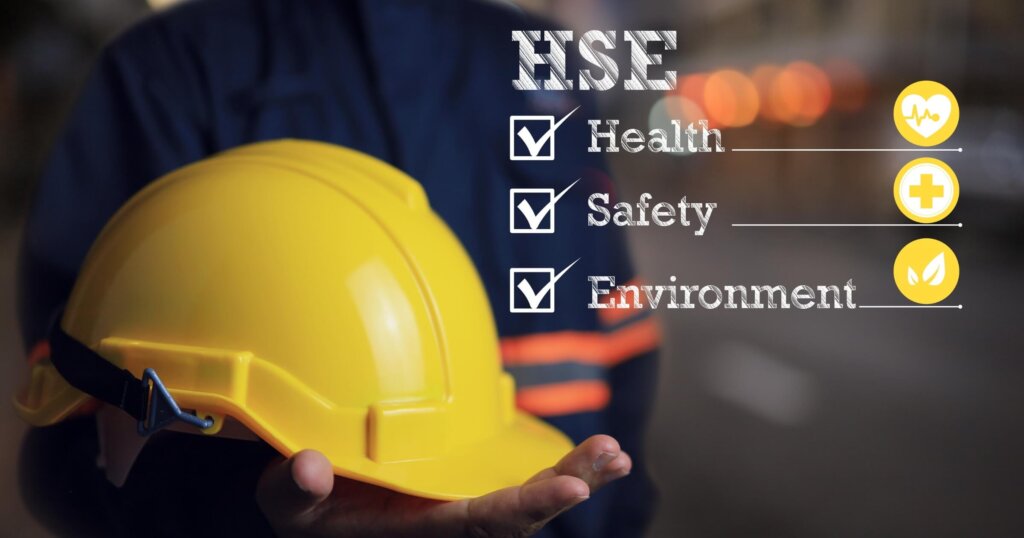
Looking at the trends for 2025, one thing stands out: the companies making the most progress are the ones that focus on the risks causing the most harm while also putting systems in place that support workers day to day. The strongest safety programs stay flexible, use data in practical ways, and adjust as jobsite conditions change.
1. Start with the hazards that matter most
Falls, struck by incidents, electrocutions, and caught-in or caught between hazards continue to drive the most serious outcomes. Addressing these risks means updating safety protocols to reflect what is actually happening on site and using real jobsite examples so crews can see how quickly things can go wrong. Reviewing these hazards during planning meetings and daily huddles can be especially helpful on busy sites with multiple trades working together.
2. Take heat stress seriously
Hot weather is no longer an occasional problem on site. Crews need easy access to water, regular breaks, and shade to recover. Shifting start times to beat the heat helps too. Some companies are experimenting with cooling PPE or simple monitoring tools, but even the best plan only works if it is reinforced day after day during hot stretches.
3. Keep an eye on long-term and chronic hazards
Issues like hearing loss, repetitive stress injuries, and chemical exposure often build up slowly over time. Climate-driven risks such as cold stress, sudden storms, and extreme heat also play a growing role. Regular evaluations help identify where exposures are increasing and what adjustments can reduce risk. A job hazard analysis is one of the most effective ways to break down tasks and choose controls that match the work being done.
4. Make safety culture bigger than physical hazards
More employers are recognizing that mental health, stress, and substance use can influence job performance and safety outcomes. Toolbox talks that address these topics in a supportive, non-judgmental way can open the door to important conversations. Peer support programs give workers a way to check in with each other, and supervisor training helps leaders spot early warning signs. Building this kind of culture doesn’t require complex programs. It starts with creating an environment where people feel comfortable speaking up.
5. Use safety data as an ongoing tool
One of the most effective changes companies can make is to review safety data regularly. Tracking injuries, illnesses, near misses, heat reports, and ergonomic concerns helps reveal patterns before they turn into serious incidents. Looking at safety data once a year usually isn’t enough. Jobs change, weather changes, and what worked last season might not work on the next site. Some companies use digital tools to track this stuff, but even basic notes and regular check-ins can help crews act faster when something starts to feel off.
The biggest difference is how safety is treated day-to-day. When it is part of how work gets done, and not just paperwork, teams tend to catch problems earlier and handle new risks more smoothly.
Final thoughts on construction safety report
Construction safety in 2025 comes with both good news and ongoing challenges. There are real signs of progress in areas like trench safety and fall prevention, but falls, equipment incidents, and electrocutions still cause the most serious harm on jobsites. At the same time, heat stress and mental health are assuming a greater role in safety planning as work conditions and workforce needs continue to evolve.
You can usually tell which companies are moving in the right direction. They pay attention to what the data is telling them, make adjustments when something is not working, and keep learning as projects change. Even small improvements can add up when they are communicated clearly and used every day on site. Staying informed and engaged is one of the strongest tools safety leaders have, and every new insight helps move the industry toward safer, healthier jobsites.
If you want more practical updates and insights like this, subscribe to our newsletter and stay up to date on the latest construction safety trends.