
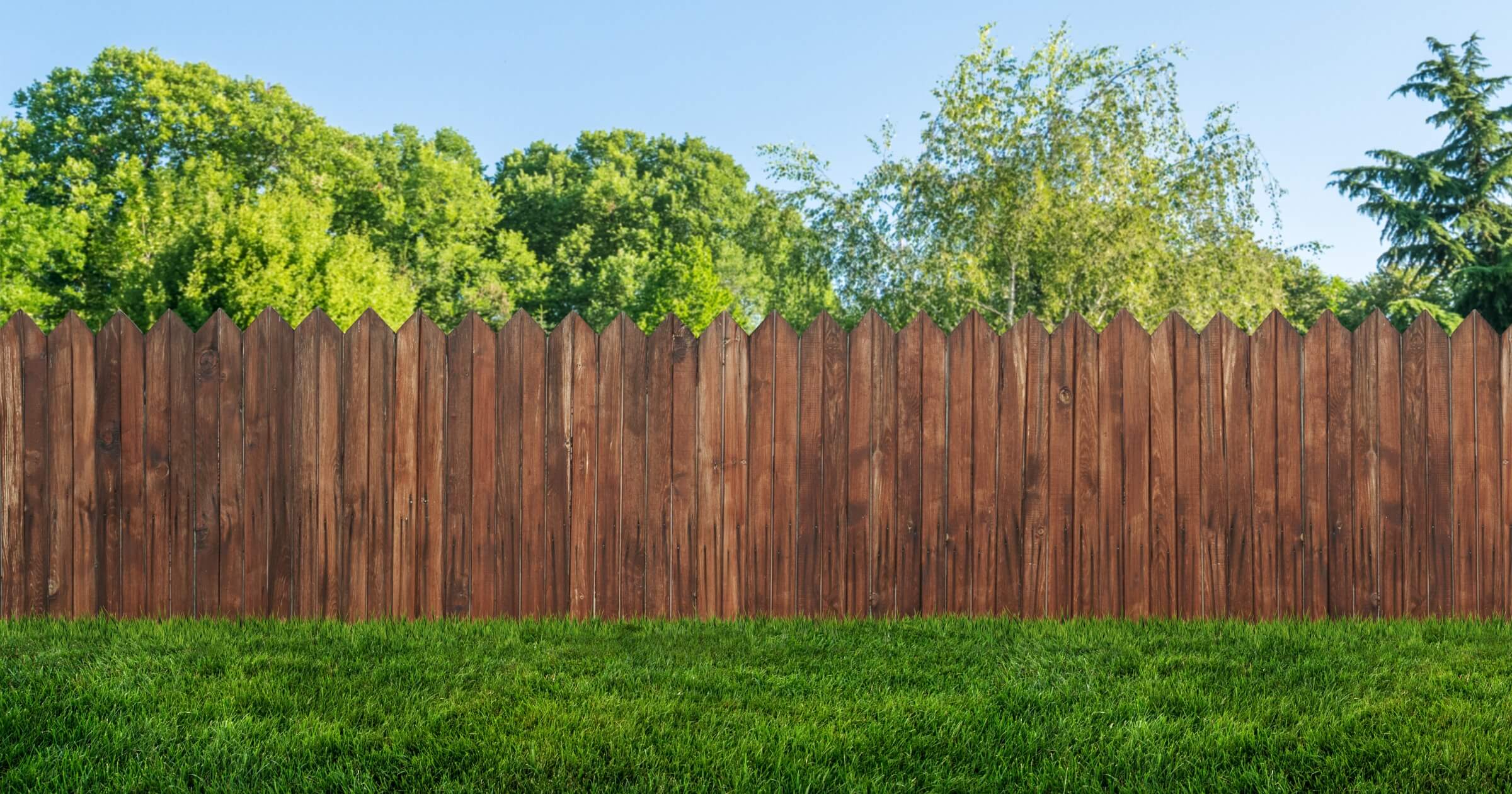
How much does it cost to build a fence in your backyard? Well, that depends a lot on your fence’s size, the materials you choose, where you live, and whether you build it yourself or hire someone. Knowing what variables affect the cost will help you set a realistic budget. This article will help you estimate a price range for building a fence in your backyard, especially a wooden fence, by walking you through typical costs, factors that affect those costs, whether DIY is a viable option, and providing some real-world examples.
Quick look
- In the United States, the average cost to build a fence ranges from $1,000 to $15,000, while in Canada it typically falls between CAD $1,500 and $20,000.
- A wooden fence usually costs $20 to $50 per linear foot installed, with pine on the lower end and cedar or board-on-board styles on the higher end.
- Labor often makes up 40 to 60 percent of the total project cost, which can significantly raise the final price for larger builds.
- A basic pine fence for a backyard can cost between $1,500 and $2,500, while a premium cedar or redwood fence of the same size may run $6,000 to $9,000.
- Your final price will depend on the size of your yard, the type of wood you choose, and whether you hire help or do the work yourself.
Average cost to build a fence in your backyard
Here’s a rough cost range:
- United States: Based on HomeGuide’s 2025 averages, wood fence installation costs typically fall between $20–$50 per linear foot, which works out to about $2,000–$5,000 for 100 feet and can reach $15,000+ for larger or higher-end projects.
- Canada: CityWide Fence & Decks notes that the typical wood fence installation in Canada costs approximately $17.85–$37 per linear foot, placing small projects in the $1,500–$4,000 range and large/high-end builds at $20,000 or more.
A small fence (e.g., 50–100 linear feet, basic materials, modest height) will land near the low end. Larger fences, premium wood, gates, rugged terrain, or high height push into the higher range.
| Tier | US estimate | Canada estimate |
| Low | USD $1,000 – $3,000 — small yard, basic materials, DIY or minimal labor | CAD $1,500 – $4,000 — similar size, simple wood fence, minimal labor |
| Mid | USD $3,000 – $8,000 — standard wood privacy fence, 100-200 ft, moderate quality wood, contractor | CAD $5,000 – $12,000 — same sort of build, maybe cedar or better wood, contractor rates included |
| High | USD ‘[‘$8,000 – $15,000+ — large perimeter, high-end wood (redwood, exotic hardwood), custom design, gates, slope or special terrain, premium labor | CAD $12,000 – $20,000+ — premium wood, large spans, multiple gates, custom features, possibly high permit or site prep costs |
Key factors affecting the cost of a fence in your backyard
Size
The length and height of the fence are among the biggest cost drivers. If you double the linear feet of fence, you double the cost of materials and labor, though you may get small savings on bulk ordering or labor mobilization. Height matters, too. A 4-foot-tall fence costs less than a 6- or 8-foot privacy fence because it requires less wood, shorter posts, and a less robust structure. Also, longer fences may expose more variability in terrain (slope, obstacles), which increases cost. If your fence requires frequent corners or gates, that tends to increase the price per foot as well, due to the extra posts and framing required.
Materials
What you build your fence with makes a big difference. The cost to build a wooden fence depends primarily on the type, grade, and treatment of the wood. Here’s a breakdown of common materials:
| Material | Pros | Cons |
| Pressure-treated pine | Lowest cost wood material; widely available; decent lifespan if treated; works with many styles | Needs regular maintenance; more prone to warping, rot, and insect damage than premium woods; appearance is less premium |
| Cedar (including Western red cedar) | Natural resistance to rot/insects; better appearance; holds stain well; longer lifespan than basic pine | Higher upfront cost; wood may still degrade unless sealed; color may fade over time; premium cedar is harder to source in some regions |
| Redwood or exotic hardwoods | Very durable; beautiful grain/color; longer lifespan; high aesthetic value | Expensive material cost; more expensive shipping or sourcing; heavier, harder to work with; finish/maintenance still needed |
| Composite or mixed-wood/plastic products | Low maintenance; rot- and insect-resistant; often more uniform in appearance | Very high upfront cost; may look less “natural” wood; potential for fading or other weather effects; limited customizability sometimes |
Complexity
If your fence consists of standard panels, straight lines, and no special features, the cost remains lower. Custom design features, such as decorative top caps, horizontal slats, lattice, shadowbox styles, or alternating boards, require more labor and skilled carpentry. Gates (single or double), automation (if applicable), and special hardware all contribute to the cost. Terrain plays a role: if there are slopes, trees, or boulders to work around, or if you need to level the ground, the complexity increases. Finishing details (staining, paint, trim, posts) add cost.
Labor
DIY saves money on labor, which is usually the biggest expense. If you build a fence yourself, you buy the materials, supply the tools, and do the work. However, mistakes can be costly in terms of time or money; safety and structural integrity are crucial (posts must be set deeply and properly anchored). Hiring a contractor incurs additional costs for their time, tools, insurance, transportation, and finishing work. Labor rates vary widely by region, contractor reputation, and the contractor’s workload. For wood, labor costs can range from $5 to $20 per linear foot in the U.S., depending on the project’s height and complexity.
Location
Where you live can significantly impact the cost; urban areas or remote regions often have higher labor or delivery fees. Region-specific wood supply affects material cost. In cold climates, wood may require different treatment; in wet climates, rot-resistant wood or preservatives are more expensive. Shipping costs for materials like redwood or hardwood can be high if they are not local. Additionally, building codes and permit requirements vary by municipality, which can lead to increased costs. Canadian provinces often have higher material or shipping costs for wood compared to many U.S. states, plus colder freeze lines may require deeper footings.
Permits
Many places require permits for fences that exceed certain heights or are located near property lines. Permit fees vary; some small towns have modest fees (e.g., USD $50-$150), while others charge more. Inspections may be required. If you have a homeowners’ association (HOA), design approval or material restrictions may require changes or upgrades, which can add to the cost. Sometimes a land survey is needed to establish property lines, which adds cost (hundreds of dollars).
Other factors
Here are a few more considerations that can affect cost:
- Site preparation: Clearing brush, removing old fences, grading, and dealing with rocky soil or roots make labor more difficult. Those increase the cost.
- Gate(s) and hardware: A simple walk gate is cheaper; a large driveway gate, or one with special hinges, automation, locking mechanisms, and decorative hardware, adds extra cost.
- Finishing/maintenance costs: Staining, painting, sealing after install; weatherproofing; treating for pests; upkeep over time. These are not typically included in the installation quote, but they are essential for long-term budgeting and planning.
DIY vs. hiring a professional to build a fence in your backyard
Here are the pros and cons of doing it yourself versus hiring a pro:
| Option | Pros | Cons |
| DIY | Lower upfront cost (you save on labor); control over materials and schedule; possible learning/skill gains; some satisfaction in doing the work yourself | Requires time, tools, and physical labor; mistakes can cost more; may take longer; risk of improper things (foundation, alignment) if not experienced; safety issues |
| Professional (contractor) | Faster completion; better quality and durability (if good contractor); handles permits, inspections, technical issues; better tools or crew; less stress on homeowner | Higher cost (labor, premium materials, mark-ups); scheduling conflicts; less control over some details; needing to vet contractors to avoid poor work or overcharging |
Many homeowners choose a hybrid approach: they might perform the demolition of the old fence and site preparation, then hire professionals for post setting and finishing work, or DIY building with professionally installed gates or hardware.
Basic vs. high-end fence examples
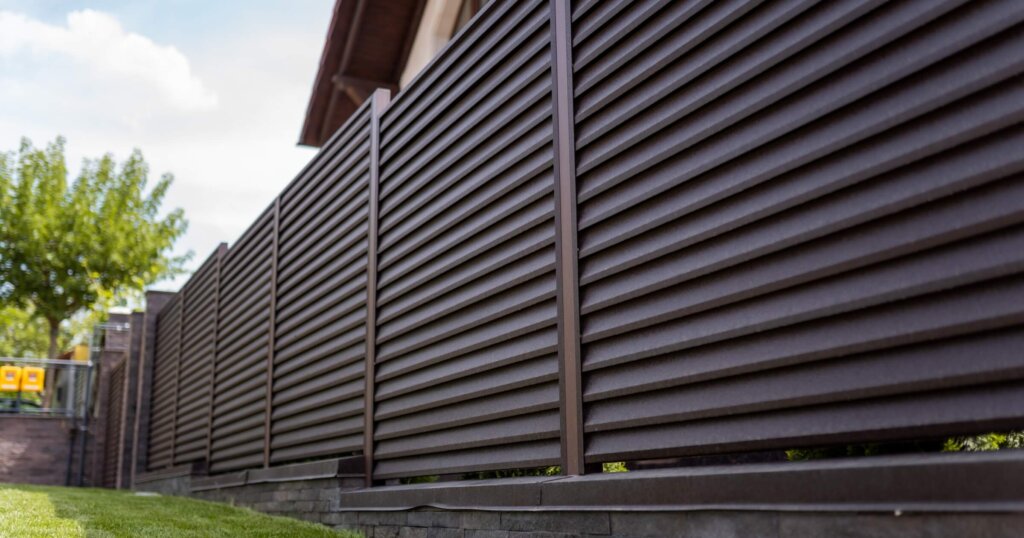
Photo courtesy of Shutterstock.
Knowing how much it costs to build a wooden fence is easier with real examples. These cases highlight how pricing shifts with design, wood type, and project scale.
- According to Raleigh Realty, a simple wood fence built with pine costs approximately $10 to $18 per linear foot for installation; for a 100-foot stretch, that works out to around $1,000 to $1,800.
- From Cool Cat Fence, using western red cedar or redwood (tropical hardwood or high-quality cedar boards), prices jump to $5-$10+ per linear foot just for materials; installed costs for premium wood fences with better durability and appearance push toward $30-$55 per linear foot in regions like Seattle or Portland.
- In Fort Worth, Texas, homeowners typically pay $30 to $60 per linear foot for the installation of a 6-foot wooden privacy fence. Lower-end pine styles usually start at around $20-$30 per foot, while higher-end cedar or board-on-board styles range from $50-$60 per foot.
- According to HomeGuide, a typical wood fence costs $20 to $50 per linear foot, installed, depending on the size, height, and type of wood. A 100-foot wooden privacy fence can cost between $2,000 and $5,000.
- In Canada, wood fences cost approximately CAD $17.85 to $37 per linear foot, installed, depending on the quality of the wood and labor.
Things to consider for pricing variations
When budgeting, remember:
- Material and labor costs vary a lot by region. What you pay for wood or a contractor’s hourly rate in one state or province may be quite different in another.
- Local codes, permit fees, and HOA rules may require the use of specific materials, styles, colors, maximum heights, spacing, and post depths. That may force more expensive options.
- For realistic estimates, get several quotes from local contractors and/or suppliers. Use material-quantity estimators (such as linear feet or number of posts and gates) to price out materials yourself.
- Consider whether you’ll build it yourself or hire someone. Even if you hire someone, doing parts of the job yourself (such as site preparation and staining) may save costs.
- Think long term: maintenance costs (sealing, staining), durability (wood type, treatment), and repair costs down the road.
Final thoughts
Determining how much it costs to build a fence takes more than just multiplying materials. Size, design, wood quality, labor, site conditions, and permits all play significant roles in determining the final number. If you plan carefully, compare local prices, and decide which trade-offs you’re willing to make, you can avoid surprises.
If you’d like to read more about building, renovating, or choosing materials or tools for backyard work, check out these related articles:
- 14 must-watch home renovation shows to inspire your next DIY project
- Cost to build a swimming pool
- Backyard sauna cost
- Eco-friendly home improvements
Like this and want more content like it? Subscribe to our newsletter at Under the Hard Hat so you get tips, builds, and cost guides in your inbox.