

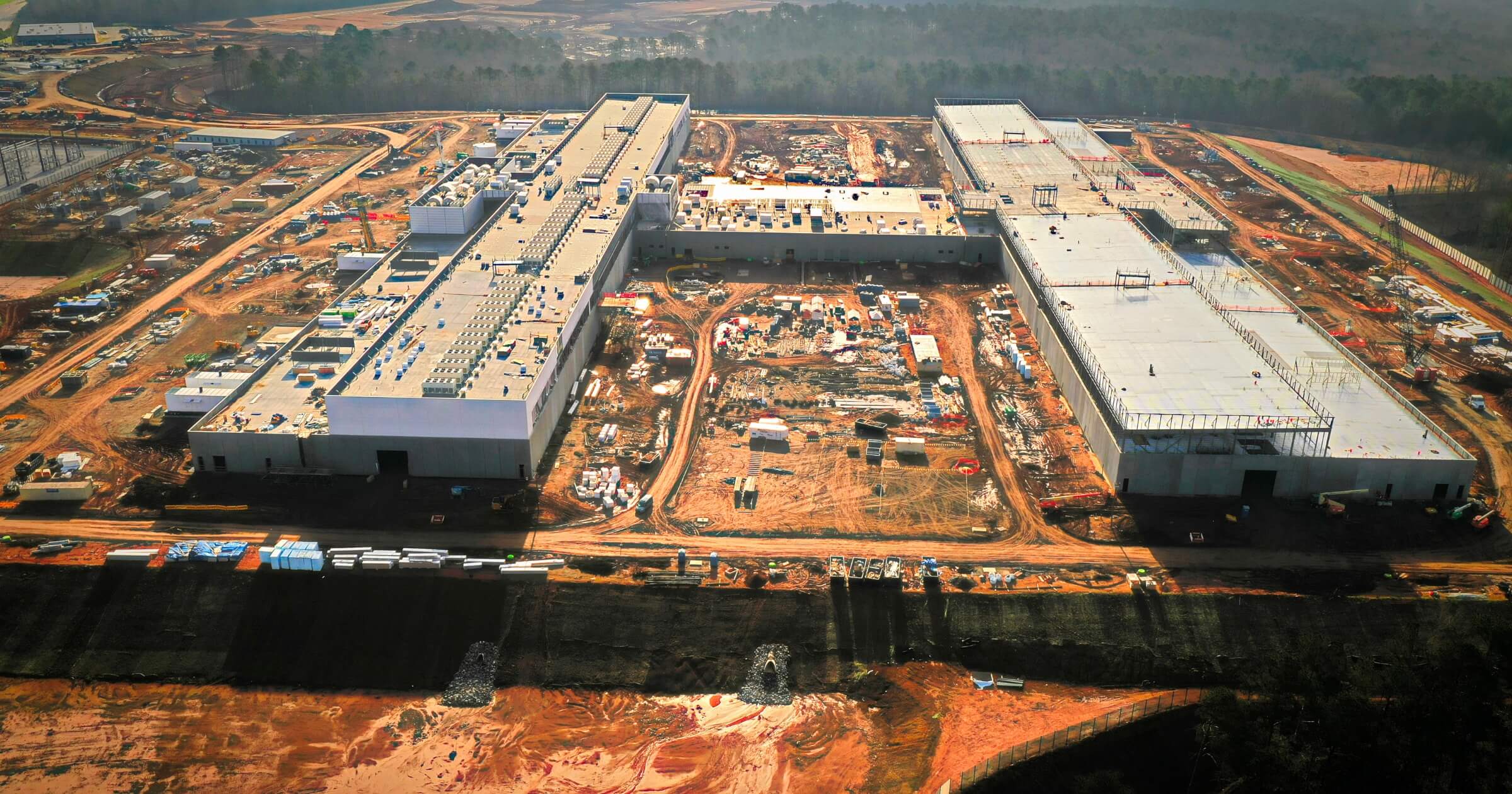
U.S. data center construction spending reached an all-time high of approximately $40 billion per year as of June 2025. That is up roughly 30% compared to a year earlier. Big cloud and AI companies, such as Microsoft, Amazon, and Alphabet, are leading this surge due to the increasing demand for machine learning, AI, and cloud infrastructure to keep pace.
Why spending is exploding
The main drivers are AI, machine learning, and cloud computing. As AI models become increasingly complex and data volumes continue to grow, companies must develop more robust infrastructure. Hyperscalers, companies that provide massive cloud and computing services, are investing heavily in new data centers or expanding existing ones to keep pace with demand.
A recent report from the Bank of America Institute indicates that U.S. data center construction increased by 30% year-over-year in June 2025. “Hyperscalers are a big part of the increased demand for power, but they’re not the whole picture,” said Bank of America Institute economist Liz Everett Krisberg in the report. “In fact, most of the expected rise in U.S. electricity demand through 2030 is coming from things like electric vehicles (EVs), heating, industrial reshoring, and electrifying buildings.”
The $40 billion in annual spending is now the highest ever recorded for U.S. data center construction. Major tech firms, including Microsoft, Amazon, and Alphabet, are providing a significant portion of this funding. Their need for more computing power to train and run artificial intelligence models is pushing builders to expand capacity at an incredible pace.
Much of the spending is tied to making sure data centers can actually operate at scale. Builders need to line up steady electricity, add powerful cooling systems, and secure large tracts of land. Local utilities are already feeling the strain as they work to provide enough power for these facilities.
In July 2025 alone, data center construction starts reached $14 billion, underscoring the rapid pace of this growth. That is a huge leap from just $682 million in July 2024. Looking at the year so far, construction starts have already climbed to nearly $26.9 billion, which is almost three times higher than during the same period last year.
Many of these projects are referred to as “megaprojects” due to their massive scale. They require huge amounts of power, complex infrastructure, and long-term planning to bring online. States such as Louisiana, Texas, and Virginia are leading the pack. These areas are attractive to developers because they offer available land, strong regulatory support, and the kind of power infrastructure needed to run today’s large-scale data centers.
Impacts and challenges
This boom is fueling faster innovation and better performance in cloud services and AI applications. More data centers mean quicker AI training, larger storage capacity, and smoother digital experiences for businesses and consumers alike.
At the same time, the rapid pace of building isn’t without its challenges. Energy demand is rising quickly, with each new facility requiring massive amounts of power and cooling. This can put a heavy strain on local electric grids. Costs are also climbing; on average, it now takes about $200 to $220 million to construct a single facility, and larger projects with greater complexity drive that figure even higher.
Finding the right sites has also become more difficult. Developers are competing for limited locations that offer strong grid support, enough land, and favorable regulations. These factors make building data centers more complicated, even as demand continues to accelerate.
U.S. data center construction spending has reached a new peak, driven by unrelenting demand for AI, machine learning, and cloud infrastructure. Spending is likely to continue rising as hyperscalers push to expand their capacity. States with energy, land, and regulatory advantages will undoubtedly lead the way.
Want to stay ahead of the curve? Subscribe to our newsletter for more updates on data center trends, tech infrastructure, and what the future holds.


1 comment