
Many of us spend a lot of time on screens, especially people working in busy jobs like construction. Phones, tablets, and computers follow us from morning to night, and it can feel like we never get a real break. All that screen time adds stress and hurts our sleep, so it helps to understand how screens affect your brain and how a digital detox can help you feel more in control.
Quick look
- Screen overload is silently driving stress, burnout, and poor sleep, especially in high-stress jobs like construction.
- A digital detox gives your brain a break and can help you feel calmer, sleep better, and think more clearly.
- Small tweaks, like shutting down screens before bed or turning off extra alerts, can make a real difference.
- Setting device-free spots at home and building healthy habits, such as better sleep routines or calming supports, can help your body recover.
How screens create stress in modern life
Screens show up in almost every part of the workday now. For many people in busy jobs, including construction, the phone or laptop keeps buzzing even after work is done. It can feel like you have to keep checking it, which makes it harder to relax.
All those little pings and messages add up. Each alert asks your brain to switch tasks for a second, and that constant switching wears you out. This is called cognitive overload, and studies show that too much multitasking can raise stress and make it harder to focus.
Social media adds another layer. Many platforms are designed to keep people scrolling by using features like endless feeds and surprise notifications. These features tap into the brain’s reward system, making it hard to stop and leading to higher stress and emotional fatigue.
For workers in high-stress or long-hour jobs, this digital pull can feel even heavier. After a long day, the mind needs time to recover. When screens take up that recovery time, it becomes harder to rest, sleep well, and feel ready for the next day.
The evidence linking screen time to stress and burnout
It’s no secret that spending a lot of time on screens can raise stress and push people closer to burnout. When someone is on a phone or computer for long stretches, they often experience burnout and have a harder time dealing with everyday problems. Screen time can also affect mood, and high use has been linked to more anxiety, irritability, and mental fatigue.
Sleep is another major concern. Looking at screens late at night can disrupt your circadian rhythm, which controls your sleep cycle. Blue light from phones and tablets makes it harder for your brain to wind down, which leads to lighter sleep and less recovery. Screen use within just one hour of bedtime increases the risk of poor sleep, and as we know, poor sleep quality can also raise your chances of burnout and long-term health problems.
Digital overload can increase mistakes and slow reaction time. When your brain is juggling too much information at once, it becomes harder to focus, stay organized, and feel satisfied with your work. For workers in high-stress jobs, like construction and the trades, digital burnout adds to an already demanding workday.
Why screen stress is different from old-school stressors

Stress isn’t a recent phenomenon. Deadlines, long hours, and physical workloads have always been part of many jobs, especially in construction and other hands-on fields. These older stressors were tough, but they usually had a clear beginning and end. When the tools were put away, the workday was over.
Screen stress works in a very different way. Modern devices don’t have a natural off switch. Phones and tablets follow us from room to room and even into bed. This keeps the brain alert at times when it should be resting.
Screens also deliver tiny bursts of pressure throughout the day. Notifications, pings, and alerts act like micro-stressors. Each one may feel small, but together they add up. They keep the mind jumping from one thing to another, which makes it harder to stay calm and focused.
Social media can make things even harder. It is easy to start comparing your life to what you see online or feel worried about missing out. Many people also get stuck scrolling through upsetting news. These habits can raise stress, and most of the time, we don’t even notice it.
There are physical effects, too. Heavy screen use can reduce attention, weaken memory, and increase cognitive overload. When the brain has too much to process, it becomes harder to think clearly, solve problems, or switch tasks with ease.
All of this makes screen stress different from older forms of stress. It builds up slowly and quietly. It also hits many parts of the brain at once. Because of this layered, invisible pressure, screen stress can grow faster and feel harder to escape from if we don’t set healthy limits.
The case for a digital detox
A digital detox is a simple way to give your brain a break from constant screen time. It means taking a planned pause from phones, computers, or social media so your mind can rest and reset. It doesn’t mean giving up technology forever. It is about using your screens on purpose instead of out of habit.
The benefits of a digital detox
Even small breaks from screens can help your body and mind feel better. Cutting social media time by just 30 minutes a day can improve mood and lower stress.
Some of the most common benefits include:
- Your sleep quality can improve
- You may feel calmer and less anxious
- It gets easier to pay attention and stay focused
- Your face-to-face connections may feel stronger
- Your risk of burnout may drop
- You may recover faster after long or stressful days
- You get a clearer picture of how screens affect your mood
Many people also pair a digital reset with healthy routines, such as calming teas or herbal support. A detox can also help your sleep routine by reducing nighttime anxiety. Remember, a digital detox doesn’t have to be huge or complicated. Even small steps can give your brain the break it needs to feel clearer, calmer, and more focused.
How to design your screen-stress reduction plan
A screen detox works best when you follow a simple plan. These steps can help you build healthy habits without feeling overwhelmed.
Audit your screen use
Take a moment to notice how you use your phone or tablet. Look at how much time you spend on it, the apps you use most, and how you feel when you are done. This can help you see which habits are adding to your stress.
Set clear boundaries
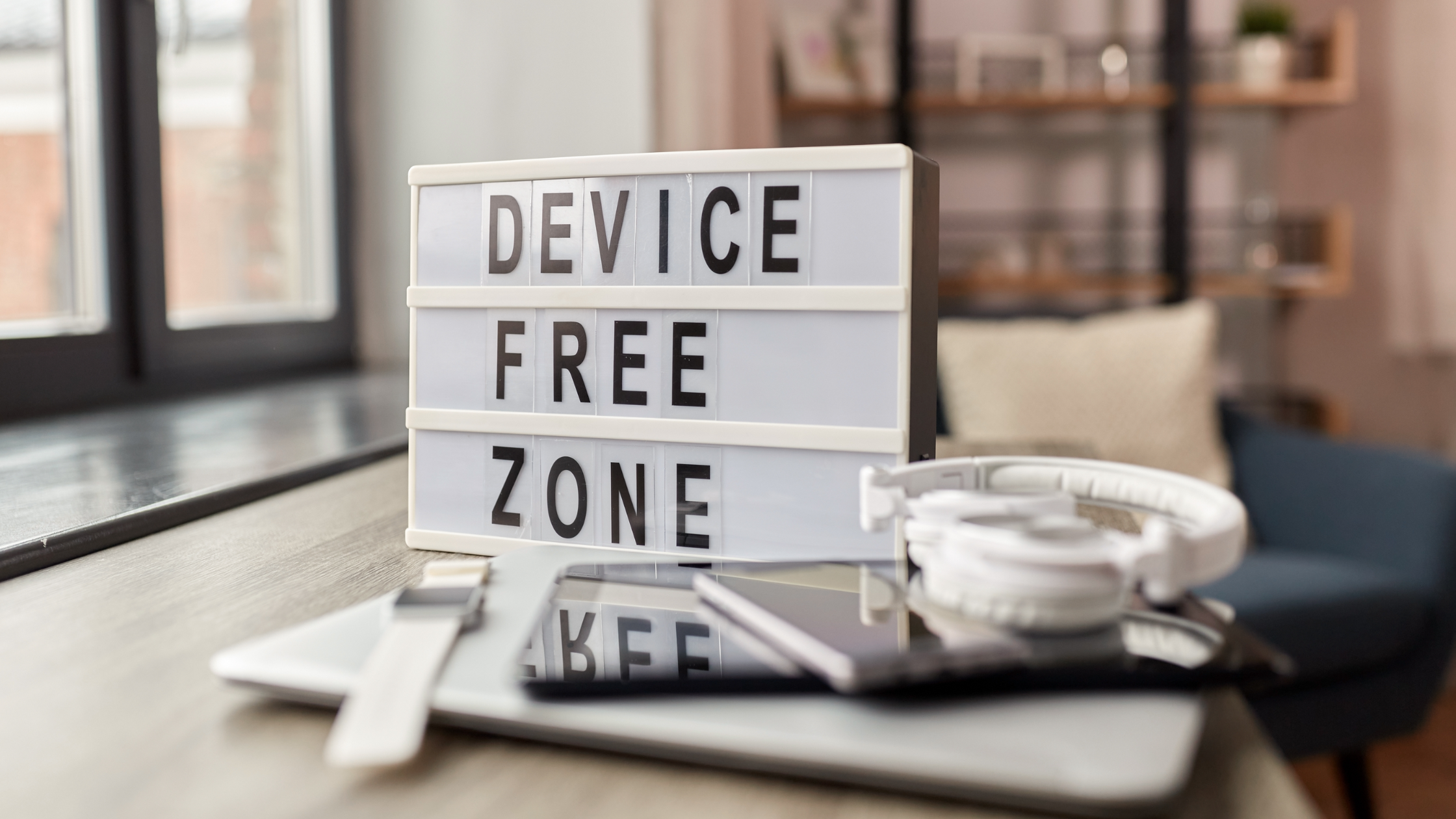
Create device-free zones in places where you want to relax. Good spots include the bedroom, the dining table, or the break room at work. Try scheduling screen-free windows, too. Many people avoid screens for the first 30 minutes in the morning and the last 60 minutes before bed. You can also limit notifications. Instead of checking messages all day, try checking them in small batches.
Switch to intentional use
Try swapping mindless scrolling for something that helps you slow down. You can read for a few minutes, take a walk, stretch, or chat with someone face-to-face. Even a short break from your phone can help your brain relax.
Optimize for sleep
You may sleep better when you put your screens away earlier in the evening. Try shutting off your phone or tablet about an hour before bed. If you do need to use a device, turn on night mode to soften the light. Keeping your phone in another room can also help you fall asleep more easily and wake up feeling more refreshed. If you need an alarm, consider buying a conventional alarm clock.
Maintain real recovery habits
Give yourself real breaks during the day. Step away from your phone and let your mind reset. Spend time outdoors, move your body, or pick up an offline hobby like cooking, drawing, or fixing something around the house.
Scale gradually
You don’t have to do a total reset. Just make a small cut in your screen use at first, and see what happens. Watch how your mood and sleep shift. When you notice little wins, you’ll be more likely to stick with it.
Final thoughts
Screens play a big role in our day, and they can easily add stress without us noticing. Many of us bring our phones from the jobsite to the dinner table and even into bed, which makes it harder for the mind to slow down. The good news is that a few small changes can help. A digital detox is not about giving up technology. It is about setting limits so your mind and body can recharge.
By creating better boundaries and more intentional habits, you can lower stress, sleep better, and feel more focused during the day.
Want more tips on managing stress and protecting your well-being? Subscribe to our newsletter for weekly insights, resources, and healthy work habits.