
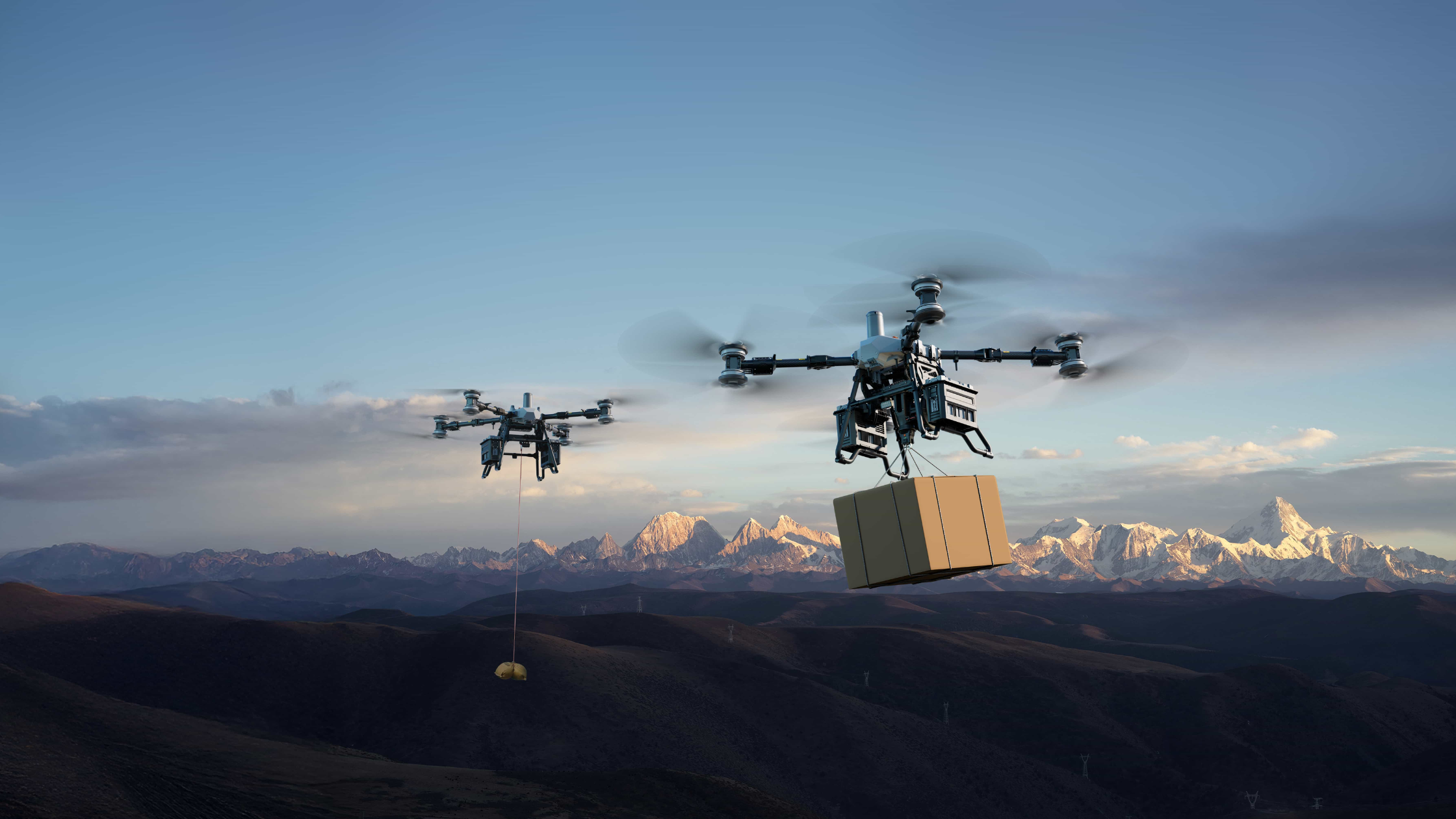
The DJI FlyCart 100 makes a leap forward in the field of aerial delivery, and it’s a real game-changer for commercial operations. Its 100kg payload capacity is being tested in real-world conditions, not just in lab trials or controlled demos. This drone is designed to get to work for companies that need to move heavy equipment quickly. We’re talking construction sites, utility crews, and industrial operations that can’t get ground access. The DJI FlyCart 100 combines the ability to lift heavy loads and fly long distances with built-in redundancies to ensure safety. All of this makes it a lifesaver in places where the terrain is tough and the weather is against you—and bottlenecks are slowing you down to a crawl.
What is the DJI FlyCart 100?
The DJI FlyCart 100 is a heavy-lift cargo drone designed for short- to mid-range aerial delivery runs. It can do two things: take heavy items in a sealed box or lower them with a winch if you can’t land. This drone is designed for businesses that regularly haul heavy loads, including construction, power utilities, emergency response teams, and logistics firms operating in remote areas.
DJI states that this system is focused on safety and reliability. They’ve paired the drone with powerful motors, redundant batteries, and flight control systems, so whatever happens, it should keep flying. Not that you could just buy this drone off the shelf—the DJI FlyCart 100 is designed with pros in mind, not weekend warriors.
The DJI FlyCart 100 has a max takeoff weight of 170 kg and can carry a whopping 100 kilograms of payload, which is the most it can handle. On a full battery with nothing on board, it has a range of around 26 km, but load it up, and you’re down to 6 km (single battery) or 12 km (two batteries).
Impressive features of the DJI FlyCart 100
Payload capacity is the biggest draw, and for good reason. DJI lists a maximum load of 100 kg, but only under very specific conditions, which puts the FlyCart well ahead of the average enterprise drone. This capacity is a real game-changer, enabling it to carry a wide range of items that would typically require either a ground crew or a helicopter—we’re talking power tools, construction materials, medical supplies, and even spare parts.
The engineering that goes into the FlyCart is every bit as impressive. They’ve opted for the coaxial multi-rotor layout, which helps maintain control if a motor fails. Then there’s the winch system, which lets you deliver from height, reducing the hassle of landing and clearing space—a real benefit on sites like steep hills or rooftops. But what really stands out is the obstacle-sensing and emergency-release features that DJI’s built in to keep the load from swinging wildly and to deal with any unexpected events that might come up.
Why it matters
For construction teams, the DJI FlyCart 100 is a solution to a long-standing problem: moving heavy equipment to remote sites that are nearly impossible to reach by truck, crane, or even on foot. Think isolated infrastructure projects, mountain building sites, transmission line installations, or disaster zones—anywhere you need to move gear on a hard-to-reach construction site. This small drone is designed to carry significant weight, reducing the time workers spend in harm’s way, shortening transport times, and reducing the need for temporary access roads.
At the same time, it’s a pretty clear indication of where we’re headed with enterprise drone tech, rather than getting bogged down in regulatory issues or debates over DJI drone bans—companies are actually pushing the limits on what their drones can do.
FlyCart is just one more piece of the puzzle as drones move beyond photography into a range of material-handling and logistics tasks. It builds on the surveying and photogrammetry work drones have been performing for some time, and it extends that role across a broader range of construction contexts.
As more companies adopt drone use in this way, systems like DJI FlyCart 100 could completely change how construction crews plan access, logistics, and safety on complex projects.
If you want to stay current on how technologies like this are changing construction and engineering workflows, you can subscribe to the Under the Hard Hat newsletter for the best up-to-date coverage.