
If you’re shopping for a new skid steer in 2026, you want machines that work hard without drama. From Bobcats with major muscle to lightweight options from Kubota and Gehl, there’s a lot to get excited about this year for contractors, landscapers, and people with rental fleets. Two of the models getting a lot of attention right now are the Bobcat S86 for when you need to lift a lot, and the Caterpillar 272 for when you just need something with a bit more power and control. This guide breaks down what makes each skid steer worth considering, with details on specs, features, and which one suits each job.
Top 10 skid steers coming in 2026
1. Bobcat: S86
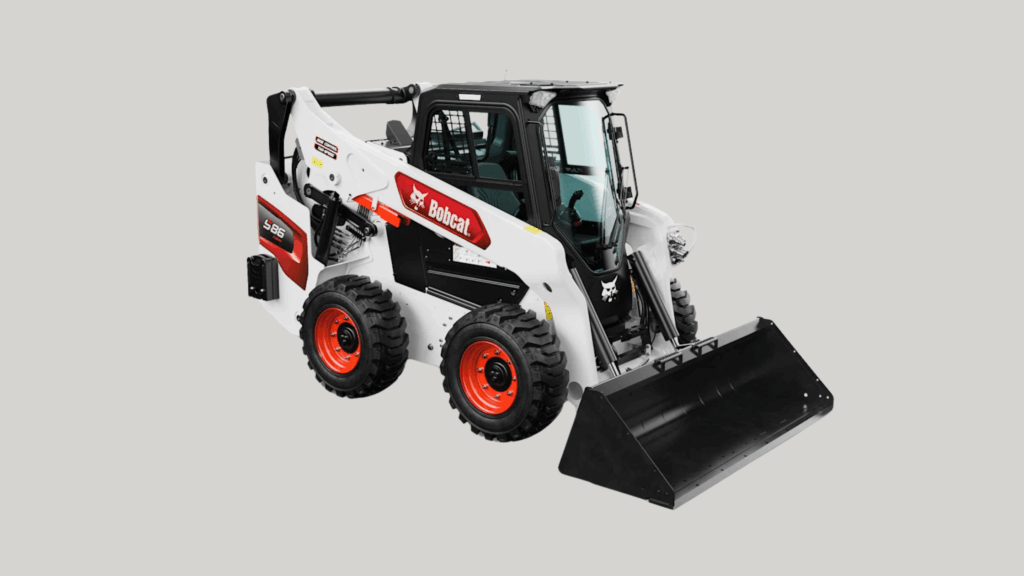
Key features
- 110 hp diesel engine
- Rated operating capacity 3,400 lbs
- Auxiliary hydraulic flows up to 42 gpm with Super Flow option
- Spacious and ergonomic cab with standard joystick control and optional air-ride seat
- Two-speed travel option increases cycle times across bigger sites
- Robust hydraulic system
- High tipping load and heavy-duty frame
Bobcat has long been a skid-steer leader, offering models ranging from 1,800-lb units to heavy-duty machines like the Bobcat S86. Contractors value the brand’s wide capacity range, strong dealer network, familiar controls, and solid resale value.
The S86 stands out for 2026 with a 110-hp engine, 3,400-lb operating capacity, and optional Super Flow hydraulics—ideal for high-demand attachments. Add a comfortable cab and solid travel speeds, and it’s built for serious, all-day productivity.
2. Caterpillar: 272D3 XE
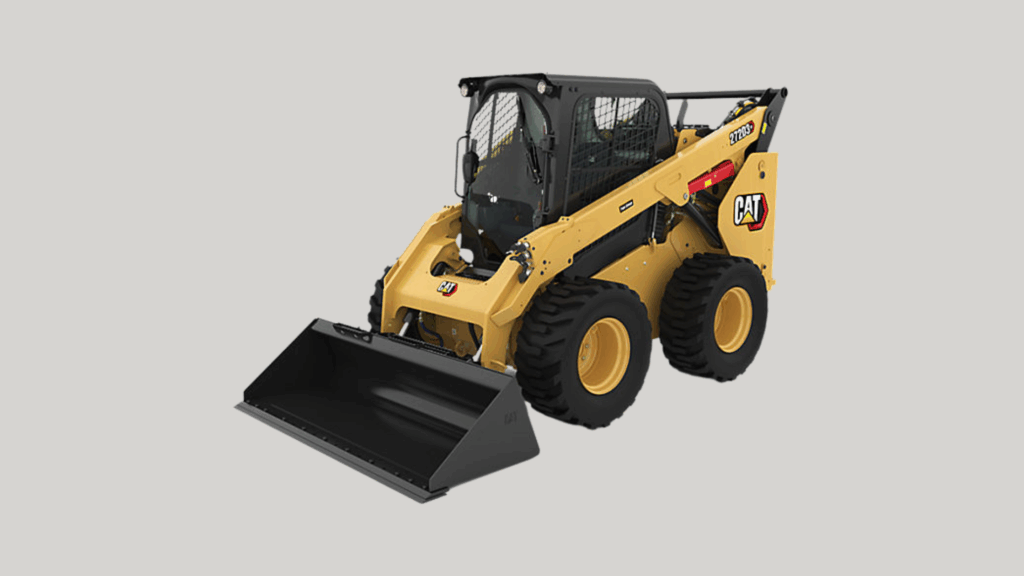
Key features
- 110 hp Cat C3.8 turbocharged engine
- Rated operating capacity 3,700 lbs
- High-flow hydraulics for attachments requiring extra power
- Breakout forces of 7,300+ lbs for digging and grading work
- Comfortable, sealed, and pressurized cab
- Two-speed travel with ride control
- Smart technology support
Caterpillar is known for durable machines and a nationwide dealer network that makes parts and service easy to access. Its D3 skid steer lineup—including XE variants—covers everything from grading to heavy material handling, with strong resale value and familiar performance under load.
The Caterpillar 272D3 XE delivers 110 hp, a 3,700-lb rated operating capacity, and over 7,300 lbs of breakout force. Nearly 40 gpm of high-flow hydraulics powers demanding attachments, while a sealed cab, rearview camera, and ride control improve comfort and safety on long shifts.
3. John Deere: 316GR
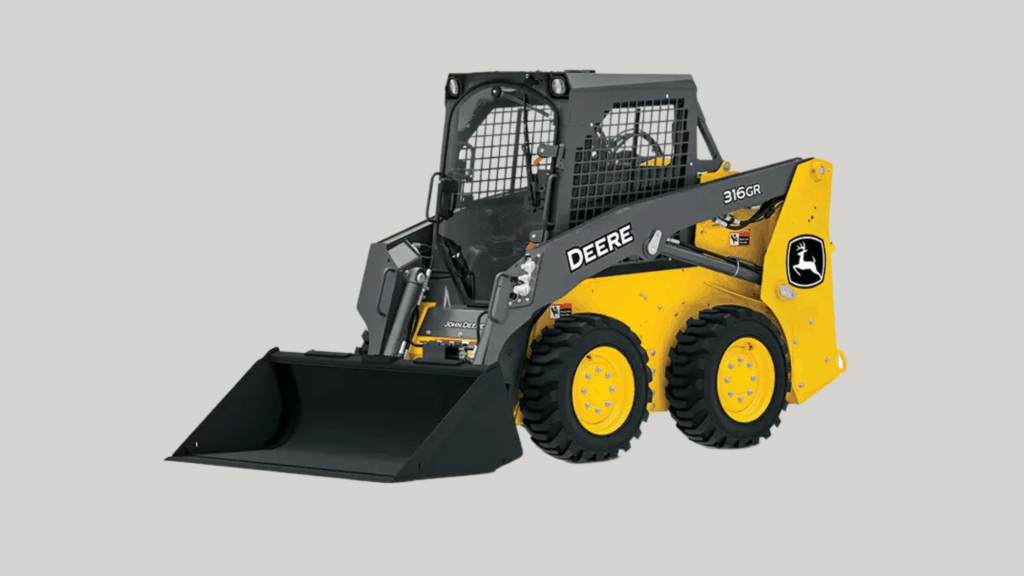
Key features
- 61 gross hp Yanmar diesel engine
- Rated operating capacity of 1,750 lbs
- Vertical lift design
- Auxiliary hydraulics around 16–17 gpm
- Compact frame for tight access
- Sealed and pressurized cab option
- Mechanical quick-attach system
The 316GR is a mid-size skid steer, making it a good fit for general contractors, landscapers, and smaller crews handling site prep, material movement, and light grading. Its vertical lift path helps with truck loading and stacking materials, giving it better reach at full height than a radial lift machine in this size range.
With a rated operating capacity of 1,750 pounds, it’s not meant for extreme demolition or high-flow specialty attachments. It’s built for everyday work—moving dirt, backfilling trenches, clearing debris, spreading gravel, and handling standard attachments like buckets, forks, and augers. Hydraulic flow in the mid-teens supports common attachments without overcomplicating the machine.
4. CASE construction equipment: SV280 B
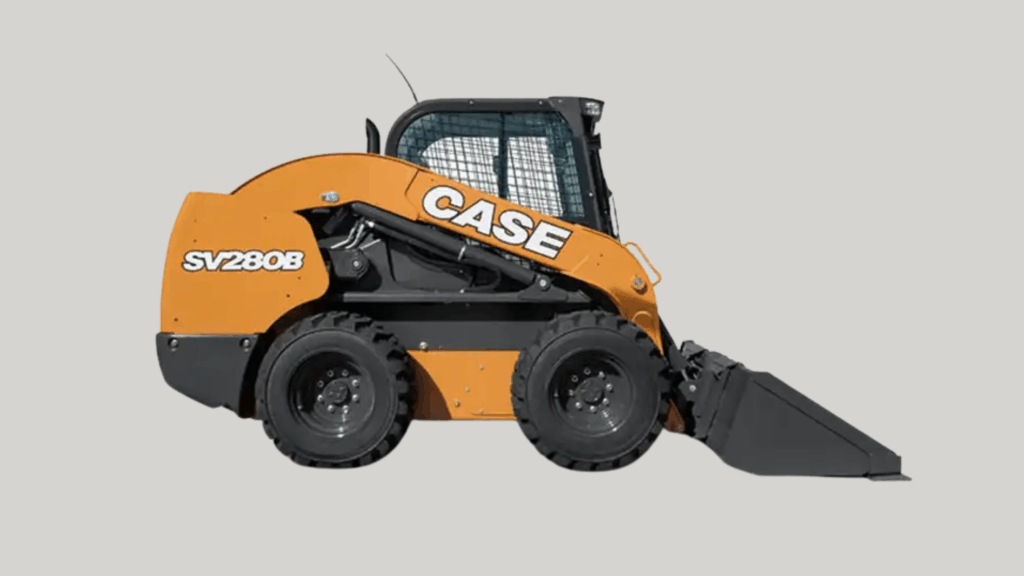
Key features
- 85 hp turbocharged diesel engine
- Rated operating capacity ~2,800 lbs
- Efficient Case mast and linkage for better reach and dump clearance
- Optional high-flow hydraulics (~41 gpm)
- Spacious cab with excellent all-around visibility and ergonomic controls
- Heavy-duty cooling system and large core radiator
- Grouped service points for easier daily checks
CASE’s SV280B is a reliable mid-size skid steer that balances power, comfort, and versatility. Its standard and optional high-flow hydraulics handle attachments like buckets, sweepers, and trenchers, while a robust cooling system keeps it running hard all day. Well-placed service points and intuitive controls make routine maintenance and operation straightforward, making it a dependable choice for contractors in 2026.
5. New Holland Construction: L328
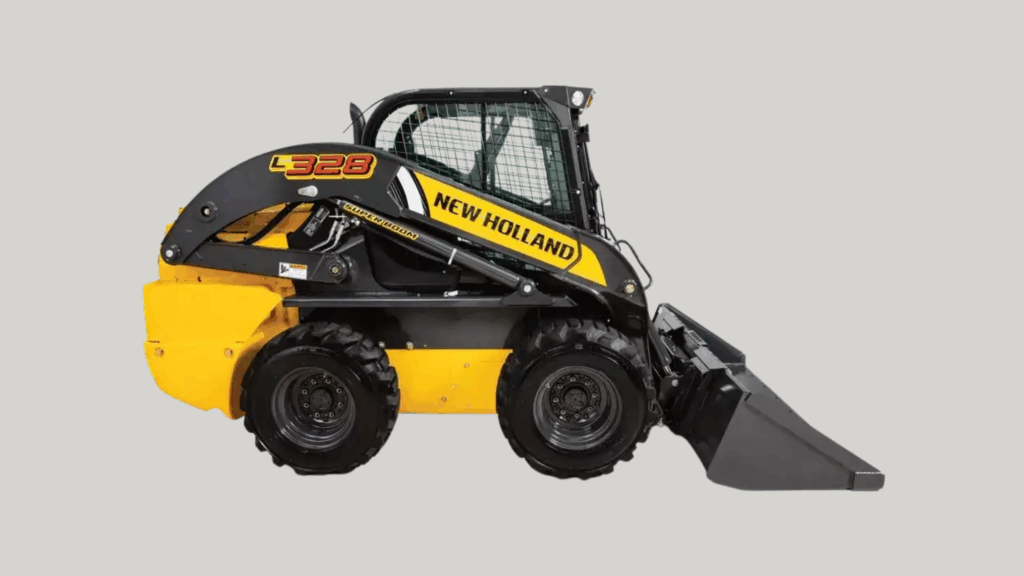
Key features
- 74 hp diesel engine
- Rated operating capacity around 2,800 lbs
- Dual-range transmission for travel speeds up to about 11 mph
- Super Boom vertical-lift linkage improves reach and dump height
- Spacious cab with large glass areas and an integrated backup camera
- Smooth, in-line hydraulic system with fast lift and lower cycle times
- Easy access service points grouped for daily checks and maintenance
The New Holland L328 is a versatile skid steer in the trusted 300 series, ideal for construction and landscaping. Its roomy cab and clear visibility make long shifts easier, while the vertical lift linkage provides strong reach and dump height without sacrificing stability. Dual-range travel and responsive hydraulics keep work efficient, and smooth controls with a backup camera help operators get up to speed quickly.
6. Kubota: SSV75
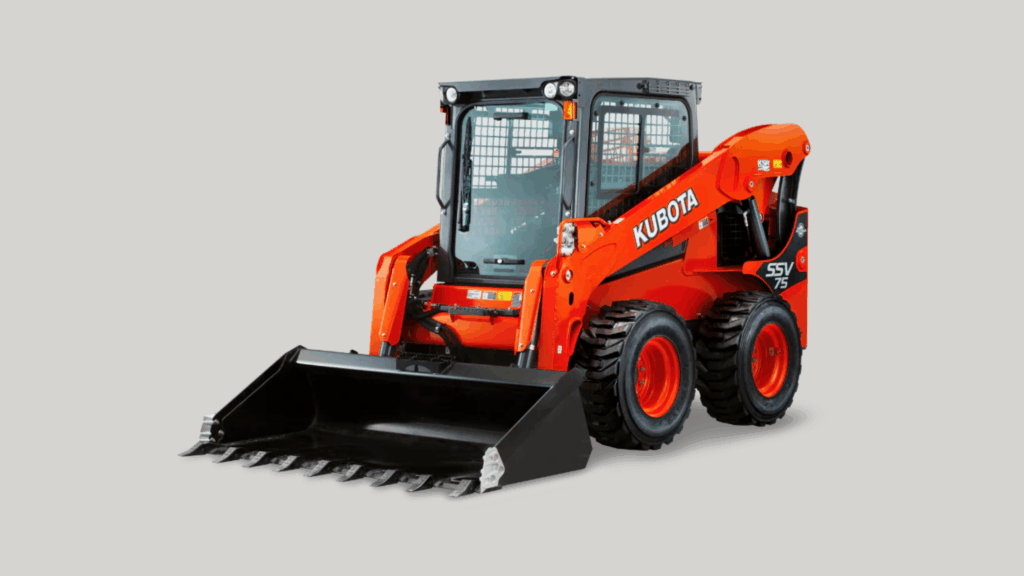
Key features
- 73.2 hp turbocharged diesel engine
- Rated operating capacity around 2,000 lbs
- Wide cab design with excellent rear visibility
- Vertical-lift arms for good dig and push performance
- Easy maintenance access through tilt-up cab and chassis panels
- Travel speeds up to ~11.8 mph
- Generally strong resale value in the compact equipment market
Kubota SSV75 combines compact maneuverability with reliable power, making it ideal for tight job sites. Its intuitive controls, vertical-lift design, and easy service access let operators work efficiently in backyards, basements, or crowded areas. Durable and agile, it’s a strong choice for residential, utility, and landscaping work in 2026.
7. JCB: 270
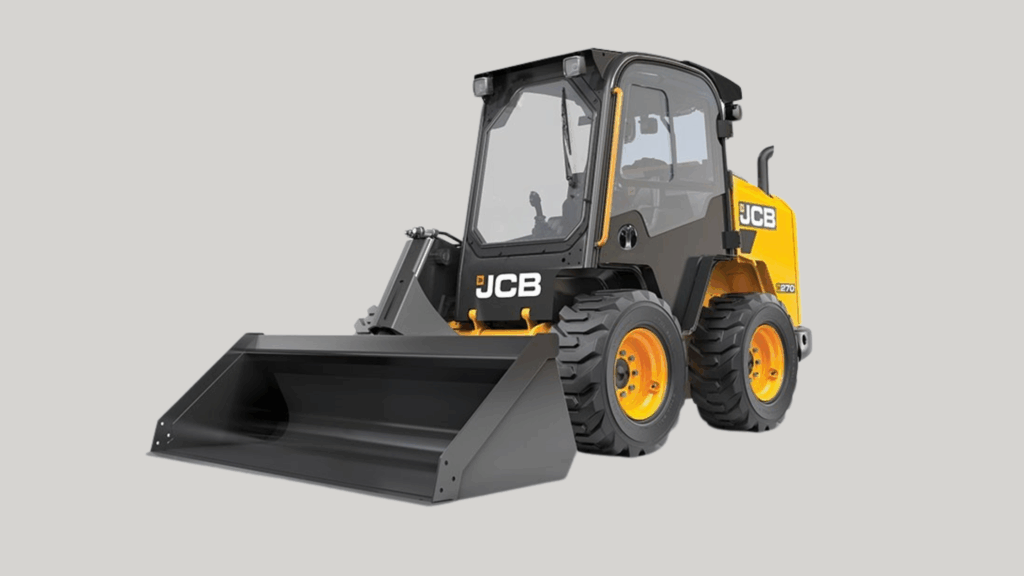
Key features
- 74 hp JCB EcoMAX Tier 4 Final diesel
- Rated operating capacity around 2,700 lbs
- Vertical lift design
- Single-arm Powerboom with side-door entry
- Auxiliary hydraulics for standard attachments
- Spacious cab with strong visibility
The JCB 270 is a mid-size skid steer built for grading, loading, and general site work. Its vertical lift path delivers strong reach and lift height for truck loading and pallet work, while the wide stance keeps loads stable. JCB’s single-arm Powerboom design improves side visibility and enables easy side-door entry, which operators appreciate on busy job sites. With solid power and a simple, durable layout, the 270 is a dependable wheeled skid steer for contractors who want performance without stepping into a track loader.
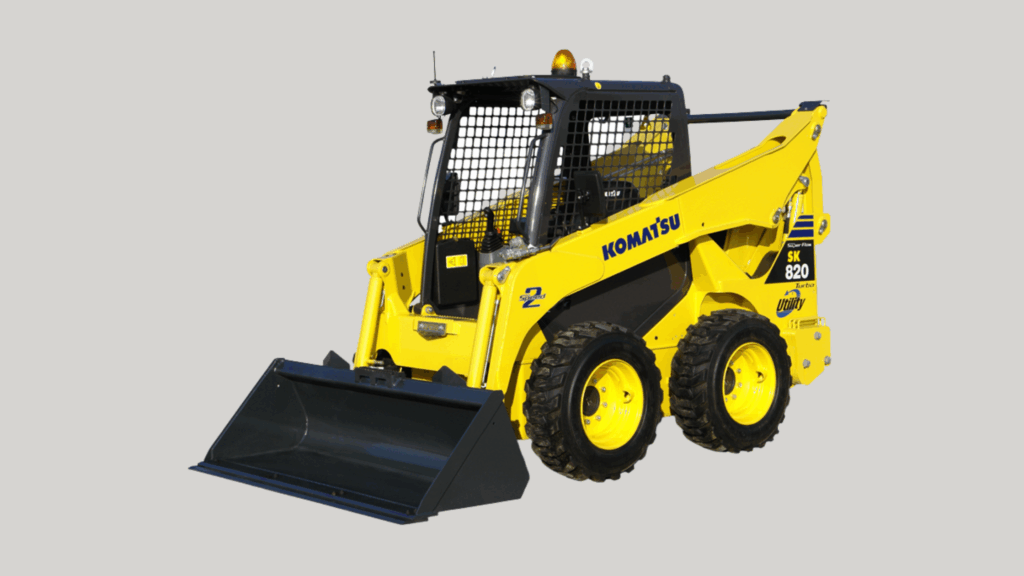
8. Komatsu: SK820-5
Key features
- Mid-size rated operating capacity in the 1,900-lb range
- Reliable diesel engine for steady power
- Standard auxiliary hydraulics for common attachments
- Heavy-duty chassis and tires for rough jobs
- Spacious operator cab with clear sightlines
The Komatsu SK820-5 brings dependable performance to general construction tasks. Its operating capacity puts it in the mid-size category, making it a good fit for grading, material handling, and site cleanup. The hydraulics support a range of buckets, pallet forks, and augers without overcomplicating the setup. A sturdy frame and tires help it handle rough ground without feeling unstable under load. Visibility from the cab is wide, and controls stay simple, so operators get up to speed quickly.
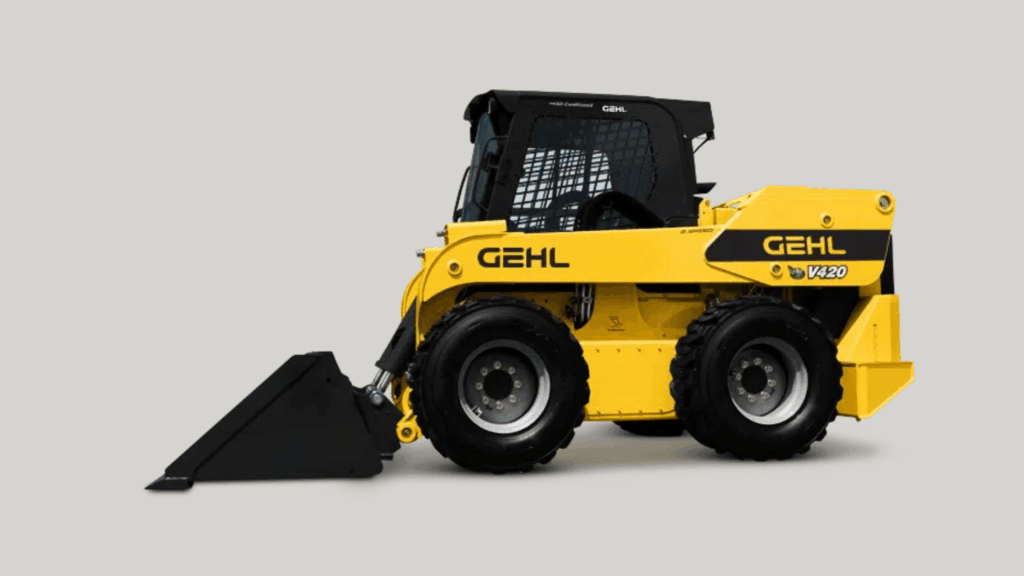
9. Gehl: V420
Key features
- Up to 100 hp engine in top configurations
- Rated operating capacity near 4,200 lbs
- Rockshaft Z-bar linkage for extra lift strength
- Spacious cab with strong sightlines all around
- Optional high-flow hydraulics for attachment versatility
- Wide stance for stability under heavy loads
- Built to hold up under demanding use
Gehl is known for building skid steers that handle heavier jobs without feeling overworked. Its lineup—including the V150, V210, V270, and high-capacity V420—offers strong lift performance and solid dealer support, especially in rural markets.
The V420 sits near the top of the capacity range, delivering serious lifting power, stability on uneven ground, and optional high-flow hydraulics for demanding attachments. With a roomy cab and strong visibility, it’s built for confident material handling in 2026.
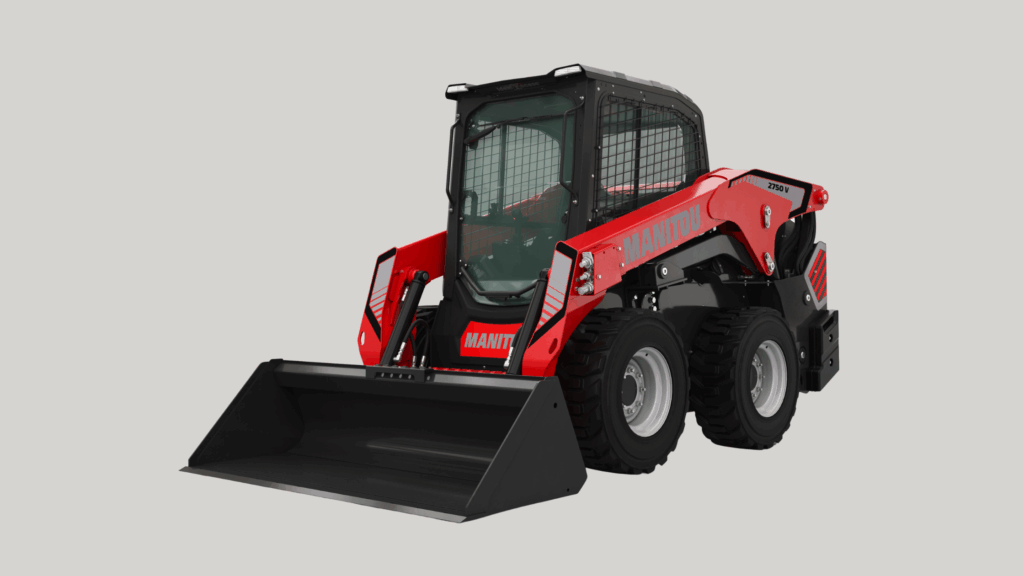
10. Manitou: 2750V
Key features
- 92 hp engine
- Vertical lift geometry for higher reach and better load placement
- Rated operating capacity around 2,700 lbs
- Premium cab options for better operator comfort
- Quick-attach plate for common tools and buckets
- Balanced design that feels stable on lifts
- Built for contractor material handling
Manitou, best known for telehandlers, is gaining ground in skid steers with models like the 1750, 2150, 2350, and vertical-lift 2750V. Popular in agriculture and construction markets, they’re known for strong lift height, stability under load, and solid dealer support.
The 2750V delivers responsive controls, strong material-handling power, and impressive reach for stacking and truck loading. Comfortable for long shifts, it’s a smart 2026 option for crews focused on lift performance and daily uptime.
What makes a skid steer reliable and worthy to buy?
A new skid steer can look great on paper, but long-term reliability depends on uptime, parts access, and how well the machine holds up after 1,000+ hours of operation. There are a few key things to look for when shopping for the best skid steers for your fleet.
Engine reliability
Look for machines with a well-documented track record of servicing. Account for replacement parts, filters, and injector service when estimating the long-term ownership costs of this machine. A reliable engine should start on the first try, idle smoothly, and crank up to speed without sputtering.
Hydraulic system durability
The hydraulic system is the bit of kit that actually does the heavy lifting. Pumps, hoses, cylinders, and quick-connect fittings must withstand repeated pressure spikes without failing. Machines with top-shelf hydraulic pumps and long-life hoses that are easy to service are a lot more predictable to work with, especially when you’re working with attachments.
Technology systems and integration
Most modern skid steers come with fancy digital displays, optional cameras, and attachment control systems. Machines that keep their technology simple and make it easy for you to get support will be much more useful to your crew. If the interface is a complete nightmare, you’ll be wasting time trying to figure out how all the buttons work instead of getting on with the job.
Rated operating capacity and machine balance
The higher the rated operating capacity, the more you can lift, but balance is just as important. A machine that weighs a ton in the back can feel a lot safer when you’re carrying heavy loads. It’s always a good idea to take a close look at those ROC numbers alongside the machine’s weight and dimensions.
Structural strength and build quality
The type of steel used in the frame and lift arms is a real indicator of how long it’ll last in the rough stuff. Good welds and gussets in key areas really help when you’re working with heavy loads day in and day out. A well-built frame is less likely to bend or crack under pressure.
Cooling and heat management
If you’re working in hot soil or pavement all day, your engine and hydraulic system are going to get a heavy workout. A good cooling system that uses bigger radiators, better fans, or easy-to-clean cores can keep the machine running smoothly rather than throttling back to protect its components.
Ease of maintenance and service access
If you can get to all the greasy bits and filters without jacking the machine up or removing panels, you’ll save a lot of time. Technicians shouldn’t have to pull out panels just to perform an oil check; that’s wasting a day of productivity. Machines designed for ease of maintenance are a real time-saver.
Parts availability and dealer support
Dealers who maintain a sufficient stock of common service items can reduce downtime to near zero. Having local support for warranty work and parts can make all the difference when a machine is parked, and you can’t get back to work. A network that responds quickly and keeps your machines running is worth its weight in gold.
Attachment compatibility and versatility
Your skid steer is only as useful as the attachments you put on it. Being able to switch between different brands and types of attachments without hassle is a major productivity booster. Having a wide range of options that all work seamlessly with your machine means you can tackle just about any job that comes along.
Operator comfort and visibility
A comfy cab that doesn’t make your operators feel like they’ve been beaten up after a long shift is a real winner. Large windows, adjustable seats, and simple controls all make a big difference when you’re working long days. And with good visibility, you can place loads and spot obstacles without breaking a sweat.
Resale value and total cost of ownership
Some brands are just inherently more valuable in the long term than others. If you plan to sell the machine in a few years, you’ll want to factor in resale value when setting the price. That long-term value will recoup some of the cash you spent when you finally decide to part with it.
If you want more skid steer reviews and buying guides, check out our other articles on Under the Hard Hat:
- FIRSTGREEN reveals remote-operated electric skid steers
- Kubota Skid Steers: Cost, weight, and performance analysis
- Bobcat vs Caterpillar skid steer: Which brand makes them better
- Best corded angle grinder
- Best cordless drills heading into 2026
- 7 Husqvarna tools totally worth the splurge
- Makita track saw vs Festool track saw: Which one is better?
And for updates on equipment, career pathways, and jobsite tools delivered straight to your inbox, subscribe to the Under the Hard Hat newsletter.